How Small Stores Can Compete with Large Retail Chains

Competing with large retail chains does not have to be a price war for small stores. With the right strategies, advantages in speed, customer relations, niche product selection, and local expertise can be achieved. This guide offers practical methods for your boutique footwear store to secure a strong market position.
The pricing power and marketing budgets of large retail chains can be intimidating for independent store owners. However, this competition is not solely a battle waged over price tags. Small businesses’ greatest strengths lie in flexibility, personal touches, and community bonds that large chains cannot replicate. By focusing on value rather than price, carefully selected collections rather than mass production, and sincere customer relationships instead of anonymous transactions, small stores can build a loyal customer base and achieve sustainable success.
Creating Value Beyond Pricing
Large chains often leverage economies of scale to offer low prices. Directly competing with them on price can be damaging for a small store. Instead, focus on delivering an experience where customers receive much more than just a product for their money. Value includes not only the product itself but the entire shopping journey.
Customer Experience and Personal Relationships
A small store’s most important asset is the personal bond it builds with customers. Remembering customers’ names, recommending new arrivals based on previous purchases, or sending a small congratulatory message on special occasions creates a warmth that large chains with automated systems can never emulate. This personal touch makes customers feel special and transforms a simple transaction into a loyalty-based relationship. Customers come not just to buy footwear but also for enjoyable conversations and personalized service.
Store Atmosphere and Brand Identity
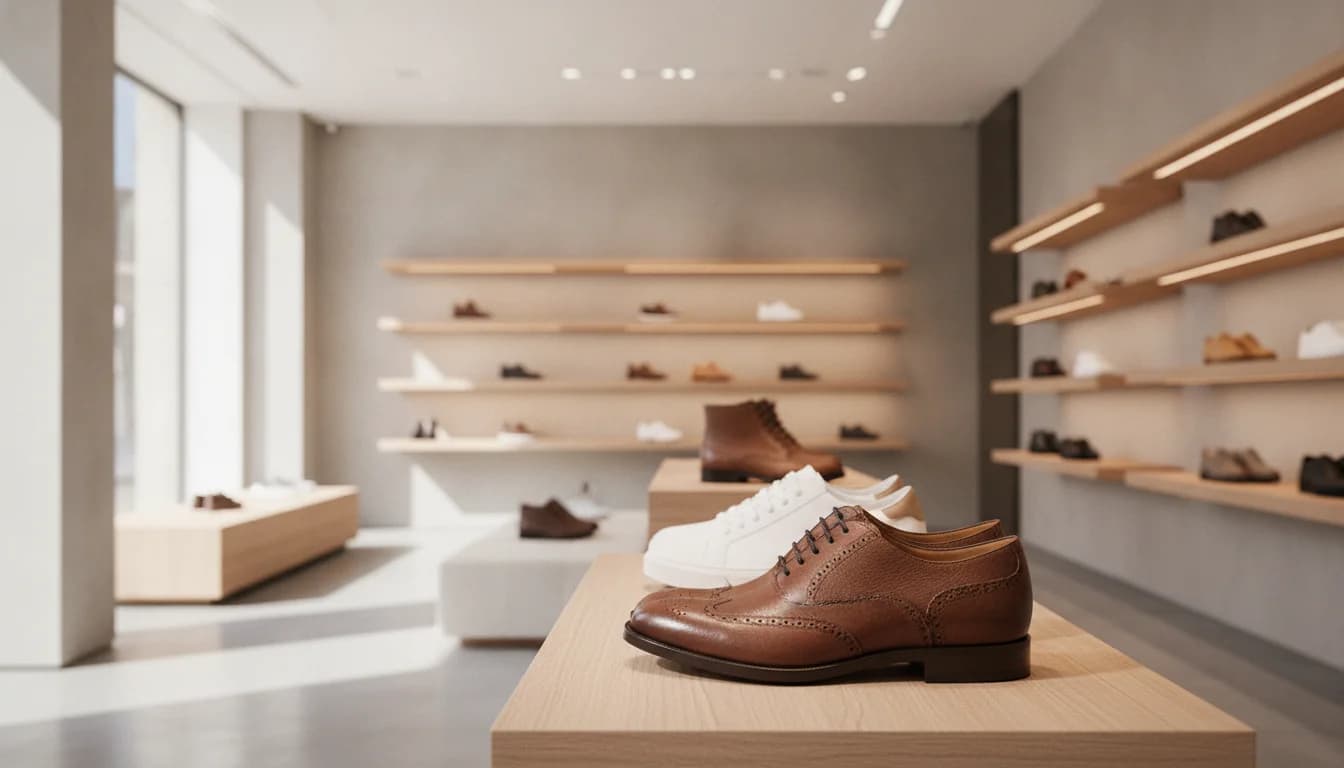
The physical environment of your store is one of the strongest reflections of your brand identity. Lighting, music, decor, and even the scent inside the store create a subconscious perception of your brand. A carefully designed window display, eye-catching interiors, and aesthetically arranged products turn shopping from a mere necessity into an enjoyable experience. Unlike the standardized and often soulless designs of large chains, your boutique store should have its own unique character and story. This atmosphere encourages customers to spend more time and develop a connection with your brand identity.
Differentiation by Focusing on Niche Markets
Trying to be everything to everyone often results in being nothing special to anyone. Large chains must cater to broad audiences and generally focus on best-selling, mainstream products. This opens an important opportunity window for small stores: focusing on niche markets.
Targeting a Specific Audience
Identifying an underserved market segment and specializing in that area is one of the most effective ways to gain a competitive edge. For example, you could offer footwear made solely from vegan materials, orthopedic and comfort-focused models, large-size women's stiletto shoes, or designs catering to specific subcultures. Narrowing your target audience makes your marketing messages more effective and positions you as an expert who understands that group’s needs better than anyone else. This expertise builds strong trust and renders price competition irrelevant.
Product Curation and Unique Selections
A small store’s showcase is a curated collection that reflects the owner’s taste and vision. Instead of thousands of ordinary models, offering carefully chosen products with stories that cannot be found everywhere differentiates you. Your customers trust this pre-selection you make for them. On platforms like Bulkoon, you can discover special pieces that chain stores do not have among thousands of models from various brands. This curation transforms your store from a shoe shop into a stylish destination.
Agility Advantage in Supply and Inventory Management
One of the biggest disadvantages of large chains is their cumbersome structures. Purchasing decisions are made months in advance, and due to large-volume orders, they cannot quickly adapt to shifting trends. Small stores can leverage their agility as a competitive advantage.
Assortment Planning and Correct Size Distribution
Large retailers use standardized size runs for stores across the country. However, each region or neighborhood may have a different customer profile and thus different size demands. As a small business, you can optimize your assortments based on your own customer data. You may notice that certain sizes sell out faster and can ask your supplier to prioritize those sizes or manage your inventory accordingly. This reduces dead stock risk and allows more efficient use of capital. When customers know they have a higher chance of finding their size in your store, loyalty increases.
Seasonal Opportunities and Fast Stock Turnover
Fashion trends change rapidly. Unlike large chains, a small store won’t miss sudden trends or micro seasons. Frequent and fast purchasing in smaller quantities keeps your showcase fresh. Bulkoon’s "Ready stock only" approach ensures you can quickly supply a model after ordering instead of waiting weeks. This way, you can catch the peak few weeks of popularity of a women's heeled sandal model and pivot to new trends once products sell out. High stock turnover strengthens cash flow and prevents heavy losses during end-of-season sales.

Strengthening Digital Presence and Local Marketing
Being present beyond the physical boundaries of your store is a necessity in today’s competitive market. Digital tools and local marketing allow small businesses to reach wide audiences with limited budgets.
Social Media and Community Management
Platforms like Instagram and Facebook are effective ways to bring your store’s showcase into the digital world. Promoting new arrivals with professional photos, telling products’ stories, sharing photos from customers, and engaging with them directly builds a strong online community. Especially with locally targeted ads, you can reach potential customers near your store easily. Social media offers a genuine, two-way communication channel that large brands often fail to provide.
Local Collaborations and Events
Combine forces with other local businesses. Partner with a neighborhood boutique clothing store, café, or hairdresser to run joint campaigns. For instance, offer customers shopping at the clothing store a discount voucher valid in your store, or host a small style consultation event. Such collaborations reduce marketing expenses while expanding both businesses’ customer bases and foster a community spirit that supports the local economy.
Operational Efficiency and Technology Use
Being small does not mean eschewing technology. The right technological tools ease operational burdens, reduce costs, and free time so businesses can focus on strategic issues.
Modern Wholesale Supply Platforms
Historically, wholesale footwear purchasing involved travel between cities, visiting suppliers individually, and lengthy negotiations, resulting in lost time and money. Now, digital B2B platforms like Bulkoon provide access to thousands of models from hundreds of approved suppliers in one place. You can examine products closely, compare prices, and place orders with a few clicks. This eliminates travel and accommodation costs, maximizes savings, and allows more time for selecting the right products. You can learn more on the How It Works page.
Customer Relationship Management (CRM) Tools
You don’t need complex or expensive software to manage customer data. Even simple email marketing tools or basic CRM software help organize customer info, purchase histories, and preferences. This data lets you offer personalized deals, birthday discounts, and enhance your customer relationships professionally. Technology is a powerful ally supporting your personalized service approach.
Conclusion: The Weaknesses of the Big Are the Strengths of the Small
Competing with large retail chains does not mean playing by their rules. Instead, create your own playing field by leveraging advantages they lack. Counter their bulkiness with your agility, their standardization with personal service, and their mass products with your carefully curated collections. Be not just a shoe store but a trusted style advisor, an enjoyable place, and a community customers feel proud to belong to. Remember, every weakness of the big is a potential strength for you.