How to Create the Most Profitable Square Meter in Shoe Stores?

Turning every square meter of your shoe store into profit is possible with the right strategies. Discover practical methods to maximize your store space's sales performance, from understanding the customer journey to strategic product placement, inventory management, and visual merchandising.
The physical space of a shoe store is not just a warehouse where products are displayed; each square meter is an active sales tool with profit potential. Considering rent, personnel, and other operational expenses, inefficient use of space directly affects profit margins. Therefore, rather than leaving store layout to chance, creating the most profitable square meter with a conscious design based on customer behaviors and product performance is one of the cornerstones of retail success. This process requires a holistic approach ranging from wholesale purchasing decisions to in-store display.
Fundamentals of Store Layout: Understanding the Customer Journey
A successful store layout creates a flow that naturally and intuitively guides the customer from the moment they enter. Understanding customer movements inside the store-that is, the customer journey-is the first step to determining which areas are more valuable and where products should be placed. This is not just an aesthetic arrangement but a strategic plan based on psychological principles.
Customers usually slow down in the first few meters inside the store, an area often called the "adjustment zone." Placing critical products or important messages here is often ineffective because the customer is still adapting to the environment. Research shows that most customers tend to naturally turn right after entering the store. Knowing this behavior allows you to maximize visibility by placing your most popular or new season products on the walls on the right side of the store.
The "Entrance Area" and the Power of First Impressions
The entrance of your store gives the first clues about your brand identity and the value you offer. This area should be clean, bright, and inviting. An eye-catching window display or a featured seasonal model placed immediately to the right of the entrance instantly draws customer interest, encouraging them to move deeper into the store. This initial contact point directly affects how long the customer stays and their likelihood to make a purchase.
Customer Flow Direction and the "Golden Triangle" Principle
In store layout, the "golden triangle" refers to the zone between the entrance, the area with the most popular products, and the checkout. The goal is to keep customers within this triangle for as long as possible and ensure they interact with different product groups. It is important to create a layout that clearly defines the circulation path while allowing exploration. For example, placing a highly demanded category such as women's sports shoes on the back wall of the store encourages customers to walk through the entire store, exposing them to other products along the way.
Techniques to Increase Sales with Strategic Product Placement
Each area inside the store has different sales potential. Deciding which product goes where is directly related to that product’s margin, popularity, and sales goal. Proper product placement not only increases sales but also enhances the customer experience. The ideal balance is having the customer easily find what they are looking for while discovering unplanned items along the way.
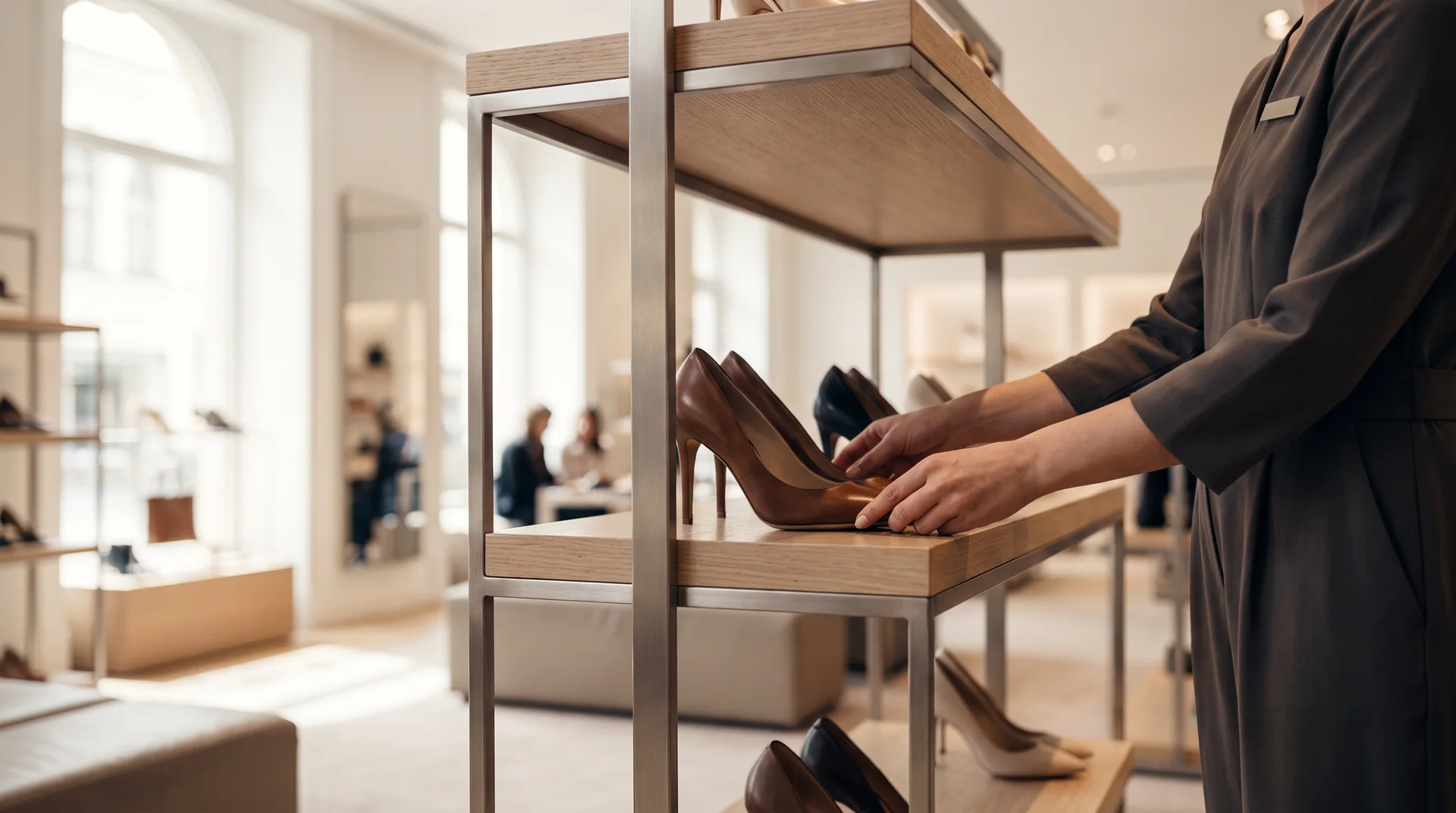
Grouping products forms the basis of this strategy. For example, it makes sense to display all men's sports shoes together, whereas presenting special-event women's stilettos in a more elegant and separate section increases the perceived value of the product. This kind of categorization simplifies the shopping process and makes decision-making easier for customers.
"Power Walls" for High-Margin Products
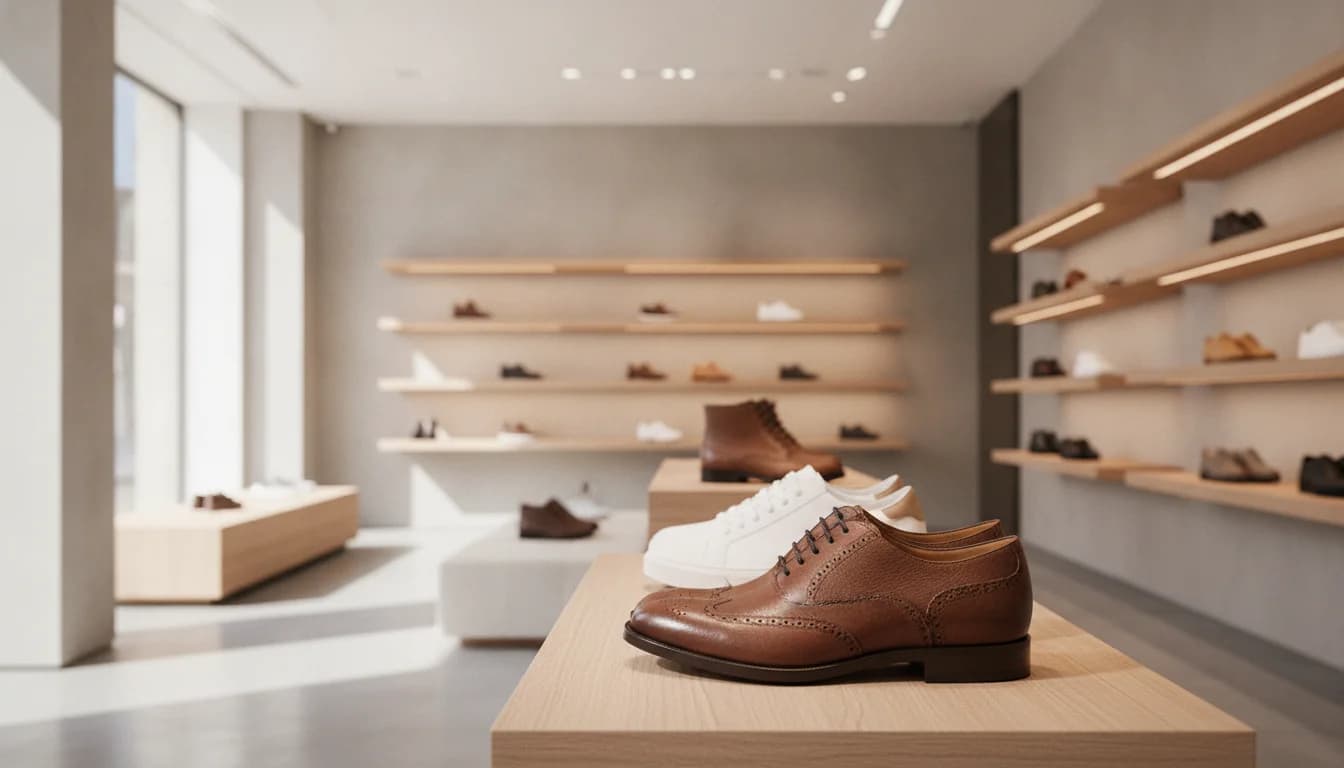
The walls that are at the customer's eye level and most visible from the store entrance are called "power walls." These areas should be reserved for collections with the highest profit margins, new arrivals, or special promotions. A well-lit and attractively arranged power wall immediately captures customer attention and maximizes sales potential. These walls act as a canvas telling the story of your store.
Checkout Area and Impulse Purchase Opportunities
The checkout area is often overlooked but is a sales point with high potential. It is an ideal spot for small, affordable products that attract customers’ attention while waiting to pay. For shoe stores, these products can include shoe care sprays, high-quality socks, insoles, or shoelaces. Such complementary items effectively increase average basket size and revenue per square meter. When sourcing these products wholesale, providing a variety ensures you meet diverse customer needs.
Profit-Oriented Inventory and Size Run Management
Store space efficiency depends not only on displayed products but also on the stock waiting on shelves and in storage. Unsold or slow-moving products not only tie up your capital but also occupy valuable square meters that could be allocated to faster-selling items. Therefore, profit-focused inventory and size run management are among the most critical components of store optimization.
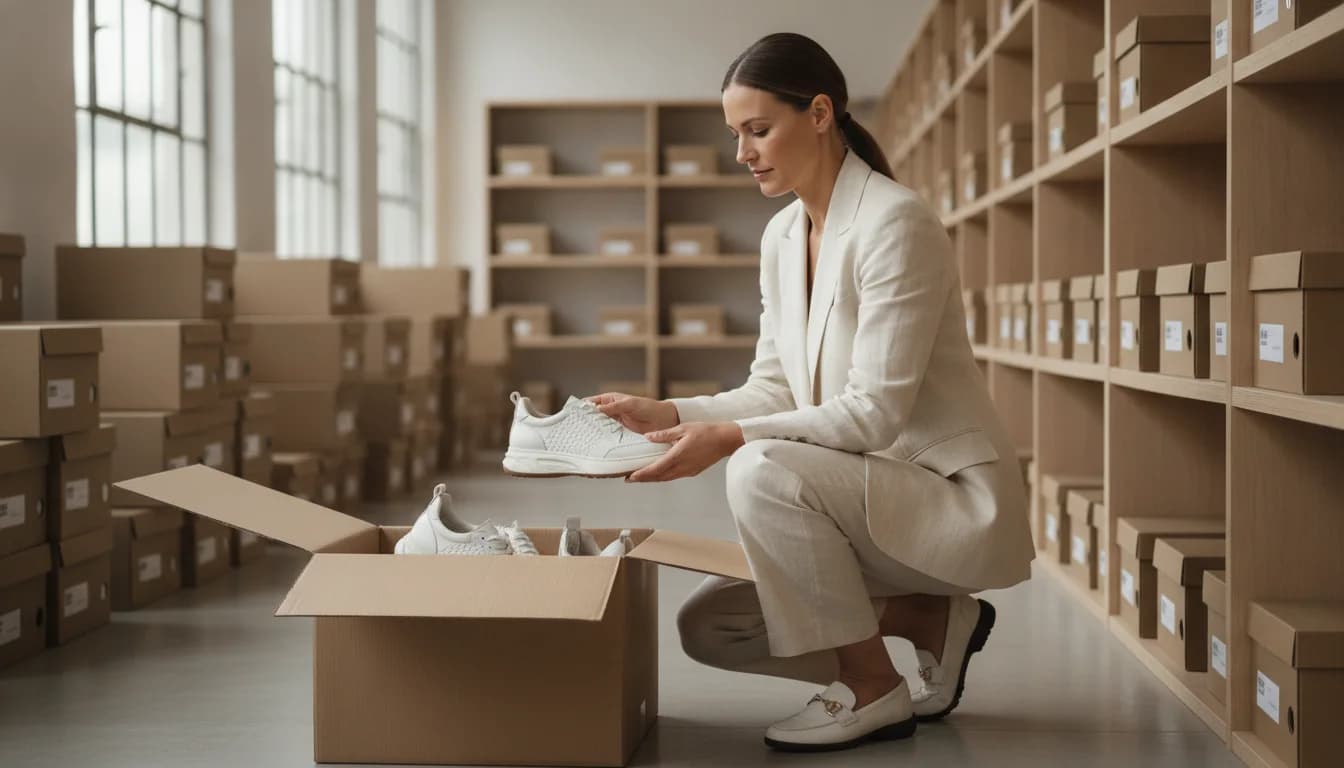
Proper stock management requires knowing which products to supply, when, and how much. Digital wholesale platforms like Bulkoon simplify this process by working only with suppliers offering ready stock. This way, you can quickly place new orders based on your sales data and keep popular models in stock, avoiding missed sales opportunities.
Seasonal Dynamics and the Importance of Inventory Turnover
The footwear sector is highly influenced by seasonal trends. Sandals and slippers are prominent in summer, while boots and high boots are in demand in winter. Inventory turnover, meaning how many times inventory is sold and renewed within a certain period, is a key indicator of your store’s health. Low turnover indicates investment in wrong products or excess stock. Instead of filling valuable square meters with outdated products, focusing on fast-moving items and buying in smaller but more frequent batches aligned with seasonal trends increases profitability.
Size Run Distribution and Square Meter Efficiency
In footwear, size run-the distribution of a model’s different sizes-is the most sensitive point in inventory management. The best-selling sizes of a model (typically 37-38 for women and 41-42 for men) sell fast, while less demanded small or large sizes may remain on shelves. These unsold single sizes take up space and often require markdowns that reduce profit margins. When purchasing wholesale, analyzing your target audience’s size demand and planning size runs properly reduces dead stock and makes every square meter more efficient. Some suppliers provide flexible size run options tailored to your needs instead of standard series purchases.
Visual Merchandising and the Impact of Atmosphere on Profitability
Customers enter a shoe store not just to buy products but also to have an experience. Store atmosphere-that is, lighting, colors, music, and scent-directly affects the customer's mood and purchase decision. Effective visual merchandising not only displays your products but gives them a story and the identity of a desirable object.
Creating this experience doesn’t require huge budgets. Proper lighting, clean and organized shelves, and simple decorative elements emphasizing product features can make a big difference. With over 10,000 model options offered by Bulkoon, you can create specific themes or stories in your store to inspire customers.
Lighting and Color Psychology
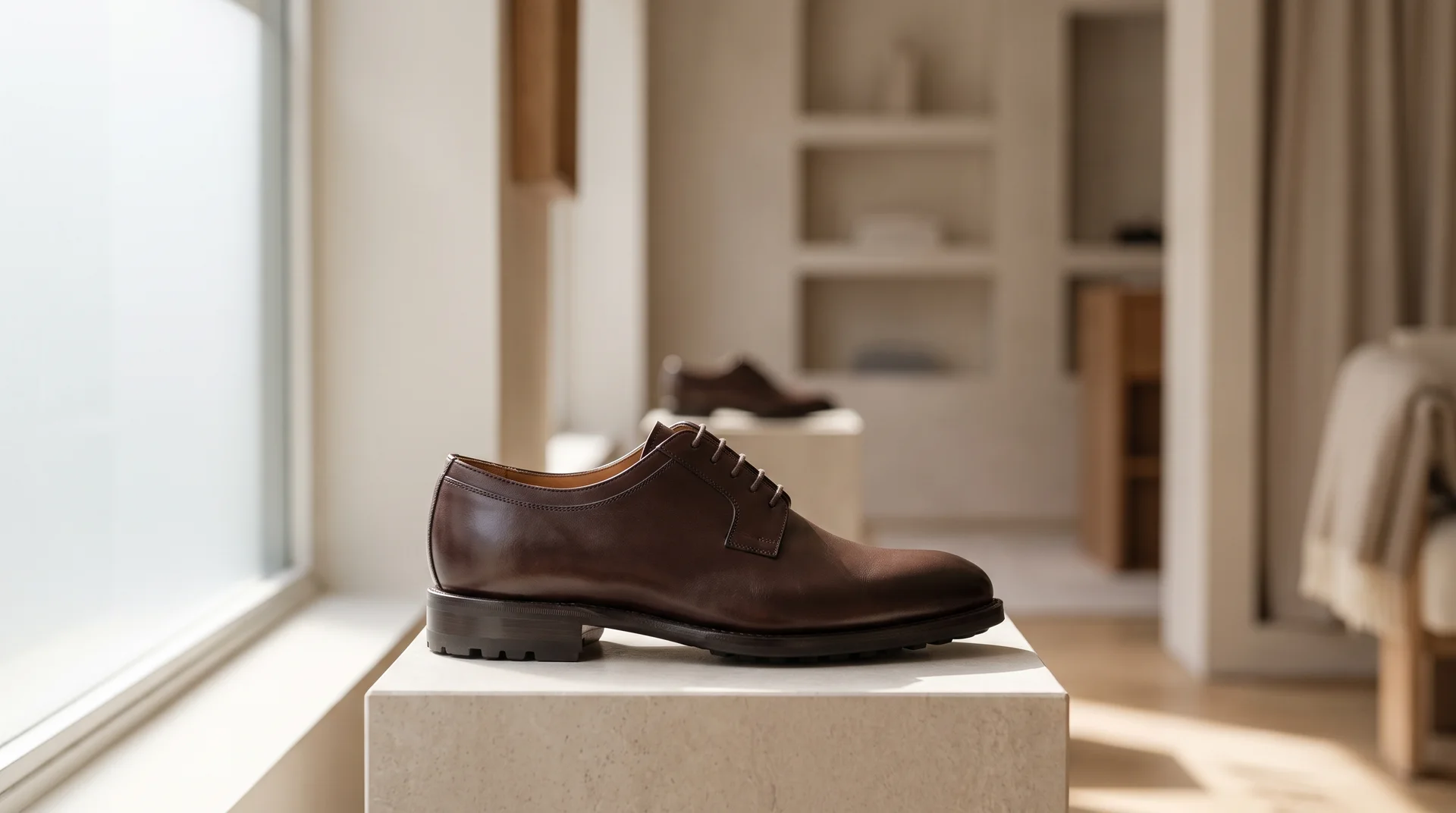
Lighting can instantly change the perceived quality of a product. Spotlights that reveal the texture of materials like leather or suede make products more attractive. Overall store lighting should be bright and inviting, while focused lighting should highlight certain product groups. Colors similarly influence perception. For instance, dark colors and wood textures can be used in the high-heeled shoe section to create a luxurious and sophisticated impression, whereas vibrant colors may be preferred in the sports shoe section for a dynamic and energetic feel.
Thematic Displays and Storytelling
Rather than just lining up products on shelves, telling a story with them stimulates customer imagination. For example, you can create a "Summer Vacation" corner displaying sandals, beach slippers, and straw bags together. Or under the theme "Office Elegance," you could group classic men's shoes and women's loafers. Such thematic displays encourage cross-selling and make customers feel you’re offering not just shoes but a lifestyle. This transforms shopping into a more enjoyable and inspiring process.
Optimizing Store Space with Data Analysis
The effort to create the most profitable square meter should be based on concrete data, not assumptions. Regularly analyzing customer behaviors and sales performance in your store is the most reliable way to understand which strategies work and what needs improvement. Today’s retail technologies have made collecting and interpreting these data easier than ever.
Even a simple Point of Sale (POS) system provides valuable information such as which products sell best, peak hours of the day, and average basket size. This data can guide everything from stock orders to product placement decisions. Making data-driven decisions reduces trial-and-error costs and increases success rates.
Identifying "Hot" and "Cold" Zones
Certain areas of your store naturally attract more customer traffic and are called "hot zones." These usually include the front and right parts of the store and main aisles. Less frequented rear corners or narrow corridors are "cold zones." You can map these zones using sales data and simple observations. Placing your best-selling or highest-margin products in hot zones and more niche or basic items in cold zones balances overall sales performance. Special discounts or eye-catching displays can also be used to activate cold zones.
Converting Sales Data into Product Placement Decisions
Analyzing which products are sold together is critical for creating cross-selling opportunities. For example, if customers who buy a specific sports shoe model frequently purchase special sports socks as well, placing these two products side by side can further increase sales. Consider a hypothetical scenario: a boutique owner notices in sales data that customers who buy heeled slippers often show interest in small clutch bags. By grouping these products in a "night elegance" corner, the store can boost sales in both categories. Such data-driven placements improve shopping experience by anticipating customer needs.
Conclusion: Keeping Square Meter Efficiency Continuous
Creating the most profitable square meter in your shoe store is not a one-time project but an ongoing optimization process. As customer preferences, seasonal trends, and market dynamics evolve, your store layout must adapt accordingly. Regularly analyzing data, testing new layouts, and measuring results form the foundation of this process. A successful store is like a living organism that offers new discovery opportunities to customers every visit.
To support this dynamic structure, having a flexible and fast supply chain is vital. Managing your wholesale shoe purchases through digital platforms enables you to keep your finger on the market pulse and always fill your store space with the most profitable and up-to-date products. Remember, every centimeter of your store awaits to be turned into profit with the right strategy.