How Can You Profit If Everyone Sells the Same Model?

In footwear retail, many stores selling the same products often reduce competition to price level. Discover how you can stand out and increase your profitability with strategies like brand identity, customer experience, smart product selection, and operational efficiency instead of cutting prices.
There is a common situation encountered in wholesale footwear markets: different stores displaying almost identical models in their windows. This creates a serious challenge, especially for new boutique owners and retailers. When customers see the same product in multiple places, their decision-making criteria usually focus on the lowest price. This triggers a price competition spiral that erodes profit margins and damages brand value. However, it is possible to break free from this vicious cycle. By shifting the competition from price to value, from product to experience, you can differentiate yourself even among competitors selling the same models and build a loyal customer base. The key to success lies in what you offer beyond the price tag.
Going Beyond Price Competition: The Art of Creating Value
When a product becomes widespread in the market, buyers’ first reaction is to compare prices. This is a natural reflex, but the only competitive advantage of your business should not be price. Sustainable success comes from creating a unique value proposition that offers customers more than just a price. This value is shaped by your brand’s story, the quality of the service you provide, and the connection you build with your customers.
Creating value may seem like an abstract concept, but it is built through concrete steps. Every touchpoint, from the atmosphere of your store to your staff’s communication style, from the care in your packaging to your after-sales support, strengthens the brand perception in the customer’s mind. You may be selling the same shoes as your competitors, but how much you differentiate the purchasing experience will be the reason customers choose you.
Brand Identity and Storytelling
Your brand is not just a logo or a name; it must have a stance, a character, and a story. Why do you do this business? Which customer segment are you targeting? For example, are you a boutique that sells only shoes emphasizing comfort and orthopedic features, or do you bring together the boldest and most avant-garde designs? Clarifying this identity enables your target audience to connect with you. The decoration of your store, your social media posts, and the language of your website should reflect this identity. Customers want to be part of a story, not just buy a product.
Prioritizing Customer Experience
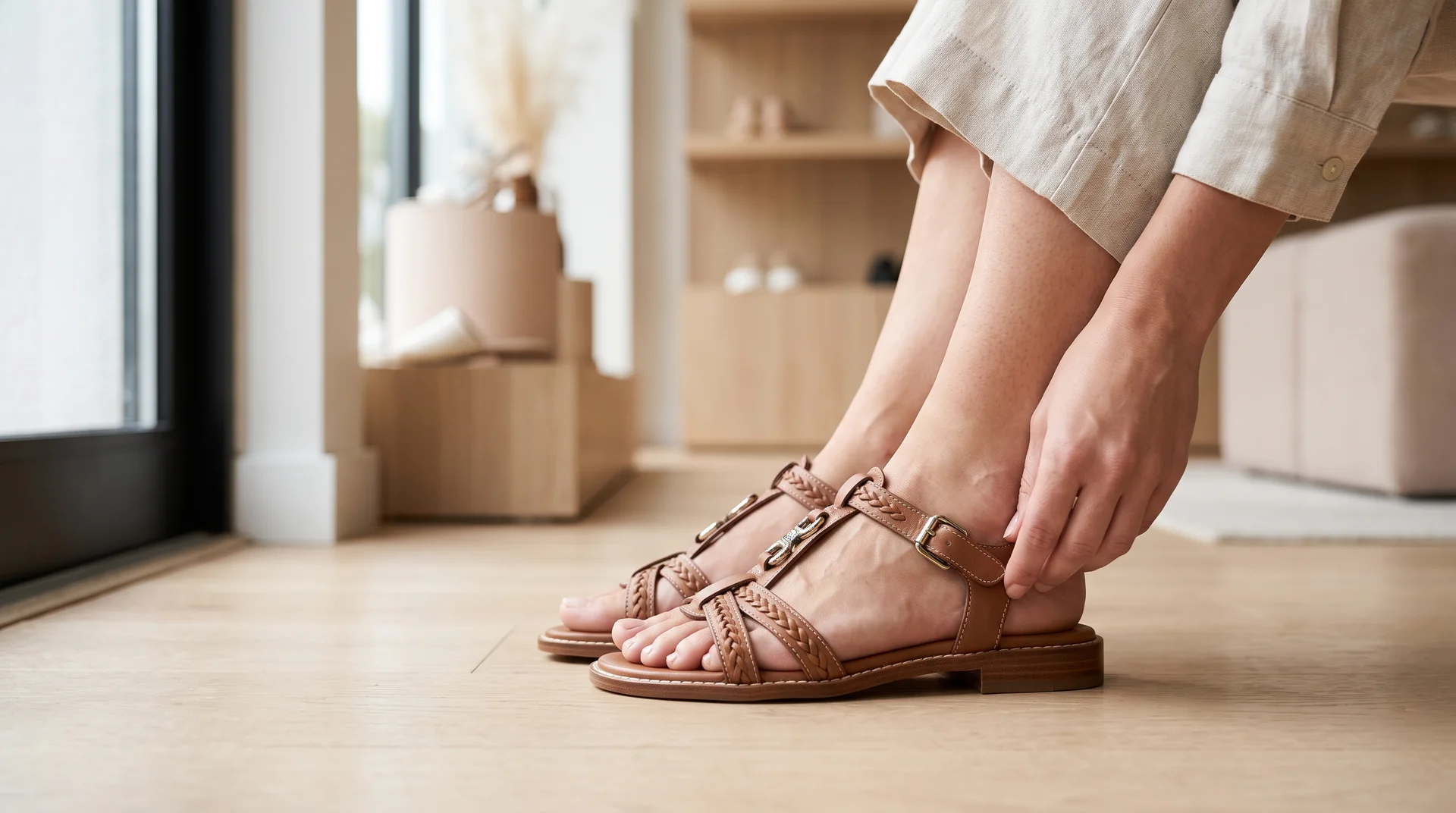
An exceptional customer experience is the most effective differentiation tool. This ranges from welcoming customers with a smile at the door to helping them find the model best suited to their foot structure. Your staff’s knowledge about products, including material and fit characteristics, builds trust in customers. If you sell online, easy returns, responsive customer service, and personalized product recommendations enrich the experience. Remember, people return to places where they feel special.
Making a Difference in Product Selection and Presentation
Even if you source from the same suppliers as your competitors, you can differentiate through the products you choose and how you present them. Instead of stocking every popular model, creating a carefully curated collection aligned with your brand identity puts you one step ahead. This means taking on the role of a style curator for your customers instead of being an ordinary shoe store.
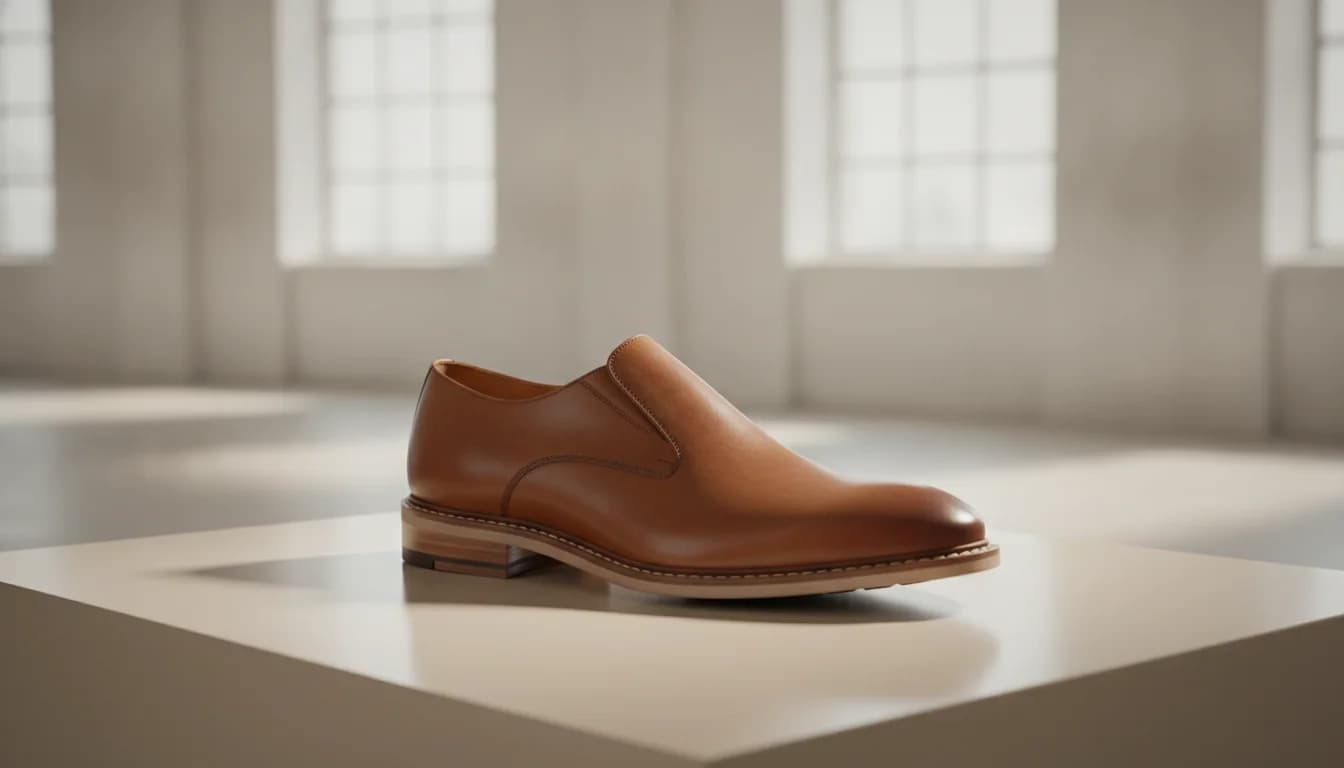
Product presentation is as critical as selection. The same stiletto can look ordinary under poor lighting but become a desirable object with the right lighting and an elegant display stand. How you showcase your products also communicates the value you assign to them. On online platforms, high-resolution photos, 360-degree views, and detailed product descriptions perform this function.
Focusing on Niche Markets and Curation
Instead of general models that everyone sells, focusing on a specific niche makes you an expert in that area. For example, you could specialize in shoes made only from vegan materials, large-size women's stiletto shoes, or performance footwear for specific sports. This allows you to reach a targeted customer base and become indispensable in their eyes. Platforms like Bulkoon offer a selection of over 10,000 models, providing a broad pool to find such niche products and undiscovered designs.
Complementary Products and Styling Suggestions
Don’t limit your sales to just footwear. Offering complementary products like socks, shoe care items, insoles, or even bags that match the shoes increases your basket average and provides customers with a holistic service. Providing styling tips for how these shoes can be paired with outfits on your store or social media gives customers inspiration and eases their purchase decisions. This transforms a simple sales transaction into a consultancy service.
Supply Chain and Operational Excellence
The unseen heroes of success in retail are an efficient supply chain and flawless operations. Every step from the moment the customer orders until the product is delivered directly impacts overall satisfaction. Selling the same product as your competitors, being able to deliver faster and more reliably creates a significant competitive advantage.
Operational efficiency also helps maintain your profitability by controlling costs. Proper stock management, efficient logistics, and reliable supplier relationships build a strong foundation that enables competing without cutting prices.
Strategic Partnerships with Reliable Suppliers
The quality and reliability of your suppliers form the foundation of your business. A supplier who constantly faces stock shortages, delays deliveries, or shows inconsistency in product quality can damage your reputation. Therefore, finding trustworthy business partners through platforms like Bulkoon, which works exclusively with approved suppliers, is important. Building strong supplier relationships can also offer advantages such as early access to new collections or more flexible payment terms. Working with different and reliable brands can also increase your product variety.
Fast Delivery and Stock Management
With the widespread use of e-commerce, customer expectations have increased. Fast delivery is no longer a luxury but a standard expectation. Being able to ship orders on the same or next day significantly increases customer satisfaction. To achieve this, it is critical that your suppliers work with only ready stock. Ready stock products allow orders to be processed immediately and shipped quickly. This operational speed easily sets you apart from competitors who deliver a week later.
Smart Size Assortment and Stock Management for Profitability
Profitability in footwear retail is closely related not only to what you sell but also to how much you sell and how you manage unsold products. Particularly for models everyone sells, wrong stock decisions can quickly lead to losses. Smart size planning and efficient stock turnover are the keys to protecting your profit margins and avoiding end-of-season markdowns.
Stock is the biggest investment for a retailer and must be used efficiently. Every pair of shoes waiting on the shelf literally locks up your cash flow. Therefore, making stock decisions based on data rather than intuition forms the basis of long-term success.
Reducing Risk with Correct Size Distribution (Assortment)
Buying a standard size run wholesale (for example, women’s shoes in sizes 36-40) is the easiest. However, size demand varies by region and customer base. By analyzing your own sales data, you can identify which sizes sell faster and which remain unsold. Perhaps sizes 37 and 38 are more popular among your customers, while size 40 sells more slowly. With this information, you can create special assortments that focus on the best-selling sizes instead of standard size runs, minimizing the risk of unsold sizes. This reduces dead stock ratio and enables more efficient use of your capital.
Seasonal Dynamics and Stock Turnover Speed
Shoes are products with fashion trends and seasons. Having winter boots in stock during summer or still holding summer heeled sandals at the start of winter forces you into big discounts. Tracking stock turnover speed, which means how many times you renew your stock in a given period, is extremely important. A high turnover rate means healthy cash flow and an up-to-date collection. Developing strategies to procure seasonal products in the right quantity at the right time and to clear them before the season ends directly impacts your profitability. For example, small but effective campaigns towards the end of a season prevent major losses by clearing stock.
Strengthening Your Digital Showcase and Customer Relationships
Today, your store is not just a physical location. Your social media accounts, website, and digital communication channels are your brand’s most important showcases. While selling the same products as your competitors, unique content you create in the digital sphere and strong customer relationships you build can make you stand out. Being in continuous and meaningful dialogue with your customers can turn them into loyal brand ambassadors.
Your digital presence may be the first point of contact for potential customers. Ensuring this first impression is professional, sincere, and consistent with your brand identity can bring them to your physical store or encourage them to shop online.
Creating Original Content on Social Media
Instead of sharing standard product photos from suppliers, create your own unique content. How do the men's sports shoes you sell look on a customer? What outfits do the new ballet flats complement beautifully? Shoot short videos showing behind the scenes of your store, how you select or package your products. Share photos from your customers (with permission) to foster a sense of community. Such authentic and genuine content receives much more engagement than standard catalog images and strengthens brand loyalty.
Customer Loyalty Programs and Communication
Retaining an existing customer is much more cost-effective than acquiring a new one. Create a loyalty program offering your customers special discounts, birthday coupons, or early access to new arrivals. Stay in regular contact via newsletters or WhatsApp, but instead of constant sales messages, provide content that adds value (style tips, care advice, etc.). These personal touches make your customers feel valued and provide strong reasons for them to choose you again.

Conclusion: Aiming for the Top by Differentiating
Standing your ground and growing in a market with hundreds of competitors selling the same shoe model requires much more than cutting prices. Success comes from consciously applying a differentiation strategy in every area of your business. Your unique customer experience, carefully curated product collection, operational efficiency, and sincere relationships with your customers make you irreplaceable. Competitors can imitate the product, but they can never replicate the value, story, and loyalty you create.
Instead of falling into the trap of price competition, focus your energy on strengthening your brand and offering indispensable value to your customers. Discover, review, and take steps to elevate your business with platforms that simplify wholesale processes and provide you with a wide product range. Learn how Bulkoon simplifies the wholesale process on the How It Works page.