
How Small Stores Compete With Large Chains

Although large retail chains hold a significant share of the market, small stores and boutiques have unique advantages. Speed, agility, niche product selection, and personal customer connections are the strongest weapons for small businesses in this competition. With the right strategies and digital tools, small stores can not only survive but also thrive against large competitors.
The overwhelming market power of large chains in retail can seem intimidating for small and independent store owners. However, this competition is not just about scale and price advantages. Small stores have critical advantages that large competitors lack, such as flexibility, speed, personalized service, and focus on niche markets. Boutiques that combine these advantages with the right strategies can build loyal customer bases and achieve sustainable success. Modern digital wholesale supply channels make this process more accessible than ever.
Speed and Agility: The Hidden Weapons of Small Stores
One of the biggest disadvantages of large chain stores is their cumbersome and bureaucratic structures. Purchasing decisions are made after months of meetings and analyses at headquarters. This prevents them from responding instantly to sudden market changes and rapidly emerging micro-trends. Small stores shine at this point. When a boutique owner notices a popular shoe model on social media, they can source and display it within weeks.
This agility allows small businesses to refresh their collections even mid-season and consistently offer fresh products to their customers. While large chains usually fill their inventories with large-volume purchases at the beginning of the season, boutiques reduce stock risk and keep customer interest alive by ordering smaller batches more frequently. This dynamic structure creates a significant competitive difference.
The Ability to Capture Trends Instantly
Fashion, especially in the footwear sector, changes very quickly. A women’s stiletto model popular one week may be replaced by another design the next. Small store owners closely follow these trends and observe customer demands directly, allowing immediate action. Without needing the approval mechanisms of a large company, they can source the right product at the right time. This is a vital advantage for stores targeting a young and dynamic audience.
Decision-Making and Execution Speed
In a small business, the decision-maker is usually the store owner. This allows immediate intervention when an opportunity arises or a problem occurs. For example, if a specific model sells faster than expected, additional orders can be placed immediately through online wholesale platforms. Ready stock products available on platforms like Bulkoon ensure rapid processing of orders and help the store restock popular items quickly. This speed surpasses what large chains can achieve with their logistics and planning processes.
Making a Difference by Focusing on Niche Markets
Large chains usually stock best-selling, safe, and general products because they must target broad audiences. This creates gaps for customers with specific tastes, needs, or lifestyles. Small stores fill these gaps and build a loyal customer base. Instead of trying to sell everything to everyone, aiming to be the best in a specific niche is a more profitable long-term strategy.
Focusing on a niche market also strengthens the store's identity and brand message. For example, a boutique selling only shoes made from sustainable materials or offering women’s loafers with a specific aesthetic (such as minimalist or bohemian) creates a much deeper connection with its target audience. This uniqueness creates the feeling that customers are buying not just a product but a style and an attitude.
The Power of Targeting a Specific Audience
Narrowing the target audience makes marketing efforts more effective. For example, a store selling only shoes prioritizing comfort and orthopedic features can direct ads and social media content specifically to people with those needs. This focused approach yields a much higher return on investment compared to general campaigns run by big chains. Customers trust these stores more because they see them as experts who understand their needs.
Curated and Unique Product Selection
Small store owners act as curators, creating special collections reflecting their tastes and their audience’s expectations. Instead of thousands of models lost on big chain shelves, they offer carefully selected products with stories. Platforms like Bulkoon facilitate this curation by offering 10,000+ model options. Store owners can select the most suitable products among hundreds of different brands and manufacturers to create unique assortments.
Smart Strategies in Inventory Management
Effective inventory management is a critical factor directly affecting retail profitability. Unlike large chains, small stores cannot bear massive stock costs and the burden of unsold products. Therefore, they need smarter and more agile inventory management strategies. What may seem like a disadvantage pushes small businesses to be more efficient and dynamic.
Proper inventory management is not only financial discipline but also an art affecting customer satisfaction. Customers are likelier to revisit stores where collections are frequently refreshed, fresh, and appealing, rather than always seeing the same products. This is an important asset small stores can use against the monotonous shelves of large chains.
The Importance of Assortment and Size Distribution
One fundamental profitability factor in footwear retail is proper assortment, meaning size run management. Ordering all sizes from 36 to 40 equally usually leads to dead stock. A small store should analyze the size distribution of its customer base carefully. Maybe sizes 37 and 38 sell better in that area, while size 40 is less demanded. Based on this data, more popular sizes should be ordered more, less popular sizes less. This ensures capital is tied to correct products and minimizes losses in end-of-season sales.
Optimizing Seasonal Stock Turnover
Stock turnover rate is a performance metric showing how quickly inventory is sold. Small stores maintain healthy cash flow by keeping turnover high. The way is ordering smaller batches more often rather than large one-time purchases. Digital wholesale platforms enable this strategy by offering more flexible minimum order quantities (MOQs). Thus, a store can test a model’s potential with a small batch and swiftly reorder to refresh stock if demand arises.
Customer Experience and Community Building
Large chains’ standard service procedures and fast pace often lack a personal touch. Small stores make a difference here by attending to customers individually, remembering names and preferences, and creating a warm chat environment. This builds customer loyalty unattainable even by million-dollar marketing budgets from big brands. Customers not only return to stores where they feel valued but also recommend them to others.
This personal connection can also be built through digital channels. Social media is a powerful tool for small businesses to communicate continuously with customers, offer special content, and build a community feeling. This community becomes the brand’s strongest advocate.
Personalized Service and Loyalty
A boutique owner does not just sell shoes but also provides style consulting, suggesting the best model for the customer’s outfit, event, or lifestyle. This personalized service builds trust and converts buyers into loyal followers. Loyal customers reduce the impact of price-based competition and provide steady income. For more tips, visit our blog page.
Social Media and Local Engagement
Small stores can use social media much more authentically and effectively than big chains. They can showcase a new men’s sports shoe model by live streaming, share photos of in-store customers (with permission), or strengthen community ties by sponsoring local events. This sincere and locally focused approach creates warmth and trust that corporate and distant social media management of large brands cannot match.
Effective Use of Digital Supply Channels
Previously, small store owners had to travel city to city, attend fairs, and negotiate extensively with wholesalers to find new products. This was costly and time-consuming. Today, digital B2B platforms have changed these dynamics completely and leveled the playing field for small businesses. Now, a boutique owner can access thousands of models from hundreds of suppliers from their home, compare prices, and place orders with a few clicks.
This digital transformation offers small stores supply power and variety previously available only to large chains. Using the right platforms effectively is crucial to gaining a competitive edge.
Advantages of Online Wholesale Platforms
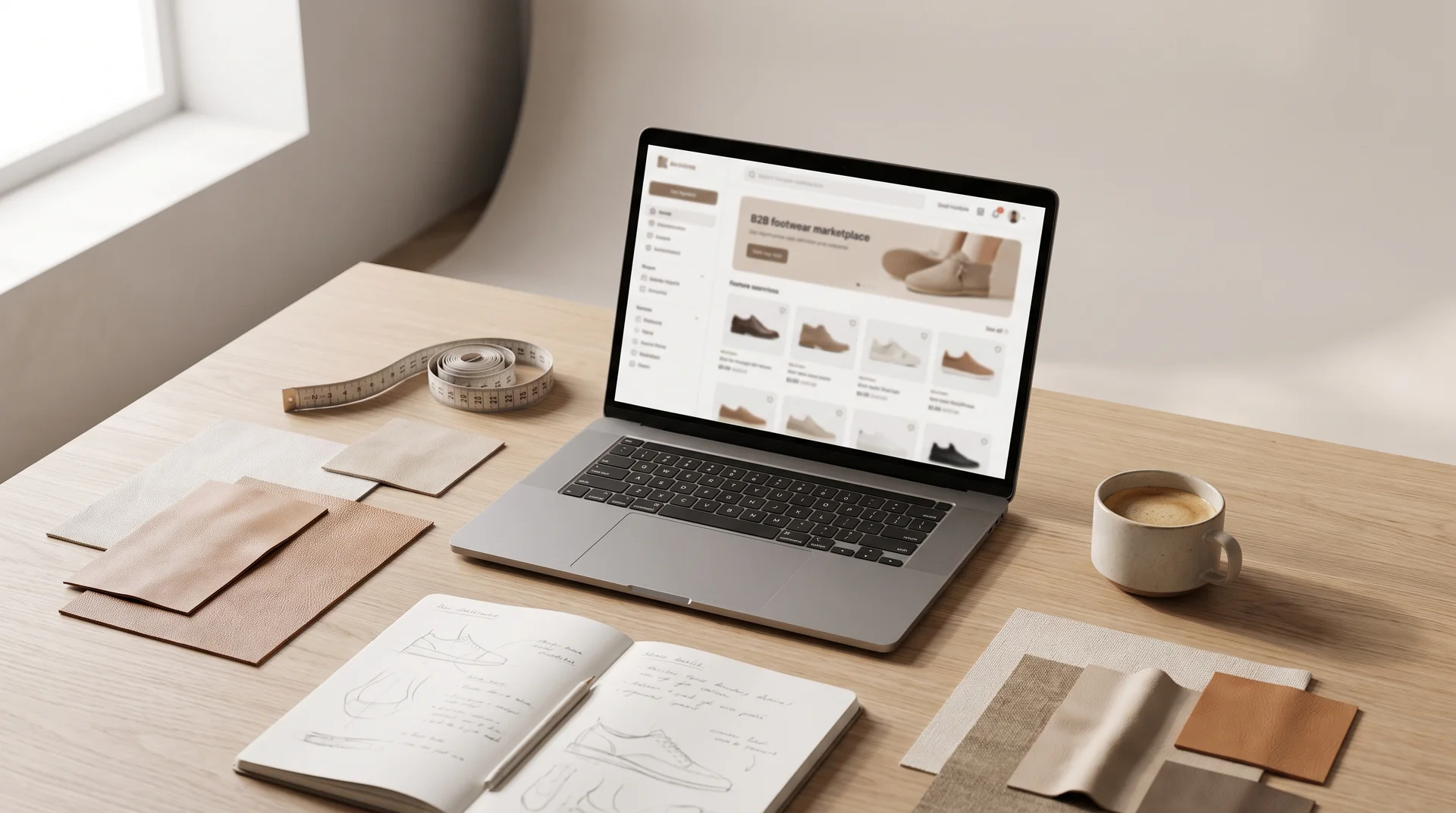
Shoe-focused wholesale platforms like Bulkoon offer countless advantages for small buyers. First, they remove geographical barriers. Stores anywhere in Turkey gain access to the best manufacturers’ collections. Second, by eliminating intermediaries, they offer more competitive prices. No extra expenses like flights, hotels, or fuel reduce direct costs. You can view these advantages closely by examining how the platform works.
Data-Driven Purchasing Decisions

Modern B2B platforms do more than list products; they provide valuable data. Top-selling products, newly added models, and supplier ratings help buyers make more informed decisions. Bulkoon’s AI-supported smart selection helps store owners find the most suitable products for their customer profiles more easily. This reduces risks associated with intuition-based buying and increases profitability.
Conclusion: Small Businesses Thinking Big
The competition between small stores and large chains doesn’t have to be a David and Goliath story. Scale and price advantages may be in big chains’ hands, but speed, flexibility, expertise, and genuine customer relationships are small businesses’ greatest strengths. Focusing on niche markets, curating collections carefully, managing inventory wisely, and leveraging digital supply opportunities enable not only survival but growth and success. Remember, today’s retail winner will not be the biggest but the most agile and customer-oriented.