How Social Media Is Changing Footwear Trends
Platforms like TikTok and Instagram instantly shape footwear trends. A viral model can generate tens of thousands of orders overnight. This new dynamic presents great opportunities and serious stock management challenges for wholesale buyers and boutique owners. The key to success lies in managing this fast flow with the right strategies.
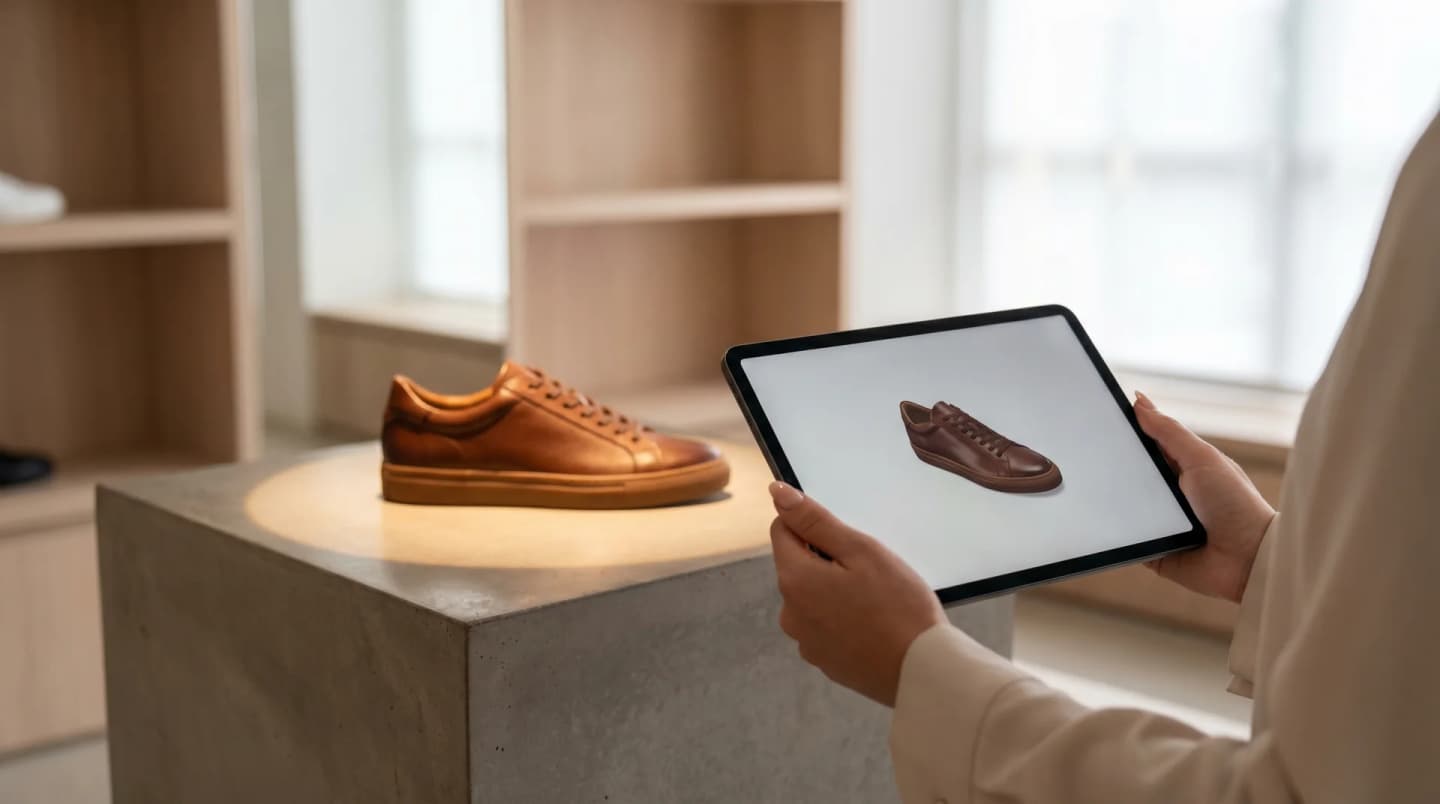
A few years ago, footwear trends were largely determined by fashion weeks, industry fairs, and magazines. However, today, a TikTok video that sells out a forgotten sneaker model within a week or a sandal that suddenly becomes popular through an influencer’s post has completely changed these rules. Social media has become not just a marketing channel but the main stage where trends are born, spread, and even die. For wholesale buyers and retailers, this situation means a new playing field that requires quick adaptation and strategic foresight. Taking the right steps in this dynamic environment is critical to gaining a competitive edge.
Viral Waves: The Rise and Impact of Micro Trends
Social media platforms, especially short-video formats like TikTok and Instagram Reels, have fundamentally changed the speed and spread of trend formation. What used to take months now happens in hours or days. This has led to the emergence of "micro trends," short-lived but intensely demanded waves. A video of a user styling a particular shoe in various ways can, with the help of the algorithm, reach millions and create a sudden surge in demand.
These viral waves often revolve around a specific aesthetic, nostalgic reference, or unexpected usage. For example, thick-soled sneakers from the 90s or heeled sandals with a distinctive color combination can become popular overnight. For wholesale buyers, tracking these trends requires more than just following popular accounts; it also necessitates understanding the cultural codes and consumer motivations behind these trends.
The Role of TikTok and Instagram
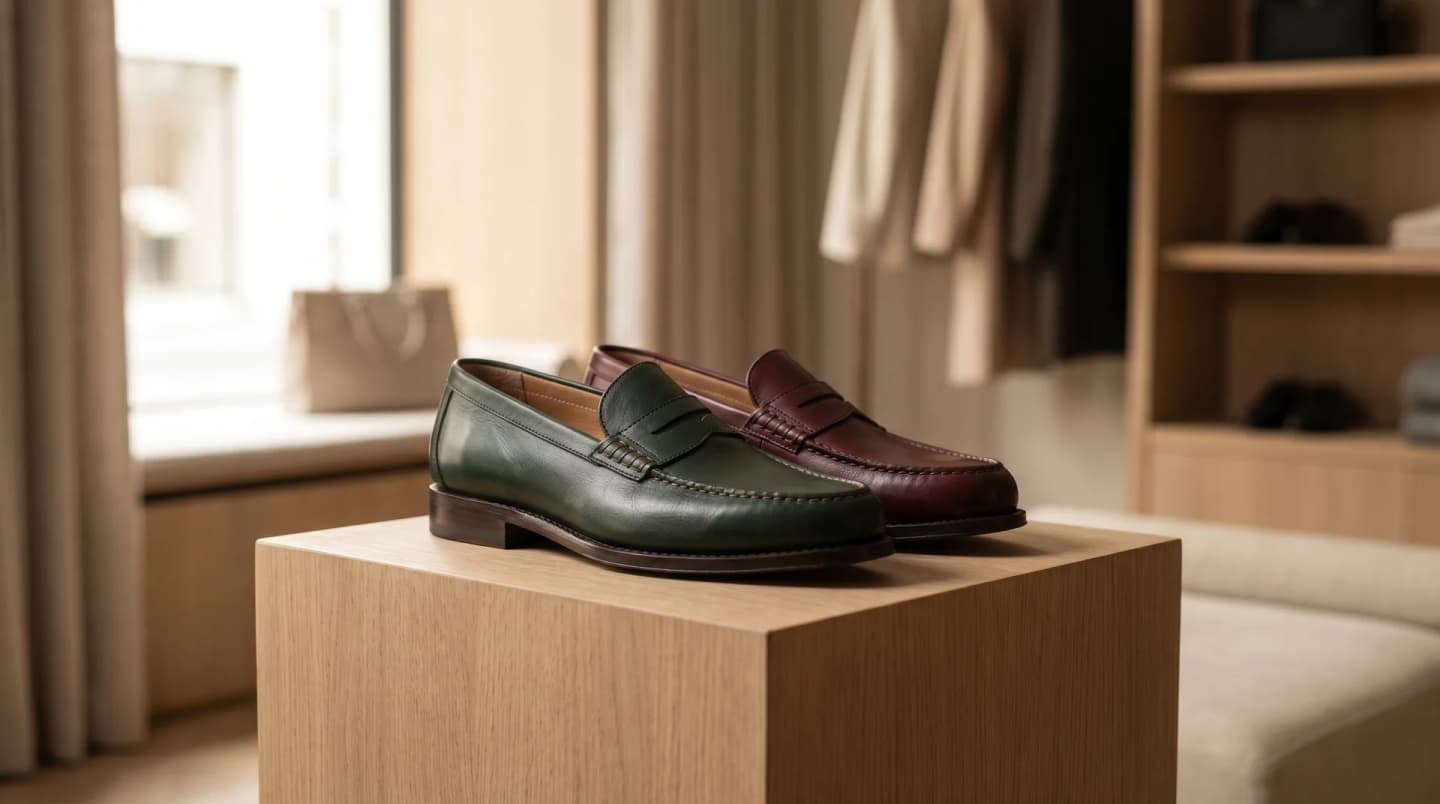
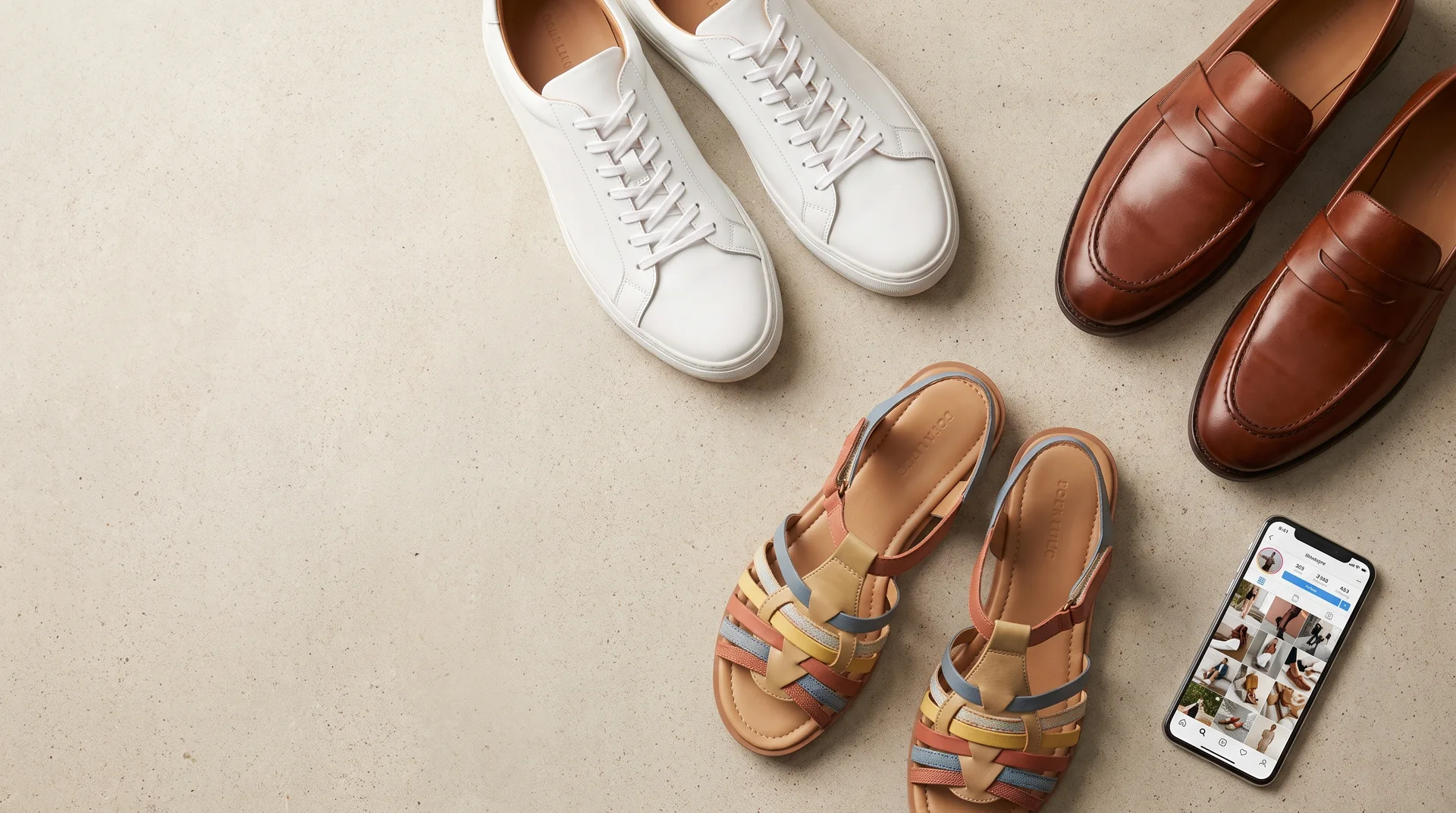
TikTok's algorithm personalizes content according to users’ interests, enabling niche communities to grow rapidly. This makes it possible for a particular shoe style-such as ballet flats suiting the "cottagecore" aesthetic or loafers fitting the "dark academia" trend-to quickly spread within its target audience. Instagram, meanwhile, focuses more on visual aesthetics, playing a key role in turning products into desire objects through influencers. A "daily outfit" post by a fashion influencer can directly impact the sales of the shoes in that outfit.
The Anatomy of "Overnight Viral" Models
For a model to go viral, several factors usually come together: accessible pricing, an interesting design detail, a celebrity using it, or association with a particular challenge. These models often share the characteristic of being unexpected. Instead of launches supported by big brands' marketing budgets, they are discovered and popularized organically by users. This opens a significant window of opportunity for small and medium-sized manufacturers to catch market attention instantly with the right product.
Influencer Marketing and Consumer Trust
Social media's power to set trends largely stems from the impact influencers create. Consumers tend to value the recommendations of trusted personalities they follow more than traditional advertisements. In the footwear sector, this has become one of the most important factors directly influencing a model’s success. Influencers do not just promote a shoe-they give it a story and context, easing the consumer's purchase decision.
At this point, the distinction between macro and micro influencers becomes important. Macro influencers with millions of followers create broad brand awareness, while micro influencers with smaller but more loyal audiences can provide higher engagement and conversion rates within specific niches (e.g., sustainable fashion or a particular sport). Wholesale buyers can make more accurate product selections by analyzing which influencers their customer base follows.
Seeking Credibility and Authenticity
Consumers, particularly Gen Z, are quite resistant to artificial and forced advertisements. An influencer genuinely using and liking a product is far more effective than just a paid collaboration. Therefore, brands and suppliers prefer to work with influencers who produce authentic content and seamlessly integrate the product into their style. This presents the shoe not merely as a product but as part of a lifestyle. For example, a men’s sports shoe used by a travel vlogger during adventures sends a strong message about the product’s durability and comfort.
The Power of Reaching Niche Audiences
Social media makes it easier to reach niche audiences with very specific tastes and interests. Boutiques focusing on categories like vegan shoes, retro running shoes, or handmade slippers can connect directly to potential customers through influencers catering to those niches. For wholesale buyers, this reduces the pressure to chase every trend. Instead, they can build a more profitable and sustainable business model by focusing on micro trends aligned with their store identity and customer profiles.
Managing Stock and Profitability for Short-Lived Trends
One of the biggest challenges social media brings is the shortening lifespan of trends. While one shoe model may stay popular for six months, another might peak and fade within a few weeks. This creates a serious stock risk for wholesale buyers. Buying the wrong amount at the wrong time can erode profit margins and result in leftover stock costs. Therefore, careful planning is essential to maintain profitability when investing in viral trends.
Succeeding in this fast-paced environment requires stepping outside traditional seasonal purchasing habits. Focusing only on spring-summer and autumn-winter collections is no longer enough. Buyers need a flexible budget and stock plan that can respond quickly to micro trends emerging throughout the year. This involves placing smaller but more frequent orders and building strong relationships with suppliers to leverage fast shipping options.
Size Run Planning: Number Distribution in Viral Models
Demand for a viral product usually does not follow a standard size run. For example, in a women’s sports shoe popular among young audiences, sizes 37-38-39 may be disproportionately more demanded than sizes 36 or 40. Placing a standard series order can quickly deplete popular sizes while leaving less demanded sizes on shelves. To manage this risk, it is wise to request flexible size run options from suppliers or measure demand with a smaller initial order before placing additional orders for popular sizes.
Season and Stock Turnover: The Fast In, Fast Out Principle
The most important metric for short-lived trend products is stock turnover speed. The goal is to get the product into the store as soon as possible, sell at the highest demand point, and clear stocks before the trend fades. These products should be seen not as long-term investments but as opportunities for quick cash flow. Therefore, pricing strategies may differ. Instead of aiming for a higher profit margin, setting a competitive price that encourages fast sales reduces the risk of leftover stock. Minor discounts or promotional announcements during the trend peak period can effectively increase stock turnover rate.
The Role of Digital Wholesale Platforms
Keeping pace with social media trends is very difficult with traditional wholesale purchasing methods. Visiting wholesalers city by city, waiting for fairs, or ordering by phone is too slow to catch a viral movement. This is where digital B2B wholesale platforms like Bulkoon play a critical role by offering buyers the speed and flexibility they need. These platforms bring together thousands of models from hundreds of suppliers on a single screen, reducing market research and product discovery to seconds.
Digitalization offers buyers not only speed but also data and transparency. Comparing products, reviewing supplier profiles, and accessing different payment options enable more informed and profitable purchase decisions. Especially for newly established boutiques or e-commerce sites, this significantly lowers the barrier to market entry.
Wide Catalog Access to Catch Trends
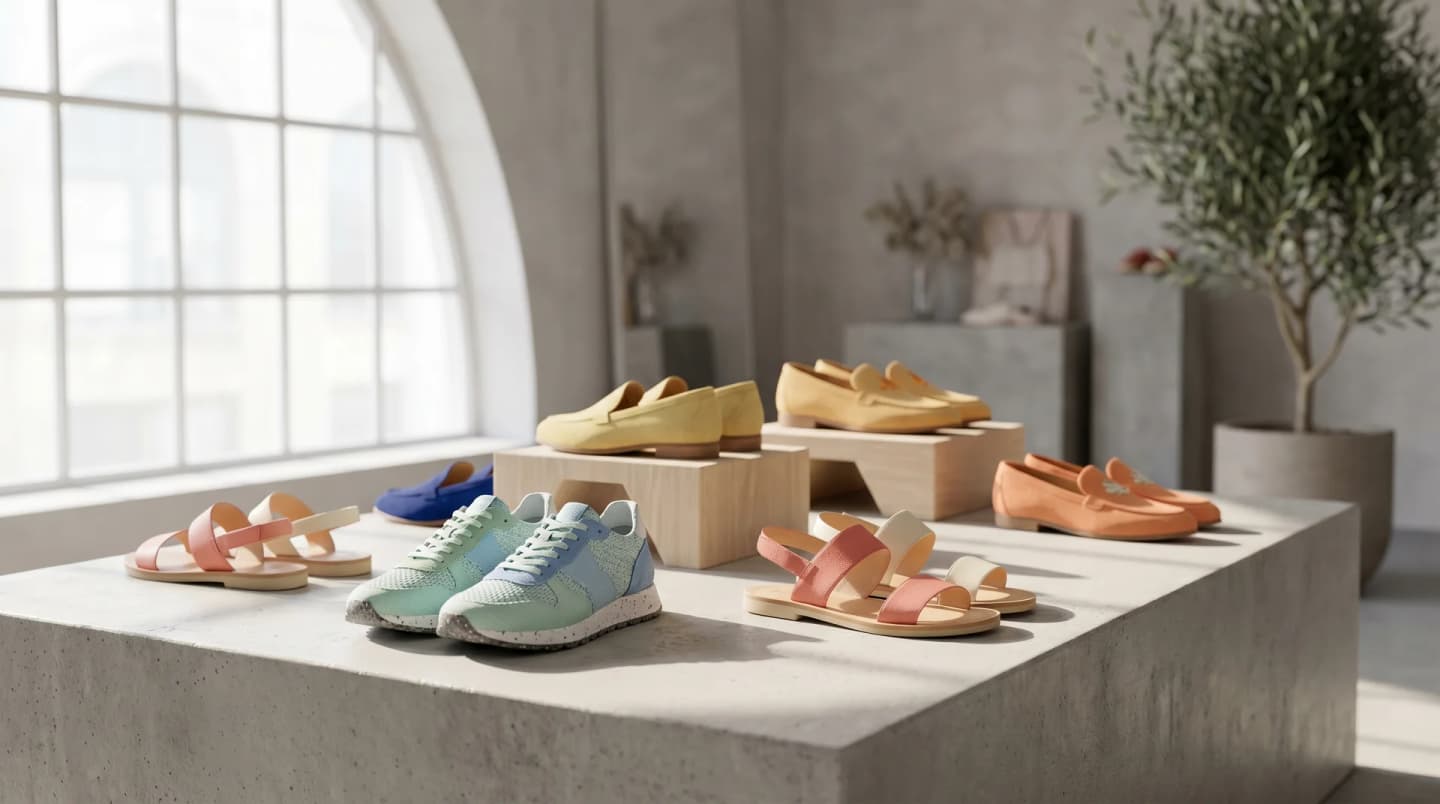
Finding that particular shoe you saw in a TikTok video or a similar alternative requires instant access to a broad product range. Bulkoon’s 10,000+ model options enable buyers to easily find trending products or alternatives. Advanced filtering options allow listing shoes by color, material, or heel type within seconds, enabling instant response to market demand. This puts a product variety at your fingertips that you would never physically reach.
The Importance of Ready Stock and Fast Shipping
Timing is everything when a viral trend emerges. Waiting for production means missing the opportunity. One of the biggest advantages of platforms like Bulkoon is listing only products with ready stock. This means the ordered items are actually available and will be shipped quickly. Free and fast shipping to all 81 provinces of Turkey allows you to get products to your shelves or online store while the trend is hot, maximizing your sales potential.
Looking Ahead: Predicting Social Media Trends
The speed and unpredictability of social media trends seem set to continue. However, this does not mean buyers have to act purely reactively. By using technology and data correctly, it is possible to predict potential future waves and take a more proactive stance. Trend analysis tools, software monitoring social media conversations, and data-driven insights help understand which aesthetics or styles are on the rise.
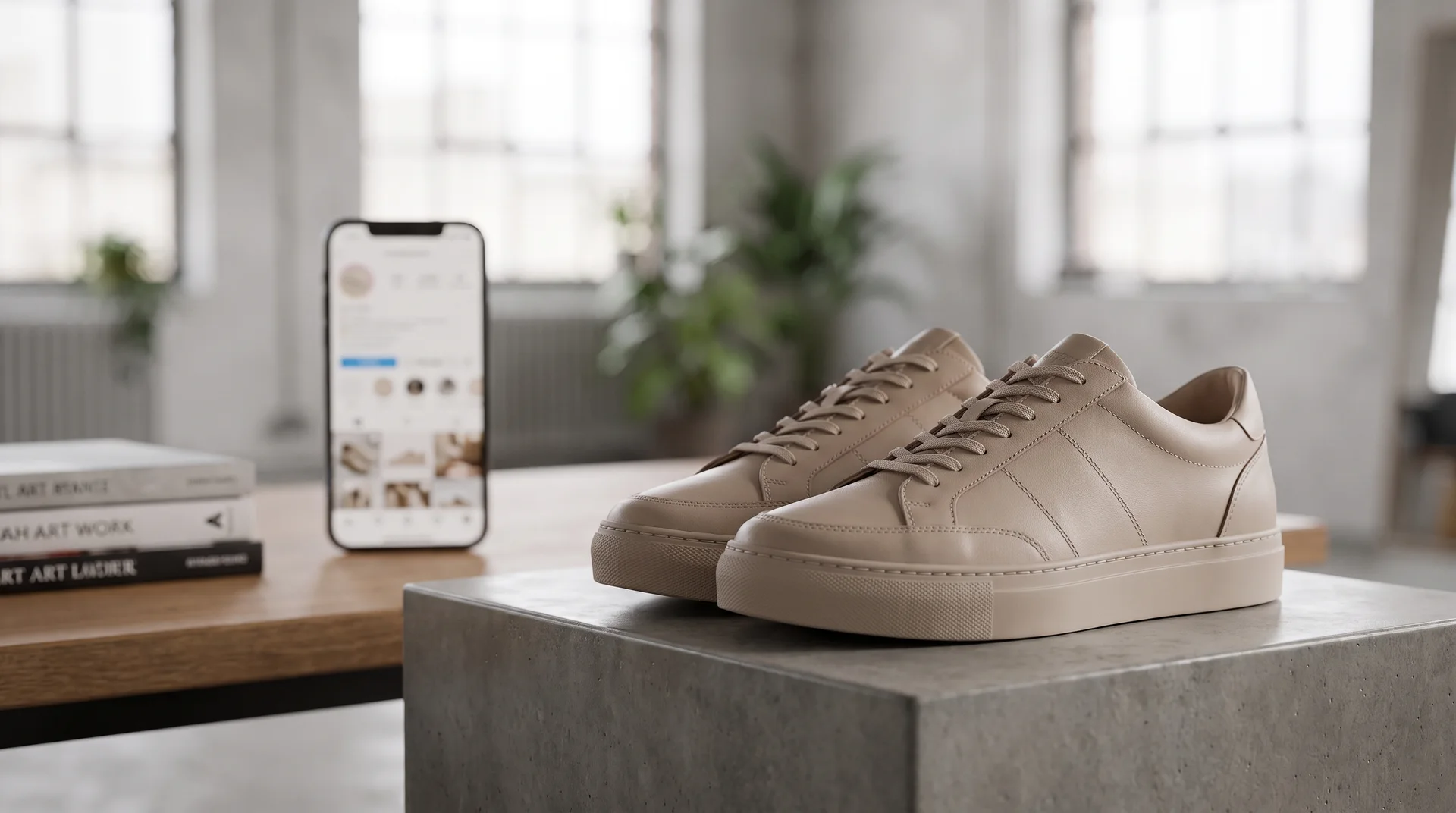
However, building the entire strategy on short-lived trends alone is risky. Creating a core collection of fundamental and classic models that reflect the store’s identity and have consistent demand is important. Viral products should be viewed as complementary elements that complete this core collection and bring excitement to the store. This balanced approach protects profitability and strengthens brand image.
Artificial Intelligence and Trend Analysis
Artificial intelligence has the potential to analyze large data sets and detect patterns and connections humans might miss. In the future, AI algorithms predicting which colors, silhouettes, or materials will become popular will be used more in wholesale purchasing processes. Bulkoon’s AI-powered smart selection feature is an example of how this technology can already assist buyers. These tools simplify decision-making by recommending the most suitable products based on your sales data and overall market trends.
Sustainability and Conscious Consumption Waves
As a reaction against fast fashion and short-lived trends, sustainability and conscious consumption topics are gaining more space on social media. Shoes made from recycled materials, locally produced, or designed for durability are important choices for a specific consumer segment. Brands following this movement and retailers including such products in their collections can both increase brand value and build a loyal customer base. This shows that social media can generate not only fast but also meaningful trends.
Adapting to Change
The impact of social media on the footwear industry is permanent and will only grow. This new order requires wholesale buyers and retailers to be flexible, fast, and data-driven in decision-making. Instead of viewing viral trends as a risk, they should be seen as significant growth opportunities when managed with the right tools and strategies. Staying attuned to the market pulse, understanding customer expectations, and using reliable digital supply channels form the keys to success in this dynamic environment. The technology and extensive product network offered by Bulkoon is designed to help you adapt to this change.