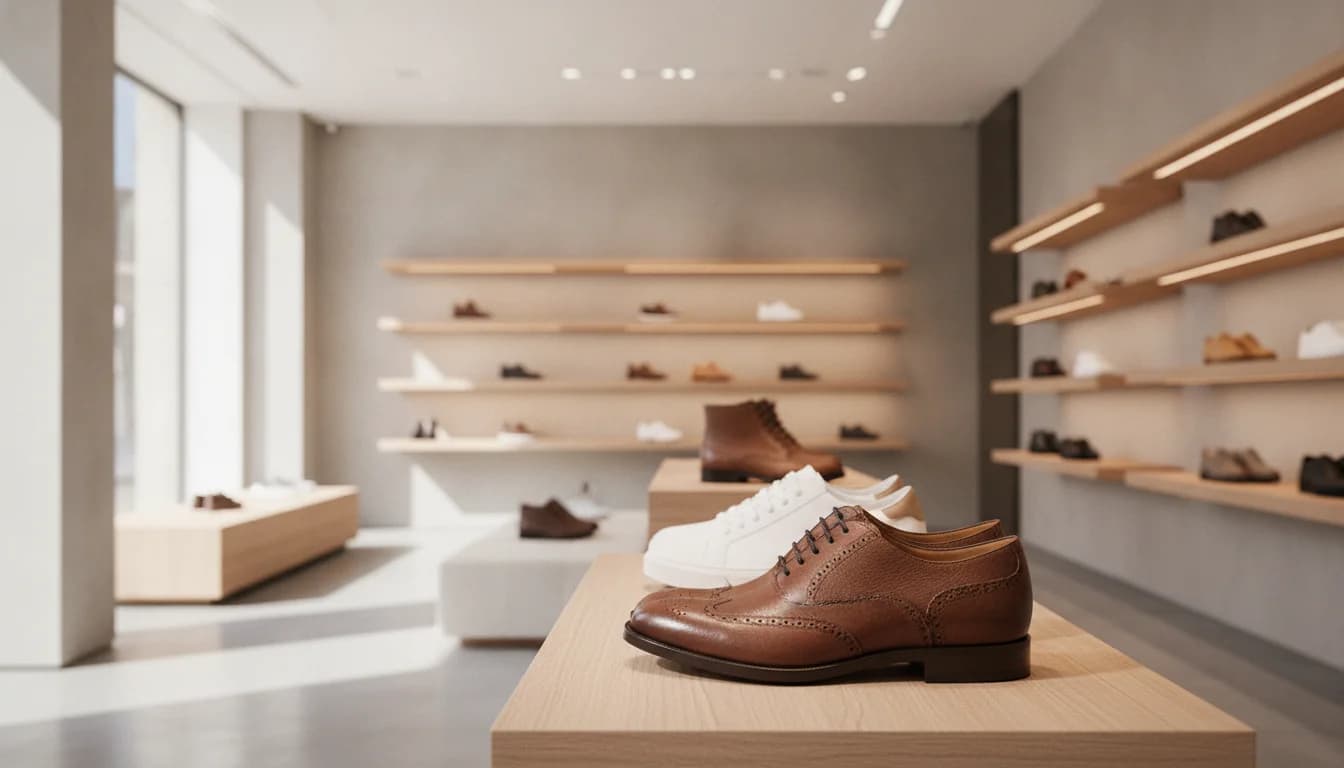
How Successful Stores Test New Products

The key to profitability in footwear retail is finding the right products instead of making risky high-quantity purchases. Discover how successful stores minimize stock risks and validate customer demand through controlled product testing, pilot orders, and sales verification methods.
In footwear retail, there is a fine balance between keeping your showcase fresh and the financial burden of unsold inventory. The dream of ordering thousands of the season’s trendiest model is tempting, but in reality such steps carry significant financial risks. What sets successful stores apart is their establishment of data-driven, controlled testing mechanisms in addition to intuition. This approach allows understanding the potential of a product with customers before tying up large capital. Rather than facing the uncertainty of high-quantity purchases, progressing with small and smart steps by taking the market’s pulse forms the foundation for sustainable growth.
Basics of Product Testing: Why and How to Start?
Deciding to add a new product to the collection is one of the most critical steps directly affecting a store’s success. Relying solely on trend reports or personal tastes often results in disappointment. Professional buyers approach this process as an investment and use systematic testing methods to maximize return on investment. Product testing is not simply about seeing if a model sells, but also understanding at what price, to which customer profile, and within what timeframe it sells.
The main goal of this process is risk management. Every expense in wholesale purchasing carries as much potential profit as the risk of loss. Controlled tests minimize this risk, allowing you to use your capital more efficiently. At the start, balancing your existing customer expectations with new market trends when selecting products to test is important. Platforms like Bulkoon, offering over 10,000 model options, provide access to a wide product pool for these tests.
Financial Risks of High-Volume Purchases
Allocating a large budget to a single model lowers unit cost on paper because of economies of scale but harbors serious practical dangers. If the product does not sell as expected, this not only erodes profit margins but also freezes cash flow. Unsold products occupy storage space, lose value over time, and eventually may have to be sold at a loss with end-of-season discounts. This “dead stock” issue is one of the biggest threats especially for small and medium-sized boutiques.
Furthermore, high-volume purchasing eliminates flexibility. Customer preferences can change rapidly, and while you have made a big investment in one style, the market might shift in another direction. At that point, you might not have capital left to invest in new and more promising products. Therefore, wholesale decisions should be viewed as a marathon, not a sprint, with every step carefully planned.
Strategic Advantages of Controlled Testing
Controlled testing is the most effective way to gather real and valuable market data without taking big risks. Starting with a small quantity of product, you can measure the real performance of that model in your store. This process offers advantages such as:
Data-Driven Decision Making: Instead of intuition, you decide which products to invest in further based on real sales figures, customer feedback, and return rates.
Reducing Financial Risk: By risking only a small portion of a large order, you minimize potential loss.
Understanding Customer Preferences: You learn which colors, materials, or style details are preferred by your customers. This information serves as an invaluable guide for future purchases.
Protecting Cash Flow: Instead of locking your capital into a single product, you can test multiple potential products and thereby increase your chances of success.
A successful testing process enables you to continuously optimize your product selection and quickly adapt to market changes. This is the smartest way to gain a long-term competitive advantage.
Pilot Order Strategies: Learning a Lot with Small Quantities
Pilot orders lie at the heart of new product testing. The goal here is to procure enough quantity to confirm a product’s market potential without committing to full inventory investment or financial risk. This strategy is especially critical when purchasing from suppliers you have never worked with or for a completely new product category. For example, if a store that usually sells wholesale women’s ballet flats wants to try sports shoes for the first time, they should start with a small pilot order.
The success of a pilot order depends as much on correct quantity and timing as on product choice. The order should be neither so small that it goes unnoticed, nor so large that unsold products cause serious loss. Usually, a single size run (assortment) or half series with the most popular sizes is an ideal starting point. This way, you can see the product’s shelf appearance and measure initial customer reactions.
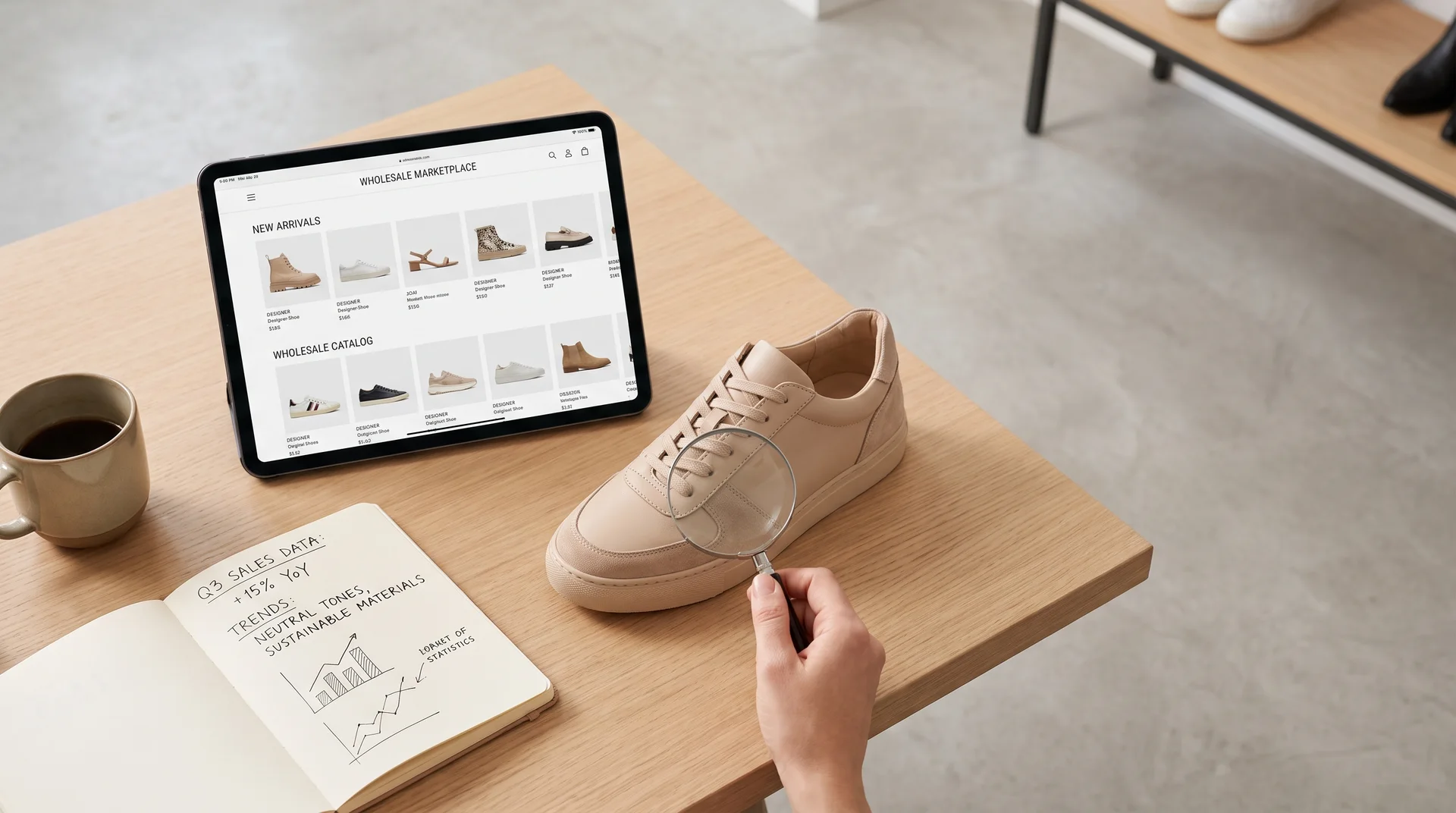
Minimum Order Quantity (MOQ) and Supplier Relations
One of the common challenges in wholesale trade is suppliers’ Minimum Order Quantity (MOQ) requirements. Manufacturers usually do not accept orders below a certain amount for operational efficiency. However, these quantities can be too high for new product testing. Here, supplier relationships and using the right platform come into play. Platforms like Bulkoon bring together hundreds of approved suppliers working at different scales, making it easier to reach companies offering more flexible MOQ conditions.
Maintaining open communication with your supplier, explaining that your intention is to test the product and that you will place larger orders if successful, can increase your bargaining power. Some suppliers are more flexible with pilot orders when they see a potential for a long-term business relationship.
Sampling and Showcase Testing
Sometimes, you can get a sense of the product even before ordering a series. Sampling involves taking only one or two samples from the supplier to physically examine the product's quality, material, and fit. This is especially helpful when buying from online platforms, allowing you to make a more informed decision beyond photos and videos.
Showcase testing is a more creative approach. By placing a single sample or a small series in the most visible spot in your store, you can observe customer reactions. Do customers pick up the product? Do they ask about the price? Do they want to try it on? These qualitative data can reveal much about the product’s potential that numbers alone cannot. You can also apply this strategy digitally by posting product photos on social media or e-commerce sites with a “Coming Soon” label.
Footwear-Specific Test Metrics: Size Distribution and Seasonal Impact
Footwear retail has unique dynamics compared to other categories. When testing a shoe model, it is necessary not only to check if the style is liked but also to consider critical factors like the correct size distribution (assortment) and seasonal timing. A successful test guarantees profitability of future large orders by analyzing these elements accurately. This section covers key metrics footwear buyers should focus on during the testing process.
Size distribution is one of the most sensitive points in footwear stock management. Incorrect assortment planning may cause even a popular model to remain unsold. For example, if sizes 36 and 40 sell well but 37-38 run out, you miss potential sales and risk customer dissatisfaction. Thus, pilot orders provide an opportunity to test not only the model but also size demand of your target customers.
Assortment Planning: Correct Size Distribution in Test Orders
It might seem easiest to order a standard 36-40 or 40-44 range during a pilot order, but this is not always the smartest choice. Start by analyzing your store’s customer profile. Which sizes generally sell faster? Based on this data, you can customize your test assortment. For instance, instead of equal quantities of each size in a standard series, you could order two pairs each of the best-selling sizes 37 and 38, and one pair of the others, creating a more balanced test stock.
A hypothetical example: you are testing a wholesale men’s sports shoe model with a standard series of one pair each from sizes 40 to 44. However, you know sizes 42 and 43 sell faster in your store. In this case, you can negotiate with the supplier for a customized series like 40, 41, 42, 42, 43, 43, 44 or buy two half-series to increase stock of popular sizes. This improves testing accuracy and facilitates more efficient stock turnover.
Stock Turnover Rate and Seasonal Evaluation
When measuring a product test’s success, the only criterion is not whether the product sold out completely. More important is how quickly it sold - the stock turnover rate. A model selling out in one week is far more valuable than one taking three months. Fast-selling products accelerate cash flow and free up capital for new investments.
Track the selling speed of the product you are testing carefully. Note how long it takes from when the pilot order arrives until 50% and 100% of the stock is sold. Evaluate this data together with the product’s season. For example, a sandal tested in April is expected to sell quickly. If sales are slow, even at peak season this might signal insufficient demand. Successful tests help identify models with high stock turnover that increase profitability.
Data Collection and Analysis: Decoding Customer Feedback
The most valuable output of a product test is data. However, this data is not limited to quantitative numbers like units sold or revenue generated. Verbal and behavioral cues customers give while interacting with the product-qualitative feedback-are equally important. Successful stores combine these two data types to obtain a holistic picture of product potential. This process reveals not only which products succeed but also why they succeed or fail.

Data collection must begin the moment the product arrives in-store. Engaging your sales team in this process helps gain invaluable insights. Information like why customers who tried the product decided not to buy, which features they liked, or how they reacted to the price will shape your future purchasing decisions.
Beyond Sales Data: Qualitative Feedback
Sales figures tell you whether a product sells but not why. Qualitative feedback fills this gap. Ask your store staff to have brief conversations with customers who handle the test products. Key questions to ask include:
Comfort and Fit: "How is the shoe’s fit? Is it comfortable?" Collect information about the wearing experience.
Style and Design: "What do you like most about this model? Would you prefer it in a different color?" These questions gauge aesthetic perception.
Price Perception: "What do you think about the price?" helps understand whether the price positioning is appropriate.
Reasons for Declining: If a customer decides not to purchase after trying, ask "Was there a specific reason influencing your decision?" to identify product weaknesses.
Systematically recording this feedback (for example, with a short notepad at day’s end) helps build a valuable knowledge base over time.
Testing and Measuring on Digital Channels
In addition to physical stores, digital channels offer powerful tools for product testing. Your e-commerce site and social media accounts can gauge market interest even before stocking a product. For instance, sharing professional photos of a new model on Instagram and analyzing followers’ comments and likes is an effective strategy. You can also conduct simple polls asking, "Would you like to see this model in our stock soon?"
On your e-commerce site, listing a product as "Sold Out" or "Coming Soon" with a "Notify Me" button allows collecting real demand indicators from users clicking to be notified. Metrics like page visits, time spent on the product page, and add-to-favorites rate are key parts of digital testing. This data guides pilot order prioritization.
Turning Test Results into Action: Scaling Orders
The last and most critical step of the product testing process is turning collected data into concrete actions. A successful test confirms you've found the right product; a failed test is a valuable lesson protecting you from greater loss. In both cases, the goal is to make smarter, more profitable inventory decisions using the insights gained. It is crucial to avoid emotional decisions and focus solely on data. Even if you personally love a model, do not insist if the test results are negative.
Scaling decisions are more complex than just saying "yes" or "no." Post-test order quantities and the focus on certain colors and size distributions directly affect profitability. Similarly, how you handle leftover products and what you learn from the experience form the foundation of future successes.
Reorder Strategy After Successful Tests
When a pilot order sells quickly and customer feedback is positive, it is time to reorder. However, avoid rushing or overordering. Consider these factors when determining your initial reorder quantity:
Sales Speed: How quickly did pilot products sell out? Calculate the amount that will sustain you until the next delivery.
Assortment Data: Which sizes or colors sold fastest during testing? Weight your new order more toward these popular options.
Supplier Lead Time: Find out how long the supplier takes to deliver products. This affects order quantity and timing. Platforms like Bulkoon, offering only ready-to-ship stock, significantly shorten this process, enabling fast action.
Seasonal Status: Consider the season timing. Early-season successful products merit bolder orders, while late-season products require more caution.
Using this data, place your first large order aiming to maximize returns from successful products.
Lessons from Failed Tests
Not every test will be successful. In fact, failed tests are as valuable as successful ones if properly analyzed because they teach you what does not work at low cost. When a product test does not meet expectations, instead of panicking and disposing of the product with deep discounting, first try to understand why. Was the problem price? Was the fit uncomfortable? Was the color disliked? Or was the style wrong for your target audience?
Review customer and staff feedback again. This analysis helps prevent repeating similar mistakes in the future. Reduce losses by clearing leftover products through small discounts or creative campaigns like gift vouchers for the next purchase. Remember, every failed test is a learning opportunity bringing you closer to your next successful product.
Conclusion: Growing with a Testing Culture
Remaining standing and growing in retail is possible not only by finding the right products but also by mastering how to avoid wrong ones. Developing the habit of systematically testing new products transforms your store from a guessing game into a data-driven, intelligent business. Creating a purchasing culture based on pilot orders, data analysis, and customer feedback minimizes stock risk while maximizing profitability and customer satisfaction.
This approach allows you to use your capital most efficiently, adapt swiftly to market trends, and most importantly, understand what your customers truly want. With Bulkoon’s extensive product range and flexible supplier network, you can easily start this testing process. Discover, explore, and find your next winning product for your store with small orders risk-free. Remember, the most successful stores are not those who make the fewest mistakes, but those who learn fastest and cheapest from their mistakes.