What Do Returned Products Really Cost You?

A return process involves much more than just refunding the product price. Hidden costs like reverse logistics, labor loss, restocking, and opportunity cost can silently erode your profitability. Discover the full dimensions of return costs for shoe retailers and how to manage them effectively.
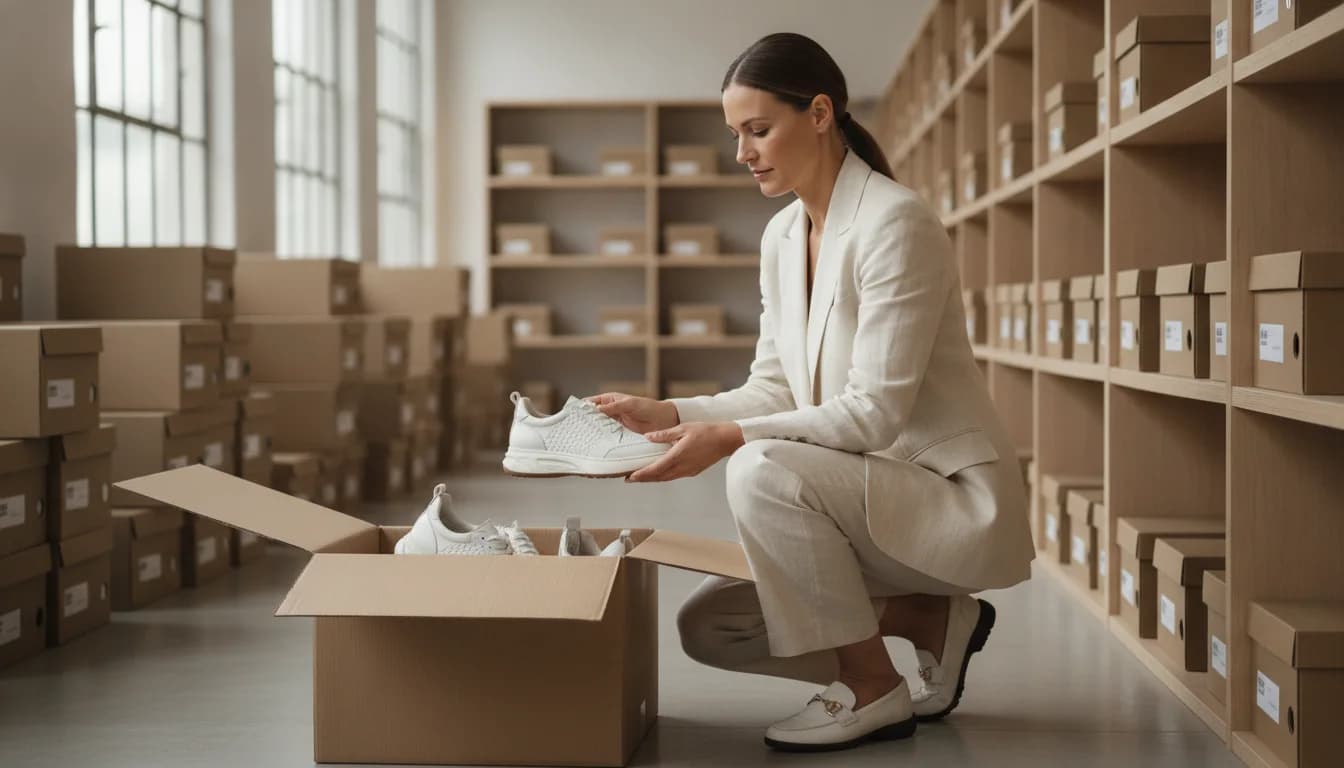
A shoe box returned by a customer represents far more than a simple refund process for your retail operation. This box is the starting point of a series of visible and hidden costs that directly affect your profit margin. Every returned product is not only a lost sale but also a complex process that creates ripple effects on logistics, labor, inventory management, and even marketing efforts. Being fully aware of these costs is critical to protecting your business’s financial health and securing its long-term success. Understanding the real cost is the first step in turning return management from a crisis into a strategic advantage.
Beyond the Visible Costs of Returns
For many business owners, the cost of a return appears limited to the refunded product price. However, this is only the tip of the iceberg. Behind these direct expenses, which initially show up on financial statements, lie deeper costs that affect operational efficiency and cash flow. Correctly identifying these costs allows you to understand the true burden of the return process on your business.
Product Cost and Shipping Expenses: The First Phase
When a return request is approved, the first and most obvious expense is the refund issued to the customer. This represents a direct loss of revenue. But costs don’t end there. The shipping fee you initially paid to send the product to the customer is now entirely wasted. If your return policy includes free return shipping, this expense doubles. A second shipping fee must be paid for the product’s return to you. The total of these two shipping costs can severely erode your profitability, especially on low-margin items.
Reverse Logistics: The Cost of the Return Journey
Reverse logistics describes the process of a product traveling back from the customer to your warehouse or store. This process is usually more complex and costly than forward logistics. It involves collecting, sorting, inspecting, and reintegrating returned products into your system. Specialized personnel, space, and technology may be required for these operations. Opening, examining, and determining the status of each returned package may seem simple, but when dealing with hundreds of returns, it becomes a significant operational burden. Inefficient management of this process can increase costs further.
A precise analysis of visible costs helps assess the financial sustainability of your return policy. Taking into account not only the product price but also the two-way shipping and reverse logistics operations enables a more realistic profitability analysis.
Operational Burden and Hidden Expenses
The financial impact of returns extends far beyond direct expenditures. Hidden costs, which reduce your operational efficiency and are often overlooked, can pose a larger threat over time. These expenses cover a wide range, from your staff’s time to packaging materials, depleting your business resources.
Staff Time and Labor Loss
Every step of a return process consumes valuable time from your employees. Your customer service team must respond to return requests and manage emails or phone calls; warehouse personnel must receive the product, unpack it, conduct quality control; and your accounting department processes the refund. All these steps divert your staff from value-added activities such as generating new sales, conducting marketing campaigns, or strengthening customer relationships. This is an indirect labor cost that grows exponentially with increasing return volumes.
Repackaging and Quality Control Expenses
Each returned shoe must undergo a thorough inspection to determine whether it can be resold. This quality control process includes checking whether the shoe was worn and whether there are any damages or stains. Even if the product is resellable, the original packaging is often damaged. In such cases, repackaging materials such as a new shoe box, protective papers, and labels are required. While the cost of these materials may seem small individually, they accumulate into a significant expense when dealing with hundreds of returns. Products that cannot be resold are recorded as a direct loss.
Operational burdens are among the most challenging aspects of return management. Controlling these hidden costs not only improves profitability but also boosts your team’s morale and productivity.
Indirect Impacts on Inventory and Profitability
The cost of returns is not limited to immediate cash outflows and operational expenses. Perhaps the most damaging effects are the indirect pressures they place on inventory management and overall profitability. Returned products disrupt your inventory dynamics and can negatively impact your future sales potential.
The Risk of Devalued "Dead Stock"
When a returned product arrives back at your warehouse, it may no longer be a "new" season item. Timing is critical for seasonal products like shoes that depend heavily on fashion trends and seasons. For example, a women’s heeled sandal model popular weeks ago loses significant value if returned near the end of the season. This product can turn into "dead stock"-occupying space in your warehouse until the next season or requiring a deep discount sale. This situation raises storage costs and drastically reduces the profit made per product.

Opportunity Cost: Shelf Space Occupied by a Returnable Product
While a product is shipped to the customer and in the return process, it is effectively unsellable. During this period, you cannot fulfill another customer's demand for that product. This is a missed sales opportunity. This is especially critical for popular models with limited stock. By the time the returned product goes back to inventory, the demand may have passed. Therefore, the return process not only cancels an existing sale but also prevents potential new sales. This is one of the most insidious costs of returns.
These indirect impacts on inventory demonstrate why reducing return rates is not only a cost control issue but also a strategic inventory management necessity. Procuring the right products at the right time is key to minimizing this risk.
Return Dynamics and Solutions Specific to the Footwear Sector
Shoe retail has unique challenges in return management. Highly subjective factors like fit, size, and comfort directly influence return rates. Understanding these dynamics and shaping wholesale purchasing strategies accordingly is vital for maintaining profitability.
Size Distribution (Assortment) and Fit Issues
One of the most critical aspects of wholesale footwear purchasing is the assortment-meaning the size distribution within a batch. Even one problematic size mold or incorrect fit information from the supplier can lead to high return rates. Customers who normally wear a standard size 38 may return a women’s sports shoe if it fits too tight or too loose. This not only affects a single sale but threatens the profitability of the entire assortment pack for that model because the returned size disturbs the set and complicates selling the remaining sizes. Hence, requesting detailed mold information from suppliers and, if possible, working with samples is important.
Stock Turnover and Return Pressure on Seasonal Products
Seasonal products offer high profit potential but come with high risk. For example, a men’s sandal model sold mid-summer becomes nearly unsellable if returned at the season’s end. This directly slows stock turnover and ties up your capital in devalued products. Returned seasonal products may generate storage costs until the next year or must be liquidated at prices far below cost. To manage this risk, strategies such as maximizing sales during peak season and keeping return times reasonable can be developed. Additionally, you should consider the risk of season-end returns when planning your wholesale purchasing processes.
Managing returns in the footwear sector requires mastery of product knowledge and accurate stock planning. Transparent relationships with suppliers are the most effective way to minimize these risks.
Proactive Strategies to Reduce Return Rates
Completely eliminating returns is impossible, but significantly reducing return rates is achievable. Instead of managing returns reactively, developing proactive strategies to solve the root causes is the most sustainable long-term approach. This starts with selecting the right suppliers and managing customer expectations effectively.
Supplier Selection and Product Information Transparency
One of the most common reasons for returns is product quality issues or discrepancies between the product and the description. Minimizing this problem requires working with reliable suppliers. Verified suppliers listed on platforms like Bulkoon offer a safer starting point as they meet certain quality standards. Additionally, accessing detailed and accurate product information is critically important when selecting products. Details such as material, sole structure, mold features, and weight shape customer expectations correctly. Visual materials such as product videos provided for some items allow buyers to examine the shoe from every angle, reducing surprises and enabling more informed purchasing decisions.
Properly Managing Customer Expectations
As a retailer, the accuracy of information you provide to your customers is as important as the information you receive from suppliers. Use high-resolution photos shot from various angles on your product pages, and ensure colors appear true to life on screen. Create detailed size and fit guides. Notes like “This model runs narrow; we recommend ordering one size larger” can significantly reduce incorrect size orders and thus returns. The more transparent and honest information you provide, the lower the risk of customer disappointment and product returns.

Proactive strategies can transform return management from a cost center into a tool for customer satisfaction and loyalty. Accurate information is the most valuable asset for both buyer and seller.
Conclusion: Turning Return Management into an Opportunity
The cost of returned products is far more complex than a simple accounting entry. These expenses, ranging from operational inefficiencies to inventory devaluation, can silently erode a business’s profitability if not carefully managed. Yet, with the right perspective, every return is also valuable data. Analyzing the reasons behind returns helps you understand which products or suppliers are problematic and supports smarter purchasing decisions for your future men’s or women’s collections.
A Strategic Feedback Mechanism
Instead of viewing returns as failures, treat them as opportunities to understand what the market and your customers are telling you. Perhaps a model’s mold doesn’t meet general expectations or the materials aren’t durable enough. This feedback is invaluable for optimizing your product portfolio and increasing customer satisfaction. Efficiently managing the return process and analyzing the causes lets you turn this costly process into business intelligence.
Reducing Risk Through Informed Purchasing
Ultimately, the most effective way to control return costs is to manage the process correctly from the very start-wholesale purchasing. Working with reliable suppliers, carefully examining product details, and planning your inventory wisely based on market demand minimizes return risk. Digital platforms like Bulkoon, with their ready stock and transparent product information, enable retailers to make more informed and less risky purchases. This allows you to focus your energy on growing your business rather than handling returns.
Return management is a cornerstone of profitable shoe retailing. Fully understanding costs and taking proactive measures will put you ahead of your competition.