
How to Achieve Integration Between E-Commerce and Physical Stores (Omnichannel)

Learn how to elevate customer experience by integrating your physical store with your e-commerce site. Stand out with omnichannel strategies like stock synchronization, store pickup, and flexible returns. This guide offers practical steps and strategic tips for footwear retailers.
The modern customer does not differentiate between channels during their shopping journey; they see the brand as a unified whole. They may discover a sports shoe they like on Instagram, examine its details on the website, try it on in the store to confirm the size, and finalize the purchase through a mobile app. This seamless experience expectation is called omnichannel or multi-channel retailing. Integrating physical store and e-commerce operations is no longer a luxury exclusive to big brands but an accessible and necessary strategy for businesses of all sizes. Successful integration not only increases customer satisfaction but also directly impacts operational efficiency and profitability.
What Are the Core Pillars of an Omnichannel Strategy?
The omnichannel approach aims to deliver a consistent and personalized experience at every customer touchpoint by combining technology and physical assets. At the core of this strategy lies the idea of managing all business channels as a single ecosystem. Customers should be able to start a transaction on the online store and complete it in the physical store or vice versa. This fluidity is one of the most crucial factors that strengthen brand loyalty.
Building a successful omnichannel setup requires much more than just launching an e-commerce site and actively using social media accounts. Systems running behind the scenes, including inventory data, customer information, and marketing communications, must communicate with each other. This integration reduces operational complexity and improves the quality of service offered to customers.
Creating a Unified Customer Experience
Merging the customer’s online and offline identities is at the heart of an omnichannel strategy. If a customer has viewed a women's stiletto model on your website, it is essential that the sales consultant in your physical store is aware of this information when the customer visits. This enables offering personalized service. Similarly, if a customer likes a product in-store but asks for a size that is out of stock, providing the option to ship the product from online inventory to their address is an effective way to secure the sale.
To deliver this experience, customer data-such as purchase history, favorite products, and size information-should be accessible across all channels. This allows you to run consistent and personalized campaigns on every channel, making each interaction with your brand meaningful.
The Role of Data Integration
Data is the fuel of an omnichannel strategy. It is crucial to consolidate and analyze data collected from different channels (sales, stock levels, customer behaviors) within a centralized system. Without this integration, channels operate in isolated silos, leading to inconsistent experiences. For example, selling a discounted product online at a different price in-store damages customer trust.
An integrated data structure helps you clearly see which products are more popular in which channel, which store location needs more stock of specific product groups, and the returns from marketing campaigns. This enables making more precise decisions.
Why Is Synchronization Vital in Stock Management?
Stock management is the most challenging yet critical component of omnichannel retailing. Synchronizing stock levels in real-time across physical stores, e-commerce sites, and marketplaces (if any) is indispensable for operational efficiency and customer satisfaction. Lack of synchronization leads to serious problems such as showing a sold-out product as available or selling a product that is out of stock.
These problems not only cause immediate sales losses but also harm brand reputation. Customers experience significant disappointment and may lose trust in your brand if their online order for shoes is canceled due to stock unavailability. Therefore, creating a single centralized stock pool that feeds all sales channels is fundamental.
The Importance of Real-Time Stock Tracking
Real-time stock tracking means that when a product is sold through any channel, this information immediately reflects in the stock quantities across all other channels. For example, if the last pair of size 38 women's sports shoes is sold in-store, the inventory on the e-commerce site should decrease within seconds. This eliminates the risk of overselling.
To establish this system, cloud-based inventory management software or integrated ERP (Enterprise Resource Planning) systems are used. These technologies provide continuous data flow between POS (Point of Sale) devices, the e-commerce platform, and other sales channels. As a result, inventory accuracy is maximized.
Preventing the "Phantom Stock" Problem
"Phantom stock" refers to inventory that appears to be available in the system but physically is not present on the shelf. This can result from theft, damaged products, or incorrect data entry. In an omnichannel structure, phantom stock is one of the most common reasons for canceled online sales and customer dissatisfaction. Minimizing this issue requires regular physical counts and comparing these results with digital inventory.
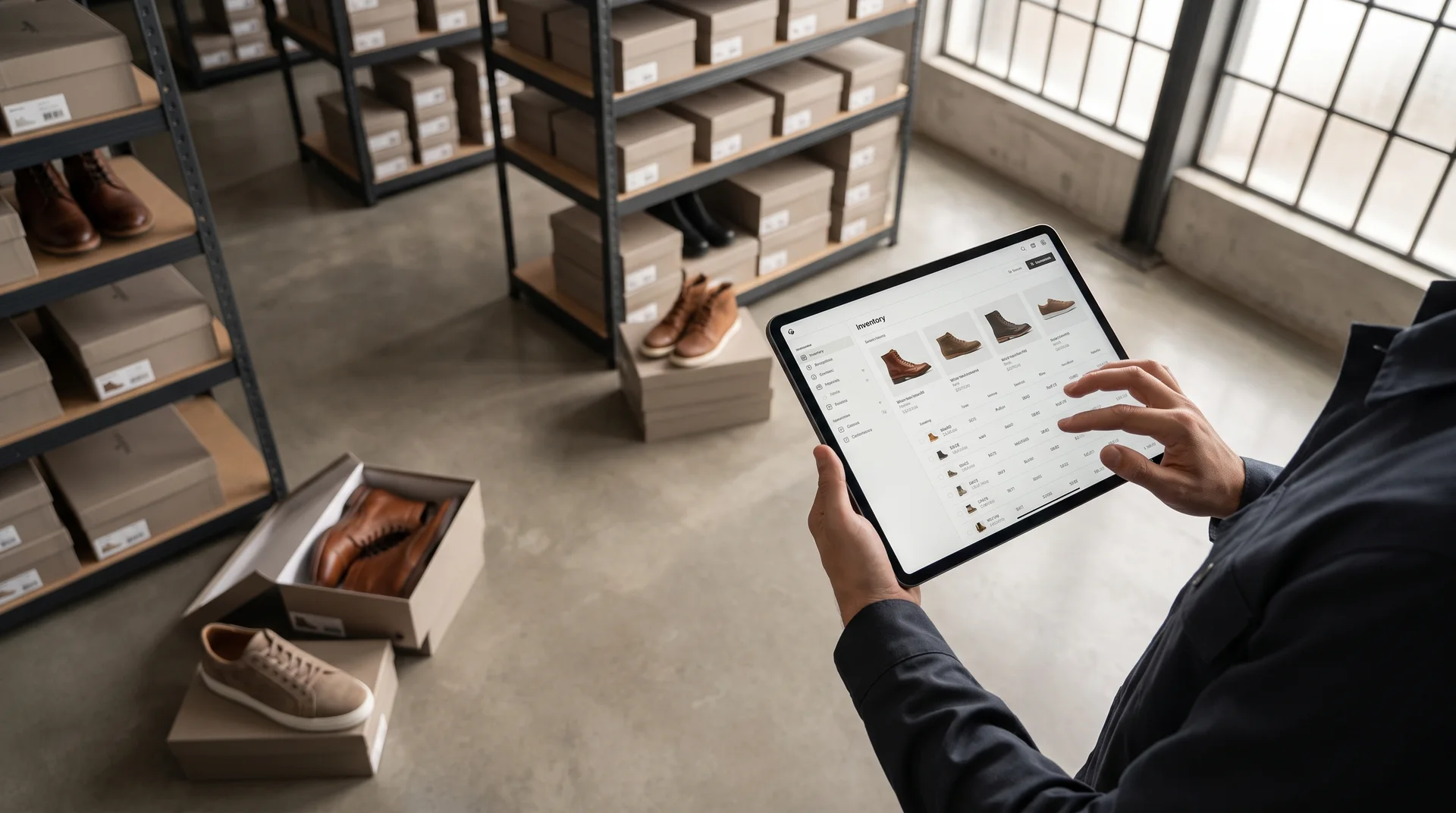
Additionally, training store personnel to enter return, damage, or transfer transactions accurately and promptly into the system is a critical step. Stock accuracy is not only a matter of technology but also a process and discipline issue.
Omnichannel Stock Planning for Footwear Retailers
The footwear sector has unique challenges in stock management due to heavy dependence on size runs and seasonal trends. The omnichannel strategy offers significant opportunities to manage these challenges. With proper planning, both stock costs can be reduced, and sales potential maximized.
Viewing stock across physical and online channels as a whole allows more efficient use of capital. For instance, a slow-selling model in one store can be easily sold online to a customer in another region. This flexibility is the key to increasing stock turnover speed and boosting profitability.
Managing Assortment and Size Distribution Across Channels
Assortment (size run), which includes different sizes of a model, is the basis of wholesale purchasing in footwear. However, sales velocity varies by size. For example, sizes 37-38-39 in women's shoes tend to sell faster, while edge sizes like 35 or 41 move slower. In an omnichannel environment, you can turn this situation to your advantage. By only stocking the best-selling sizes (such as between 36-40) in your physical store, you can efficiently use shelf space. The full size run of the model can be kept in a central warehouse or larger flagship store and offered for online sales.
This strategy reduces inventory investment in your stores and lowers the risk of slow-moving sizes remaining unsold. When a customer cannot find their size in-store, the sales consultant can check the system and offer the option to ship the product from online stock to the customer's address or fetch it from another store. This enhances customer satisfaction and ensures the sale.
Optimizing Seasonal Stock Turnover
End-of-season discounts are a common method in footwear retail for clearing accumulated stock. However, such discounts can negatively impact store image and profit margins. Omnichannel offers smarter ways to manage seasonal stocks. For example, instead of displaying end-of-season products at big discounts in physical stores, you can create a dedicated "outlet" section exclusively on your e-commerce site. This helps maintain the new season perception in your stores.
Another strategy is transferring a men's sports shoe model that is not popular in a certain region to a store where it has higher demand or promoting it online for that region. Using data analysis, you can make such decisions accurately, increasing stock turnover and strengthening cash flow.
Customer-Centric Logistics and Return Processes
The success of the omnichannel experience depends on how smoothly logistics and return processes operate behind the scenes. Flexible delivery and return options offered to customers directly influence purchase decisions and build brand loyalty. These processes should provide customers with control and convenience.
Designing logistics operations to make customers' lives easier will differentiate you from competitors. Options like in-store pickup or returning an online-purchased product to a physical store are no longer luxuries but standard expectations.
Advantages of the Store Pickup (Click & Collect) Model
Store pickup allows customers to receive products they purchased online at the nearest physical store. This model has numerous advantages for both parties. Customers save on shipping fees and the wait time for delivery. For businesses, the greatest advantage is the potential to increase store foot traffic. Customers coming to pick up their product often make additional purchases (cross-sell/up-sell opportunities).
Operationally, this model is also efficient. Sending products collectively to stores instead of individually to customer addresses can reduce logistics costs. For a successful "Click & Collect" system, customers must receive clear information on when their orders will be ready, and store personnel must be well-trained in this process.
Flexible Return Policies: Buy Online, Return In-Store
One of the biggest concerns in online shopping is the inconvenience of the return process if the product does not meet expectations. Offering customers the option to return online purchases at any physical store eliminates this barrier. This flexibility reduces the customer's purchase risk and increases conversion rates.
For this system to work, store staff need access to view online orders in the system and process returns easily. Properly reintegrating returned products into inventory is vital for inventory accuracy. In-store returns also give customers the chance to try different products or sizes, turning returns into new sales opportunities.
Technological Infrastructure and Reliable Wholesale Sourcing
Implementing all these omnichannel strategies requires a solid technological infrastructure and a reliable supply chain. Without the right software and business partners, achieving and maintaining cross-channel integration is nearly impossible. The technology investment varies depending on the size and goals of the business.
Similarly, your supply processes must adapt to this flexible structure. Being able to procure products quickly and reliably is fundamental to synchronized stock management. Any disruption in sourcing can negatively impact your operations across all channels.
Integrated POS and E-Commerce Software
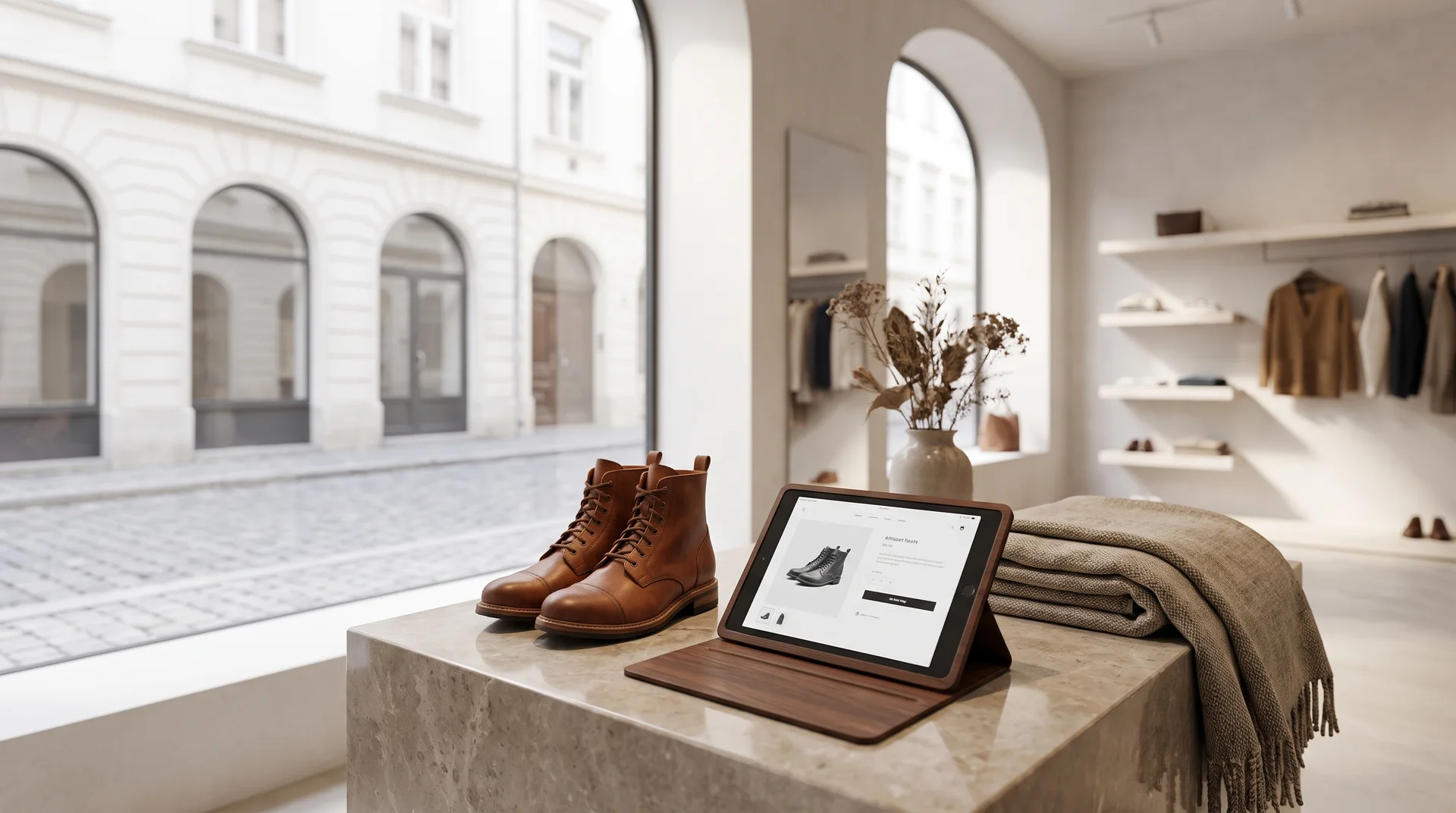
At the center of your business, there should be software that can communicate with all channels. This is usually a cloud-based ERP or inventory management system. Your physical store’s POS system and e-commerce platform must use the same inventory database. This way, stock, customer, and sales data synchronize instantly. Many ready-made software solutions designed especially for SMEs are available in the market to facilitate this integration.
When choosing software, consider how easily it integrates with your existing systems, its scalability, and reporting capabilities. The right technology reduces manual work, saves time, and minimizes errors.
The Role of a Reliable Supply Chain
In an omnichannel setup, you need to replenish stocks quickly. Particularly when a popular model is sold out, fast sourcing becomes critical. Digital wholesale platforms like Bulkoon provide a significant advantage here. Purchasing from a platform listing only ready stock products allows you to replenish inventory immediately without production or waiting times. This guarantees stock continuity for both online and offline channels.
Accessing a wide supplier network and over 10,000 model options in one place makes it easy to find products catering to the demands of different channels. Working with approved suppliers on Bulkoon ensures consistency in product quality and delivery processes, increasing the reliability of your omnichannel operations. This helps you offer customers consistent quality across all channels.
Final Steps for Successful Integration
Integrating e-commerce and physical stores is not a one-time project; it is an ongoing development process. After setting up technology and strategy correctly, focusing on human factors and data analysis is essential for continuous success. Your teams’ adoption of this new way of working and the ongoing improvement of processes are the keys to long-term success.
Because customer expectations and technology constantly evolve, it is crucial that your system is flexible and open to growth. On this journey, you should measure every step taken and optimize your strategy based on results.
Team Training and Adoption of Processes
No matter how advanced the technology is, it remains ineffective if not properly understood and adopted by the teams using it. Your store personnel must be thoroughly trained on managing online orders, store pickup processes, and accepting online returns. They are the most critical touchpoint where the omnichannel experience meets the customer. It is important to instill the vision that they are not just store sales consultants but ambassadors representing all channels of the brand.
Similarly, your e-commerce and customer service teams should be knowledgeable about physical store operations, strengthening cross-channel coordination. Working toward common goals across all teams ensures consistency in the customer experience.
Continuous Improvement and Analysis
To understand how successful your omnichannel strategy is, you must track the right metrics. How much sales come from each channel? How frequently is the store pickup option used? What proportion of online returns are processed in-store? These data reveal which processes work well and where improvements are needed. Just like understanding how Bulkoon works, you should continuously analyze your own operations.
Actively collecting and analyzing customer feedback is also part of this process. Surveys, reviews, and social media interactions are valuable sources for detecting weaknesses in the customer experience. Using this data to continuously optimize your processes will keep you one step ahead in the competition.