"First Step" and "Orthopedic" Concepts in Kids Footwear: Elements of Trust in Sales

Parents' sensitivities in choosing kids footwear place terms like "first step" and "orthopedic" at the center of sales. Discover the technical meanings of these concepts, what to consider in wholesale purchasing, and how to build a trust-based sales strategy in-store.
The first steps taken by children are among the most precious memories in the lives of parents. This deep emotional connection reflects on every purchase parents make for their children, especially the selection of the very first shoes. Labels such as "first step" or "orthopedic" seen on store shelves are powerful marketing tools that touch this sensitive point. However, these terms represent both a major sales opportunity and a serious responsibility for retailers. As a business owner engaged in wholesale purchasing, knowing the technical meanings of these concepts, sourcing the right products, and offering honest guidance to your customers allows you to build the trust that forms the foundation of your brand.
What Is a "First Step Shoe"? Technical Features and Importance
The term "first step shoe" generally refers to footwear specially designed for babies aged 9 to 18 months who are learning to walk. At this stage, babies' feet are still developing; their muscles are weak, bones are soft, and their sense of balance is new. Therefore, the primary goal of first step shoes is not to tightly encase or shape the foot, but rather to support natural foot development by offering an experience closest to barefoot walking.
These shoes are produced with a philosophy completely different from miniature adult shoes. The aim is to provide protection without restricting the foot's contact with the ground or freedom of movement. A good first step shoe should enable the baby to balance, feel their steps, and use their muscles correctly. For this reason, when buying wholesale, it is critical to focus not only on the shoe’s cuteness but also on its functional features.
Foundations of Functional Design
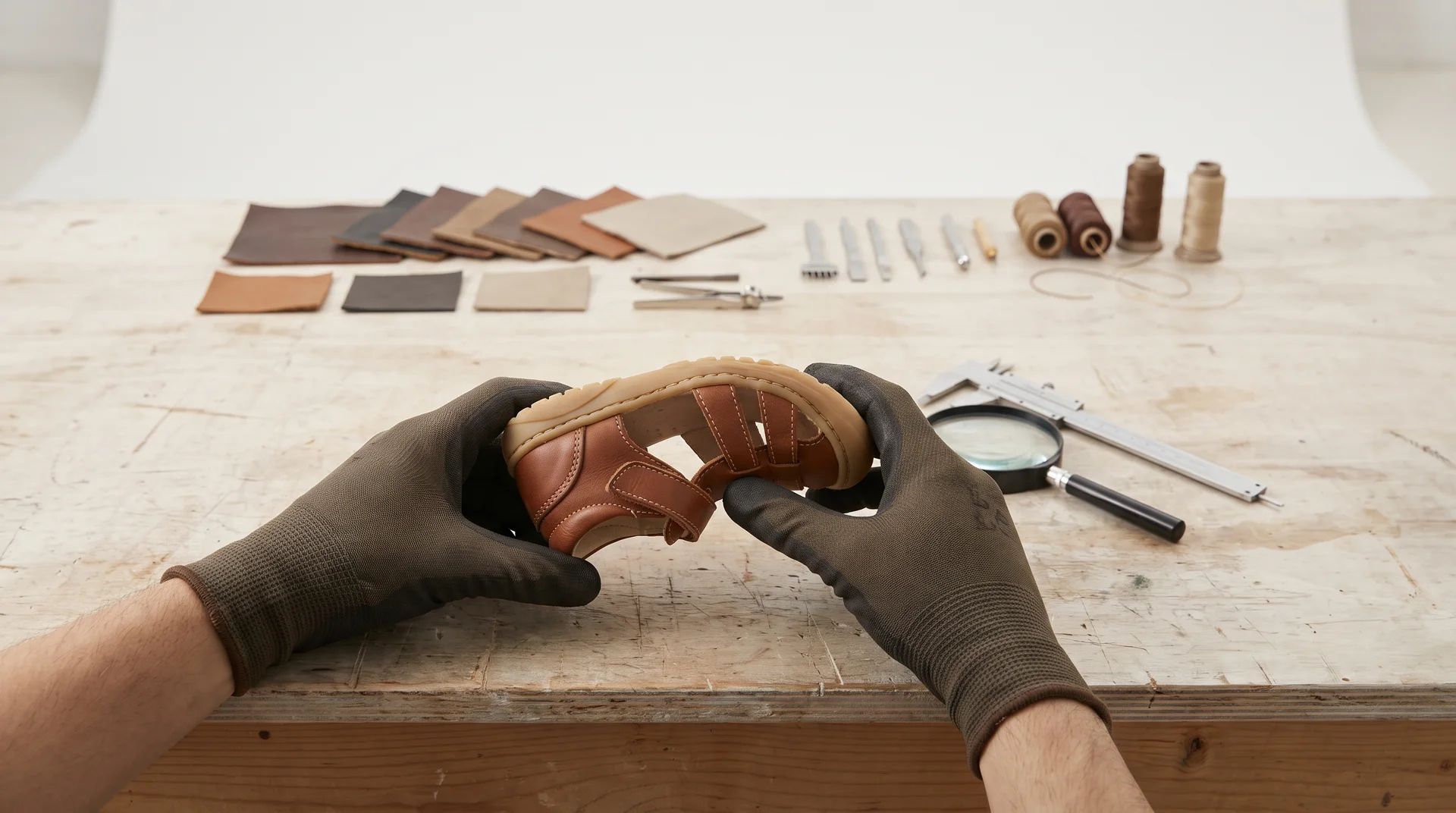
The most distinctive feature of a first step shoe is its flexibility. The sole should be easily bendable to mimic the natural movement of the baby's foot. If you can take the shoe in your hand and easily fold it from the toe and heel toward each other, it is a good sign of flexibility. Additionally, the shoe must be extremely lightweight. A heavy shoe can negatively affect the baby’s walking mechanics, causing fatigue and unnatural steps. A wide toe box is also indispensable because it allows the toes to spread comfortably and grip the ground for balance.
Material Selection and Safety Standards
Babies’ skin is sensitive, and their feet can sweat easily. Therefore, the material used in first step shoes must be breathable. Genuine leather, suede, or high-quality, breathable textiles are ideal choices. Synthetic and non-breathable materials should be avoided. When purchasing wholesale, do not hesitate to ask your supplier about material contents. A reliable supplier should be able to confirm that their products do not contain harmful chemicals such as phthalates or azo dyes. Working with approved suppliers listed on platforms like Bulkoon makes it easier to access products with these quality and safety standards.
The Meaning of the "Orthopedic" Label and Its Misuse
One of the most frequently seen and perhaps most misunderstood terms in the market is "orthopedic shoe." When parents see this label, they tend to assume that the product is the best for their child's foot health. However, using this term requires serious knowledge and honesty. Misuse or exaggeration can completely destroy customer trust in the long term. For this reason, as a retailer, understanding the real meaning behind this concept and conveying accurate information to your customers is vitally important.
Truly orthopedic shoes are medical products specially produced to correct or support a specific foot deformity (such as in-toeing, flat feet, etc.) diagnosed by a doctor. These shoes are typically custom-made and sold with a prescription. Products sold in retail stores do not fall into this category. Clearly making this distinction forms the foundation of your business.
Distinction Between True Orthopedic and Anatomically Supported Shoes
Most shoes labeled as "orthopedic" in retail are actually "anatomic" or "orthopedically supported" products. These shoes are designed to support healthy foot development. They usually have insoles that lightly support the foot arch, a heel cup (fort) that keeps the foot in the correct position, and a flexible structure. The purpose of these products is not to treat an existing problem but to offer a comfortable environment for healthy feet without interfering with their natural development process. Clearly explaining this distinction to customers during sales positions you as a knowledgeable and trustworthy expert.
Errors That Undermine Consumer Trust
One of the biggest mistakes is marketing a stiff, heavy, and inflexible shoe as "fully orthopedic" just because it has a slight arch support inside. Informed parents usually research correct shoe features through pediatricians or the internet. When they realize the product you offer does not deliver the promised benefits, they completely lose trust in your store. This not only causes you to lose a customer but may also deter potential customers through negative reviews. Honesty is your most valuable asset, especially in the children's product category.
Criteria for Selecting the Right Product in Wholesale
The quality and reliability of kids footwear you sell in your store directly depend on the choices made during the wholesale purchase process. Finding the right supplier and evaluating products according to proper criteria lays the foundation of a successful kids footwear section. During this process, you should prioritize the product’s technical features and safety standards rather than just aesthetics and price. Remember, every pair of shoes displayed on your shelves represents your brand’s quality philosophy.
Supplier selection is the most critical step in this process. Work with companies that are transparent about their production processes, materials used, and certifications they hold to minimize your risk. Buying through a reliable platform can simplify this pre-selection process for you and provide access to a wider product range.
Supplier Reliability and Product Certification
Research the background of the supplier you are buying from. Are they specialized in kids footwear production? Can they provide documentation proving that the materials used in their products are safe? Manufacturers exporting to the European market often comply with specific safety and quality standards (e.g., REACH compliance). Asking these details reflects the care and professionalism you demonstrate in your business. Bulkoon’s principle of working exclusively with verified and approved suppliers reduces buyers’ concerns by offering a secure trading environment.
Sole Flexibility and Heel Support Checks
When examining sample products or models in the supplier’s showroom, always perform physical tests. Bend the sole to check its flexibility. Squeeze the heel cup (fort) with your fingers; it should neither be so rigid as to restrict the baby's ankle nor too soft to provide no support. The goal is to gently hold and stabilize the heel. Also, check the shoe’s interior by hand to ensure that the stitching or hard edges do not irritate the baby’s foot. These practical inspections will tell you much more about the product’s quality than catalog photos.
In-Store Product Presentation and Informing Parents
Sourcing the right products is only half of the equation. The other half is presenting these products correctly in your store and providing parents with an informed shopping experience. Your customers, especially first-time parents, need guidance in this area. Positioning yourself not just as someone selling a product but as a consultant helping them make the right decision for their child’s health will set you apart from competitors. This approach leads to long-term customer relationships rather than one-time sales.
Every contact point, from product labels to your sales staff’s conversations, is an opportunity to build this trust. Using simple and honest language that parents can understand, rather than complex technical terms, will make your message more effective. Your store should become not just a place to buy shoes but a center for information on child foot health.
Sales Staff Training
Your team must know the features of the products you sell by heart. They should be able to explain why first step shoes need to be flexible, what benefits an “anatomic insole” provides, and why a wide toe box matters. Regularly provide product training for staff and encourage them to be proactive consultants who offer the right information, not just answer questions. Knowledgeable staff are your store’s most valuable asset.
The Importance of Labeling and Product Descriptions
The language you use when displaying your products on shelves is crucial. Instead of vague and potentially misleading terms like "orthopedic," use expressions that emphasize the product’s real benefits, such as "Flexible Sole First Step Shoe," "Supports Natural Walking," or "Anatomic Insole Included." Maintain this transparency also in your e-commerce product descriptions. Clearly state the materials used, sole features, and the ideal age group. You can see how much importance Bulkoon places on product details and transparent information by reviewing how it works.
Stock and Size Management in Kids Footwear Category
Kids footwear, especially in the first step category, presents unique challenges in stock management. Children’s feet grow very fast, meaning that a particular size stays on shelves for a short time. This dynamic market requires wholesale buyers to plan the correct size distribution (assortment) and closely monitor stock turnover rates. Poor planning can leave you at the end of the season with unsellable small or very large sizes.
To succeed in this category, adopt a proactive rather than reactive stock management strategy. Analyze your sales data to identify which sizes sell faster and tailor your purchases accordingly. Digital wholesale platforms can provide you with the flexibility and speed needed for this.
Size Distribution in First Step Series (Assortment)
Size distribution (assortment) planning plays a critical role in baby and first step shoes, typically ranging from sizes 18 to 24. In these series, sizes such as 19, 20, and 21 are usually the most popular. When buying wholesale, instead of taking a standard size run, you can negotiate with your supplier to create a special assortment with more units of these popular sizes. This strategy prevents running out of best-selling sizes and reduces the stock cost of slower-moving sizes. This approach is particularly effective for categories like infant footwear or kids footwear.
Seasonal Changes and Stock Turnover Speed
Although basic first step shoe models sell year-round, seasonal products such as summer sandals or winter boots are also available. Stock turnover is even more important for these products. Carrying over stock from one season to the next creates storage costs and ties up your capital. Therefore, placing smaller but more frequent orders for seasonal products can be more sensible. All products offered on Bulkoon are ready stock, allowing buyers to quickly place orders as needed and manage inventory according to real-time demand.
Building Trust: The Key to Long-Term Customer Relationships
Success in kids footwear retailing means more than just selling the right products. The foundation of success lies in the trust parents have in you and the products you offer. This trust is built through honest communication, transparent information, and a focus on customer satisfaction. When a parent confidently buys their child’s first shoes from your store, there is potential for them to remain a loyal customer as their child grows. Therefore, every sale should be viewed as an investment in trust that lays the groundwork for future sales.
Building this trust requires consistent integrity across all areas of your store, beyond marketing promises. Standing behind the products you sell, listening to customer feedback, and always providing accurate information strengthens your brand’s reputation.
Transparency and Accurate Information
Always be open with your customers. Instead of exaggerating product features, communicate the real benefits. For example, rather than claiming"This shoe corrects flat feet," use a responsible and accurate statement like "This shoe helps healthy development of the foot arch with its anatomic insole support." This honest approach makes you a reliable source in customers’ eyes. Remember, parents talk to each other, and a positive shopping experience is the most effective advertisement.
Evaluating Feedback
Actively request feedback from your customers. Are they satisfied with the shoes they purchased? Were their children able to wear the shoes comfortably? Did they experience any problems? This feedback is an invaluable data source for your future wholesale purchasing decisions. It helps you understand which models are preferred, which brands are more durable, and which features your customers value more. Showing that you listen to your customers proves you value them and strengthens the bond between you.