How to Sell Shoes Online?
Success in online shoe sales depends on the right product selection, reliable supply chain, profitability-focused inventory management, and effective marketing strategies. This guide explains step by step how wholesalers and retailers can optimize their e-commerce operations.
Online shoe sales, when implemented with the right strategies, offer a significant growth channel for retailers. However, succeeding in this dynamic market requires much more than just setting up a website. Success is built on an integrated approach encompassing strategic product sourcing, operational efficiency, quality digital storefronts, and customer relationship management. This guide covers the essential steps and professional tips that wholesale buyers and retailers need to transform their online shoe sales operations into a profitable model.
Strategic Product Selection and Market Analysis: The Foundation of the Digital Storefront
The first and most critical step in online sales is building the right product portfolio that aligns with your target audience’s expectations. Unlike a physical store, every model displayed in your digital storefront directly reflects your brand identity and market positioning. Therefore, product selection must be a conscious process based on data and market analysis.
Platforms like Bulkoon, offering over 10,000 model options, provide a valuable resource to keep your finger on the market pulse and discover collections that cater to different customer segments. This variety enables you to capture mainstream trends while finding niche products that differentiate you from competitors. A successful assortment should consist not only of popular models but also unique pieces that tell your brand's story.
Reading Trends and Exploring Niche Markets
Shoe fashion continually evolves. Seasonal colors, popular silhouettes, and material preferences directly influence consumer demand. Following macro trends such as the rise of sneaker culture, increasing interest in sustainable and vegan materials, or comfort-focused ergonomic designs helps you steer your inventory correctly. For example, targeting a particular style (such as only women's heels) or a niche market addressing a specific need (like wide-fit shoes) can accelerate your brand awareness.
Material Quality and Supplier Reliability
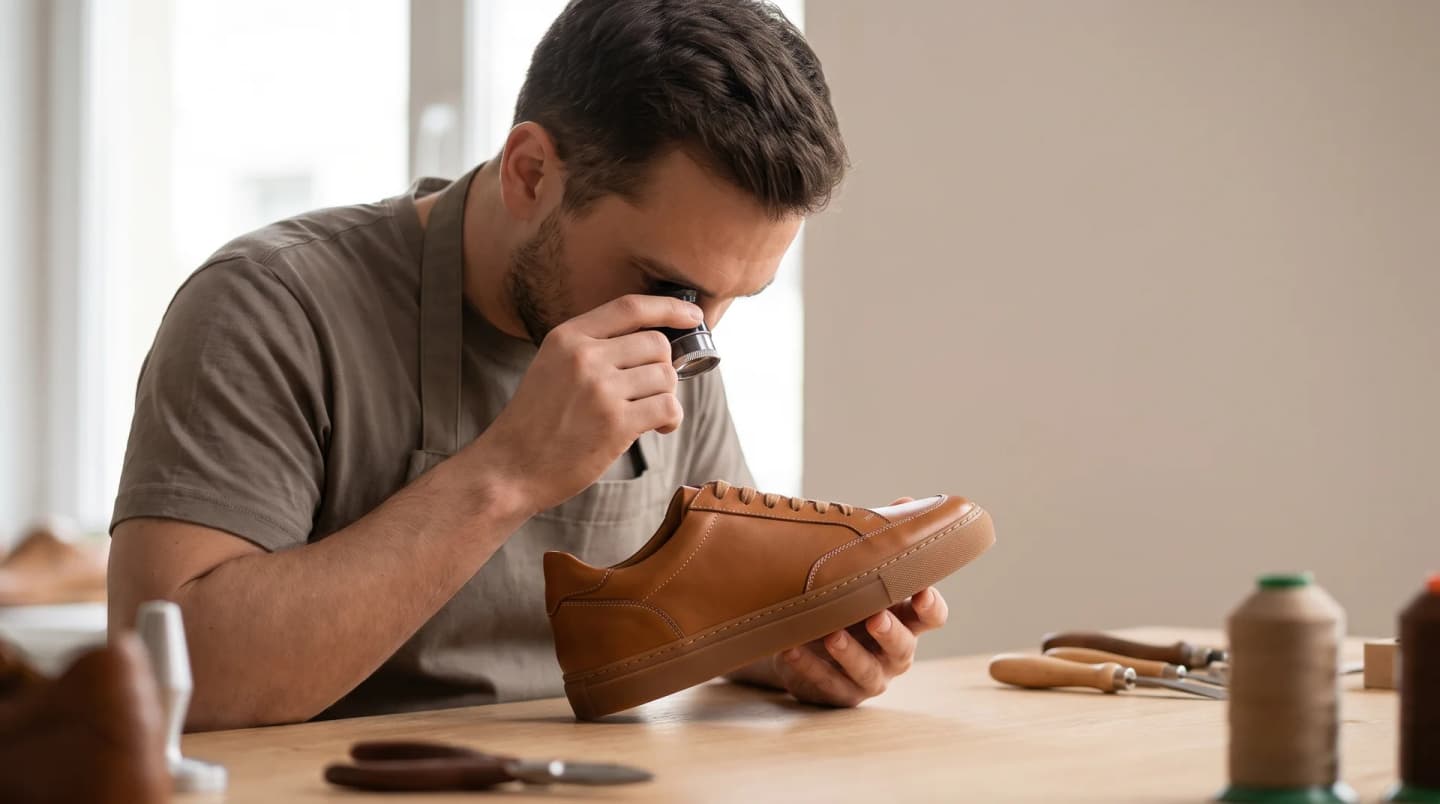
In online shopping, customers cannot touch or try the product. Hence, the perception of quality relies entirely on visuals, videos, and product descriptions. The material quality, stitching craftsmanship, and durability of the shoes you supply form the foundation of your brand reputation. Low-quality products lead to high return rates, negative reviews, and customer loss. To minimize this risk, working only with approved suppliers, such as those on Bulkoon, ensures predictability in product quality and supply processes. A reliable supplier also means accurate and consistent information flow for product descriptions and visuals.
Supply Chain and Inventory Management: The Backbone of E-commerce
An effective online sales operation depends on a smoothly functioning supply chain and inventory management system in the background. The ability to fulfill customer orders accurately and on time is the most crucial factor for customer satisfaction and repeat purchase rates. Disruptions in supply processes directly cause sales losses and reputational damage.
Strong relationships with the right suppliers are the cornerstone of this process. Trustworthy partners providing pricing advantages, product continuity, and flexibility minimize operational risks. Digital B2B platforms simplify this process by offering access to hundreds of manufacturers through a single interface and providing buyers with a wider selection pool.
The Importance of Working with the Right Wholesale Suppliers
The relationship with wholesale shoe suppliers is more than a simple transaction. A good supplier can inform you about market trends, assist with stock planning, and offer flexible solutions for special requests. When selecting suppliers, don’t focus solely on price; consider delivery times, minimum order quantities (MOQs), return policies, and communication quality. This approach ensures a healthier and more profitable partnership in the long run.
Logistics and Order Fulfillment Processes
All logistics steps from order receipt to customer delivery must operate flawlessly. Warehouse management, proper packaging, contracting with a reliable shipping company, and providing customers with tracking numbers are standards of a professional operation. Planning with foresight to avoid disruptions during busy seasons or promotional periods is key to maintaining customer satisfaction. Fast and transparent shipping processes strengthen customer trust in your brand.
Profit-Focused Inventory Planning: Correct Assortment and Seasonal Management
One of the most important factors determining profitability in online shoe sales is inventory management. Every unsold pair ties up capital and incurs storage costs. Therefore, inventory planning means not just having enough products but having the right products at the right time.
This process requires analyzing past sales data, forecasting market trends, and carefully managing cash flow. Inventory optimization becomes even more critical for products like shoes with various sizes and colors. Platforms like Bulkoon offering only ready stock models allow retailers to replenish their inventory quickly according to demand without waiting for long production lead times.

Key Points of Assortment and Size Distribution
In wholesale footwear, "assortment" or "size run" refers to a standard package containing different sizes of a single model (for example, women’s shoes typically range from sizes 36 to 40). In online sales, focusing on the best-selling sizes instead of the entire size run can increase profitability. For example, sizes 37 and 38 typically sell faster, while sizes like 36 or 40 may remain in stock longer. Analyzing your sales data to determine the most suitable size distribution for your customer profile reduces the risk of "dead stock." Hypothetically, a retailer can improve stock efficiency by ordering special assortments containing more quantities of best-selling sizes instead of standard size runs.
Seasonal Stock Turnover and Cash Flow
Stock turnover rate is a critical metric showing how often your inventory is sold and replenished within a specific period. High turnover means more efficient use of capital and strong product demand. Supplying seasonal products such as flat sandals in summer and boots in winter at the right time and selling them before season ends keeps your cash flow healthy. End-of-season sales are effective tools to clear slow-moving stock but should be used strategically since discounts reduce profit margins. The goal is to maximize sales within the season through proper pricing.
Digital Storefront Elevating Customer Experience
Your digital storefront, meaning your website or marketplace store, is where customers first interact with your products and it directly influences their purchase decisions. A professional, user-friendly, and trustworthy digital experience can make even the best product more appealing. The foundation of this experience is high-quality visuals and detailed product information.
Customers want to see the shoe’s texture, color, fit, and every detail. Presentations that fail to meet these expectations cause hesitation and site abandonment. Investing in this area directly impacts conversion rates.
Professional Product Images and Videos
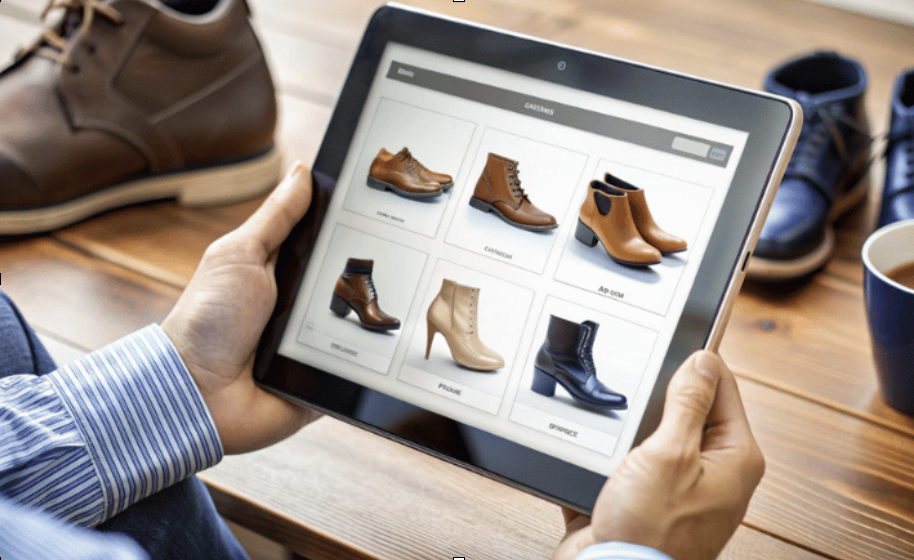
High-resolution photos taken from various angles (front, side, back, top, and sole) on a white or clean background are a standard. Model photos showing how the shoe fits on the foot or 360-degree rotating images elevate customer experience. Additionally, short product videos demonstrating the shoe’s flexibility, material, and walking posture significantly facilitate purchase decisions. Bulkoon features videos on some products, demonstrating the effectiveness of this approach.
Persuasive and Detailed Product Descriptions
Product descriptions are as important as visuals. All technical details such as the shoe’s material (genuine leather, suede, vegan leather, etc.), lining, sole material, heel height, fit information (narrow fit, true to size, etc.), and usage purpose must be fully specified. Offering a brand-specific size chart that helps customers choose the correct size reduces one of the most common return reasons: ordering the wrong size. Descriptions should not only inform but also use persuasive language focusing on the product’s benefits and style.
Effective Marketing and Customer Relationship Management
No matter how well you source products and build an excellent online store, you cannot make sales without reaching your target audience. Effective digital marketing strategies are essential to attract potential customers to your digital storefront and increase brand awareness. Marketing is not only about acquiring new customers but also building strong bonds and loyalty with existing ones.
A successful marketing plan delivers consistent and engaging messages to your target audience by combining different channels. This process requires continuous analysis and optimization.
Digital Channels to Reach Your Target Audience
Focus your marketing efforts on the digital channels where your target audience spends the most time. Visual-focused advertising campaigns on social media platforms (Instagram, Facebook, TikTok), search engine optimization (SEO) to rank high for terms like "men’s casual shoes", e-mail marketing offering exclusive discounts, and influencer collaborations are effective methods to increase your brand’s visibility. Regularly measure each channel’s performance to use your budget most efficiently.
Customer Satisfaction and Loyalty Building
The cost of acquiring a new customer is much higher than retaining an existing one. Therefore, investing in after-sales customer service is critical. Easy and transparent return/exchange processes, prompt and solution-oriented responses to customer inquiries, and taking feedback into account increase customer satisfaction. Satisfied customers become your brand’s best advocates and help you acquire new customers through positive reviews. Loyalty programs or special discounts encourage repeat purchases.

Conclusion: An Integrated Approach for Sustainable Success
Sustainable success in online shoe sales depends on multiple dynamics working in harmony, rather than a single factor. The journey begins with sourcing the right product from the right supplier and continues through data-driven inventory management, flawless digital storefront experience, and goal-oriented marketing strategies. Each step is a link in a chain that affects the others.
In this process, digital wholesale platforms like Bulkoon greatly simplify the critical parts of procurement and product discovery for retailers. The "Discover, Review and Order" workflow enables businesses to save time and costs, focus on operational efficiency, and better serve their customers. Ultimately, those who stand out in the competition will be the businesses that adopt this integrated approach and aim to exceed customer expectations at every step.