You might also like

 7 colors
More Color Options
 3 colors
More Color Options
 5 colors
More Color Options
 5 colors
More Color Options
 5 colors
More Color Options
 4 colors
More Color Options

 3 colors
More Color Options

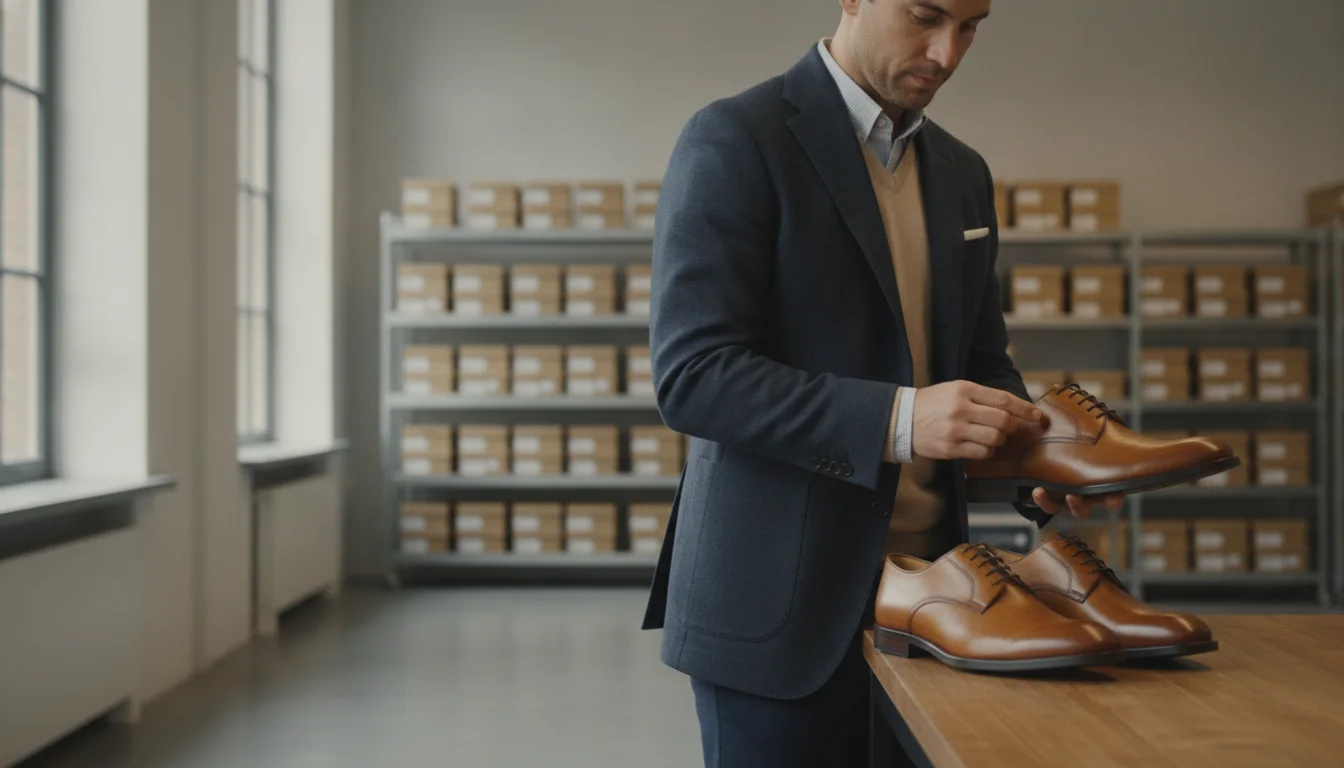
Starting work with a new shoe supplier by placing a small initial order allows you to test product quality, sizing, packaging, and logistics performance without taking unnecessary risks.
One of the most critical factors determining store profitability in wholesale footwear trade is the quality and reliability of the supplier network. A common mistake when adding a new manufacturer or wholesaler to the portfolio is placing large initial orders based solely on catalog images or promised price advantages. Committing significant capital to a single order without physically inspecting the product, verifying size fittings, and assessing the supplier's shipping discipline can lead to costly and difficult-to-remedy inventory losses. Therefore, structuring the first order as a test mechanism when starting trade with a new manufacturer or supplier is the most rational way to protect working capital.
Catalog photos or digital samples may not always provide accurate information regarding the shoe's material composition, upper (saya) stitching precision, or outsole bonding quality. The initial test order gives you the opportunity to physically verify the manufacturer's production standards. This is especially important for segments that do not tolerate the slightest aesthetic defects, such as wholesale women's footwear, where every detail-from lining craftsmanship to heel balance-directly affects customer satisfaction.
One of the most frequent reasons for returns in shoe retailing is size patterns that deviate from the standard. A series manufactured with narrow or wide cuts results in complaints related to size incompatibility in your store. By ordering a small series, you can test the shoe’s conformity to real foot measurements within your store.
When the test order arrives, you should examine the upper material, the flexibility of the leather or synthetic fabric, and stitch density. It should be checked whether there is any risk of adhesive overflow or separation at outsole joint points. Quality workmanship prevents the shoe from deforming during shelf life.
The sizing molds used by manufacturers can vary from one producer to another. You should conduct physical trials to determine if the ordered models provide standard size equivalencies. A series with poor fitting molds will result in unsold, idle stock accumulating in your store.
Takeaway: The first order clearly reveals the differences between catalog images and the physical product. Large-volume orders placed without assurance of product quality directly lead to customer returns and revenue loss.
7 colorsMore Color Options
3 colorsMore Color Options
5 colorsMore Color Options
5 colorsMore Color Options
5 colorsMore Color Options
4 colorsMore Color Options
3 colorsMore Color Options
In wholesale footwear purchasing, not only the product quality but also the supplier’s operational strength is crucial. The time taken for order confirmation, box quality, and adherence to committed delivery schedules directly affect your store’s sales planning. Particularly for high-turnover items like wholesale men's sports shoes, delayed shipments directly result in customer loss.
The first order also allows you to observe the supplier's packaging standards. Boxes crushed during transportation or shoes shipped without suitable packaging lose shelf value upon arrival at your store. The care demonstrated by the supplier during logistics is a clear indicator of business discipline.
Shoe box durability should provide protection against shocks during cargo or transportation. Crushed boxes reduce product perception in the eyes of customers. Additionally, accurate size and color labels on the box speed up your warehouse acceptance process.
The time from order placement to warehouse delivery must be closely monitored. Transparency in cargo tracking and proactive communication in case of any issues are decisive criteria for a long-term business partnership.
Takeaway: Suppliers honoring committed delivery times are critical to timely renewal of your display. Detecting logistics issues in the initial small order prevents major crises.
Instead of random checks when the first package from a new supplier is opened, a systematic control list should be applied. This list helps objectively evaluate whether the supplier can consistently deliver quality. A thorough acceptance inspection for wholesale women's ballet flats to be placed at the start of the season prevents potential waves of returns.
The checklist below should be applied step-by-step when the test order arrives at the warehouse:
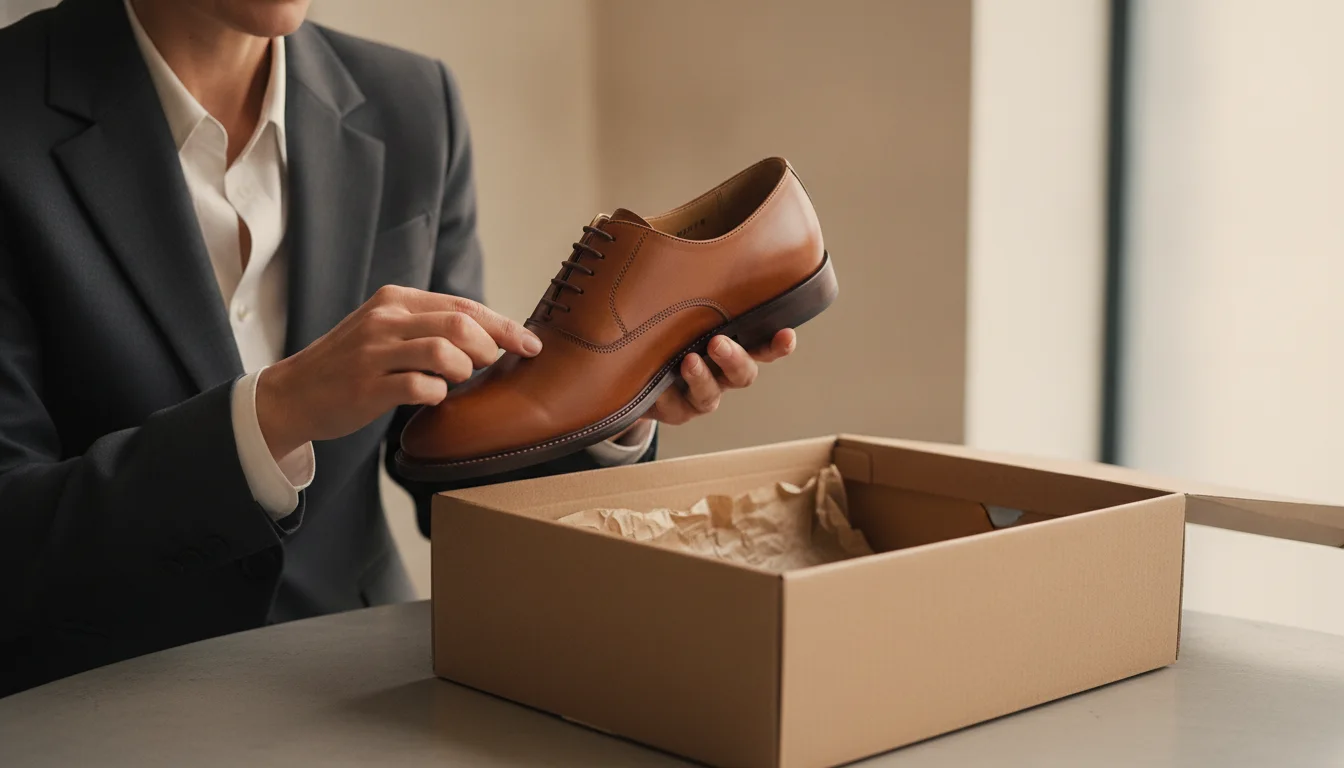
Box and Packaging Condition: Check if transport cartons are torn or deformed and whether inner boxes have arrived undamaged.
Assortment and Size Distribution: Verify strict compliance with the ordered assortment composition (e.g., size range from 36 to 40).
Material and Color Consistency: Inspect for color tone differences between left and right shoes, upper stains, or outsole symmetry.
Label and Barcode Accuracy: Ensure that size, color, and model codes on the boxes exactly match the contents.
Examine the flexibility of the shoes, stitch finishing points, and adhesion quality of the insole padding. Equal measurements and symmetrical production of left and right shoes are fundamental quality control steps.
Mistakes such as incorrect size placement or missing pairs are frequently encountered operational errors in wholesale packages. The content of the carton should be counted one by one to measure the supplier's packaging accuracy.
Takeaway: A step-by-step checklist transforms supplier evaluation from emotional decisions into objective data. Catching shipping errors in the first batch protects your capital.
Success in wholesale footwear purchasing depends not only on buying the right product but also on maintaining the right stock quantity. Tying up large capital with the wrong supplier slows your stock turnover and can cause liquidity problems in your store. It is essential to place small orders in new model trials to assess assortment performance and customer demand.
The small order strategy preserves cash flow and provides flexibility to invest in various trends and models. As market demand clarifies, order quantities can be confidently increased for proven sellers.
Size consumption behavior varies by region and customer segment. Standard assortment packages should be preferred for test orders to observe which sizes sell out faster. Size depth can be adjusted in subsequent orders based on sales data.
The sell-through rate of the initial test batch should be monitored. When weekly sales data signals positively, higher volume and more cost-effective follow-up orders can be placed with the respective supplier.
Takeaway: Instead of tying store capital to a single supplier, measuring demand through test orders is the healthiest stock management method. As real sales data arrives, order volumes are safely scaled up.
Previously, discovering new manufacturers in traditional wholesale footwear required out-of-town business trips, hotel stays, and transportation expenses. Today, digital B2B marketplaces provide access to hundreds of suppliers’ catalogs with a single click. Verified manufacturers listed on the platform significantly reduce operational risks in test orders.
The Bulkoon platform features over 100 approved suppliers and more than 10,000 model options, enabling stores to try new models without risk. Thanks to the ready stock only principle, orders are quickly dispatched with free shipping available across all 81 provinces of Turkey. Financial conveniences such as 3 or 6 installments without added cost provide capital flexibility in trial orders. To explore the wholesale purchasing process step-by-step and learn about the platform's assurances, you can visit the How It Works page.
Purchasing directly from ready stock without awaiting production shortens the time test orders take to reach your store. Working with verified manufacturers minimizes the risk of poor quality or incomplete shipments.
Installment options on credit cards and shipping advantages ease the financial burden of first orders. Cost-free and fast sourcing ability makes testing new product groups easier.
Takeaway: Digital B2B marketplaces allow you to place small trial orders without physical travel expenses. Working with verified manufacturers minimizes operational risks from the start.
Deepening relationships with a supplier that successfully passes the first order test is a strategic step for commercial sustainability. If promised quality, on-time delivery, and accurate packaging are maintained in the initial batch, subsequent orders can increase volume to request unit cost advantages.

If significant quality defects, incorrect size shipments, or missing cartons occur in the trial order, you can cease working with that supplier without risking the majority of your capital. To keep up with industry developments and supply strategies, you can optimize your store’s purchasing processes by browsing other articles under our wholesale footwear tips category.
Long-term planning should be done with manufacturers who pass the testing phase. Annual or seasonal order volumes can be committed to, allowing special pricing and discount opportunities.
The greatest advantage of the small order strategy is the ability to withdraw without financial loss from a failed supplier test. Problematic suppliers are eliminated, allowing focus on quality manufacturers.
Takeaway: Using the trial order as a filtering mechanism strengthens your long-term supplier portfolio. Sustainable trade partnerships are established with suppliers who pass the test.
Information in this article draws on the following sources.
Explore the critical role of packaging quality in footwear retail on customer satisfaction, return costs, and brand image. Economic and protective packaging solutions for boutiques.

Focusing solely on unit price in wholesale footwear purchasing can reduce long-term profitability. Discover critical criteria such as quality consistency, stock accuracy, and assortment structure.

Explore the physical product defects, sizing and material mismatches behind high return rates in footwear retail, and operational solutions to reduce returns.