How to Inspect Product Quality When Buying Footwear Wholesale
Evaluating product quality in wholesale footwear purchasing requires much more than assessing appearance alone. Critical checkpoints such as stitching regularity, gluing craftsmanship, sole flexibility, inner lining, heel balance, and material consistency directly impact your profitability and customer satisfaction. This guide explains step-by-step how to professionally inspect your samples and orders.
When buying footwear wholesale, how attractive a model looks in the display or photo often reflects only a small portion of its overall quality. What truly matters for a successful retailer is the comfort the customer feels when wearing the shoe, its durability, and the trust they develop in your brand. Building this trust begins with correctly analyzing the quality of the products you source. Quality control is not simply about searching for obvious defects but also about understanding how well the product’s promised value aligns with the targeted price segment and customer base. A professional buyer goes beyond aesthetics to examine the shoe’s structural integrity, material features, and workmanship details.
Beyond Visual Evaluation: Key Points to Notice at First Glance
When you first hold a pair of shoes, the initial impression is important, but this must be turned into a systematic inspection. The shoe’s overall shape, color vibrancy, and surface texture provide initial clues. However, rushing this stage can cause you to miss hidden defects that may later result in customer returns or unsold inventory. Therefore, it is best to consider this first visual evaluation as the starting point for a deeper analysis.
This initial check serves as a preliminary screening. If a pair fails basic visual tests like symmetry, form, or color consistency, there may be no need to invest time in more detailed technical inspections. Especially when purchasing large lots, this quick but effective pre-check saves time and resources. Detailed photos and product videos offered by platforms like Bulkoon enable you to perform this initial evaluation before physical samples arrive.
Symmetry and Form Consistency
The right and left shoe should be complete mirror images. Place the pair side by side, comparing the height, width, and overall shape of the toe (forepart) and heel areas. Mold inconsistencies or assembly errors usually manifest as asymmetry. For example, if one toe is blunter or more pointed than the other, this may signal a standardization issue in mass production. Also ensure that shoelace eyelets are aligned at the same height and in equal numbers.
Color Consistency and Surface Material
Exact color tone matching on both shoes is a critical detail. This is especially important for delicate materials like suede or nubuck, or models combining different materials (for example, a men’s sport shoe with leather and textile components). Examine the shoe under different light sources to check for color variations. Inspect carefully for scratches, stains, glue marks, or bulges on the surface. Such defects harm aesthetics and may indicate careless handling during storage or production.
The Shoe’s Skeleton: Structural Quality Control Points
The durability and longevity of a shoe directly depend on its structural integrity. A shoe that looks excellent externally but has weak stitching or low-quality adhesives can deform quickly, resulting in customer dissatisfaction and damage to brand image. Structural quality control aims to determine how solidly and carefully the key components forming the shoe’s frame are assembled.
These inspections help estimate how much pressure and strain the shoe will endure during use. The junctions where the sole connects to the vamp bear the highest loads. Therefore, the quality of stitching and gluing work determines product lifespan. Production defects are often hidden at these connection points.
Stitching Arrangement and Density
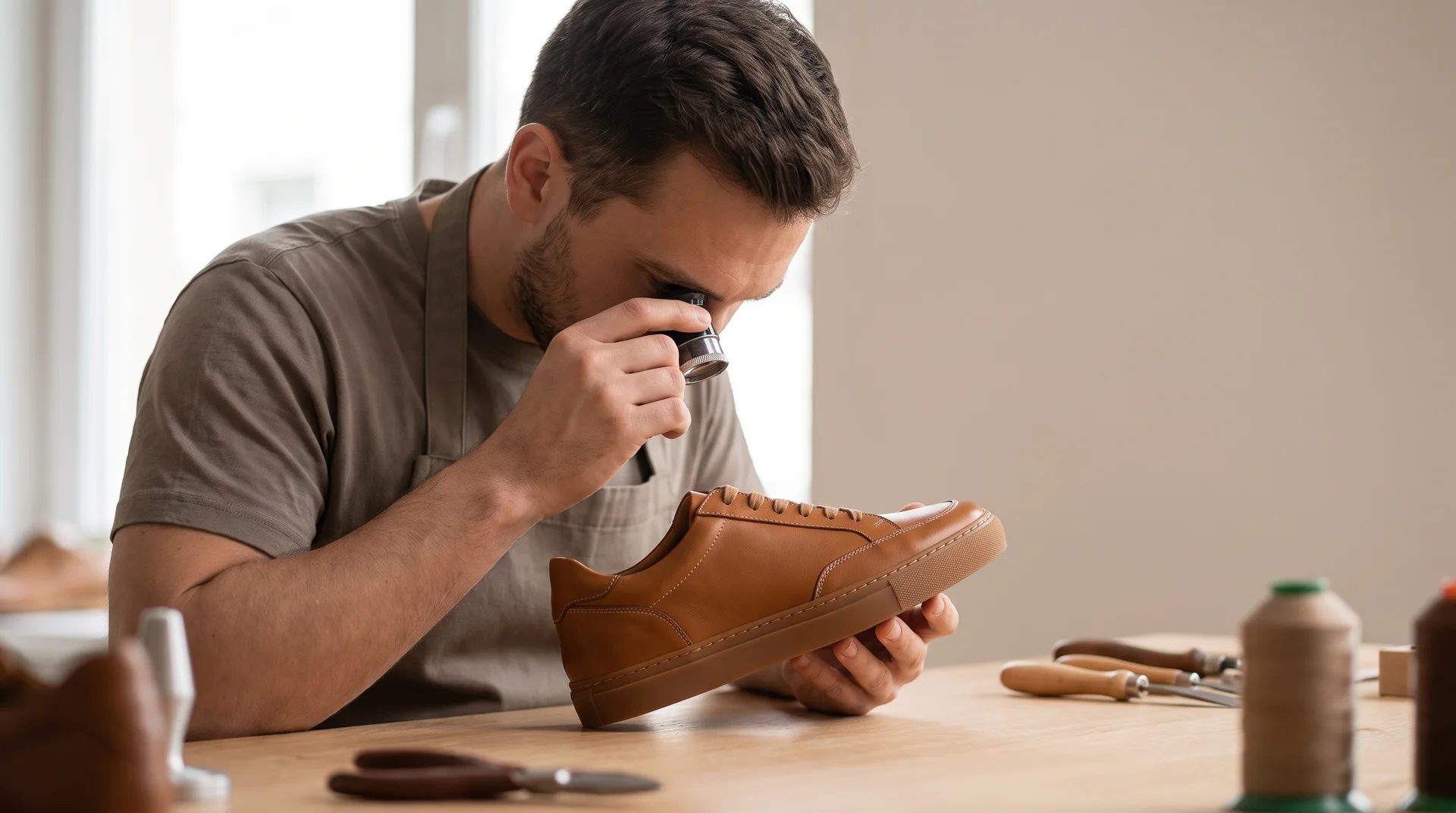
Carefully examine the stitches holding together the vamp pieces. Stitch lengths must be evenly spaced, neat, and taut. Skipped, loose, or double stitches indicate production line issues or craftsmanship weaknesses. The quality of sewing thread is also important; synthetic and waxed threads are generally more durable. Ensure stitches are firmly locked at start and end points with no excessive loose threads. In high-tension areas (such as eyelets), stitches should be denser and stronger.
Gluing Workmanship and Residue Checks
In modern footwear manufacturing, gluing is as crucial a joining method as stitching. Inspect the adhesive line between the sole and vamp. There should be no gaps, bubbling, or separation. Test the glue strength by gently pressing with your finger. Also, check for glue residue on the vamp or sole edges. Such residue is not only aesthetically unpleasant but also indicates carelessness in production. Quality manufacturing features clean, nearly invisible gluing lines.

The Foundation of Comfort and Durability: Sole and Inner Lining Inspection
One of the main reasons customers repurchase footwear is the comfort it provides. Comfort largely depends on the sole’s structure and flexibility and the inner lining’s quality. As a buyer, focus not only on the sole’s design but also on its functional attributes. Inspecting the shoe’s interior is often neglected but reveals important quality information.
The sole and inner lining are critical components contacting the ground and supporting body weight. Material choice and craftsmanship quality in these parts directly affect ergonomics and durability. A poor-quality sole or lining can ruin even the most attractive design. Therefore, this analysis is an indispensable part of quality control.
Sole Flexibility and Material Type
Hold the shoe and bend it from the toe area to test sole flexibility. The sole should bend easily at the ball of the foot, mimicking a natural walking motion. A sole that is too stiff harms walking comfort; a sole that is overly flexible may not offer sufficient foot support. Consider the sole’s material (such as rubber, polyurethane, EVA, thermoplastic). Its surface should be free of cracks, fading, or mold marks. Sole technology and materials are especially important for performance-focused products like women’s sport shoes.
Inner Lining (Mostra) and Heel Support (Fort)
Insert your hand inside to check the inner lining quality (mostra or insole). The lining, as the surface directly contacting the foot, should be soft, breathable, and moisture-wicking. Ensure it is fully glued to the sole without folds or bulges. Squeeze the firm heel support (fort) inside the heel area. The fort should firmly hold the heel but not be uncomfortably stiff. A weak fort causes the heel back to crush and lose form quickly.
Functional Tests and Often Overlooked Details
Quality control is not just static inspection. To understand how the shoe performs under real conditions, simple functional tests are necessary. These tests reveal hidden details ranging from balance on flat surfaces to chemical residues. Often overlooked small details significantly affect customer experience.
Features such as heel balance, odor, or zipper functionality may seem trivial initially. However, a customer will immediately return a shoe with a wobbling heel or unpleasant chemical smell. Therefore, a comprehensive inspection should include these functional and sensory checks. These steps confirm the product is not only visually appealing but also fit for purpose and safe.
Heel Balance and Ground Contact
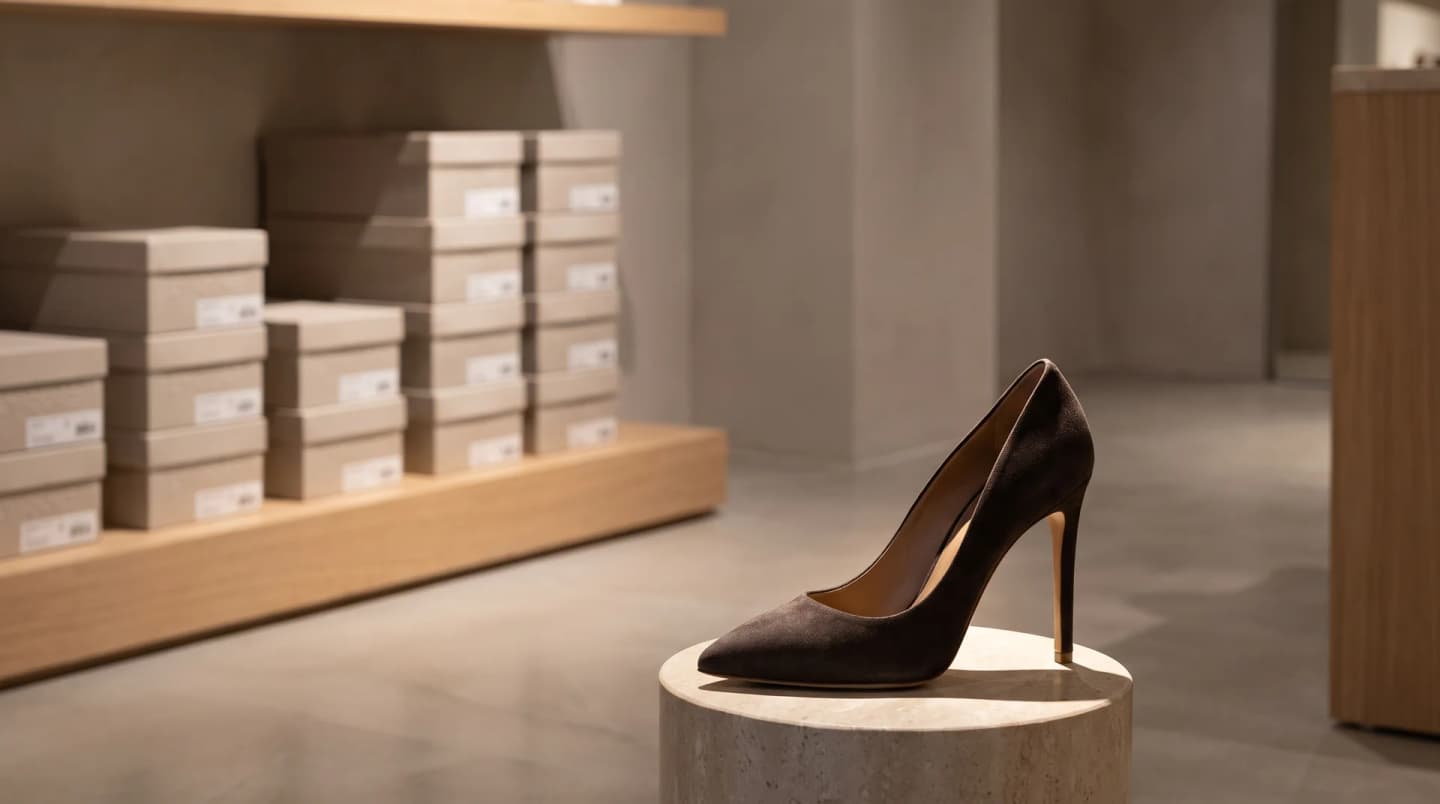
This test is especially critical for women’s stilettos or heeled shoes. Place the pair on a flat surface (table or floor) and gently push. The shoes must not wobble and should sit firmly. The heel must be perfectly vertical, neither tilting inward nor outward. An unbalanced heel complicates walking and creates a safety risk. For flat shoes, verify the sole fully contacts the ground without midsole gaps or arching.
Odor and Chemical Residue Test
Hold the shoe close and smell it. A strong, sharp, unpleasant chemical odor usually signals use of low-quality adhesives or synthetic materials. Such odors are off-putting to customers and may warn about potentially hazardous chemicals. A quality product should have a neutral or mild pleasant smell-like natural leather. This simple test provides valuable insight into material quality.
Strategic Approach to Sample and Order Inspection
Quality control in wholesale purchasing should not rely on a single sample. You need a strategic approach to assess production consistency. Inspecting your first sample or trial order provides crucial foresight into future larger orders. Managing this process properly minimizes risks.
Also, remember quality is relative. Evaluate it in the context of price and market segment. Expecting premium brand standards from a very low-priced product is unrealistic. The goal is to achieve consistent quality matching your price and customer expectations.
Size Run Inspection Instead of Random Pair Sampling
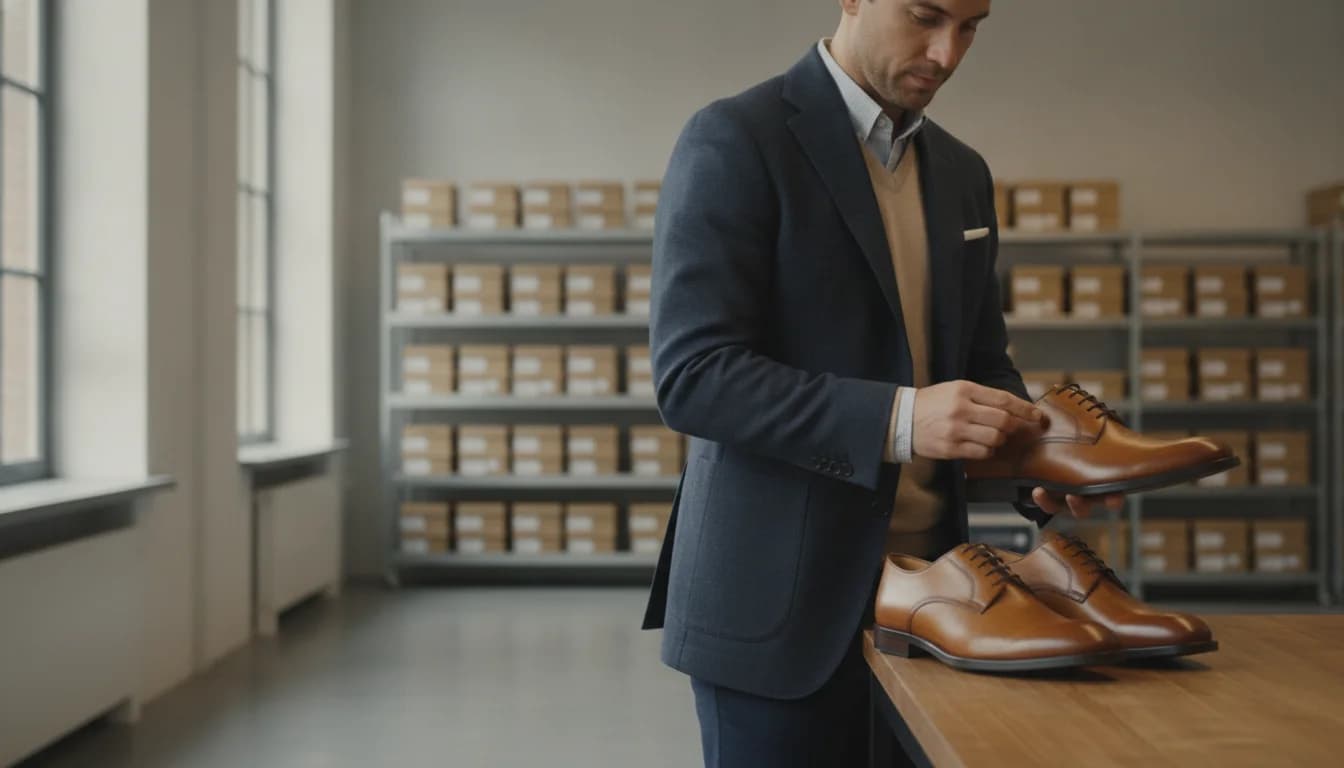
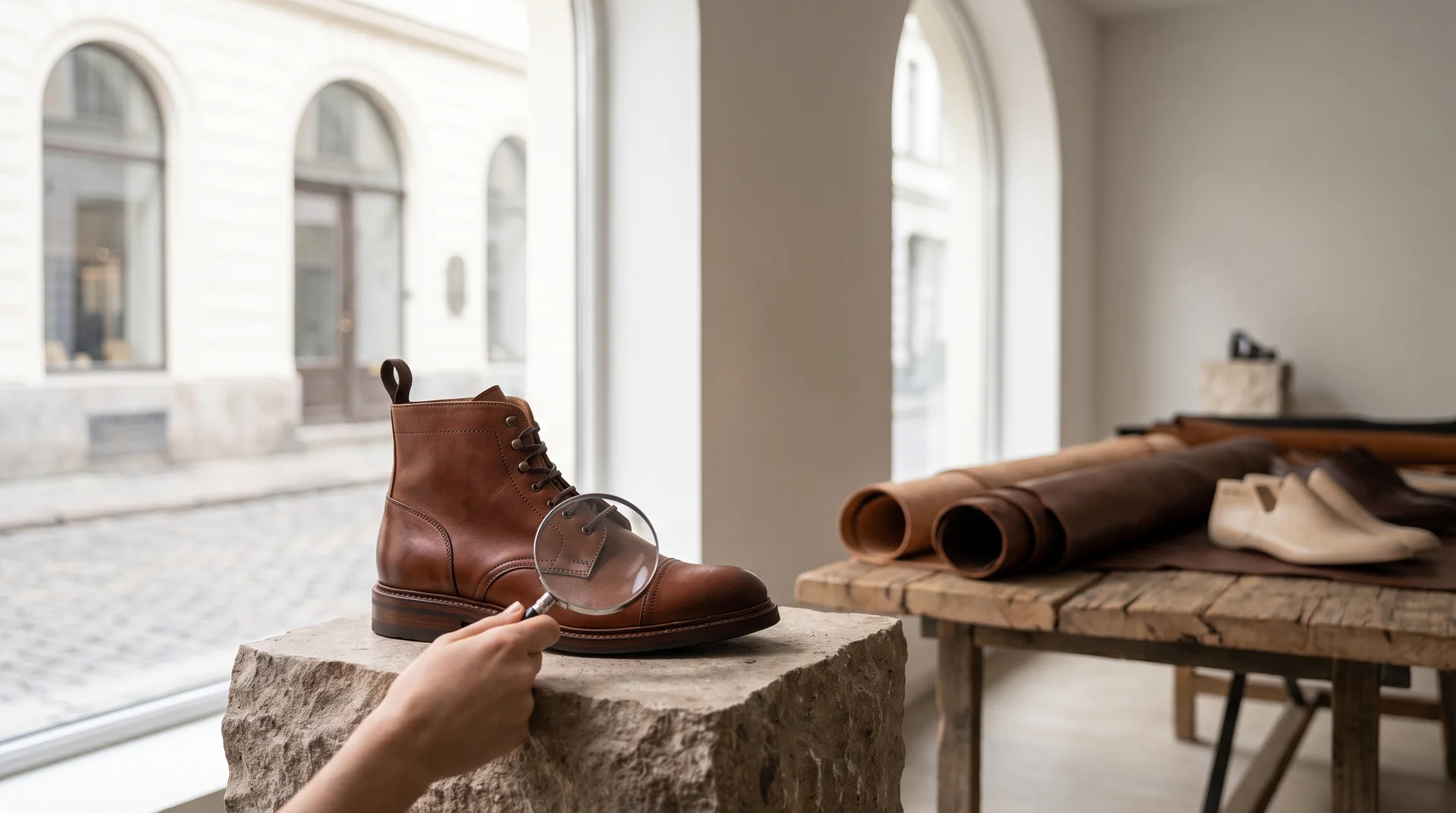
Randomly checking one pair from the incoming carton is insufficient. Mold or assembly defects may appear only in specific sizes. Therefore, carefully inspect one pair each from the smallest, middle, and largest sizes in a size run (for example, sizes 36 to 40). This helps detect whether shoe shape or proportions distort as sizes increase or decrease.
Example scenario: A boutique owner orders a batch of sport shoes from a new supplier. Upon arrival, they only check size 37 and find everything perfect. Later, a size 40 customer complains the heel pinches their foot. Inspection reveals the heel support (fort) mold is defective at larger sizes. If different sizes had been checked initially, this issue would have been caught before accepting the batch.
Balancing Quality and Price: Evaluation According to Customer Expectations
Assess quality not as an absolute concept but in relation to price and market segment. For economic segment products, basic expectations include clean craftsmanship and durability without quick wear. In luxury segments, focus shifts toward material quality, stitching details, comfort, and brand value. When reviewing supplier products, ask yourself: "Does this shoe meet my target selling price and my customers’ expectations?" This approach yields a more accurate evaluation than simply rating products as “good” or “bad.”
Ensuring Quality Assurance in Wholesale Footwear Purchases
Securing quality in wholesale footwear buying is an ongoing process, not a one-time check. Working with reliable, consistent manufacturers is the critical first step. Understanding supplier production standards, materials used, and craftsmanship quality lays the foundation for a long-term, profitable partnership. Platforms that carefully select and verify suppliers serve as important filters for buyers.
Bulkoon works exclusively with approved suppliers, enabling buyers to reach producers with quality standards above a set threshold. With more than 10,000 model options and daily new additions, the platform helps you find alternatives that best suit your quality expectations and budget. Detailed product reviews and transparent supplier information allow you to make informed, safer decisions on every order. Prepare your quality control checklist and elevate your wholesale purchasing process.