Managing a shoe store requires controlling dozens of different color and size combinations of a single model simultaneously. The minutes spent searching for a size 38 black stiletto among boxes in the warehouse can lead to losing waiting customers at the checkout or inaccurate stock records. Initially, keeping stock with notebooks or simple spreadsheet programs may seem practical in small boutique stores; however, as the store grows, this method becomes an operational burden. Setting up a barcode system is the most effective way to automate stock entries and exits and maintain profitability without needing expensive and complex corporate software.
Basics of Transitioning from Manual Stock Tracking to a Barcode System
Simplifying Complex Size and Color Combinations
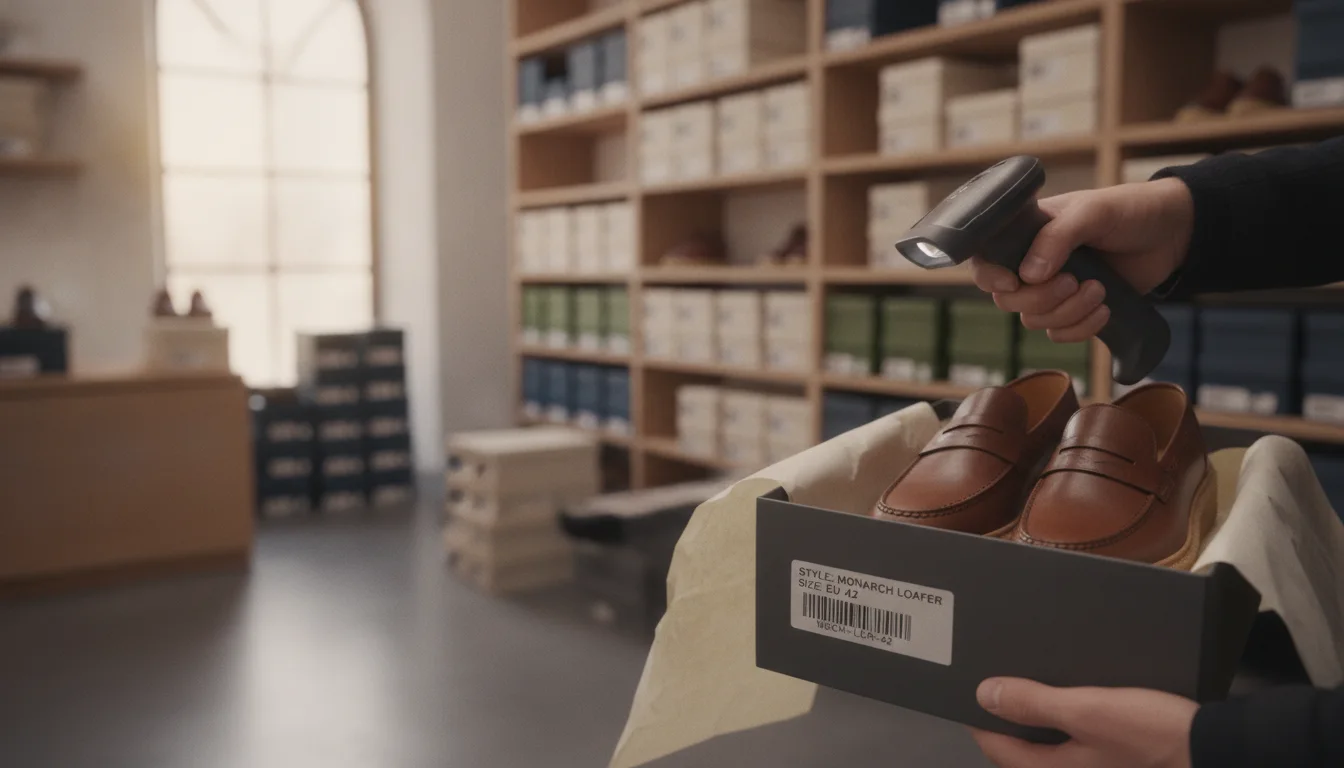
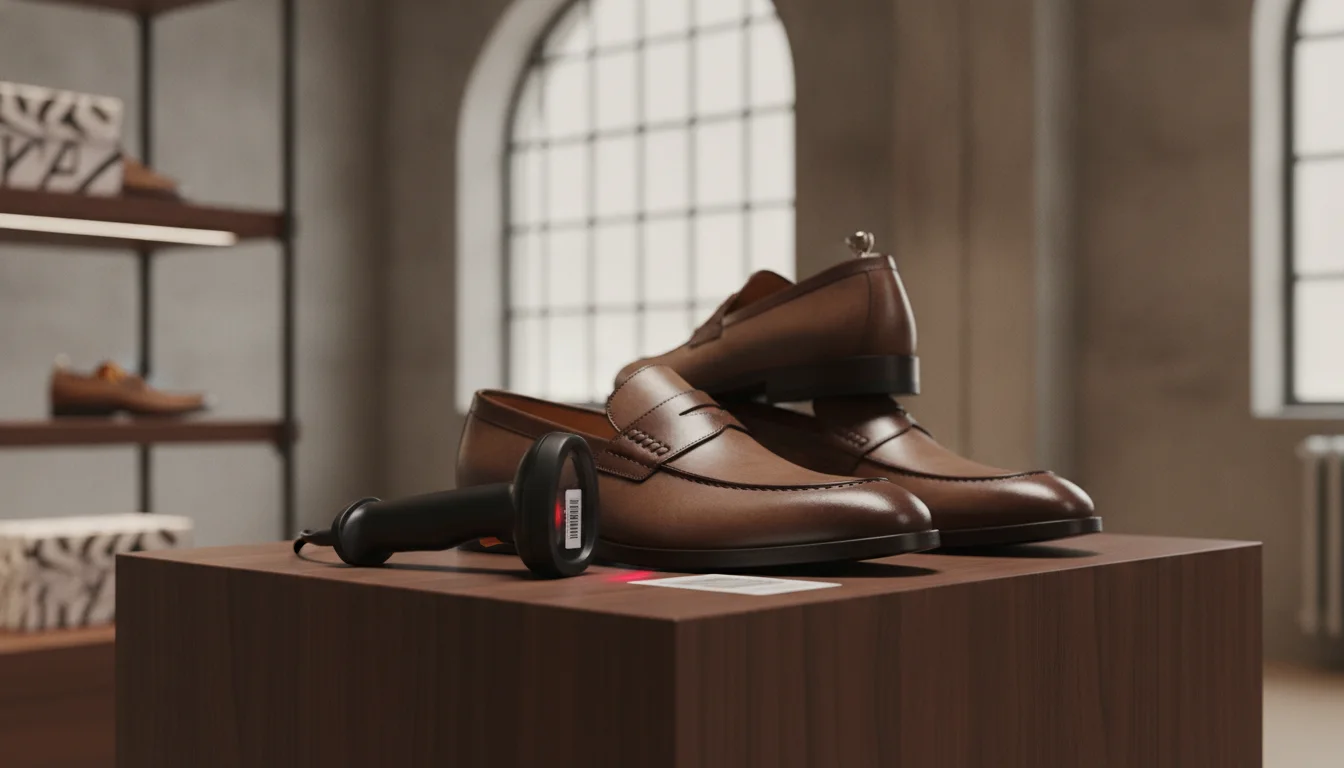
Product tracking in the shoe industry is far more complicated compared to clothing or accessory stores selling single products. One design is multiplied by color options like black, tan, and white, combined with women's sizes ranging from 36 to 40 or men's sizes from 40 to 44. Barcode labeling gives each variation a unique identity. A single scan with a barcode reader immediately displays the product’s color, size, and cost from the warehouse directly on the screen.
Common manual stock tracking errors such as mixing up boxes are completely eliminated with barcode use. Store personnel can instantly verify if the shoes inside the box match the shelf record by scanning the label on the box. This system improves warehouse organization and significantly shortens the service time provided to customers.
Preventing Wrong Product Delivery and Checkout Errors
Human error at checkout is one of the most frequent hidden profit losses for retail businesses. Giving the customer the wrong size or confusing prices of two similar models damages customer satisfaction and disrupts inventory balance. With a barcode system, the product is scanned at the point of sale, the current price is automatically applied at the cash register, and the relevant size is deducted from stock.
The risk of applying incorrect prices during sale is reduced to zero.
Return and exchange transactions are completed in seconds by scanning the barcode on the receipt.
Back-office stock updates are free from human error.
The barcode system digitizes the complex matrix of sizes and colors in shoe stores flawlessly. It speeds up checkout processes and prevents inventory discrepancies and customer dissatisfaction caused by human factors.
The Role of Barcodes in Tracking Size Distribution and Mixed Assortments
Real-Time Monitoring of Assortment Breakdown
The mixed size system, commonly applied in wholesale shoe purchasing, offers stores pre-packed boxes with specific proportions of sizes. However, in retail sales, some sizes (for example, 37 and 38 in the women's group, 41 and 42 in the men's group) sell much faster. The barcode system instantly reports the sales velocity of each size within the assortment. Thus, you can see which size falls below critical stock levels without counting boxes one by one.
Traditional methods usually detect imbalances in size distribution only when a carton is completely empty. Barcode software alerts store managers when any size falls below a critical threshold, allowing timely replenishment. This reduces the risk of breaking assortments and products remaining unsellable because only one size is left.
Quickly Closing Missing Size Risks with B2B Supply
The ability to track size breakdowns in stock in real time prevents sales losses. A series of women’s sports shoes missing popular sizes causes customers to hear the answer “size not available.” Thanks to barcode data, you can detect depleted sizes and intervene immediately.
Through Bulkoon, the only wholesale B2B shoe platform in the sector, you can browse only ready-stock products and quickly place orders to complete your missing size assortments. When accurate barcode analysis and fast procurement combine, your store never turns away customers due to a lack of sizes.
Barcode data enables instant detection of the depletion of critical sizes inside assortments. Thus, you can make complementary purchases at the right time and always keep your showcase fully stocked.
Data-Driven Decisions in Seasonal Turnover and Stock Management
Preventing Dead Stock Formation at Early Stages
Seasonal turnover speed in footwear retail directly affects business cash flow and profitability. Products for summer or winter that remain in the warehouse after the season ends tie up capital in dead stock. The barcode system provides turnover analyses calculating how many days elapse from the product’s shelf entry to sale.
When a slow-moving women’s ankle boots collection is detected, small discounts mid-season can reduce stock. Shoes waiting in the warehouse at season’s end lock the fresh capital needed by the store for the next season. Barcode tracking lets you identify this risk early in the season.
Dynamic Pricing During Sales and Campaign Periods
Barcode inventory management removes the need to change labels one by one during discount periods. Store owners can define dynamic discounts specifically for the groups where stock turnover is low based on which model or color moves slowly.
There is an opportunity to package best-selling products with slow-moving models into promotional campaigns.
Profit-margin-high products are protected during end-of-season sales while stock burdens are reduced.
Cash flow is accelerated to create budgets for new season collections.
Moreover, working with suppliers offering free shipping across all 81 provinces in Turkey allows you to reduce transportation costs to zero and quickly add new season stock to categories flagged as lacking by your barcode system.
Tracking stock turnover with a barcode system prevents capital from tying up in dead stock. End-of-season clearance and dynamic campaign decisions are made based on concrete data, not guesswork.
Simple Barcode System Setup for Small and Growing Stores
Minimizing Hardware and Software Needs
You do not need huge ERP investments worth hundreds of thousands of lira to switch to a barcode system. For a small shoe boutique aiming to grow, a basic barcode reader, a label printer, and simple cloud-based retail software are sufficient. Custom barcodes printed from the label printer can be affixed to shoe boxes or soles to start processes immediately.
During initial setup, all existing stock in the store is scanned and entered into the system at once. Thereafter, every incoming wholesale shipment is labeled as it enters the warehouse. This simple routine provides professional inventory control without being overwhelmed by complex processes.
Preparing Supply Chain and Integrations
When setting up the system, it is important that the barcode architecture be chosen to comply with standards enabling future e-commerce and B2B platform integration. Barcodes created according to international standards such as EAN-13 or your own internal coding system allow inventory synchronization from a single center across both physical stores and online channels.
Using filtering tools on platforms when creating new orders and following the steps in the How it works guide accelerates operational processes. Stores strengthening their digital infrastructure with barcodes can exchange data much faster with their supply networks.
Small stores can quickly transition to a barcode system with cost-effective printers, readers, and cloud software. A standard coding infrastructure should be preferred from the start for future e-commerce and B2B integrations.
Grow Your Store with Digital Inventory Management
Roadmap for Boutiques Aiming to Grow
Moving from manual stock tracking to barcode-based retail management is not only a technology change but a strategic decision that guarantees your store’s profitability and sustainability. Size-based sales analyses, correct assortment planning, and high stock turnover speed form the fundamental pillars of a growing retail business.
Once the system is established, you clearly see which models attract more interest in your store. This data helps minimize risk in your future wholesale purchases by focusing on the most profitable product groups.
Full Alignment with the Digital Supply Network
The barcode infrastructure you install in your store directly supports your B2B supply processes. You can identify which men’s sports shoe stocks are depleted within seconds and place new orders with over 100 approved manufacturers on platforms offering installment options at upfront prices. While digitizing your retail processes, you can visit our guides section for wholesale buying guidance.




 3 colors