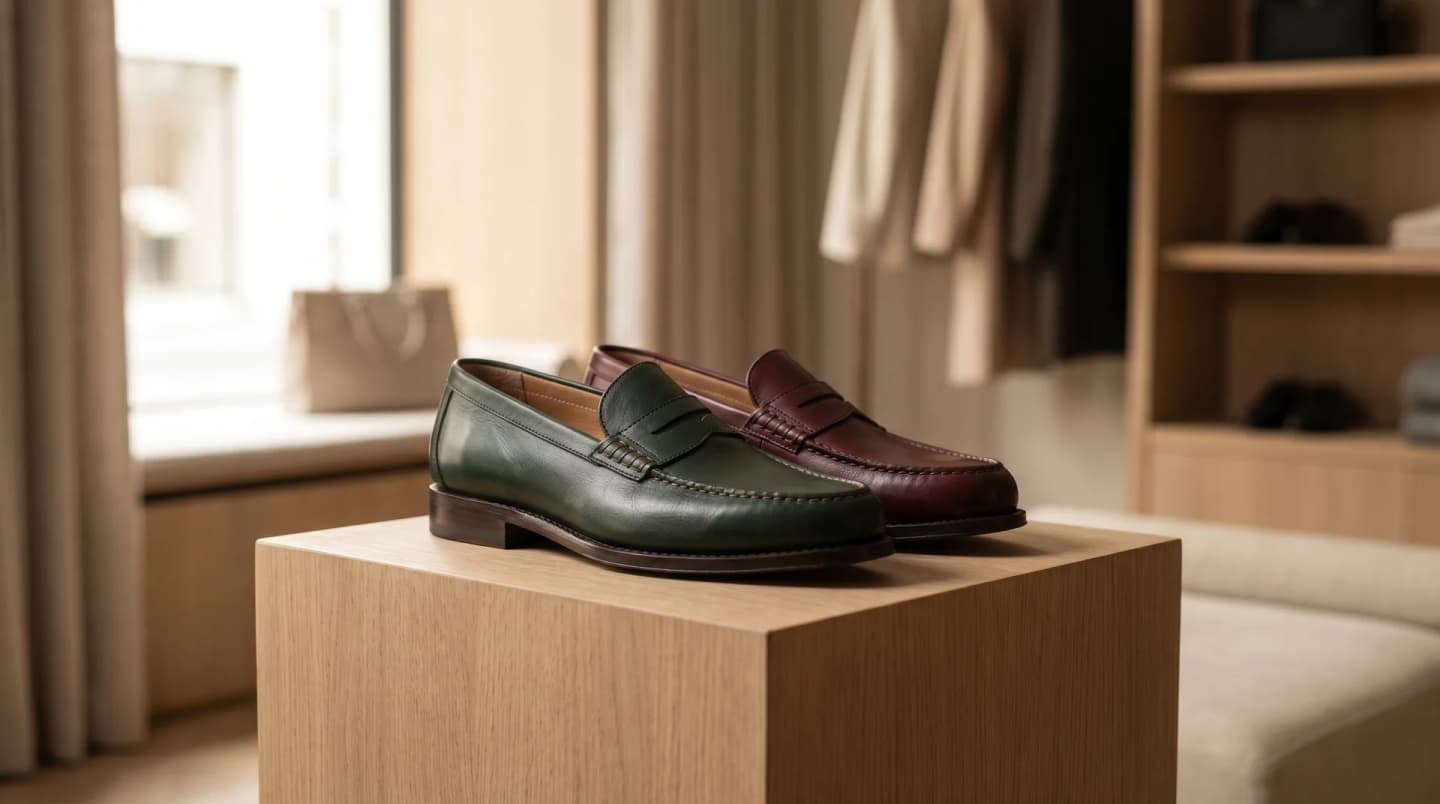
Is Vegan Leather Really Eco-Friendly? The "Sustainability" Deception in Wholesale Purchasing

A critical guide for wholesale footwear buyers: uncover the truths behind the 'vegan leather' label. Learn the differences between PU, PVC, and real plant-based leathers, key considerations when choosing suppliers, and how transparent communication builds customer trust. Make informed and profitable decisions by accurately analyzing sustainability claims.
The increasing environmental awareness among consumers is rapidly boosting demand for products labeled "vegan" and "sustainable" in the retail sector. For shoe boutiques and store owners, adapting to this trend means keeping their collections up to date; however, the term "vegan leather" itself can often be misleading. Not knowing the material differences behind this label when buying wholesale can both undermine customer trust and jeopardize your brand’s reputation. Not every vegan leather is a good choice for the planet, and some may lead to more environmental problems than traditional leather. Therefore, as a conscious buyer, it is critically important to know the materials.
Materials Behind the "Vegan Leather" Label
The "vegan leather" definition encountered in wholesale covers a wide array of materials. Their production processes, durability, and environmental impacts differ completely from one another. Choosing the right product starts with understanding these fundamental differences. The two most common synthetic types, polyurethane (PU) and polyvinyl chloride (PVC), usually form the base of this category, yet their differences are as stark as day and night.
Polyurethane (PU): A Common and Flexible Alternative
Polyurethane, or PU for short, is the most frequently used synthetic leather type in the footwear sector. PU is a thermoplastic polymer produced by coating a fabric base. This method gives the material flexibility, softness, and breathability. Offering a texture and appearance similar to real leather makes it popular aesthetically. For wholesale buyers, PU’s biggest advantages are cost-effectiveness and ease of processing. Its ability to be produced in various colors and textures provides designers with a broad creative scope.
However, PU also has drawbacks. As a plastic type derived from fossil fuels, it is not a fully sustainable resource. Solvents may be used during production, and its lifespan is shorter compared to real leather. Over time, it can peel and crack. Nonetheless, compared to PVC, PU is generally accepted as a more "eco-friendly" synthetic option because it releases fewer toxic chemicals during production and disposal. Many women’s sports shoe models frequently use this material.
Polyvinyl Chloride (PVC): An Option to Avoid
Although PVC is another common synthetic leather alternative, it is the most problematic environmentally and health-wise. Its production involves chlorine, which releases highly toxic chemicals such as dioxins. Also, harmful plasticizers like phthalates are added to make the material flexible. These chemicals pose serious risks to human health and ecosystems. PVC is difficult to recycle and emits toxic gases when burned.
Despite its durability and high water resistance, these environmental costs make PVC an unattractive option for conscious brands. When buying wholesale, clearly confirming whether your supplier’s product contains PVC is one of the most crucial steps to maintain your brand’s sustainability claims. Though its low price might tempt you, the long-term reputation risk it brings can be far greater.
In summary, the term "vegan leather" typically refers to synthetic polymers. While PU is a more acceptable synthetic alternative, there is broad consensus that PVC is a material to avoid due to its negative environmental and health impacts.
Real Plant-Based Leathers: Innovation and Facts
Beyond synthetics, the pursuit of sustainability has driven the footwear industry toward developing innovative, genuinely plant-origin materials. This new generation of materials carries the potential to be both animal-friendly and more eco-friendly than petroleum-based alternatives. However, it is important for wholesale buyers to understand the practical aspects and current limitations of these materials.
Innovative Materials Like Mushroom, Pineapple, and Cactus Leathers
Some exciting plant-based leather alternatives frequently mentioned in recent years include:
Piñatex®: Made from pineapple leaf fibers, this material turns agricultural waste into a value-added product. It has a natural texture and is quite durable.
Desserto®: Produced from nopal cactus grown in Mexico, it stands out due to being sourced from a low-water-consumption plant. It features a soft texture and is partially biodegradable.
Mushroom Leather (Muskin): Derived from mushroom caps, this material has a suede-like texture and is completely natural. It may require additional treatments to become water repellent.
These materials make excellent options for brands with strong sustainability stories targeting niche customer groups. They can particularly differentiate women’s casual shoe collections.
Production Processes and Scalability Challenges
Although promising, these innovative materials present some challenges from a wholesale buying perspective. First, their production capacity is not yet as high as PU or real leather. This can lead to supply continuity issues in large-scale orders. Moreover, production costs are significantly higher than synthetics, which increases the retail price of the final product.
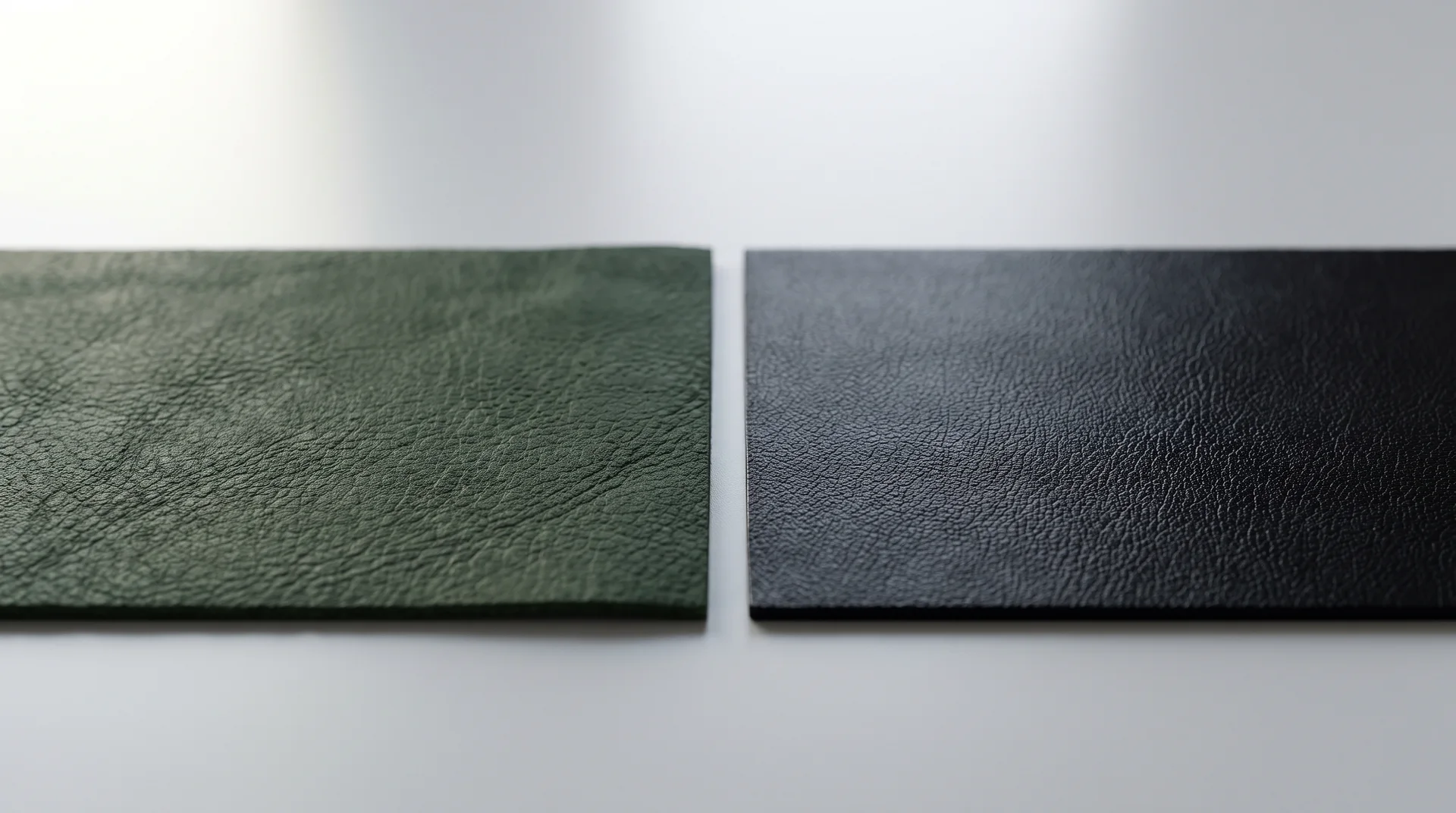
Another important point is that many of these materials are still combined with some synthetic polymer (usually PU) to enhance durability and flexibility. Therefore, they may not be 100% plant-based or fully biodegradable. Learning the exact composition from your supplier while working with them is necessary to maintain transparency with your customers. While these materials are steps in the right direction, they have not yet become industry standards.
In conclusion, real plant-based leathers promise an exciting future but currently face practical challenges such as cost, scalability, and not being fully natural. Wholesale buyers should take these realities into account when including these materials in their collections.
Supplier Selection and Product Verification in Wholesale Purchasing
In a market where sustainability claims frequently fly around, finding the right supplier and verifying product information is more important than ever. Your responsibility as a wholesale buyer is not just to focus on aesthetics and price but also to question the origin and content of the materials. This proactive approach protects you from the "greenwashing" trap.
What Information Should You Request from Your Supplier?
When communicating with a supplier or examining products on a platform like Bulkoon, do not settle for vague statements. Instead of general terms like "vegan leather" or "eco-leather," ask specific questions. Key information to request includes:
Technical Data Sheet (TDS): Documents showing exactly which polymer (PU, PVC, etc.) or plant fiber the product is made from, including percentage content.
Origin Information: Where the material is produced can provide clues about sustainability standards.
Certifications: If the supplier claims the product meets certain standards (e.g., OEKO-TEX®, GRS - Global Recycled Standard), ask for valid copies of these certificates.
Production Process: Especially information about water and chemical use, to gauge the supplier’s environmental sensitivity.
Requesting this information shows how seriously you take your business and establishes a stronger foundation for supplier relationships.
Avoiding the "Greenwashing" Trap
Greenwashing is when a company or brand uses marketing and public relations tactics to create a false impression of environmental responsibility. In the footwear industry, this often involves vague or unproven claims. Terms like "nature-friendly," "environmentally friendly," or "green" are red flags if not supported by concrete data.
Develop a critical perspective to avoid this trap. Just because a product is "vegan" does not automatically mean it is sustainable. A PVC-based shoe can be vegan but still have a significant environmental footprint. Working with approved suppliers on Bulkoon helps reduce such risks, as the platform filters suppliers through a specific reliability process. Still, do not hesitate to ask questions to get the most accurate information.
Supplier selection and product verification are not just purchasing steps but strategic actions that shape your brand identity and your commitment to customers. Demanding transparency puts you in a stronger market position.
Customer Communication: Building Trust with Transparency
The most important step after obtaining correct information in your supply chain is communicating it honestly and clearly to your customers. Consumers, especially conscious ones, now value not only the product itself but also the story behind it. Transparency is not a short-term sales tactic but the foundation for long-term customer loyalty.
Using Accurate Terminology in Product Labeling and Descriptions
Avoid confusing or misleading language when listing products in your store or e-commerce site. "Vegan leather" can be a general starting point but is insufficient. Offering clearer information differentiates you from competitors.
For example, instead of simply saying "Vegan Leather Shoe," you could use expressions like:
"PU-Based Synthetic Leather (Animal-Friendly)": This statement clarifies the material and highlights its core benefit of not harming animals.
"Pineapple Fiber-Based Vegan Material": If you use an innovative material, proudly state it, adding a unique selling point.
"Synthetic Upper Surface": One of the simplest and most honest approaches.
Such clear statements ensure customers exactly know what they are buying and help prevent disappointment or returns. This is especially important for performance-focused products like men’s sports shoes.
Telling the Sustainability Story Honestly
Every product has a story, but it should be based on facts and free from exaggeration. If the shoes you sell are made of PU, do not market them as "planet-saving products." Instead, frame the story honestly by emphasizing the benefit that animals were not used. This alone is a valuable feature. You can communicate messages such as, "A great option for those seeking an animal-friendly alternative."
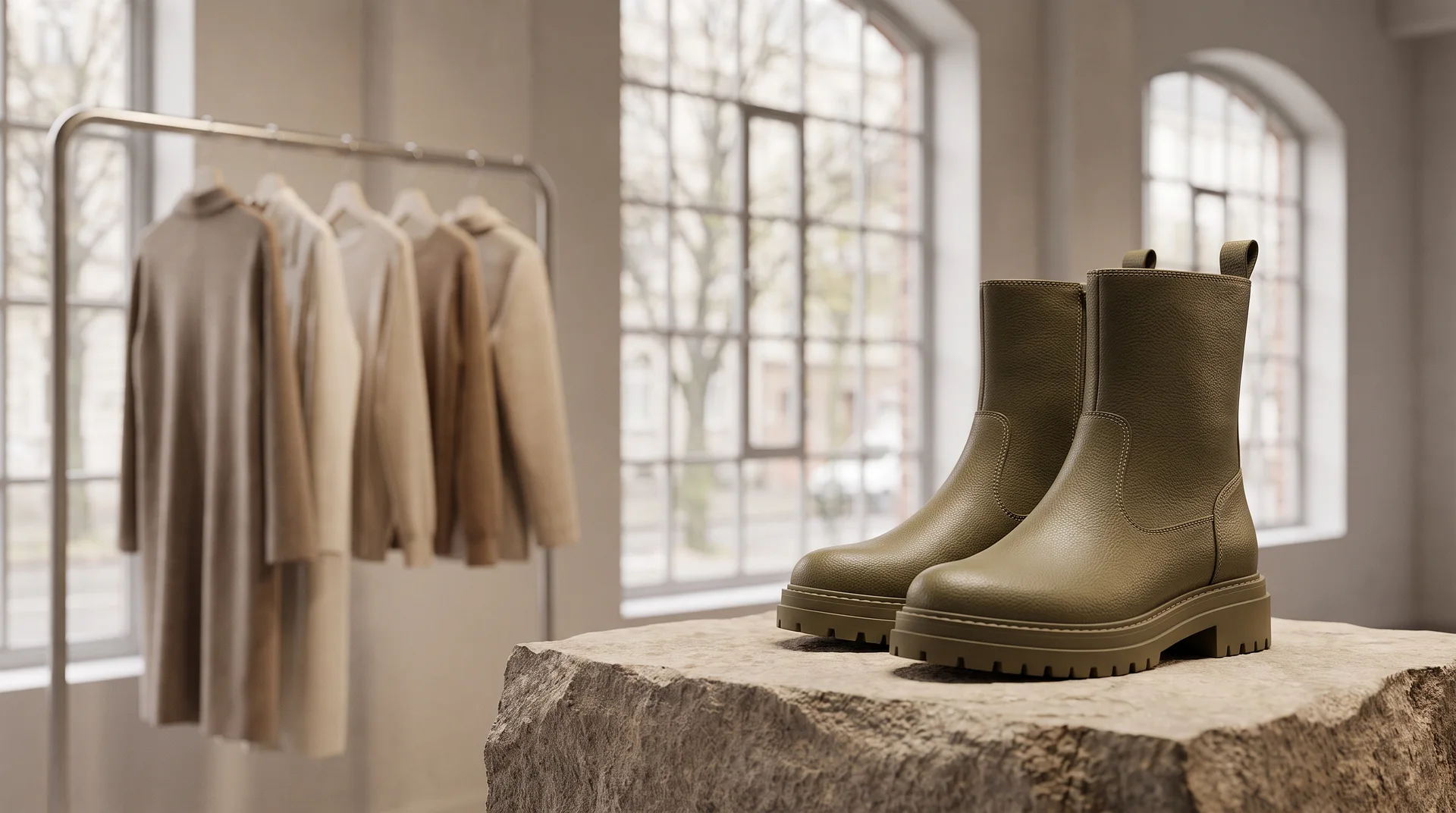
If you are truly selling innovative materials like cactus or mushroom leather, you can tell a stronger sustainability story. Explain how the material is produced, how it reduces water consumption, or how it utilizes agricultural waste. This helps build a deeper connection with your customers.
Customer communication is not only about providing information but also building a trust relationship. When you adopt transparency as a brand value, your customers will notice and reward your honesty.
Cost, Durability, and Profitability Analysis
As a wholesale buyer and retailer, you need to analyze not only the ethical and environmental dimensions of your material choices but also how they affect your business profitability. There are significant differences between various vegan leather types in terms of cost, service life, and customer satisfaction. Balancing these factors is key to creating a successful collection.
Price Differences by Material Type
Wholesale prices vary significantly depending on the material type. A general ranking is as follows:
PVC: Usually the cheapest option. But due to perceived low quality and environmental issues, it can harm your brand in the long term.
PU: Slightly more expensive than PVC but offers better quality, flexibility, and appearance. It is the most popular option in terms of price-performance balance.
Real Leather: Usually more expensive than PU and known for durability.
Innovative Plant-Based Leathers (Piñatex, Desserto, etc.): Currently the most expensive alternatives on the market. Their niche production and limited economies of scale increase costs.
This pricing directly affects your retail price and profit margin. You should make the right material choices by evaluating your target audience's price sensitivity and willingness to pay extra for sustainability.
Service Life and Customer Satisfaction
A low-cost product may seem attractive in the short term, but if it is not durable, it leads to customer complaints, returns, and negative reviews. This damages your brand reputation and becomes more costly long term. Material service life is directly related to customer satisfaction. PVC-based shoes may peel or crack quickly, while quality PU materials can last longer with proper care.
The durability of innovative plant-based leathers is still being tested and varies from brand to brand. When adding these products to your collection, it is useful to get information from your supplier about wear and abrasion tests. Some products on Bulkoon include product videos that let you better evaluate the material's flexibility and texture, helping you form an opinion.
Ultimately, profitability is not just the difference between purchase and sale price. It also involves return rates, customer loyalty, and brand value. Choosing materials that meet durability and customer expectations is the smartest investment for a sustainable business.
Conclusion: Making Informed Choices
The "vegan leather" label is a starting point for wholesale footwear buyers but should never be the destination. As we have seen, this term can cover a wide range of materials from petroleum-based plastics to innovative plant-based composites. True sustainability goes beyond labels by questioning material content, production processes, and supplier transparency. Your role as a conscious buyer is to navigate this complex world with honesty toward both your customers and your brand.
Understanding the critical difference between PU and PVC, knowing the potentials and limits of innovative materials, and most importantly, demanding accurate information from your suppliers will give you a competitive edge in the market. By adopting transparency as a business principle, you not only sell products but also build a loyal audience of conscious consumers. Platforms like Bulkoon provide the necessary tools and variety, featuring over 10,000 model options and a verified supplier network, to help you make these informed choices.