"Premium" Segment in Women's Footwear: Which Details Determine the Price?

Have you ever wondered why a women's shoe is labeled 'premium' and how its price is determined? This guide helps wholesale buyers make more informed choices by understanding materials, craftsmanship, sole technology, and other critical details and better communicating the product's value to their customers.
When a customer examines two different stiletto models in your store and asks you the crucial question: “Why is this shoe more expensive than the other?” this question is not just about price inquiry for a retailer, but also an opportunity to initiate a dialogue about quality, value, and craftsmanship. The premium women's footwear segment is not merely about the brand name. Behind the price tag is a concrete and measurable set of values ranging from the texture of the material to the sturdiness of the stitching, from the ergonomics of the sole to the quality of the accessories used. Understanding these details as a wholesale buyer enables you both to select the right products and effectively convey their value to the end consumer.
Material Quality: The Foundation of a Premium Shoe
The most fundamental factor determining a shoe's character and lifespan is undoubtedly the material used. In the premium segment, material selection means performance, comfort, and durability beyond aesthetics. Purchasing with this awareness directly impacts your store's perceived quality.
Genuine Leather and Qualified Alternatives
Genuine leather is the first material that comes to mind when talking about premium shoes. However, not all leather is of the same quality. For instance, “full-grain” leather is the top, most durable layer of leather and develops a unique patina over time, enhancing its beauty. This characteristic is far more valuable than lower-quality leathers with sanded and coated surfaces. Textured leathers like suede and nubuck increase costs due to their processing methods. When buying wholesale, requesting information from the supplier about the type and processing of the material helps you understand the product's real value. Recently, technological advancements have introduced high-quality vegan and sustainable materials that have found their place in the premium segment. These materials can be serious alternatives to leather, offering features such as breathability and flexibility.
The Role of Linings and Interior Materials
The inside of a shoe is as important as its exterior. A premium model typically features a fully leather lining. Unlike synthetic linings, leather linings allow the foot to breathe, absorb moisture, and prevent bad odors. This factor directly influences customer satisfaction, especially in models worn all day, such as women's loafers or ballet flats. Furthermore, details such as memory foam insoles or anatomical support footbeds enhance comfort levels and play an important role in determining price. These details are usually ignored in low-cost shoes, leading to comfort issues with long-term use.
Does Craftsmanship and Production Techniques Make a Difference?
The highest quality material cannot reach its potential without skilled craftsmanship. The techniques used during production not only affect the shoe's appearance but also its durability, flexibility, and reparability. These technical details are the unsung heroes of premium products.
Stitching Techniques and Assembly
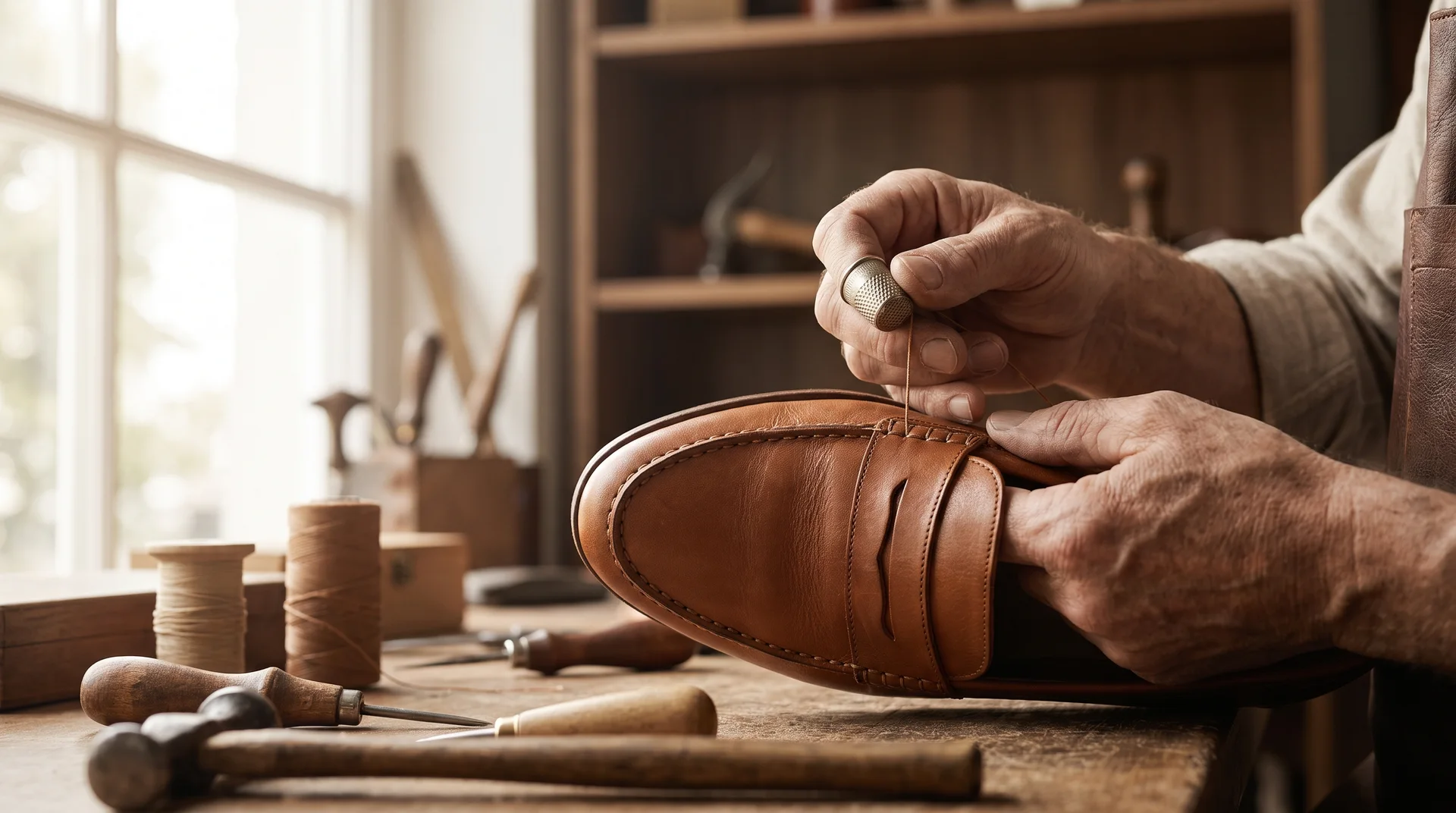
How the upper part (vamp) of the shoe is joined to the sole is one of the most important indicators of quality. For example, stitched assembly techniques such as “Goodyear welt” or “Blake” are much more durable and long-lasting than cemented (glued) shoes. Stitched construction allows the sole to be replaced when necessary, which provides a sustainability advantage by extending the product's lifespan. Hand-stitched decorative details, laser-cut accents, or carefully crafted edge painting are processes that slow down production but add a craftsman’s touch to the shoe. These details form one of the most distinctive differences between mass-produced models and premium products.
Last and Ergonomic Design
The “last” - the mold that forms the basis of every shoe - determines how well the shoe fits the foot and how comfortable it is. Premium brands invest significantly in R&D to develop lasts that perfectly match ideal foot anatomy, providing comfort and aesthetics. This ensures the shoe not only looks stylish but also supports walking mechanics. Especially in heeled styles like women's stilettos, the balance of the last and proper arch support are critical for all-day comfort. This invisible engineering increases costs but builds customer loyalty.
Sole Technology and Value of Accessories
The sole-the part of the shoe that contacts the ground-and complementary metal or decorative accessories often go unnoticed but directly affect quality and price. These elements complete both the product’s performance and its aesthetic integrity.
Sole Materials and Construction
Premium shoes typically use leather soles or advanced materials such as high-density rubber and thermoplastic polyurethane (TPU). Leather soles are known for their flexibility and breathability and gradually conform to the wearer’s foot shape, offering unique comfort. However, their production is more costly. Rubber soles provide better grip and durability. Some premium models feature shock-absorbing layers hidden inside the sole or special channels that enhance flexibility to increase comfort. These technological details substantially increase production costs compared to standard soles.
Buckles, Zippers, and Decorative Details
Accessories such as buckles, zippers, chains, or stones can instantly raise or lower the perceived quality of a shoe. Low-quality metal accessories tarnish, rust, or break over time. In the premium segment, accessories are usually made from durable materials like stainless steel or brass with special coatings and brand-specific designs. These small details increase the overall value of the product and help maintain its aesthetic appearance through long-term use. When buying wholesale, questioning the quality of these accessories is important for product shelf life and customer satisfaction.
Supplier Selection and Quality Control Processes
Finding the right premium products for your store requires more than just looking at the shoe itself. The reliability and quality standards of the supplier behind the product are at least as critical as the material quality for your long-term success. Accurately assessing this in digital wholesale purchasing processes minimizes risks.
The Importance of a Reliable Manufacturer
A premium product requires consistent quality standards. This is only achievable with manufacturers who apply strict quality control mechanisms during production. A trustworthy supplier uses the same quality materials in every batch, does not compromise workmanship standards, and adheres to delivery schedules. Platforms like Bulkoon provide a significant assurance to buyers at this point. All suppliers on the platform are approved suppliers, which means they have passed certain quality and reliability filters. This allows boutique owners and wholesale buyers to reduce supplier-related risks and focus directly on quality products.
Evaluating the Product Digitally
Understanding the quality of a shoe without physically touching it can be challenging. However, digital tools facilitate this process. High-resolution photos allow you to observe the leather texture or fine stitching. Product videos available on Bulkoon are invaluable for understanding the shoe’s flexibility, posture, and appearance from different angles. Additionally, by using advanced filtering options, you can search based on specific criteria such as material type (e.g., “genuine leather”), heel type, or manufacturing technique. This allows you to quickly find products with the premium features you seek among over 10,000 models.
Pricing Strategy and Customer Communication
Supplying premium products is only half the equation. The other half is correctly conveying their value to customers and applying an appropriate pricing strategy. A sales process that communicates quality and value encourages customers to think in terms of benefits rather than price alone.
Value-Based Pricing
When pricing a premium shoe, consider the value it offers rather than just adding a standard profit margin on top of your purchase cost. How long will this shoe last? How comfortable is it? Does it have a timeless design? The answers to these questions provide the foundation for your pricing. Emphasize to customers that you are offering a longer-lasting, more comfortable, and more stylish product, making the price an investment rather than a cost. This approach helps build a business model more resistant to discount pressures.
The Art of Explaining Quality to Customers
Train your sales staff to articulate the features and benefits of the products. Instead of simply saying “this shoe is leather,” offer tangible benefits like “Because this shoe has a fully leather lining, it allows your foot to breathe all day and prevents sweating.” Explain the stitching technique, the characteristics of the sole material, or the quality of the accessories to concretize the product’s value in the customer’s mind. This storytelling helps customers see the effort and quality behind the price tag and positively influences their purchase decision.
Conclusion: Making Informed Purchases in the Premium Segment
The premium segment in women's footwear results from the combination of a series of concrete and valuable details. Each element, from material selection to craftsmanship, from ergonomic design to accessories used, determines the price and, more importantly, the product's value. Mastering these details as a wholesale buyer gives you a competitive advantage. You not only select better products but also create higher perceived value and stronger customer loyalty by telling these products' stories to your customers. Bulkoon's extensive women's footwear collection and trusted supplier network provide an ideal starting point to discover the right premium products for your store.