Odor and Sweating Issues in Footwear: How to Assess Lining Quality in Wholesale Purchases

Prevent odor and sweating problems by evaluating lining quality in wholesale footwear purchases. Recognize genuine leather, textile, and synthetic lining types to make the right choices and maintain customer satisfaction and brand reputation.
A retailer wants to avoid situations where a customer returns newly purchased shoes due to unpleasant odors developing after only a few uses. This problem is often not related to the shoe's exterior appearance, but directly linked to the overlooked quality of the inner lining. Focusing on the lining material when making wholesale footwear purchases not only ensures customer satisfaction but also reduces return rates and protects brand reputation, directly affecting your business profitability. The right lining choice is a fundamental investment beyond aesthetics, crucial for foot health and comfort.
The Role of Shoe Lining: A Quality Indicator Beyond Comfort
The shoe's inner lining is the surface that directly contacts the foot, and its purpose goes beyond aesthetically completing the interior. The lining supports the structural integrity while playing a critical role in providing comfort and hygiene throughout the day. A low-quality lining can make even the most stylish shoe unwearable. Therefore, for wholesale buyers, the lining is not a cost factor but rather a sign of quality and value.
Foot health is directly linked to lining quality. Feet naturally sweat during the day, and effective moisture management is essential. High-quality linings help keep the foot dry by absorbing or dispersing moisture. This not only increases comfort but also prevents bacteria and fungus growth, thus averting unpleasant odors and various foot ailments.
Why Is Lining Material Critically Important?
The type of lining material determines the shoe's breathability, moisture management capacity, and durability. Breathable materials allow air circulation, facilitating sweat evaporation and helping keep the foot cool. This feature is especially vital in active-use models such as women's sport shoes. The friction coefficient of the material is also important; smooth and soft linings reduce the risk of blisters and irritation.
Primary Causes of Odor and Sweating
The main cause of odor formation inside shoes is sweat trapped in a closed environment and the bacteria multiplying therein. Low-quality synthetic linings have almost no air permeability, trapping moisture inside. This warm, damp environment creates ideal conditions for bacteria to thrive. As a result, unpleasant odors can emerge even after just a few hours of wear. This leads to customer dissatisfaction with the product and thus your brand.
Guide to Recognizing Lining Materials in Wholesale Purchases
Knowing the characteristics of different lining materials during wholesale purchase allows you to select the correct product and enhance the value you offer to customers. Each material has unique advantages and disadvantages, and understanding these differences forms the basis of an informed sourcing strategy. When balancing price and performance, lining material is a key factor.
There are basically three main lining categories on the market: genuine leather, textile, and synthetic materials. Each of these materials is suitable for different shoe types and price segments. For example, a luxury women's loafer model is expected to have a genuine leather lining, whereas a more economical sport shoe might opt for a performance-oriented textile lining.
Genuine Leather (Sheepskin or Goatskin) Linings
Genuine leather, especially sheepskin or goatskin, is considered the superior material for shoe linings. Due to its natural structure, it is highly breathable, absorbs moisture, and adapts over time to the shape of the foot, offering personalized comfort. Advantages include:
Breathability: Its porous structure allows for air circulation, reducing sweating.
Moisture Absorption: Effectively absorbs moisture keeping feet dry.
Durability: With proper care, it is long-lasting and resistant to wear.
Hypoallergenic: Generally more skin-friendly compared to synthetic materials.
The disadvantage is that it tends to be more expensive than other materials. In wholesale purchases, it makes sense to seek leather linings in premium products that justify the price tag.
Textile and Fabric Linings
Textile-based linings like cotton, canvas, wool, and various performance fabrics have broad usage. They are frequently chosen in sports and casual shoes. Natural fibers such as cotton and canvas provide good breathability, while modern synthetic textiles excel at moisture-wicking-drawing moisture away from the foot. Their advantages include cost-effectiveness, variety in colors and patterns, and lightness. However, some low-quality textiles may wear more quickly and can take longer to dry after absorbing moisture.
Synthetic (Faux Leather and PU) Linings
Synthetic materials like polyurethane (PU) or PVC usually represent the most economical lining options. They have a smooth surface and are easy to clean. However, their major disadvantage is very low breathability. This feature makes shoes with synthetic linings the most prone to odor and sweating problems. When purchasing wholesale, if selecting products with fully synthetic linings, ensure these are marketed for short-term use or less active circumstances. Providing transparent information to your customers on this matter can help prevent potential complaints.
Methods for Physical Evaluation of Lining Quality
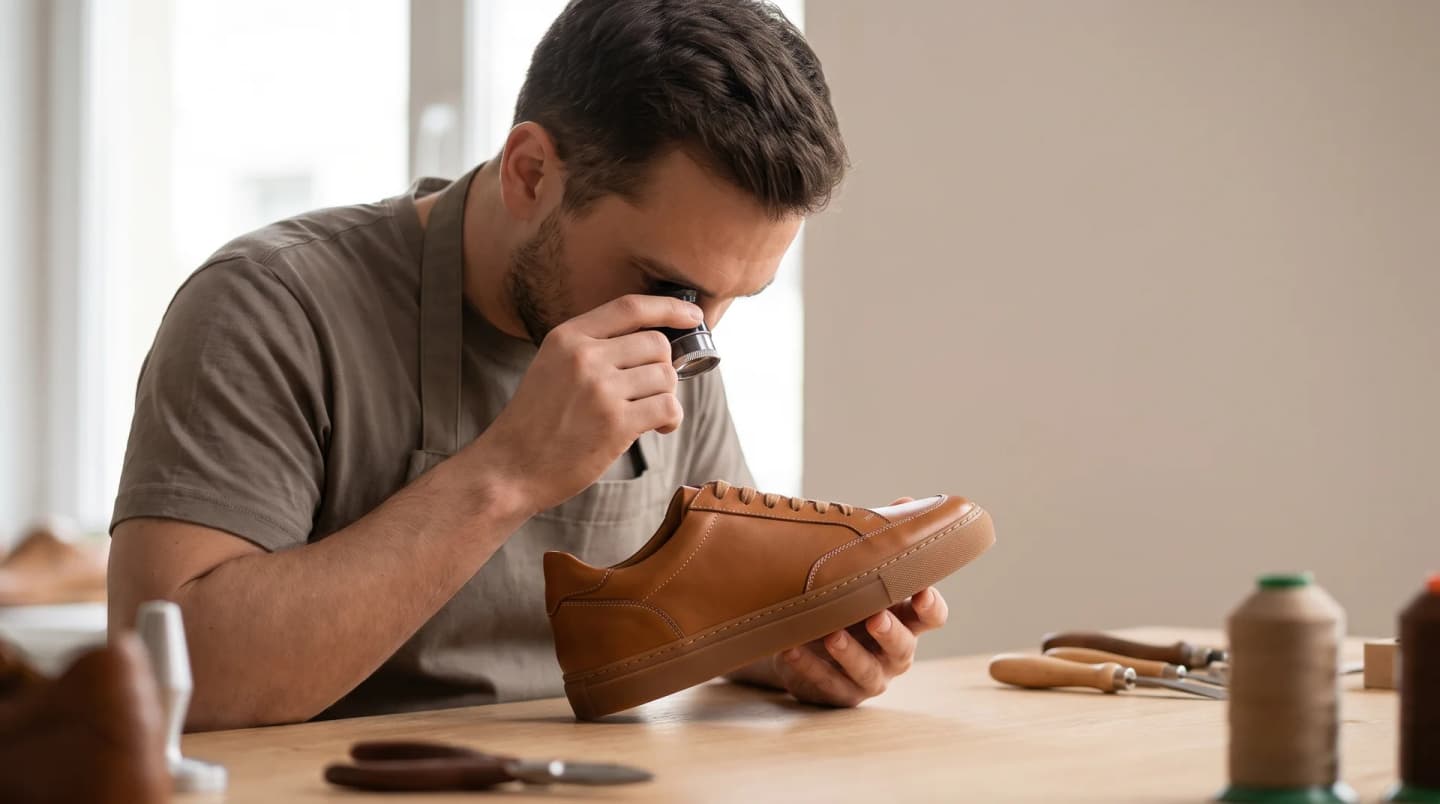
Before sourcing products from a supplier, especially when starting with a new one, physically evaluating lining quality is critical. Photos and product descriptions offer some information but personally testing material texture, flexibility, and smell is the most reliable method. These checks allow you to identify potential issues before placing large orders.
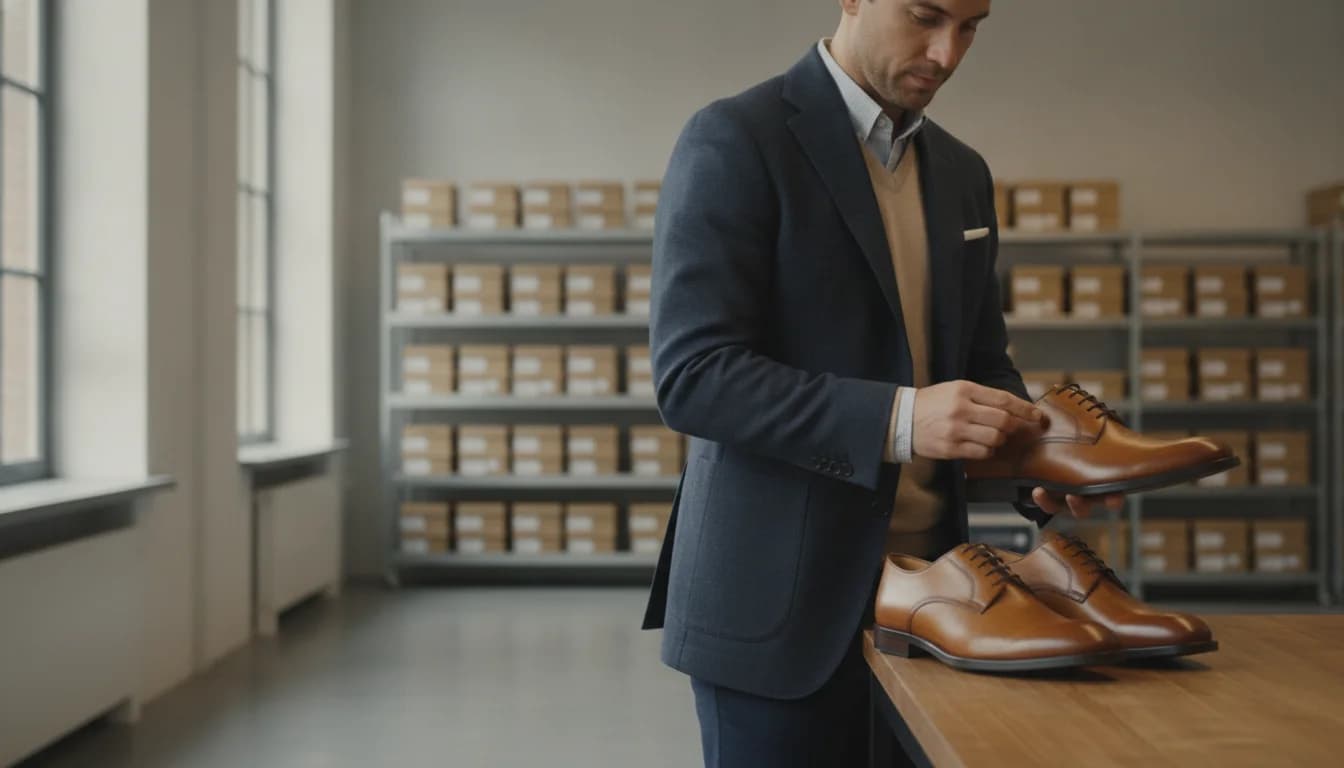
Requesting a sample or inspecting products at a trade fair are the best approaches for physical evaluation. Such simple tests help you understand not only what the material is but also how well it is processed. Remember, even the same material type can have different quality levels.
Touch and Visual Inspection Tests
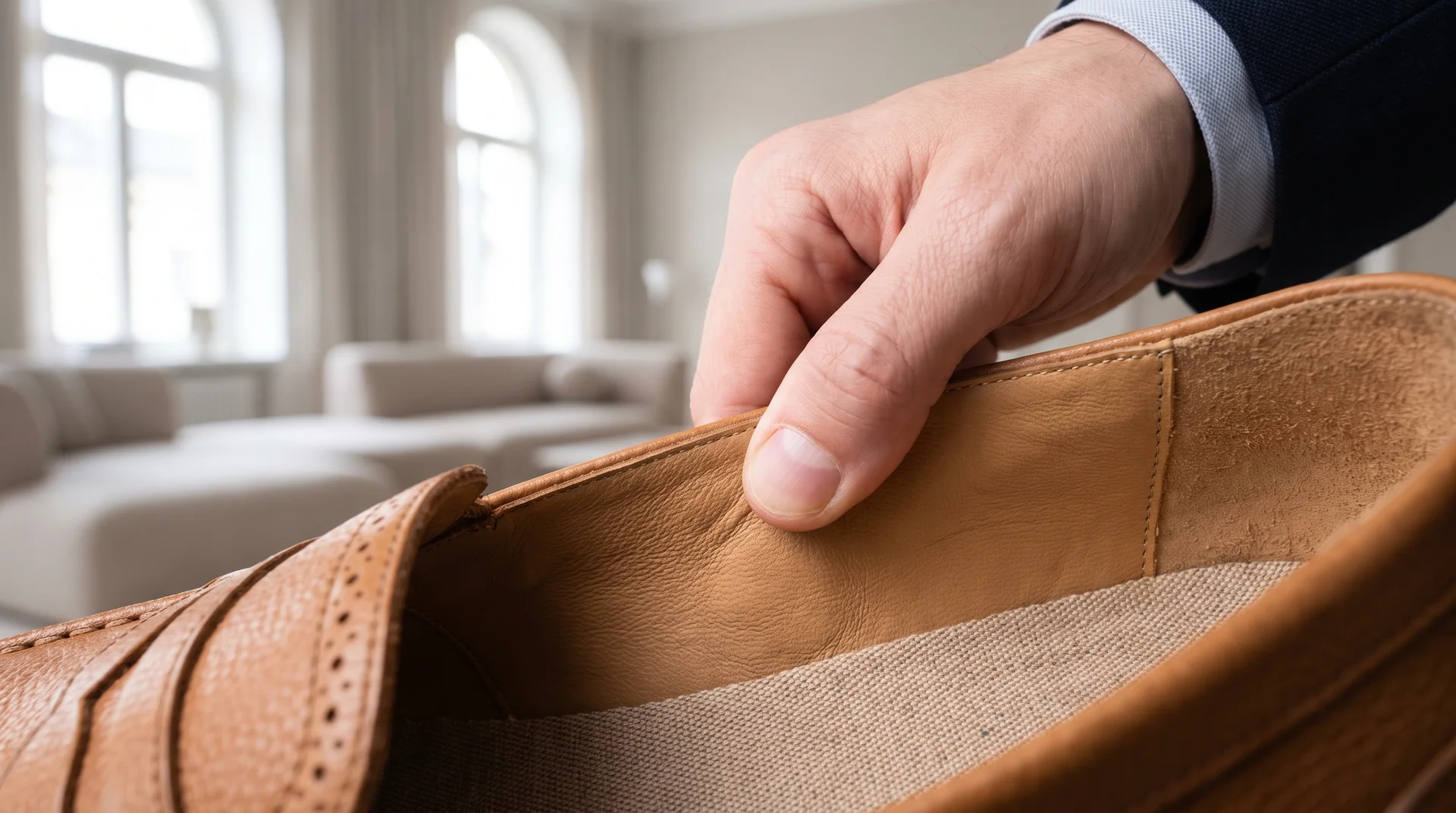
The first step is to feel the lining with your fingers. A quality leather lining feels soft, smooth, and flexible. Low-quality synthetics often feel hard, plasticky, and cold. Closely examine the lining surface. Genuine leather may show small irregular pores and natural blemishes, whereas synthetic materials tend to have a completely uniform pattern. Also check stitching lines; neat and tight stitches indicate good workmanship.
Flexibility and Durability Check
Lightly bend or stretch the lining material. Quality material should be flexible and return to its original shape. Low-quality synthetics may crease, crack, or leave white marks when bent, indicating rapid wear and potential tearing. This is especially important in the parts of the shoe that bend the most, such as the toe area, as lining flexibility significantly impacts long-term comfort.
Odor Test
This test is simple but highly effective. Smell the inside of the shoe. Genuine leather has a distinct natural odor. Textile linings usually smell neutral. However, if you detect a sharp chemical or plastic odor, it likely comes from low-quality synthetic materials and adhesives. Such chemical smells strongly suggest poor breathability and a high likelihood of odor problems when combined with sweat.
Key Considerations When Choosing Suppliers and Reviewing Product Information
Selecting the right product is as important as sourcing from the right supplier. A reliable supplier provides transparent information about the materials used and stands behind product quality. Communication and thorough review of product details during the wholesale process lay the foundation for a successful long-term partnership.
Especially when purchasing through an online wholesale footwear platform, carefully read product page details and verify the supplier's credibility. Suppliers offering detailed product descriptions and clear material information usually place greater emphasis on quality.
Examining Product Descriptions
Be cautious if a product’s lining description uses generic terms like “textile” or “synthetic leather.” Trustworthy suppliers provide more specific details such as “100% cotton canvas lining” or “breathable microfiber lining.” Don’t hesitate to request clear information about material composition. Reluctance to provide this might be a warning sign. Detailed explanations indicate confidence in the product and its quality.
Questions to Ask Your Supplier
Contact suppliers directly with specific questions about lining materials. For example: “Can you specify if this synthetic lining is polyurethane (PU) or PVC?”, “Has the lining undergone any antibacterial treatment?”, or “What type and origin is the leather used?” Such technical inquiries demonstrate your expertise and help assess the supplier’s transparency.
Requesting and Evaluating Samples
Always request a sample before placing large orders. Samples allow you to physically inspect products, perform the quality tests mentioned above, and ensure confidence in quality. The cost of sampling is a small investment compared to the risk of costly returns and customer complaints. After approving the sample, agree with the supplier to ensure your orders maintain the same high standard.
Understanding Lining Quality on Digital Wholesale Platforms
Digital platforms are increasingly replacing traditional wholesale methods. B2B marketplaces like Bulkoon offer buyers the convenience of accessing thousands of models in one place. However, without physical contact, evaluating product quality, especially details like lining, requires different methods.
By using digital tools and platform features correctly, you can gain valuable cues about product quality without touching the item. Trusted platforms provide transparency and tools that help buyers make informed decisions, making the wholesale footwear purchase process more efficient and secure.
Utilizing High-Resolution Photos and Videos
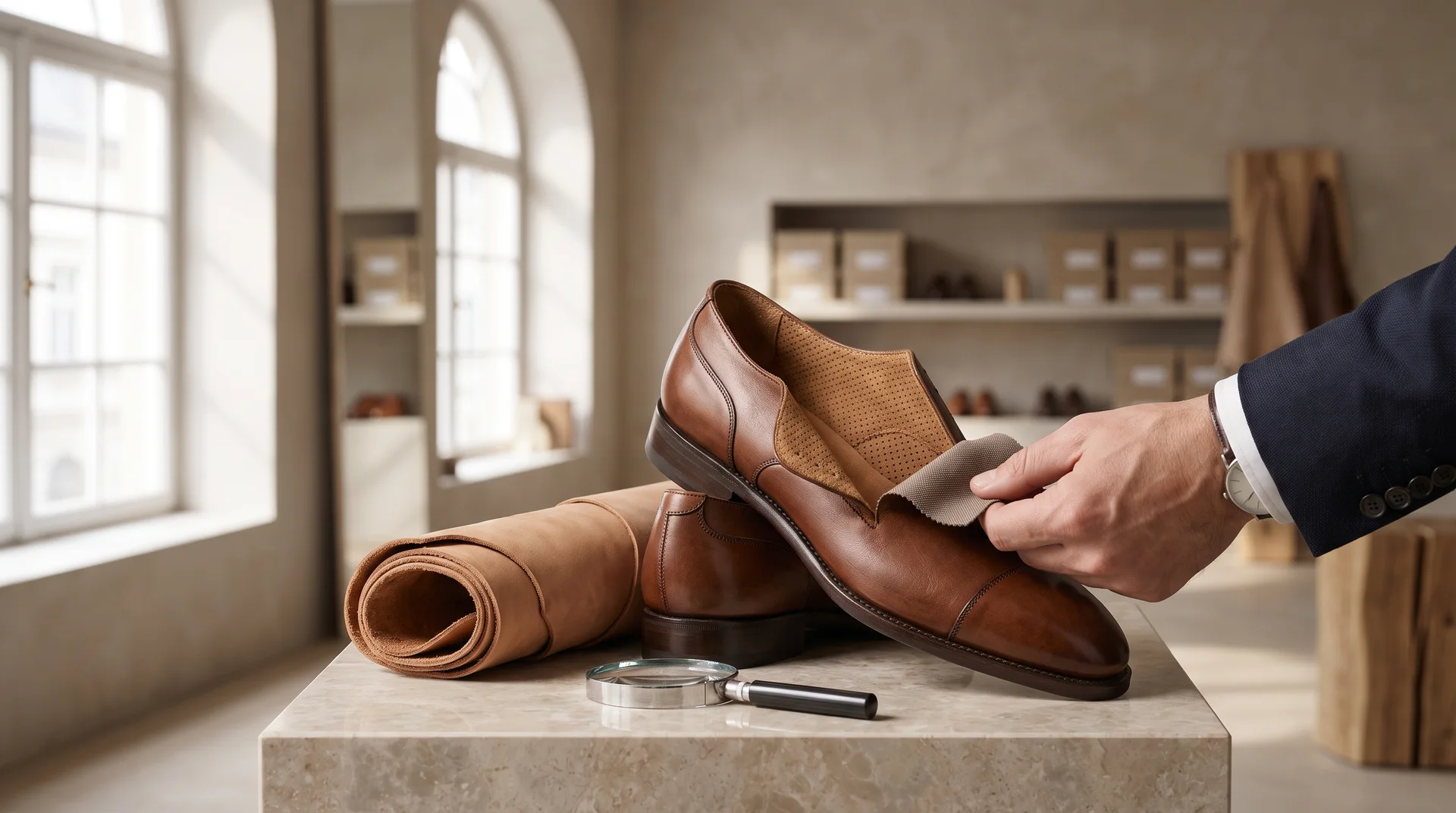
Examine product images on the page carefully. Zoom into high-resolution photos to observe lining texture, pore structure, or fabric weave. Features such as product videos offered by Bulkoon are very valuable here. Videos show the shoe interior from different angles, giving a better idea of material flexibility and overall appearance. Details that may be missed in static photos can be revealed in videos.
Supplier Reliability and Transparency
The way the platform vets its suppliers is crucial. Platforms like Bulkoon work only with approved suppliers providing an additional security layer for buyers. Review the supplier’s profile, history, and feedback from other buyers (if available). Suppliers active on the platform for a long time who provide consistent and detailed product information tend to be more reliable. Transparency is the foundation of trust in digital commerce.
Conclusion: The Path to Customer Satisfaction Runs Through Quality Linings
Lining quality is often overlooked in wholesale footwear purchasing, yet it deeply impacts both customer satisfaction and business profitability. Issues like odor and sweating are directly related to the lining material’s breathability and moisture management capacity. As retailers, understanding the differences between genuine leather, textile, and synthetic materials and selecting the right one for each product is key to reducing returns and building a loyal customer base.
Conducting physical inspections, asking suppliers the right questions, and efficiently utilizing digital platform tools enable informed and profitable purchasing decisions. Remember, the comfort customers feel throughout their day is one of the most important factors determining your store’s reputation and success. Investing in a quality lining is an investment in your brand.