Sustainable Fashion: The Rise of Vegan Footwear Wholesale

Discover the potential of the vegan footwear market for wholesale buyers. We focus on sustainable and animal-friendly materials, methods to find reliable suppliers, and strategies to create a conscious collection for your store.
The shift in consumer awareness has evolved from being merely a niche market dynamic to a powerful commercial reality shaping the mainstream footwear industry. Particularly, the sensitivity toward sustainability and ethical production compels wholesale buyers and retailers to reconsider their product selection strategies. At the core of this transformation are vegan shoes. These products, made with animal-friendly materials, were once seen as an alternative category but are now the primary choice of conscious consumers and offer significant growth opportunities for stores. Therefore, it is critical for wholesale businesses to understand this rising trend and know how to shape their supply chains according to this new demand.
What Are Vegan Shoes? Basic Materials and Differences
The concept of vegan shoes means that no animal products or by-products are used at any stage of the production process. This is not limited to just the upper part of the shoe; adhesives, dyes, and other components must also be completely free from animal-derived content. Wholesale buyers must ensure that the products obtained from suppliers fully comply with this definition, as this is the first step to securing consumer trust.
Non-Animal Alternatives
There are many innovative and high-performance materials that replace traditional leather. Knowing these materials is a fundamental requirement for making the right product choices. The most common vegan shoe materials include:
Polyurethane (PU) and Microfiber: These are among the most popular synthetic leathers. Thanks to modern manufacturing techniques, they can perform very close to real leather in terms of breathability, flexibility, and durability.
Recycled Materials: Fabrics made from waste such as recycled polyester from PET bottles or ocean plastics are frequently used, especially in women’s sports footwear and sneaker models.
Plant-Based Leathers: Biodegradable and innovative materials derived from pineapple leaves (Piñatex), apple peels, mushrooms, or cacti push the sustainability standards even higher.
Natural Fabrics and Materials: Natural sources like cotton, linen, hemp, and mushrooms are also commonly preferred in vegan shoe production, offering environmentally friendly and aesthetic options.
Perceptions of Quality and Durability
The past "low quality" perception associated with synthetic materials has largely disappeared thanks to advancements in materials science. Today, vegan leathers produced with high technology are highly resistant to abrasion, water, and staining. Wholesale buyers can verify quality and longevity by requesting material test results or technical details from suppliers. A quality vegan shoe, with proper care, can last as long as traditional leather shoes, and conveying this message accurately to the end consumer is important for sales success.
The materials and production techniques used in making vegan shoes directly determine the product’s quality and market value. Understanding these material properties enables wholesale buyers to select the right suppliers and effectively communicate the product’s value to their customers.
Market Potential of Vegan Footwear for Wholesale Buyers
The vegan footwear market has evolved beyond serving a small group driven by ethical concerns to becoming a global fashion trend. Understanding the commercial opportunities offered by this market can give wholesale buyers a competitive edge. Market growth depends on factors such as demographic changes and brand positioning.
Growing Consumer Demand
Particularly, generations Y and Z prioritize brands' environmental and social responsibilities in their purchasing decisions. This demographic values transparency, ethical production, and sustainability. For them, a product being "vegan" is not just a feature but a reflection of shared values. Therefore, a retailer offering vegan options in their store has the potential to attract this loyal and conscious customer base. This demand is not limited to everyday women’s casual footwear models but spans a wide range, including stylish and special design products.
Brand Image and Differentiation
In the highly competitive retail sector, differentiation is the key to success. Adding vegan shoes to your collection helps position your brand as modern, innovative, and responsible. This not only strengthens your connection with existing customers but also provides a powerful marketing tool to tell your brand’s story. Emphasizing sustainability and ethical values strengthens your business identity and sets you apart from competitors selling similar products. This strategy is particularly effective for boutique stores aiming to build their own brand.
Investing in the vegan footwear segment not only meets an existing demand but also prepares your business for future consumer expectations. This market is a strategic investment area for wholesale buyers because of its commercial potential and the positive image it adds to brand value.
How to Find Reliable Vegan Footwear Suppliers?
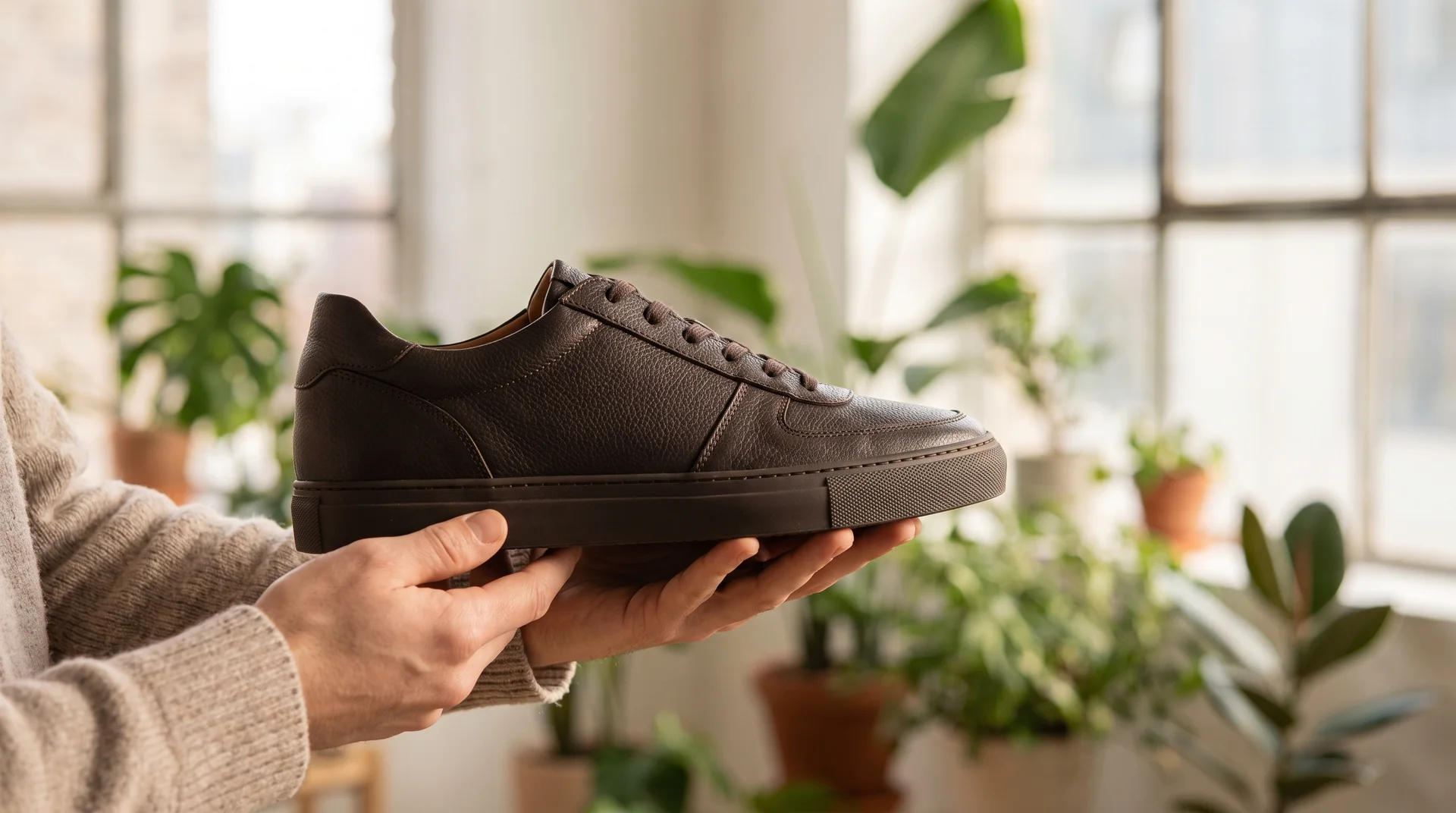
The most critical step in building a vegan footwear collection is working with correct and reliable suppliers. Ensuring that the products genuinely meet vegan standards and that quality is sustainable is vital for your business reputation. This requires careful research and verification.
Certification and Transparency
One of the most distinctive features of a trustworthy supplier is transparency. Do not hesitate to ask clear questions about the origins of materials, the contents of adhesives, and production processes. Certifications with international validity provide important assurance in this regard. For example, logos like PETA-Approved Vegan confirm that products are not tested on animals and contain no animal-derived ingredients. Having such documents from your supplier increases trust in your brand for both you and your customers. Transparency in the supply chain forms the foundation of ethical trade. [1]
The Role of Digital Wholesale Platforms
Traditional supplier search methods can be time-consuming and costly. Digital B2B marketplaces like Bulkoon significantly ease this process. These platforms typically subject suppliers to a verification procedure. The approved suppliers on Bulkoon provide an environment where businesses can trade with confidence. Moreover, with advanced filtering options, buyers can directly search by "vegan" or specific material types to quickly find products and manufacturers suited to their needs. Searching among over 10,000 model options increases the likelihood of discovering niche products and reduces the time spent on market research.
Choosing the right supplier forms the foundation of your vegan footwear business. Checking certifications and utilizing trusted digital platforms like Bulkoon minimize risks and enable access to products that meet quality and ethical standards.
Considerations When Creating a Vegan Collection
Creating a successful vegan shoe collection for your store requires more than just sourcing the right products. Product variety, style selection appropriate for your target audience, and an effective marketing strategy are crucial for success in this niche market. With a strategic approach, your vegan collection can become one of your store’s most profitable sections.
Model Variety and Style
It is important not to fall into the misconception that vegan shoes are limited to specific styles or designs. Consumers seek products that meet their ethical values as well as their aesthetic expectations. Therefore, your collection should include diversity. Offering vegan options in various categories such as sports shoes, everyday boots, elegant women’s ballet flats, and even heels allows you to reach a broader customer base. By following trends and analyzing customer expectations, you can create a balanced vegan product portfolio that caters to all tastes.
Pricing and Marketing Strategy
The pricing of vegan shoes can vary depending on material quality, production complexity, and brand value. Generally, sustainable and innovative materials may cost a bit more, but conscious consumers are willing to pay extra for ethical and quality products. When pricing, it is important to emphasize the value the product offers (durability, style, ethical production). In your marketing strategy, tell the product’s story. Share with your customers how the materials are sourced, why your brand chooses to offer vegan products, and the positive environmental impacts of this choice. This builds an emotional connection and brand loyalty.
A successful vegan collection combines the right product selection, strategic pricing, and transparent marketing communication. Paying attention to these elements allows you to create a category in your store with both commercial and reputational value.
Material Information and Labeling Regulations
When trading vegan products, the accuracy and transparency of information provided to consumers play a critical role. Incorrect or misleading labeling not only undermines customer trust but can also lead to legal problems. Therefore, wholesale buyers must obtain accurate information from suppliers and correctly convey it to end users.
Using the Right Terminology
The language used to describe products directly affects the customer's perception. Although the term "vegan leather" is commonly used in marketing, the actual material composition should be specified on labels. For example, specific expressions like "Polyurethane-based synthetic leather" or "Made from pineapple leaf fibers" increase transparency. Consumers want to know exactly what they are purchasing. This honest approach strengthens trust in your brand and is appreciated by conscious consumers. You can manage this process by requesting detailed information about all product components from your suppliers.
Legal Compliance and Consumer Trust
Many countries have consumer protection laws related to product labeling. These laws prevent misleading information about a product’s content, origin, and features. If a product claimed to be vegan contains animal-derived substances in hidden components such as adhesives, it can result in serious legal consequences. Therefore, you must be diligent about your suppliers’ production standards and declarations. Working with verified suppliers through trusted platforms that you know how they operate helps minimize such risks. Proper and legal labeling is fundamental for long-term customer satisfaction and brand reputation.

Labeling and material information are among the most sensitive aspects of vegan footwear trade. Using correct terminology and complying with legal regulations protect your business while building a strong customer relationship based on transparency.
Investing in the Future: Vegan Shoes and Sustainable Trade
The rise of vegan footwear is not a fleeting trend in the fashion industry; it signals a lasting transformation. As consumer expectations reshape around ethical and environmental values, investing in this sector is not just a commercial move for wholesale buyers and retailers but a strategic positioning for the future. Offering sustainable and animal-friendly products enhances your brand value, connects you with new generation consumers, and makes your business more resilient. By taking this conscious step, you can meet market demands while becoming part of a more responsible trading approach.
Sources
Information in this article draws on the following sources.