You might also like

 3 colors
More Color Options

 3 colors
More Color Options
 3 colors
More Color Options
 5 colors
More Color Options
 2 colors
More Color Options
 3 colors
More Color Options

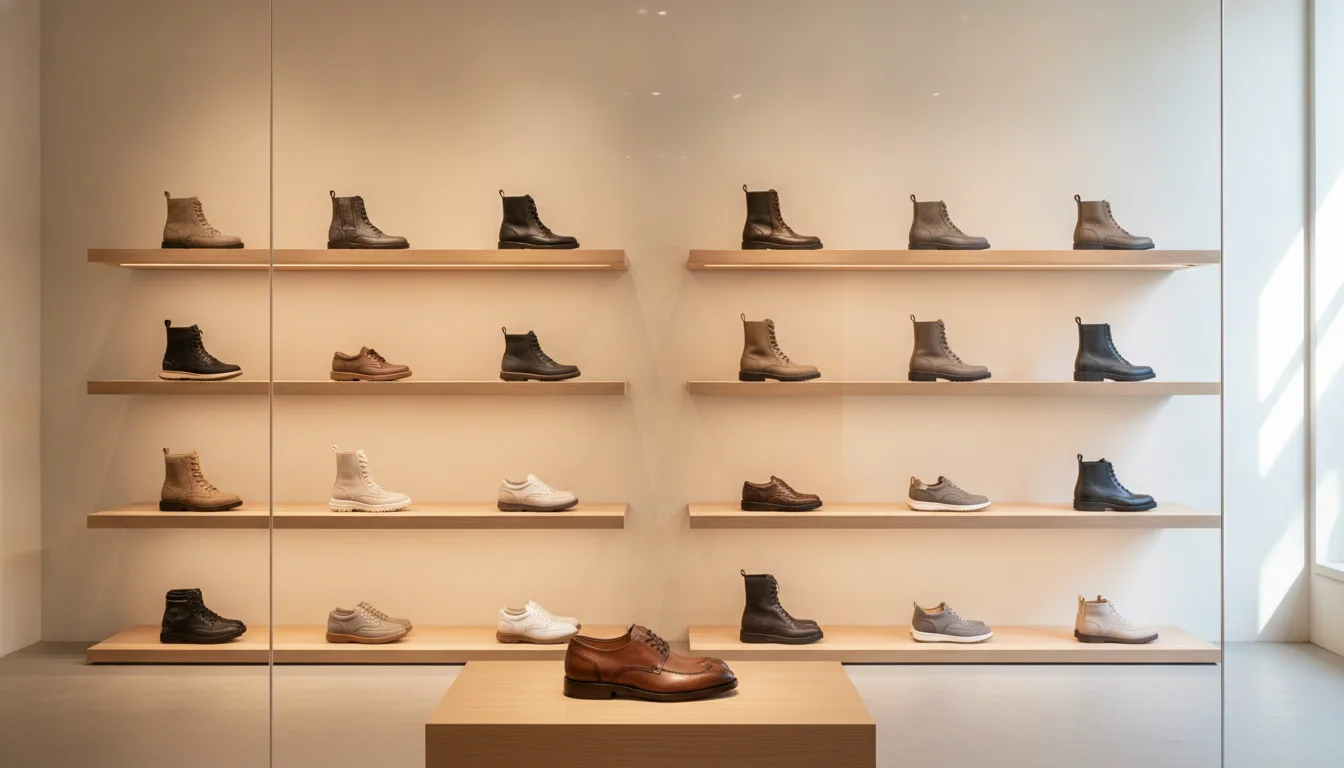
Learn how shelf and window display layouts impact sales in footwear retail. Tips on assorted size tracking, eye-level presentation, and stock turnover speed are covered in this guide.
The sole factor determining a customer's purchase decision upon entering a footwear store is not just the product design or price. The product's position in the window, its height on the shelf, lighting, and its visual relationship with adjacent models directly influence conversion rates. A buyer's eyes tend to fixate on certain focal points within the first few seconds inside the store. Instead of stacking similar colors and models, a design language crafted according to customer needs extends the time spent browsing between aisles while speeding up the decision-making process. Visual merchandising in retail acts like a silent sales representative.
The window display is your store's first business card to the outside world. You have just a few seconds to convince a passing potential customer to enter. Trying to fill the window with the entire product range during this short time causes sensory overload and diminishes the perceived value of the products.
Rather than lining up dozens of different models side by side in the window, it is much more effective to select between 3 to 5 key models that are either the season's bestsellers or the most eye-catching. For example, focusing on a stylish new season women's stiletto collection at the center and supporting it with simple accessories accentuates the product's quality. Displaying fewer but strong-story products reinforces the store's premium perception.
Directing light at the correct angle highlights the shoe’s leather texture, stitching details, and sole construction. Using stands of varying heights in the window allows the eyes to move naturally and creates a dynamic sense of depth rather than a flat line. Selecting standout main pieces that match your window concept during wholesale purchasing simplifies window renewal processes.
Window layouts without focused points slow down customers' decision-making mechanisms and reduce store entry rates.
3 colorsMore Color Options
3 colorsMore Color Options
3 colorsMore Color Options
5 colorsMore Color Options
2 colorsMore Color Options
3 colorsMore Color Options
The path a customer takes from the door to the cash register should be guided by the right store architecture. In-store layout should be shaped according to mental usage scenarios rather than random product placement.
The first 2-3 meters of the store near the entrance is called the "decompression zone." Customers acclimate to the store atmosphere here and generally do not stop to examine products. Therefore, instead of crowding this area with the most critical and high-margin products, this zone should be kept spacious. Customers tend to turn right immediately upon entering. Displaying the newest and most attractive collections on the right wall naturally guides customer flow.
Arranging products merely by color or brand can make it difficult for customers to find what they seek. Instead, thematic groupings such as daily use, office elegance, or sports activities should be created. For instance, one aisle can consist entirely of women's loafers and casual models suited for work life, while another aisle may contain options catering to daily comfort. Categorization tailored to customer needs directly increases cart size.
The "golden zone" in shelf arrangement refers to shelves at average eye and hand height. These areas contribute the largest share to store revenue and profitability.
Shelves approximately 120 cm to 160 cm from the ground are areas customers notice with minimal effort. Products with the highest profit margins, new season stars, and popular models targeted for stock clearance should be displayed on these shelves. Basic models or out-of-season discounted products can be placed on low shelves or hard-to-reach top shelves.
Cross-selling strategy is the most practical way to increase cart value in footwear retail. Placing a matching bag, leather care cream, or replacement shoelaces next to a shoe encourages complementary purchases. Moreover, price tags must be clear, readable, and accurately aligned with the product. Unclear or confusing tags damage customer trust and delay purchase decisions.
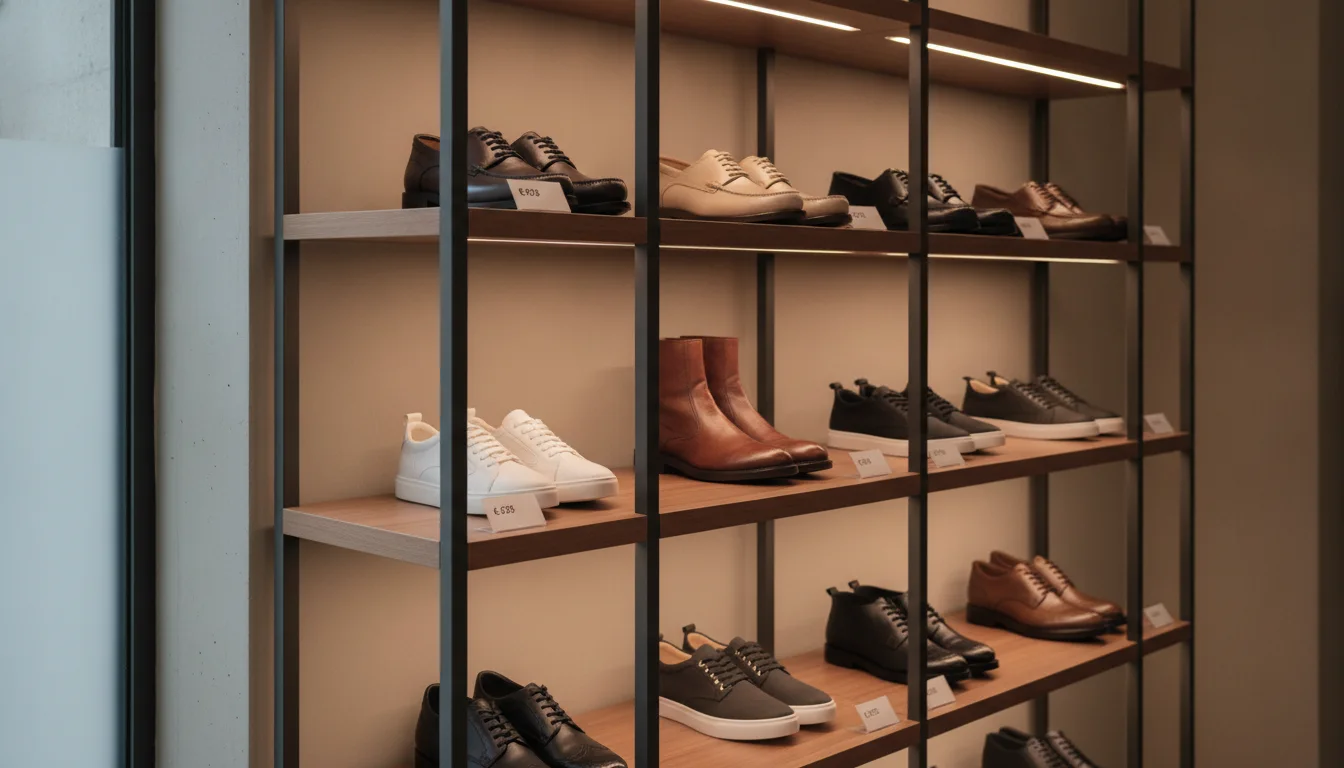
Place the season's most profitable products on shelves at eye level.
Support cross-selling by adding compatible bags or care products next to shoes.
Ensure that price and size labels are transparent and clearly visible.
One of the most common operational problems in footwear retail is when a sought-after product size on the shelf is unavailable in the warehouse. This leads to both lost sales and customer dissatisfaction. Visual merchandising must work integrally with the underlying assortment structure.
The sizes displayed are usually chosen from the average foot sizes, such as 37-38 (women) or 41-42 (men). This ensures the shoe looks aesthetically best on the shelf. However, if the displayed model’s assortment depth is weak and only extreme sizes (like 35 or 40) remain, that model should be removed from the main display area or moved to the clearance rack. Models with full assortments in stock should always take priority in display areas.
For example, continuing to display a size 38 sports shoe at eye level when it has sold out leads store staff to frequently answer "out of stock." This wastes time and negatively impacts customer experience. Instead, stock with full size ranges ready in the warehouse should replace products with broken assortments. Choosing ready stock products via Bulkoon ensures that broken assortments are quickly replenished and shelf layouts remain uninterrupted.
Store layouts should not remain static. To enable customers to feel a different dynamic on each visit, shelves must be updated regularly.
Weekly sales reports should identify best-selling and slow-moving models. A highly profitable model with low interest that is moved from a back shelf to eye level or placed within a well-coordinated men's sports set can instantly improve sales performance. Data-driven relocations directly accelerate stock turnover.
Placing discounted products right at the store's front during season transitions can undermine the fresh season image. Discount racks should be positioned in the middle or rear of the store. While customers move towards discounted products at the back, they pass by new season items, increasing total sales volume.
The shelf and window strategies you implement in your footwear store ensure lasting success when supported by direct sales statistics. Visual merchandising is a commercial discipline beyond aesthetics and requires regular measurement.
Tracking how much revenue each shelf area generates optimizes future product placement plans. Keeping fast-selling models in strategic points while timely relocating low-stock products to discount zones maximizes store efficiency.
To consistently offer fresh, trendy models in your store windows and shelves, a strong supply chain is essential. Bulkoon, which stands out with free shipping across 81 provinces in Turkey and a network of approved producers offering over 10,000 model options, allows you to quickly meet your store's shelf needs. Thanks to a platform operating only with ready stock, ordered products reach your shelves quickly, keeping your window displays vibrant and uninterrupted.
Information in this article draws on the following sources.
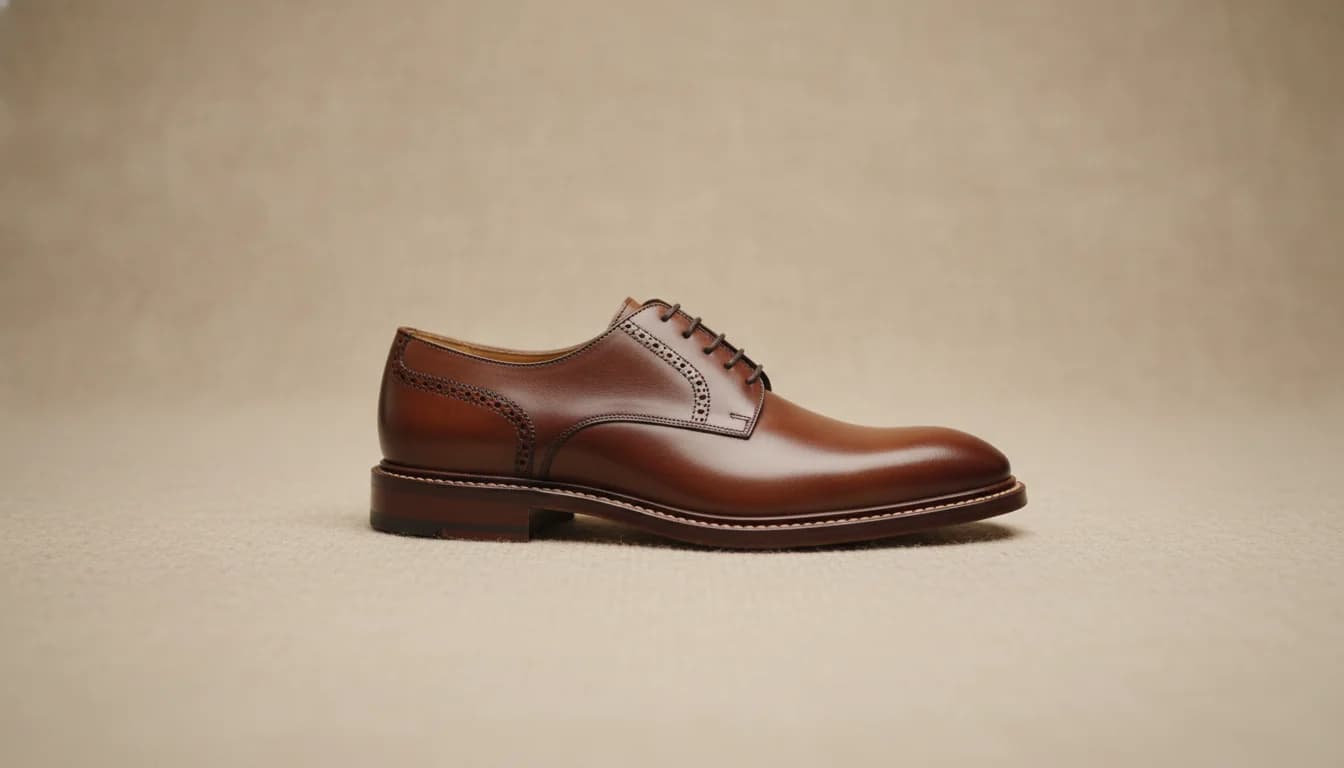
The impact of product photos on purchase decisions in shoe e-commerce and wholesale, the use of correct angles, color balance, and visual advantages for retailers.
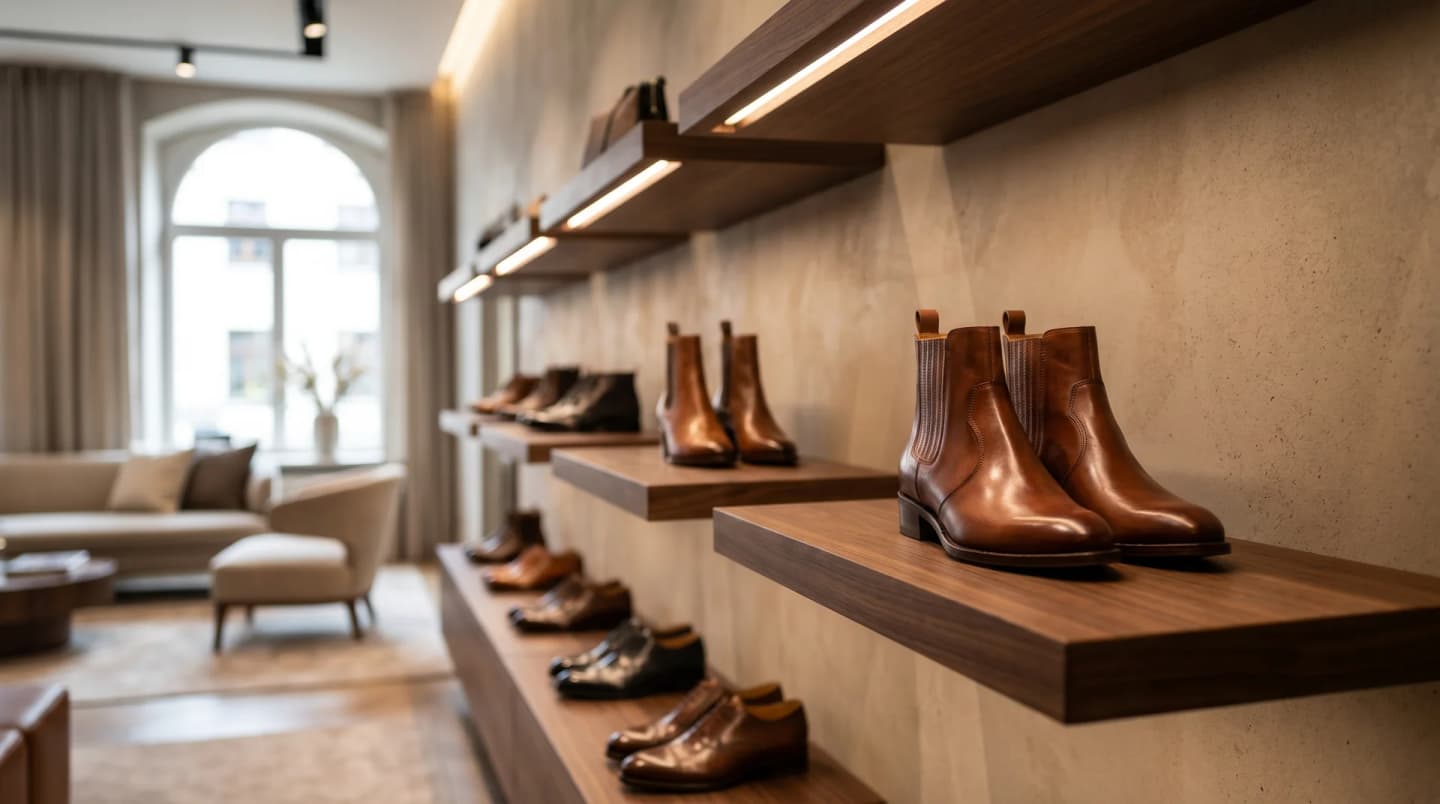
Managing a successful footwear store is not just about sourcing the right products. How these products are presented to customers-the in-store placement strategy-directly affects sales performance. From window display to shelf management, lighting to category separation, every detail shapes the customer's purchasing decision. This guide covers the fundamental principles of in-store product placement and practical tactics to increase sales.
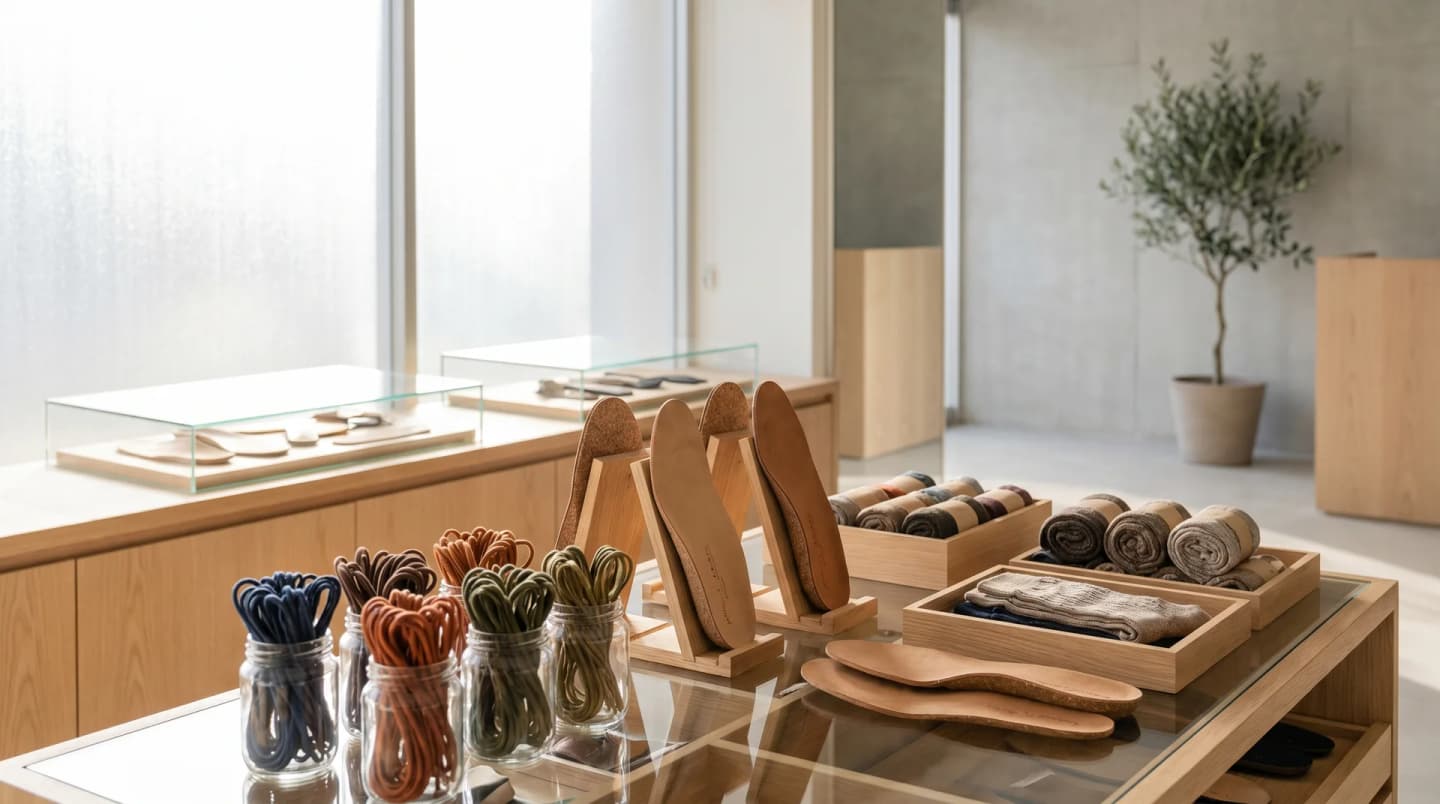
Discover how to strategically use small but effective footwear accessories like laces, insoles, and socks to boost your shoe store's profitability. Practical tips from supplier selection to in-store presentation, pricing, and digital marketing.
