The Era of Fast-Moving Products Has Begun in Wholesale Footwear

Traditional seasonal purchasing models in footwear retail are being replaced by weekly cycles driven by social media trends. Success now depends on the ability to identify and supply fast-selling products that enable rapid cash flow rather than holding large inventories. In this new era, agility and accurate supply strategies have become the key to profitability.
The rules of the game are being rewritten in wholesale and retail footwear. Large bulk purchases made for six-month seasons have now been replaced by instant trends and fast consumption dynamics. A model that goes viral overnight on social media and is not stocked on store shelves the following week means a missed opportunity. In this new equation, “idle inventory” is one of the largest cost items. Success now relies more on quickly sourcing and selling the right product to keep cash flow continuous rather than holding large and diverse stock. This transformation presents both a challenge and a great opportunity, especially for boutique store owners and new entrepreneurs.
Understanding the Shift from Traditional Seasonal Purchasing to Fast Consumption
In traditional commerce, sandals for the next summer season were ordered in mid-winter, and winter boots were selected during hot summers. This long-term planning relied on predictable and slow-changing trends. However, digitalization and the rise of social media have completely invalidated this calendar. Consumers no longer wait for seasons set by brands or designers; they draw inspiration instantly from digital platforms and want immediate access to products.
This situation forces businesses that purchase wholesale to undergo a strategic change. Instead of tying capital to a product for six months, purchases now need to be smaller, more frequent, and more precise. Similar to the “Just-in-Time” inventory management approach, this model reduces risk while using capital more efficiently. Fast consumption is not just a sales technique but also a financial management strategy.
The Changing Role of Social Media and the Viral Effect
Platforms like Instagram and TikTok are no longer just marketing channels; they are the primary hubs where trends are born and spread. For example, an influencer-shared women’s sports shoe model can reach thousands of potential buyers within hours, creating a sudden surge in demand. This “viral effect” occurs at a speed that traditional supply chains struggle to match. Store owners can turn this situation to their advantage by actively monitoring these platforms and identifying potential hit products early.
Consumer Expectations: The Pressure for Immediate Availability
Consumers in the digital age are impatient. They do not want to wait weeks for a product they like. The next-day delivery standards of e-commerce giants have also raised expectations for physical stores. Customers visiting your store to try a women’s loafer they saw on social media or slippers admired at a friend’s place do not want to hear “out of stock.” This expectation constantly forces retailers to keep their inventories fresh and up to date. Focusing on fast-moving products is the most effective way to meet this immediate availability pressure.
How to Identify Fast-Moving Products?
Predicting which products will sell quickly in the market requires both art and science. Purchases based solely on intuition carry great risks. Instead, adopting a data-driven and systematic approach significantly increases accuracy. Identifying fast-moving products is one of the most critical competencies that directly impact your store’s profitability. This process involves analyzing your own internal data as well as monitoring the overall market pulse.
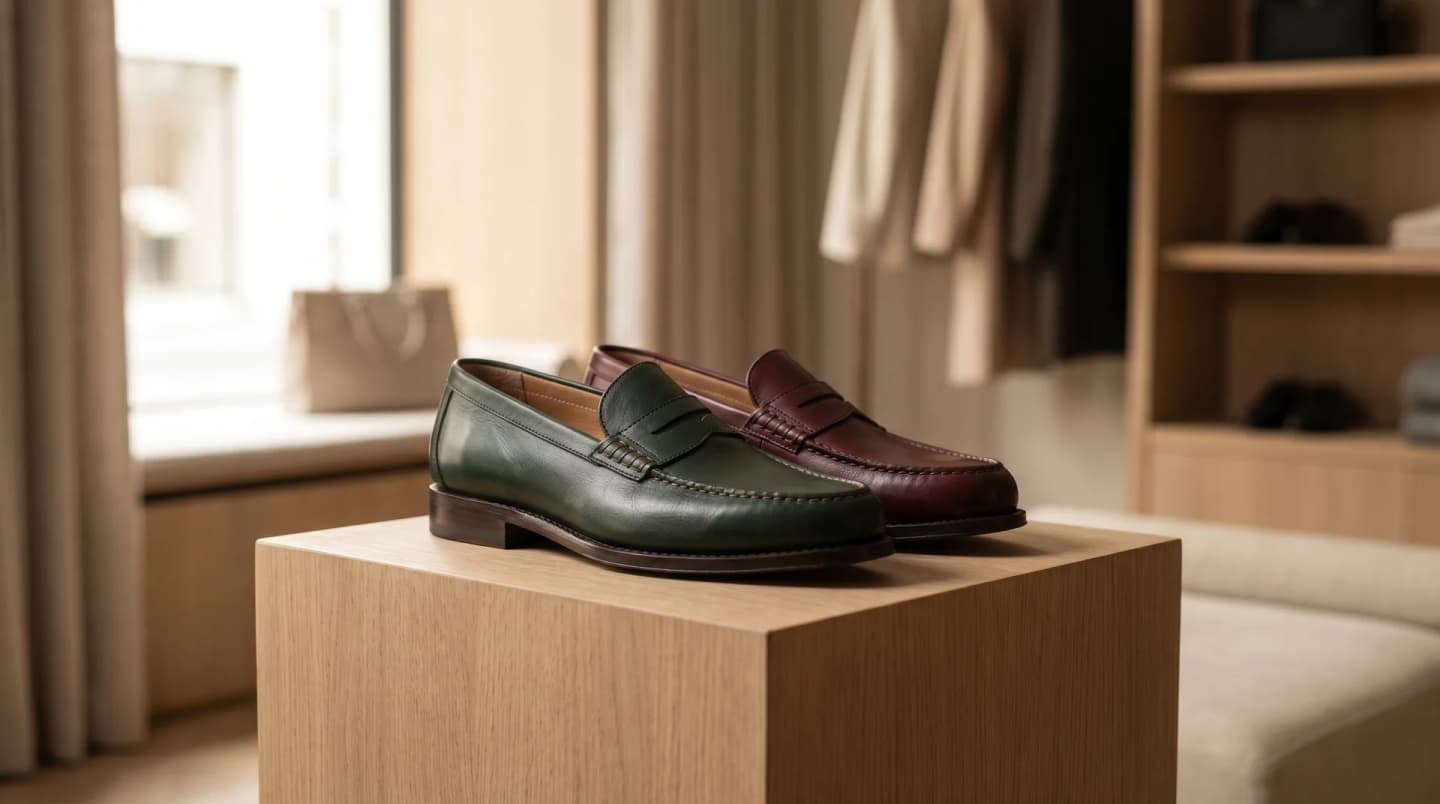
Selecting the right products does not just mean finding what is popular. It also includes identifying models suitable for your customer base’s demographics, buying habits, and price sensitivity. For example, viral sports shoes might be a priority for a boutique targeting a young crowd, whereas timeless ballet flats or moccasins might turnover faster in stores serving customers with a more classic style.
Data-Driven Supply: Sales Reports and Trend Analysis
The most valuable data is found within your own store. Reports from your point-of-sale (POS) system clearly show which categories, brands, colors, and even sizes sell faster. By analyzing past sales data, you can forecast potential future hits. For instance, if certain men’s daily shoe models with specific sole structures consistently perform well, new models with similar sole designs are likely to succeed as well. Platforms like Bulkoon offer a wide catalog with over 10,000 model options to help you make these data-based choices.
Observing Market Dynamics: Competitor and Influencer Tracking
The market is not only about numbers. Observing which products your competitors highlight in their windows can provide important clues on which models are becoming popular. Similarly, following fashion bloggers and influencers loved by your target audience allows you to catch the next big trend before anyone else. Combining these observations with quantitative data creates a much stronger decision-making mechanism.
Stock Turnover Rate and Cash Flow Management
Profitability in wholesale footwear is not measured solely by margin per unit. How quickly capital converts from money to product and back to cash again-the stock turnover rate-is as important as the margin. The core goal of a fast-moving product strategy is to maximize stock turnover to maintain healthy cash flow. A product that sits on the shelf for a long time, although appearing valuable on paper, is actually dead investment and ties up your capital. Therefore, stock management and size run planning are the most critical operational processes in this new era.

This topic is especially vital for boutique businesses with limited capital. A poor size run plan or a large investment in slow-moving products can cause financial distress within a few months. Therefore, every purchasing decision should consider potential sales velocity and time to cash conversion.
The Direct Impact of Stock Turnover on Profitability
Stock turnover rate measures how many times inventory is sold and replenished within a certain period. A high turnover means your products are in demand, your capital is used efficiently, and your storage costs are low. A low turnover signals investment in unpopular products, money locked in inventory, and increased risk of markdowns or losses. By focusing on fast-moving products, you can create many more buying-selling cycles within a season using the same capital, thus increasing overall profitability.
Reducing Risk with Proper Size Runs and Size Distribution
In wholesale footwear, a “size run” is a series containing different sizes of a model. In a fast-moving product strategy, proper size run planning minimizes risk. Not every size sells at the same rate; usually, middle sizes like 37-38-39 sell faster, while smaller or larger sizes such as 36 or 40 may remain on the shelf. By analyzing your data, you can identify best-selling sizes and request “adjusted size runs” or customized series weighted toward those sizes. This reduces the pressure to sell the entire series and decreases leftover single pairs, protecting your profitability.
Building an Agile Supply Chain with Digital Wholesale Platforms
Being able to adapt to the fast product cycle requires an agile and efficient supply chain. Traditional methods such as visiting wholesalers in person, waiting for fairs, or ordering by phone fail to meet today’s speed demands. Digital wholesale platforms offer retailers the speed, variety, and efficiency they need. Accessing thousands of models from hundreds of suppliers on a single screen, comparing prices, and placing orders instantly gives businesses a tremendous competitive edge.
Shoe-focused B2B marketplaces like Bulkoon simplify this process even further. They provide infrastructure that understands industry dynamics and aim to help buyers not just find products but also make faster, better decisions. These platforms are the strongest supply partner of the modern retailer.
The Power of Ready Stock: Instant Shipment without Waiting
When you find a fast-moving product, the last thing you want is to wait for a production process. Since trends change rapidly, waiting weeks can mean losing the opportunity. One of Bulkoon’s biggest advantages is that all products on the platform are ready stock only. This means when you order a model you like, it is ready for shipment without waiting for production. Thus, you can respond immediately to detected demand and quickly stock your shelves.
Using Technology: Smart Filtering and Video Reviews
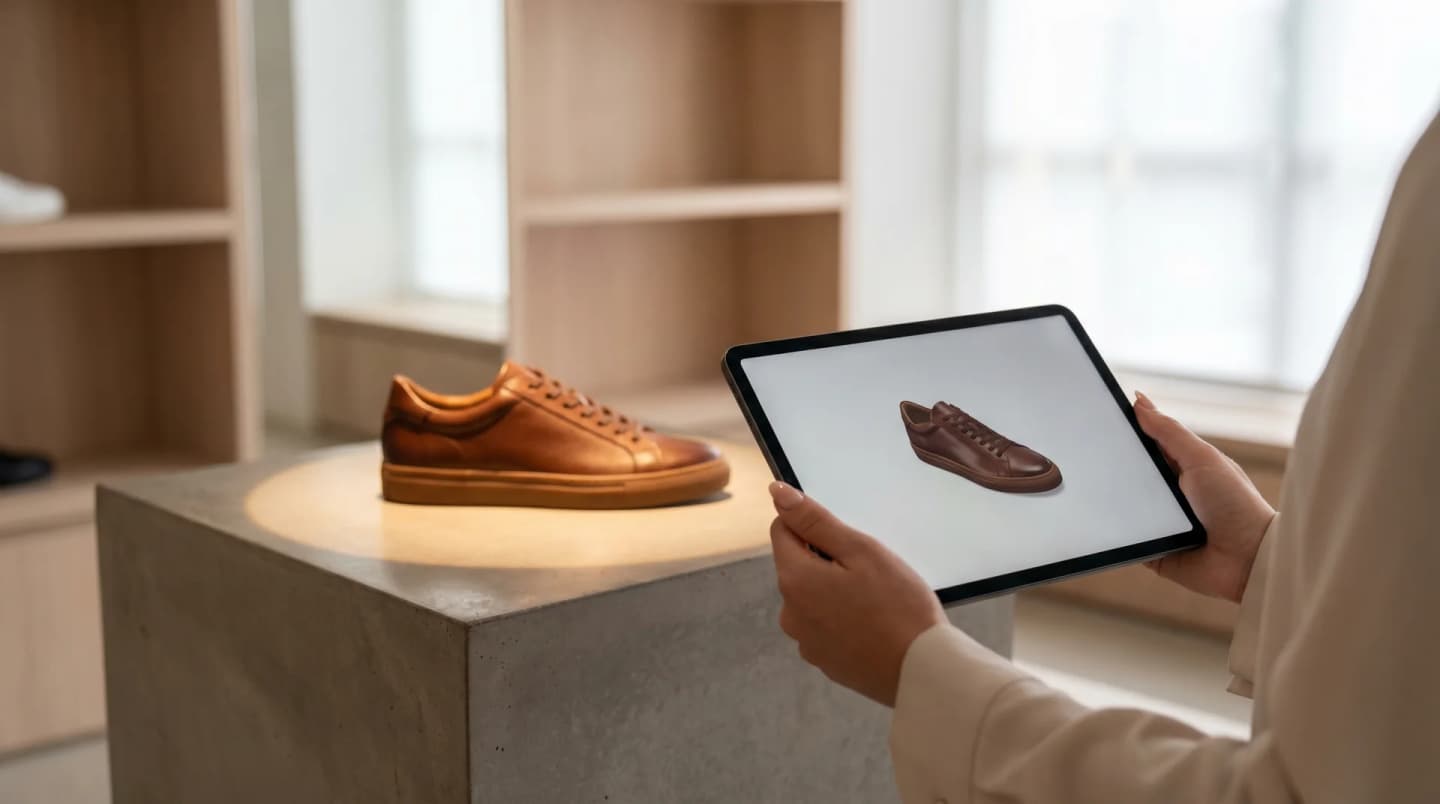
Finding the right product among thousands of models can be time-consuming, but technology simplifies this. Bulkoon offers AI-powered smart selection and advanced filtering options that help you reach products by category, color, material, or price range within seconds. Additionally, videos available for some products let you examine models in detail from all angles. These technological tools assist you in making more accurate and faster purchasing decisions without the hassle of physically visiting wholesalers.
The Importance of Supplier Relationships in Fast-Moving Product Strategies
Establishing a fast and flexible supply chain is not only about using the right technological tools. It also requires building strong relationships with reliable and cooperative suppliers. Your supplier is not just a company selling products but a strategic partner from whom you can gain market insights, learn about new trends, and obtain operational flexibility. A good relationship can give you priority in difficult times or sudden demand surges.
Managing these relationships is based on mutual trust and transparency. Timely payments, clear order requests, and constructive feedback make you a valued customer in the supplier’s eyes. This, in turn, rewards you with better prices, more flexible terms, and higher quality service over the long run.

Working with Trusted and Approved Suppliers
There are countless manufacturers and wholesalers in the market, but not all offer the same quality and reliability standards. Especially on online platforms, knowing who your supplier is is critical. Bulkoon eliminates this concern by working only with approved suppliers on its platform. Every supplier undergoes a verification process before acceptance. This allows buyers to confidently shop directly from producers without intermediaries and at better prices. A trusted supplier network reduces your risk of unpleasant surprises.
Flexible Order Terms and Minimum Order Quantity (MOQ)
Fast-moving product strategies often require placing smaller and more frequent orders. At this point, the Minimum Order Quantity (MOQ) set by suppliers becomes an important factor. High MOQs can make it difficult for small boutiques to try a new model or replenish stocks in small batches. Strong relationships with trustworthy suppliers or the flexibilites offered by platforms like Bulkoon can provide the opportunity to work with more manageable MOQs. This allows you to test new products with less risk and use your capital more efficiently.
Preparing for the Future: Staying Afloat in the Age of Fast Consumption
The future of footwear retail is undoubtedly built on speed, data, and adaptation. We are no longer in a world where the big fish swallow the small fish, but where the fast fish outpace the slow fish. Succeeding in this new market requires embracing change rather than resisting it and continuously updating your business model according to this new reality. Focusing on fast-moving products is not just a trend but the new standard for sustainable profitability.
In this journey, business owners must remain open to continuous learning and experimentation. A strategy that works today may lose its effectiveness in six months. Therefore, closely monitoring market dynamics, technological innovations, and consumer behaviors is the key to staying one step ahead in the competition. Discover how Bulkoon works to take your first step toward this agile supply model.
A Culture of Continuous Learning and Adaptation
The secret to success is not executing a static plan but creating an organizational culture that constantly learns and adapts. Analyze why certain products sell or don’t sell. Actively collect feedback from your customers. Follow innovations and digital tools in the industry. This dynamic approach will keep your business ahead of the market.
Incorporating Customer Feedback into Product Selection
Your most valuable source of information is the customers who enter your store or visit your online site. Try to understand which models they ask about, which colors they look for, or why they decided not to buy a product. This feedback provides the most accurate roadmap for your next wholesale purchase. Listening to the customer’s voice is the human complement to data analysis and maximizes the chance of choosing the right product.