Sneaker Culture and Its Dominance in Retail Sales

Sneakers are no longer just sports equipment but a cultural phenomenon shaping the retail world. We explore why and how boutiques and stores must have a strong sneaker collection to survive in this dynamic market, along with wholesale purchasing strategies.
Sports shoes have stepped out from athletic tracks and gyms to become an indispensable part of urban life and fashion runways. Sneakers, which now offer not only comfort but also serve as a form of expression, a status symbol, and an enormous commercial power in retail, appeal to consumers of all ages and styles. This cultural and commercial dominance presents both a great opportunity and a challenge that must be managed carefully, especially for boutiques and retail stores. Failing to give sneakers their rightful place in your collection means ignoring a significant portion of your potential customer base.
The Rise of Sneaker Culture and Consumer Behaviors
The evolution of sneaker culture reveals its transformation from a niche subculture into a global phenomenon. This transformation has fundamentally changed consumers’ perspectives on shoes, purchasing habits, and brand loyalty. For retailers, understanding this culture is key to presenting the right products at the right time.
From Street Fashion to Luxury Brands
Initially associated with street cultures such as hip-hop and skateboarding, sneakers gradually crossed boundaries to infiltrate the collections of luxury fashion houses. Collaborations by famous designers and brands, limited-edition special models, and reinterpreted iconic designs have turned sneakers into collectible objects. Consumers now buy not just a shoe but a story, an identity, and an investment. This situation opens the door for boutiques to include not only standard models but also more exclusive and eye-catching designs.
A Universal Language Appealing to All Age Groups
One of sneakers’ greatest strengths is their ability to erase demographic boundaries. While they serve as a tool to follow the latest trends for young people, they offer a practical solution combining comfort and style for more mature audiences. A pair of classic white sneakers on a boutique’s shelf can appeal equally to a university student and an office professional. This universal appeal enables stores to expand their customer base and attract buyers from different segments. A well-curated selection can open your store’s doors to a much broader audience.
Understanding sneaker culture means not only stocking popular models but also grasping the stories behind those models and the motivations of consumers. This insight enables more effective decisions across marketing strategies and in-store displays.
Why a Strong Sneaker Collection Is Vital for Boutiques
In today’s competitive retail environment, it is inconceivable for a boutique to exclude sneakers from its footwear collection. This category offers not only high sales potential but also directly impacts the store’s overall image and customer experience. A strong sneaker assortment is one of the most important factors that distinguish a store from its competitors.
Increasing Customer Traffic and Loyalty
Popular and sought-after sneaker models attract customers naturally to your store. Customers might visit your store specifically to find a particular model and discover other products during the visit. A constantly refreshed and trend-aligned sneaker collection motivates customers to return regularly. This supports not only immediate sales but also long-term customer loyalty. Customers tend to repeatedly return to a store where they find their desired style.
Cross-Selling Opportunities and Brand Image
Sneakers are key pieces completing an outfit. If your store also sells apparel, you can create perfect cross-selling opportunities by pairing the right sneaker models with clothing. For instance, displaying a new-season dress or a pair of jeans alongside a matching sneaker increases the chance the customer will purchase the full outfit. Additionally, having a current and varied sneaker collection helps your boutique project a modern, dynamic, and trend-aware brand image. This image is especially appealing to young and fashion-conscious consumers.
In summary, sneakers are not just a product category for a boutique but also a marketing tool, an image element, and a means of building customer relationships. Investing correctly in this category contributes directly to your store’s overall success.
Strategic Approaches in Wholesale Sneaker Purchasing
The foundation of creating a successful sneaker collection lies in sourcing the right products from reliable suppliers. The wholesale purchasing process demands careful planning and strategic decisions. Selecting not only what is popular but also what fits your store’s identity and customer base is critical.
Supplier Selection and Reliability
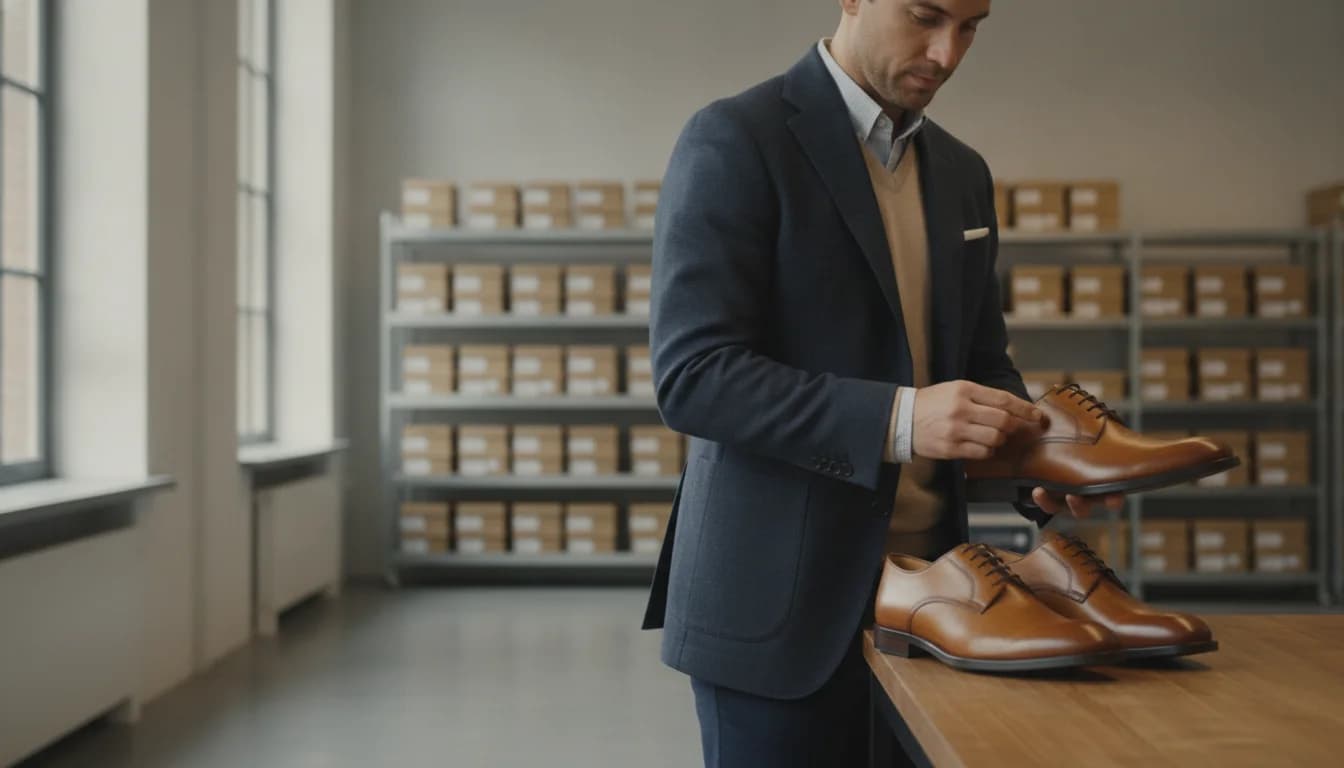
One of the most important steps in wholesale purchasing is finding the right supplier. Product quality, delivery consistency, and pricing policy directly impact your profitability. Purchases from unreliable sources carry risks such as quality problems, delays, and even counterfeit products. Platforms like Bulkoon remove these risks by connecting buyers only with verified suppliers. Buying from verified manufacturers and wholesalers guarantees product quality and fosters long-term, healthy business relationships.
Following Trends and Selecting the Right Models
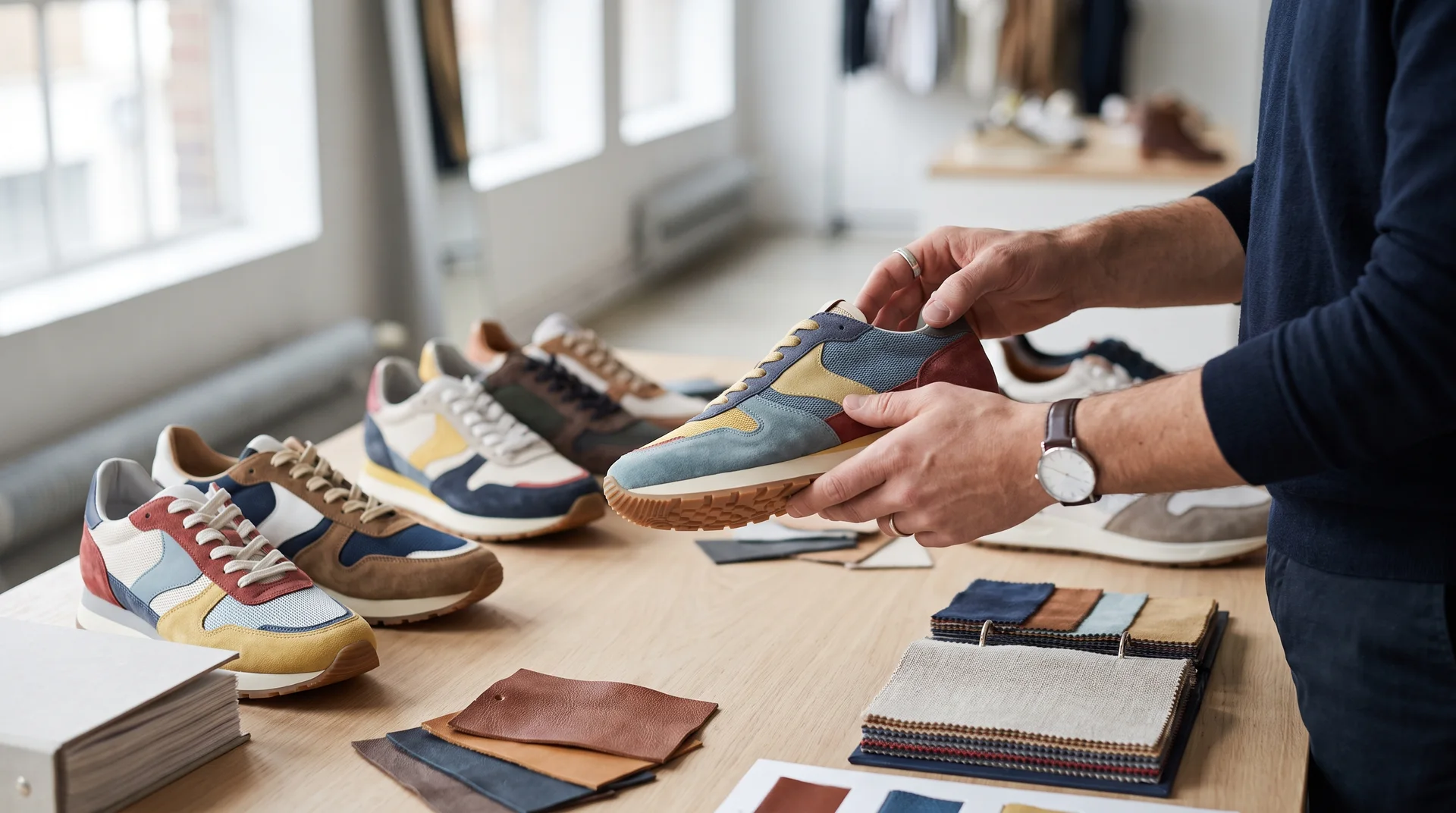
The sneaker market is extremely dynamic; trends can shift quickly. Therefore, when purchasing wholesale, you should balance your collection with both current trends and timeless classic models.
Classic Models: Minimalist designs in basic colors such as white, black, or beige are always in demand. These should form the foundation of your collection and be kept in steady stock.
Trend-Oriented Models: Models featuring the season’s popular colors, platform soles, retro designs, or tech fabrics bring excitement and innovation to your assortment.
Niche Products: Models catering to specific styles (such as skateboarding or running aesthetics) can attract a uniquely engaged customer base to your store.
To identify the right models, following fashion blogs, social media, and industry reports is important. Additionally, analyzing your past sales data helps you understand which styles customers prefer.
Strategic wholesale purchasing is not limited to meeting current demand but includes proactive collection management that anticipates future trends. This approach strengthens your store’s market position.
Correct Size Distribution and Inventory Management for Profitability
Choosing the right sneaker models is only part of the equation. To maximize profitability, you need to master size distribution and stock turnover rate. In footwear retail, these factors often mark the fine line between profit and loss.
Optimizing Size Distribution in the Sneaker Category
Each shoe model’s size sales curve is unique. Instead of ordering a standard size run wholesale, optimize your assortment based on your customer demographics and past sales data. For example, in the women’s sports shoe category, sizes 37-38-39 generally sell most and should be stocked in higher quantities. For men’s sports shoes, the 41-42-43 band stands out. However, this may differ in unisex models or designs targeting younger audiences. Accumulating unsold larger or smaller sizes directly ties up capital. Thus, discussing flexible assortment options with your supplier or creating your own size runs based on your data will improve profitability.
Seasonal Dynamics and Stock Turnover
Although sneakers are generally suitable for all seasons, they are influenced by seasonal preferences. Lightweight, breathable fabric models in light colors sell better in summer, while water-resistant, leather or suede models in darker tones are preferred in winter. Managing stock turnover requires paying attention to this distinction:
Core Models: Classic white sneakers have slower but steady stock turnover. Maintaining a safe stock level here is important.
Fashion Models: Seasonal colors or designs should have fast stock turnover. These products need to sell quickly before the trend changes and should not remain at season’s end. Flash sales or campaigns are effective for clearing such stock.
Proper inventory management keeps cash flow healthy and prevents sacrificing profit margins through forced discounts.
Successful sneaker retailing requires not only following fashion but also analyzing operational data and making strategic decisions accordingly. This is the key to sustainable profitability.
The Role and Benefits of Digital Wholesale Platforms
Traditional wholesale procurement involved traveling across cities, attending fairs, and dealing with a limited number of suppliers. Digital B2B platforms like Bulkoon transform the process by offering retailers more efficiency, variety, and profitability in sourcing.
Instant Access to Extensive Model Ranges
Digital platforms remove geographical limits, bringing together thousands of models from hundreds of manufacturers and wholesalers on one screen. A boutique owner can browse collections from suppliers across Turkey without leaving their store. Bulkoon’s 10,000+ model choices provide retailers unique flexibility to find products best suited to their customer base and brand identity. This helps you keep your collection fresh and differentiate from competitors. Understanding how it works helps you leverage these advantages fully.
Data-Driven Decisions and Operational Efficiency
Digital wholesale platforms do more than display products; they offer tools that facilitate decision-making. Advanced filters let you search by material, color, sole type, price range, and more to find models in seconds. Some platforms use AI-powered recommendation systems that suggest products tailored to your store’s profile and past choices. Additionally, digital management of the ordering process-tracking, invoicing, logistics-simplifies and speeds operations, saving you time and costs.
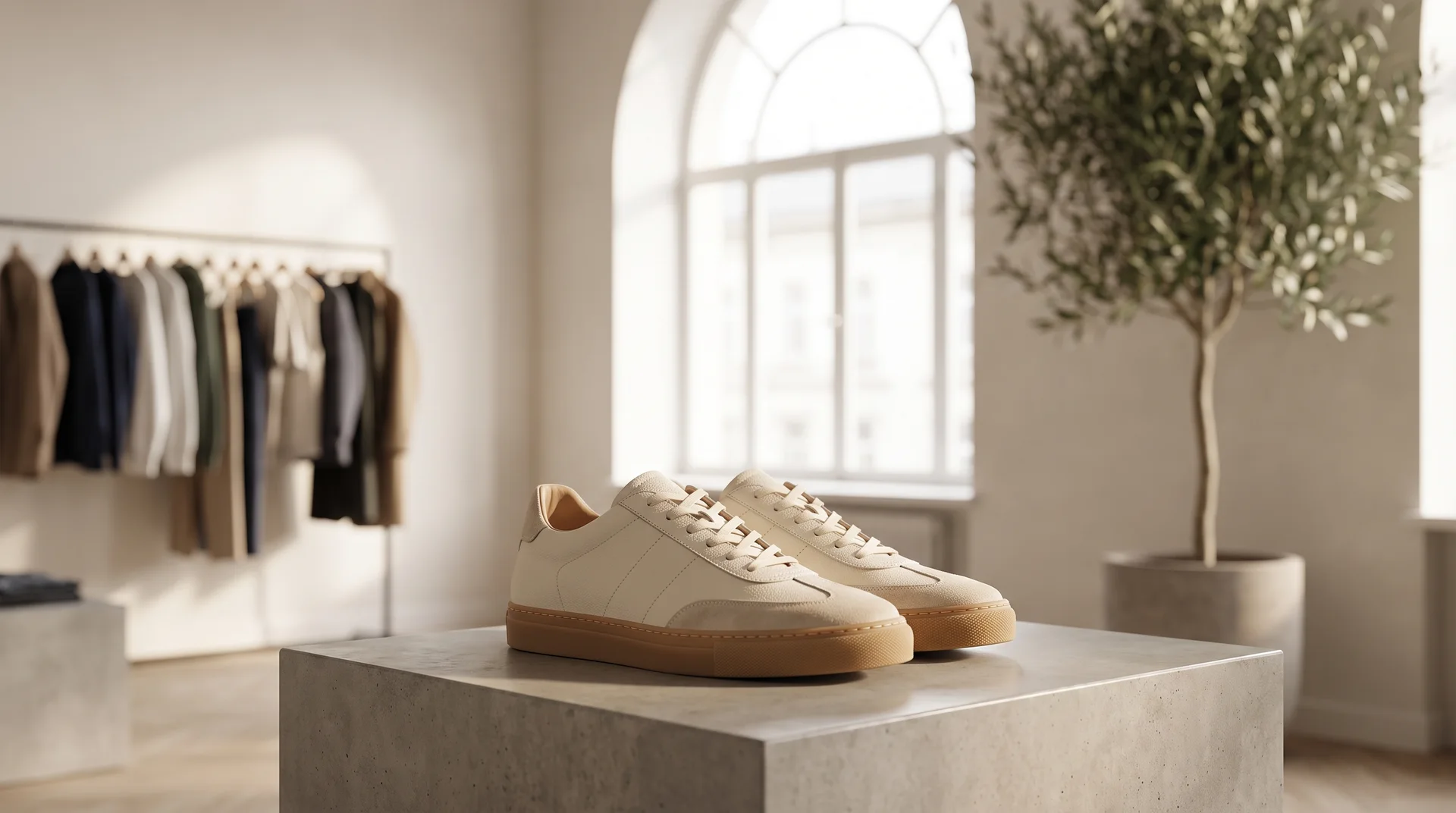
Digitalization has made wholesale footwear trade more transparent, accessible, and efficient. Retailers effectively using these tools can adapt faster to market changes and gain competitive advantage.
The Future of Sneaker Trends and Notes for Retailers
Sneaker culture is an ever-evolving dynamic. While managing today’s sales, retailers must keep an eye on the future to secure long-term success. Anticipating upcoming trends and shaping collections accordingly is key to maintaining a leadership position.
Sustainability and Eco-Friendly Materials
With growing consumer awareness, sustainability has become a critical purchase criterion beyond just marketing rhetoric. Sneakers made from recycled plastics, vegan leather, or organic cotton are increasingly popular. Brands’ environmental impact and ethical production standards affect consumer loyalty. Including sustainable and eco-friendly options in your collection strengthens your brand and appeals to this conscious customer segment.
The Influence of Technology and Innovation
Technology is reshaping sneaker design and manufacturing. Custom insoles made with 3D printing, self-lacing shoes, and models tracking activity with smart sensors are no longer science fiction. Although currently niche, these innovations may become mainstream in time. Retailers tracking such innovative products and brands can attract tech-savvy, innovative customers. Innovation has always been central in sneaker culture and will continue to be.
In conclusion, the sneaker market continues to offer exciting opportunities for retailers. Combining insights into consumer behavior, operational efficiency, and future trends with a strategic approach enables your boutique to be successful and profitable in this dynamic sector. For more tips and industry insights, keep following our blog.
Sources
Information in this article draws on the following sources.