The New Competitor for Shoe Stores: Social Commerce

Instagram, TikTok, and live sales create a new competitive landscape for shoe retail. We explore how wholesale buyers can update their stock strategies by closely following social media trends and turn this new channel from a threat into an opportunity.
Social media platforms have evolved from being mere marketing tools to powerful sales channels and direct competitors for shoe stores. Instagram's shopping features, a shoe model going viral overnight on TikTok, or instant sales during live broadcasts are radically changing consumer behavior. This situation forces boutique owners and wholesale buyers to rethink product selection, stock management, and marketing strategies. Success today depends not only on having a good storefront but also on how quickly and accurately you can interpret trends in the digital world.
The Rise of Social Commerce and Its Impact on the Shoe Industry
Social commerce is an e-commerce model that allows users to discover, review, and purchase products without leaving their social media feeds. This model is especially effective for products like shoes, where visual aesthetics are central. Unlike traditional retail, social commerce is instantaneous and interaction-focused, speeding up purchasing decisions.
This new ecosystem changes how wholesale buyers and store owners read the market. Trends are no longer set only during fashion weeks or industry fairs. A single influencer post or a video trend replicated by thousands of users can catapult a particular women's sports shoe model onto the bestseller lists within weeks. Therefore, it is critical for the supply chain to keep up with this pace.
From "Explore" to Cart: Impulse Buying in Real-Time
Social media platforms are built on algorithms that continuously feed users new content. Instagram's "Explore" tab or TikTok's "For You" page exposes potential customers to brands and products they have never seen before. Showcasing a shoe in an aesthetic video or photo triggers an immediate desire to like and purchase. Integrated shopping features allow users to complete transactions within seconds without leaving the app. This significantly shortens the customer journey and encourages impulse buying.
Influencer Marketing and Trend-Setting Power
Influencers are key players in social commerce. The trust they build with their followers makes their product recommendations extremely valuable. A stiletto or sandal worn by an influencer representing a certain lifestyle or fashion sense can quickly become a highly sought-after product by thousands. Brands and social sellers leverage this power to rapidly popularize specific models. For wholesale buyers, this requires analyzing which influencers align with their customer base and identifying models with potential.
Opportunities and Threats for Traditional Retail
The rise of social commerce presents serious threats but also important opportunities for physical stores. Understanding this new competitive environment correctly is the first step to survival and growth. Managing threats while maximizing opportunities requires a strategic approach.
Competition is no longer just with a nearby store but includes thousands of social media accounts selling nationwide. This forces stores to be more proactive about pricing, product variety, and customer service. However, the tactile experience offered by physical stores remains an advantage digital platforms can never fully replicate.
Threat: Price and Speed Competition
Individual sellers or small businesses selling via social media often do not bear the high rents, personnel, and operating costs of physical stores. This cost advantage allows them to offer more competitive prices. Additionally, they can respond much faster to trends due to smaller inventories. When a model becomes popular, they can quickly source and sell it, whereas large stores’ ordering and logistics processes may lag behind.
Opportunity: Trust and the Touch Experience
The biggest strength of physical stores is the tangible experience and trust they offer customers. Buyers want to try on shoes before purchase, feel the material quality, and ensure the size fits perfectly. Stores provide this valuable service combined with professional sales consultancy. Moreover, having a corporate identity and offering easy returns and exchanges build consumer trust. This trust factor is a key competitive advantage against uncertainties in social commerce.
Shaping Wholesale Strategies According to Social Trends
Adapting to the dynamics of social commerce requires restructuring wholesale purchasing processes. Relying solely on past season sales data or traditional fashion forecasts is no longer sufficient. Wholesale buyers need to adopt an agile strategy that can track and respond rapidly to real-time changes in the digital world.
This new approach involves data collection, analysis, and quick decision-making mechanisms. Turning social media popularity into tangible commercial success depends on supplying the right products at the right time and in the right quantities. This represents a shift from reactive stance to proactive trend hunting.
Methods to Detect Trends Early
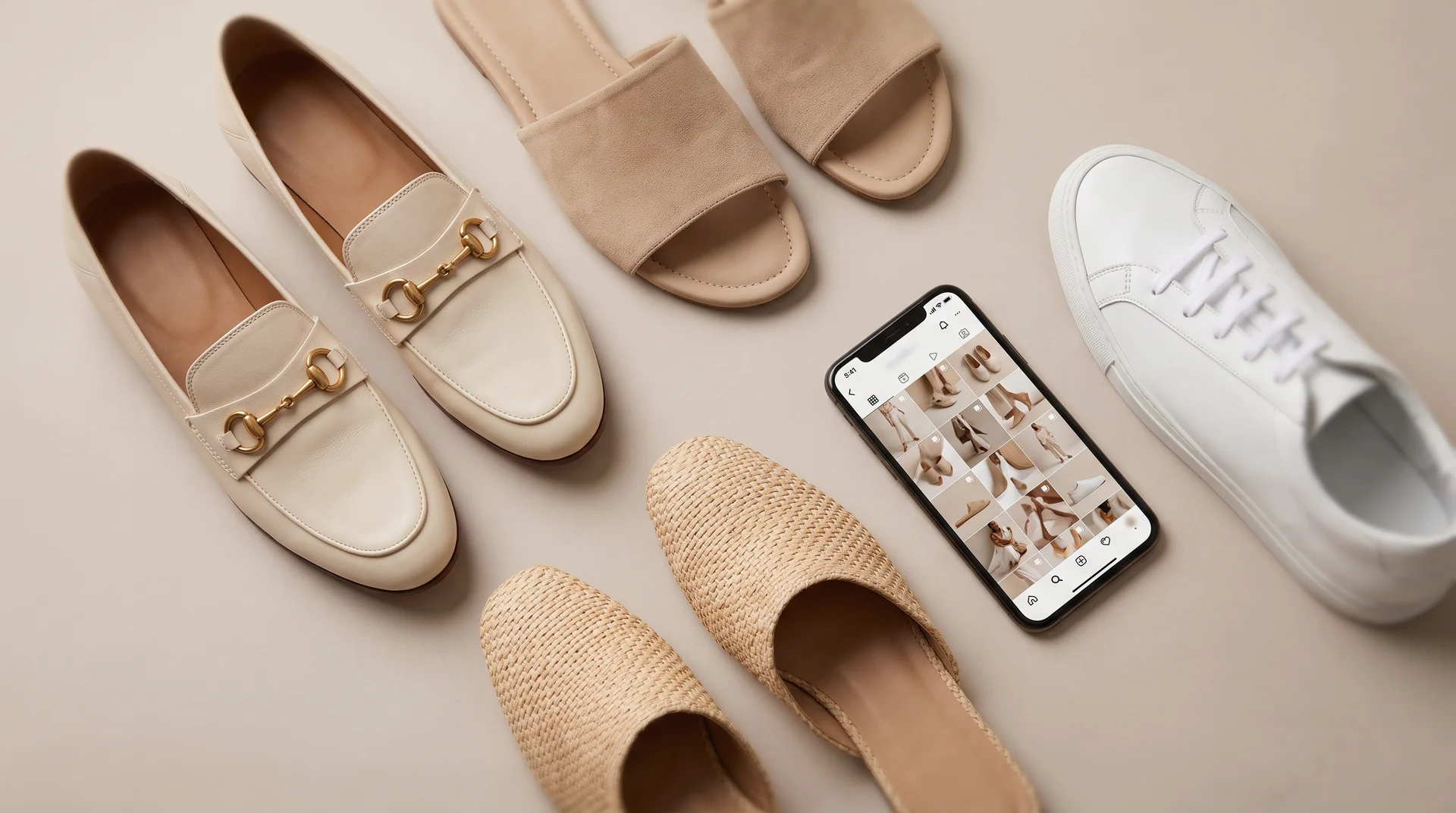
Establishing a systematic tracking mechanism is important to capture social media trends early. Regularly monitoring relevant hashtags (#shoe, #sneaker, #highheeledshoe) and popular sounds on TikTok and Instagram indicates which styles are on the rise. Following fashion and shoe-focused influencers and micro-influencers helps identify potential "viral" products in advance. Tools like Google Trends that track increasing search volumes for specific shoe models or styles also provide data-driven foresight.
Making Data-Driven Stock Decisions
A model’s popularity on social media alone may not justify a large wholesale order immediately. The first step is analyzing how well this popularity aligns with your target audience. You can gauge your customers’ pulse by running polls or posts related to the trend on your social media accounts. Testing the market with a small pre-order or limited quantity is the most effective way to validate demand without taking on big stock risks. This data forms a solid foundation for larger future purchases.
Assortment and Stock Management in Social Media-Focused Product Selection
Social media trends rise quickly and can fade just as fast. This challenges traditional stock and assortment management approaches. For your store to keep pace, inventory strategies must become more flexible and dynamic. The goal is to catch the wave of a viral product’s popularity and sell out stock before the trend fades while maintaining healthy cash flow.
Wholesale decisions at this point involve not only which model to buy but also the size distribution (assortment spread) and the expected duration of selling these products (stock turnover rate). Social media-focused products generally require a different management approach than basic or classic models.
Assortment Planning for Viral Models
A viral women's heeled sandal or sneaker model typically gains popularity within a specific demographic group. Hence, instead of applying a standard size distribution, it makes more sense to create an assortment plan based on the average foot sizes of the product’s target audience. For example, a model appealing to younger customers may give more weight to sizes 37-38-39. Working with suppliers offering flexible assortment options or purchasing in smaller series to diversify risk is a smart strategy in this process.
Fast Stock Turnover and Cash Flow Management
The lifespan of social media trends is short. Therefore, these products should aim for a high stock turnover rate. Quickly selling and converting stock to cash frees up the capital necessary to invest in the next trend. Here, the advantage of working with platforms like Bulkoon that offer only ready stock products stands out. Instead of waiting weeks for production, purchasing from existing and shipment-ready stocks ensures you don’t miss trends. Fast sourcing, quick sales, and healthy cash flow create a competitive edge in the social commerce era.
How to Strengthen Your Digital Showcase with Wholesale Purchasing?
Competing with social commerce is not just about strengthening the physical store but also transforming your digital presence into an attraction center. Your store’s Instagram or Facebook account should inspire customers and be a storefront where they discover new products. Finding the right products to feed this digital showcase is possible with a successful wholesale purchasing strategy.
Aligning your supply chain processes with your digital marketing goals is essential for holistic success. The quality, story, and visual potential of products you select for wholesale directly affect your success on social media. Therefore, digital compatibility should be adopted as a key criterion during supplier selection and product discovery stages.
Digital Compatibility in Supplier Selection
How well your wholesale supplier adapts to the digital age matters. Suppliers presenting their products with professional photos and even videos largely meet your marketing material needs. Some products listed on the Bulkoon platform feature product videos, allowing you to better showcase a model’s posture and details to your customers. A supplier being proactive with new season and trend products helps keep your digital storefront continuously fresh and engaging.
Using Platforms for Agile Supply
When you catch a new trend, you need to find and order that product quickly. Instead of traveling city to city looking for wholesalers, digital B2B platforms provide this agility. Bulkoon’s 10,000+ model options and advanced filtering features enable you to find a specific women’s stiletto model or a currently popular color within seconds. This allows you to keep pace with the market and stay one step ahead of competitors. For more information, you can visit our blog page.
Looking Ahead: Integrating Physical and Digital Experience
Social commerce does not have to be a threat; on the contrary, it can be a powerful tool for traditional retailers to expand their customer base and increase sales. The key to success lies in building a seamless bridge between physical and digital worlds. By providing a consistent and valuable experience on both channels, you can benefit from the speed of social media and the trust of physical stores.
This integrated approach aims to be present where the customer is and offer them the most suitable shopping experience. The future of retail will be shaped by businesses that manage all channels harmoniously rather than sticking to a single one.
In-Store Events and Social Media Integration
Develop creative methods to draw your social media followers into your store. For example, you can organize an event in-store for a new season collection launch and live stream it on social media. Collaborate with influencers to arrange meet-up days at your store and offer exclusive discounts to your customers. Creating aesthetic photo areas inside the store encourages customers to share on their own social media accounts, generating organic promotion.
Staying Informed and Agile in Wholesale Purchasing
Mastering market dynamics starts with sourcing the right products at the right time. Constantly monitoring social media trends, listening to customer feedback, and analyzing your stock data enable informed decisions. Digital wholesale platforms like Bulkoon help turn this agility into operational efficiency. With just a few steps, you can explore thousands of models, compare, and place orders, adapting instantly to rapidly changing market conditions.