Generation Z Footwear Preferences: What Boutiques Are Doing Wrong

With the vintage comeback, ugly sneakers trend, and ethical production expectations, Generation Z is rewriting footwear retail rules. We explore why many boutiques fail to engage this generation using outdated strategies and how to take the right steps in wholesale purchasing.
Generation Z is not just a new consumer group; they are digital natives, value-driven, and a force redefining retail rules. Their footwear choices lie at the core of how they express their identities. However, many boutiques and retailers struggle to understand this generation's dynamic and multifaceted expectations and attempt to reach them with outdated marketing strategies. This leads to poor stocking decisions, unsold products, and most importantly, missed opportunities to connect with the future's largest customer base. The key to success is understanding what they want and shaping the wholesale supply process accordingly.
Main Trends Shaping Generation Z's Footwear Wardrobe
Generation Z's footwear choices are too varied and dynamic to be confined to a single pattern. Their aesthetics combine echoes of the past with the future’s quest for comfort. Boutiques accurately interpreting these trends take one of the most crucial steps when assembling their collections. For them, footwear is not merely clothing but also a tool of expression.
Winds of Nostalgia: The Rise of Vintage and Retro Designs
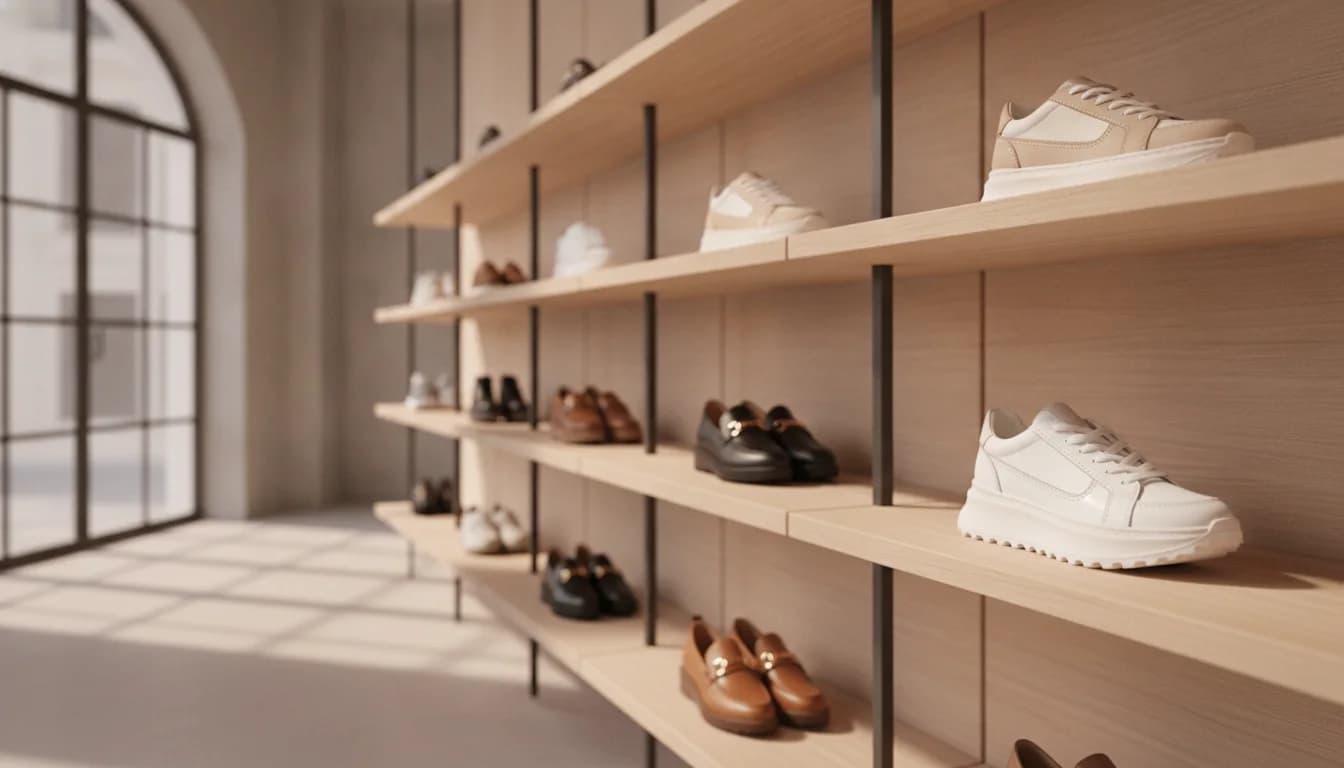
The aesthetics of the 1980s and 90s represent a new and exciting discovery space for Generation Z. Chunky-soled sneakers popular in their parents’ youth, classic basketball shoe silhouettes, and colorful designs have become essentials in today’s street fashion. This wave of nostalgia is not just an aesthetic preference but a search for uniqueness and authenticity against the monotony of the digital world. Boutiques can respond to this quest by incorporating these retro pieces into their collections. Prioritizing such styles is especially important in wholesale women’s sports footwear purchasing.
"Ugly Sneakers" and the Aesthetics of Maximalism
The "ugly sneakers" trend, once called "dad shoes" a few years ago and outside traditional concepts of beauty, has been fully embraced by Generation Z. This trend is essentially a rebellion against conventional aesthetic norms. Bold, oversized, and attention-grabbing models combine comfort with a daring style statement. For retailers, this indicates that focusing solely on slim and sleek models is no longer sufficient. Incorporating bold and maximalist designs into collections is a strategic move to capture this generation’s attention.
Comfort as a Priority: Functionality and Everyday Elegance
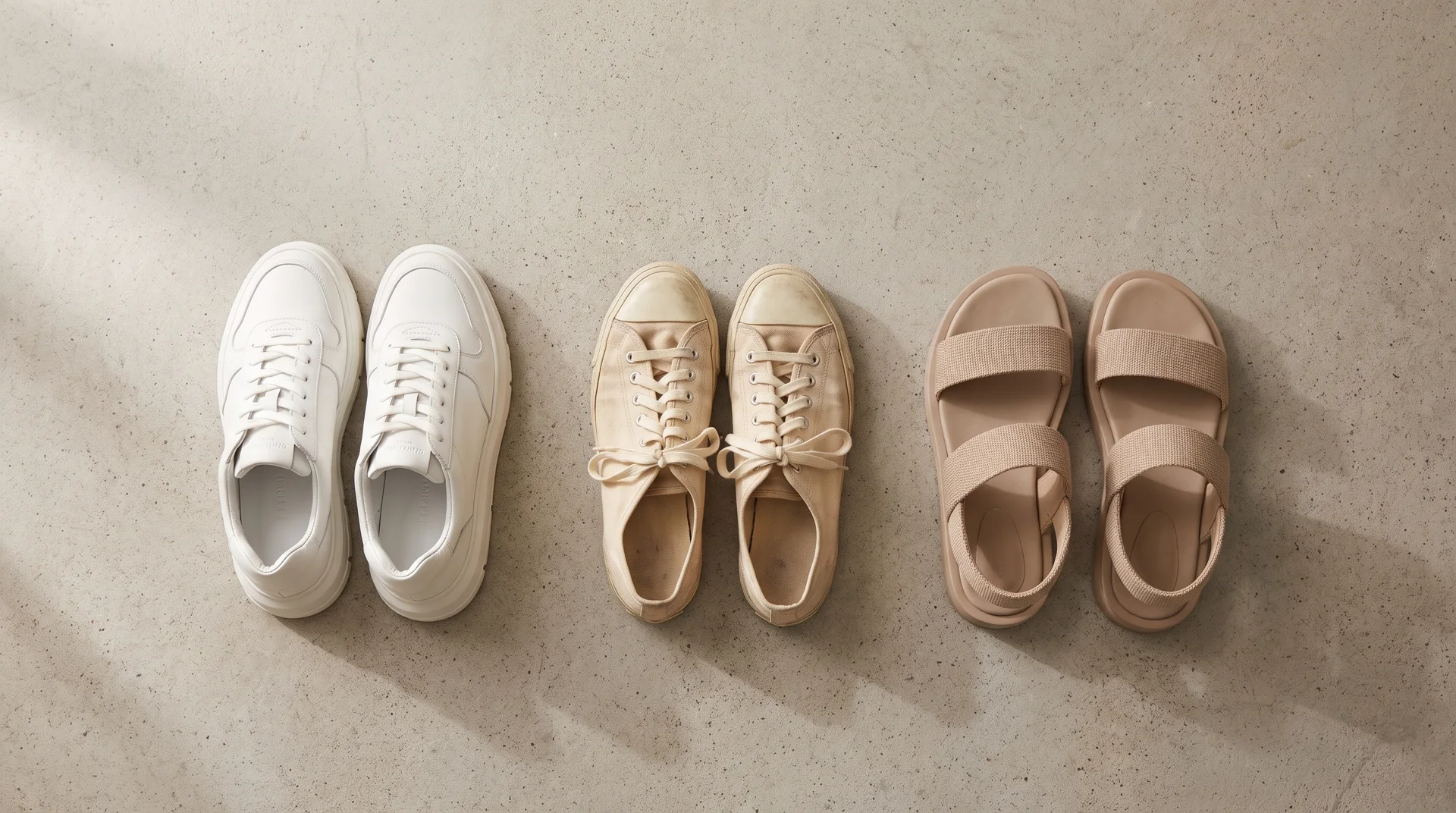
Comfort is a non-negotiable priority for Generation Z. This expectation, reinforced especially after the pandemic, has led to sports shoes, comfortable slippers, and flat sandals becoming staples in daily life across all settings. Now, sports shoes are worn not only at the gym but also in offices or at special dinners. Therefore, boutiques need to invest in models that combine functionality and style, providing all-day comfort. This comfort-oriented approach directly affects sales success in wholesale men’s sports footwear selections as well.
Values and Transparency: Factors Influencing Purchase Decisions
For Generation Z, it is not only what a product is but also how and by whom it is made that matters greatly. Brands’ social and environmental stances can be just as influential in purchase decisions as product quality or price. This compels wholesale buyers to rethink their supplier selection processes.
Ethical Production and Sustainability Expectations
This generation is highly conscious about climate change and social justice. This awareness is reflected in their shopping habits. Shoes made from recycled materials, with a low carbon footprint, or produced under fair working conditions are preferred. A boutique's transparency on this subject and offering sustainable products play a critical role in building brand loyalty. Asking suppliers for information about production processes during wholesale purchasing and sharing this with the end consumer offers a significant competitive advantage. Global supply chain ethical standards are closely monitored by organizations like the International Labour Organization (ILO) [1].
Brand Story and the Search for Authenticity
Rather than large, generic brands, Generation Z is more attracted to brands with a story, a mission, or that support local artisans. They buy not just the shoe but also the story and values behind it. Boutique owners can differentiate themselves by including niche and authentic brands in their collections. Reviewing the Brands page to see various manufacturers’ approaches can be inspiring. Understanding the vision behind the supplier's products is the first step in conveying this story to customers.
Digital Showcases and Social Proof: Ways to Reach Generation Z
Generation Z spends almost their entire buying journey on digital platforms. From discovering a product to deciding to purchase, social media and online channels are decisive. Therefore, boutiques need to design not only their physical stores but also their digital storefronts according to this generation’s expectations.
Power of TikTok and Instagram: The Birthplace of Trends
Shoe trends now originate not in fashion weeks but on TikTok trends or Instagram Reels videos. A shoe model shared by an influencer can quickly go viral and deplete stock. Boutiques must actively monitor these platforms, catch real-time trends, and even produce their own content to participate. This not only provides a sales opportunity but also helps build brand awareness and engage the target audience.
Fluent and Trustworthy Online Shopping Experience
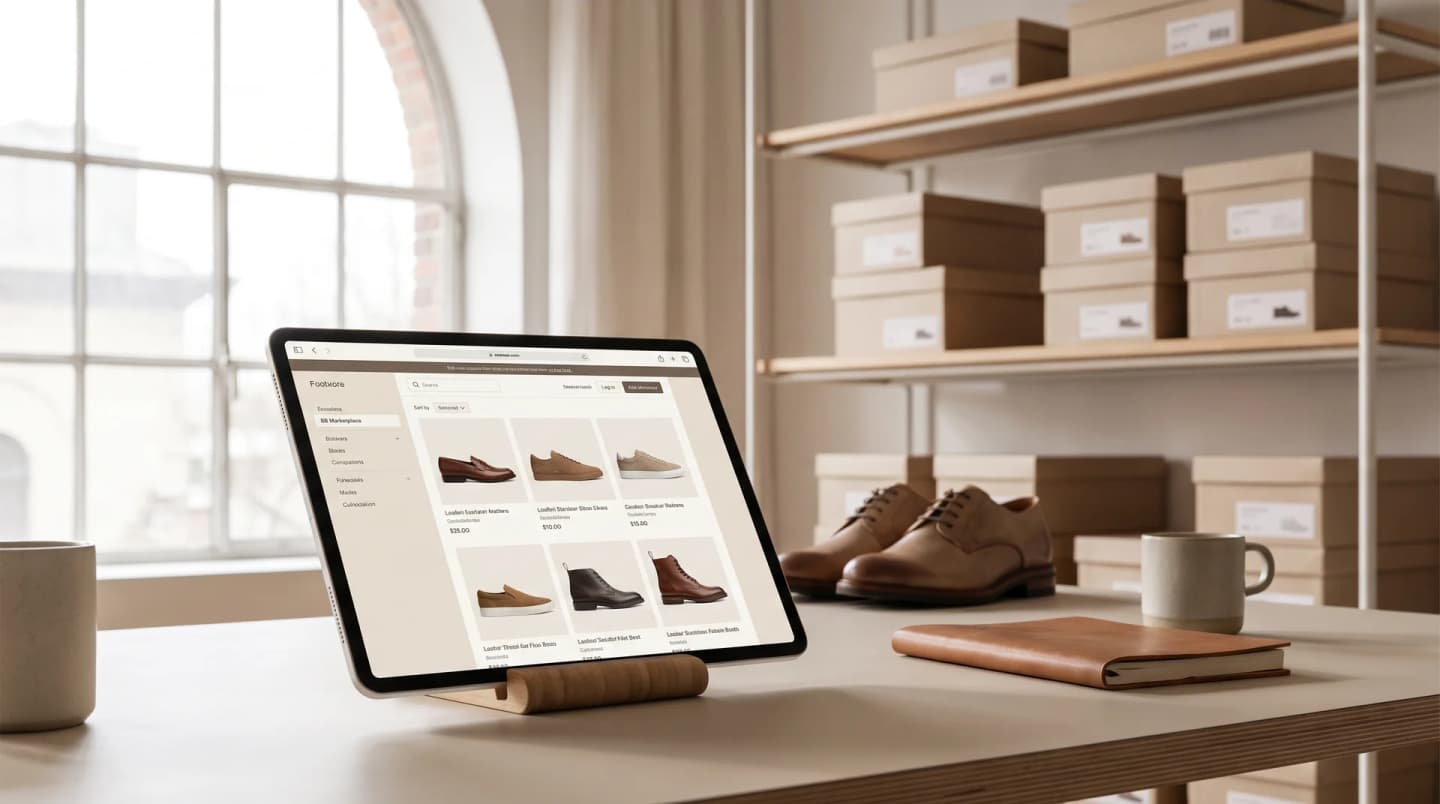
This digital-native generation is impatient with slow-loading, complicated, and unreliable websites. Their expectations, both as retail consumers and wholesale buyers, are similar: a fast, easy, and transparent process. Platforms like Bulkoon enable wholesale buyers to find desired models in seconds using AI-powered smart selection and detailed filtering. Video content for certain products allows better understanding of the model’s fit and materials, delivering a B2B experience aligned with Generation Z’s visually focused preferences.
Common Wholesale Purchasing Mistakes Boutiques Make
Failing to meet Generation Z's expectations often stems from incorrect wholesale supply strategies. Well-intentioned retailer efforts can falter due to errors at the start of the supply chain. Recognizing and correcting these mistakes is the first step toward success.
Playing Only Safe: Ignoring Trends
Many boutiques avoid risks by investing only in classic, "safe" models that always sell. Although this strategy appears financially sensible short term, it results in the brand being perceived as boring and outdated long term. Generation Z constantly seeks novelty and excitement. While the entire collection need not be bold, dedicating at least a portion to current footwear trends will refresh the store and attract young customers.
Not Researching Supplier History
Purchasing based solely on price without investigating the supplier’s history, production standards, or reliability poses great risks to boutiques. Low-quality products, delivery delays, or worst of all, working with suppliers with unethical production conditions can damage brand reputation. Therefore, choosing platforms like Bulkoon, which work exclusively with approved suppliers, protects buyers from such risks. A reliable supplier network is foundational to a sustainable business model.
How to Create a Collection That Appeals to Generation Z?
With the right strategy, it is possible to build a profitable and exciting footwear collection that appeals to Generation Z. This process requires a holistic approach combining data analysis, storytelling, and appropriate product diversity.
Offering Data-Driven Variety
Rather than relying purely on instincts, analyzing which styles, colors, and brands are popular provides more reliable outcomes. Sales data and popular product lists on wholesale platforms offer valuable insights. Bulkoon’s extensive catalog, featuring over 10,000 model options, allows boutiques to find products ranging from retro sneakers to ballet flats made with sustainable materials. The goal is not to suit every taste but to create a balanced variety aligned with the brand identity and addressing different segments of Generation Z.
Highlighting Products with a Story
Learn the stories behind the products you source and share them with your customers. For example, is a shoe made from recycled plastic bottles? Is the manufacturer a family business? These details give the product an identity and resonate with Generation Z’s value-driven shopping mindset. Using these stories in product descriptions, social media, and in-store communication can transform a simple transaction into a meaningful connection.
Conclusion: Investing Today in Tomorrow’s Customer
Generation Z is not a fleeting trend but a key player shaping the future of retail. Speaking their language, respecting their values, and meeting their expectations is essential not only for footwear boutiques’ survival but for their growth. This process begins at the store window but largely depends on the right wholesale sourcing steps. By sourcing the right products efficiently from reliable suppliers, you can build a strong bridge today to tomorrow’s customer. Setting up the correct wholesale purchasing process is the first and most vital step in this investment.
Sources
Information in this article draws on the following sources.