Ways to Reduce Customer Returns: Accurate Size Guidance
The most effective way to reduce return rates in online footwear sales is to provide customers with accurate and clear size information. By reflecting sizing details received from suppliers in product descriptions and offering proactive guidance, you can increase customer satisfaction and reduce operational costs.
One of the most common issues directly affecting profitability in online footwear sales is returns caused by incorrect size selection. Each return not only represents a lost sale but also entails additional costs such as shipping, operations, and restocking. More importantly, it creates a negative customer experience that damages brand loyalty. The fundamental solution to this problem is to provide consistent and accurate size guidance throughout the sales process, from wholesale procurement to the end user. When clear sizing details received from suppliers are carefully integrated into product descriptions, it is possible to achieve a noticeable reduction in return rates.
How to Ensure Accurate Information Flow from Supplier to Consumer?
The first step in resolving return issues at the source is communication with your wholesale suppliers. Selecting products not only based on model and price but also querying their technical details helps prevent many future problems. Accurate information received from the supplier forms the basis for providing correct information to your customers. This process requires a transparent and detail-oriented partnership.
Approved suppliers featured on platforms like Bulkoon tend to offer more standardized and reliable size information for their products. This assists buyers in making more informed decisions. However, proactively asking questions about each model ensures your business doesn’t rely on chance.
Techniques to Verify Size Information
Shoes’ sizing may vary from brand to brand and even between different models from the same brand. Therefore, there are key questions you should ask your suppliers. Starting with "Is this model’s sizing standard, narrow, or wide?" is a good approach. Beyond that, asking more specific questions like "Is this suitable for customers with wide feet?" or "Does the material have stretch over time?" will provide you with valuable insights. These details are especially critical for products with unique lasts such as women’s stilettos.
Standardizing Product Descriptions
You should convert the valuable information obtained from suppliers into a format easily understandable by customers. Create a standard "Sizing and Fit Information" section on every product page using clear statements such as:
Fit: True to size (You can choose your usual size.)
Fit: Narrow fit (We recommend selecting one size larger.)
Fit: Wide fit (Suitable for wide feet.)
Material Note: Being genuine leather, it will conform to the shape of your foot over time.
This standardization helps customers manage their expectations accurately when browsing different products, enabling them to shop confidently.
Ways to Build Trust on the Product Detail Page
On online platforms where customers purchase shoes without trying them on, the product page is your most important showcase. The information and visuals presented here should eliminate all doubts in the customer’s mind. Aesthetic photos alone are not enough; you need to provide concrete data about the shoe’s fit, texture, and how it sits on the foot. A trustworthy product page is one of the most effective tools for reducing return rates.
Detailed descriptions, high-resolution photos, and videos help customers better understand the product. These elements aim to replicate the touch and try-on experience of a physical store in a digital environment.
The Power of Visual and Video Presentation
Clear product photos taken from different angles are a standard requirement. However, images showing how shoes look worn on a foot provide customers with a much better idea of the fit. Features such as product videos available on some Bulkoon listings offer a significant advantage. A short video demonstrating the shoe’s flexibility, walking appearance, and material shine can be more effective than lengthy descriptions. This is especially important in categories like men’s sports shoes, where performance and comfort are priorities.
Using Customer Reviews and Feedback
Feedback from your existing customers is one of the most reliable sources for potential buyers. Encourage your customers to leave comments about the sizing and fit of the products they purchased. Statements such as "I usually wear size 38, and 38 fit perfectly" or "The fit is a little narrow; I’m glad I ordered 39" help new customers make informed decisions. Displaying these reviews prominently on the product page provides transparency and social proof, increasing sales.
Impact of Material Information on Size Perception
The material used in shoe manufacturing directly affects not only durability and appearance but also fit and comfort. As a retailer, understanding different materials' characteristics and communicating this information to your customers helps prevent misunderstandings related to sizing. Material details are also critical for ensuring long-term customer satisfaction.
For example, suede shoes do not have the same stretch potential as patent leather shoes. Such details help set correct customer expectations and reduce returns caused by complaints such as "the shoe is too tight."
Differences Between Leather, Suede, and Synthetic Materials
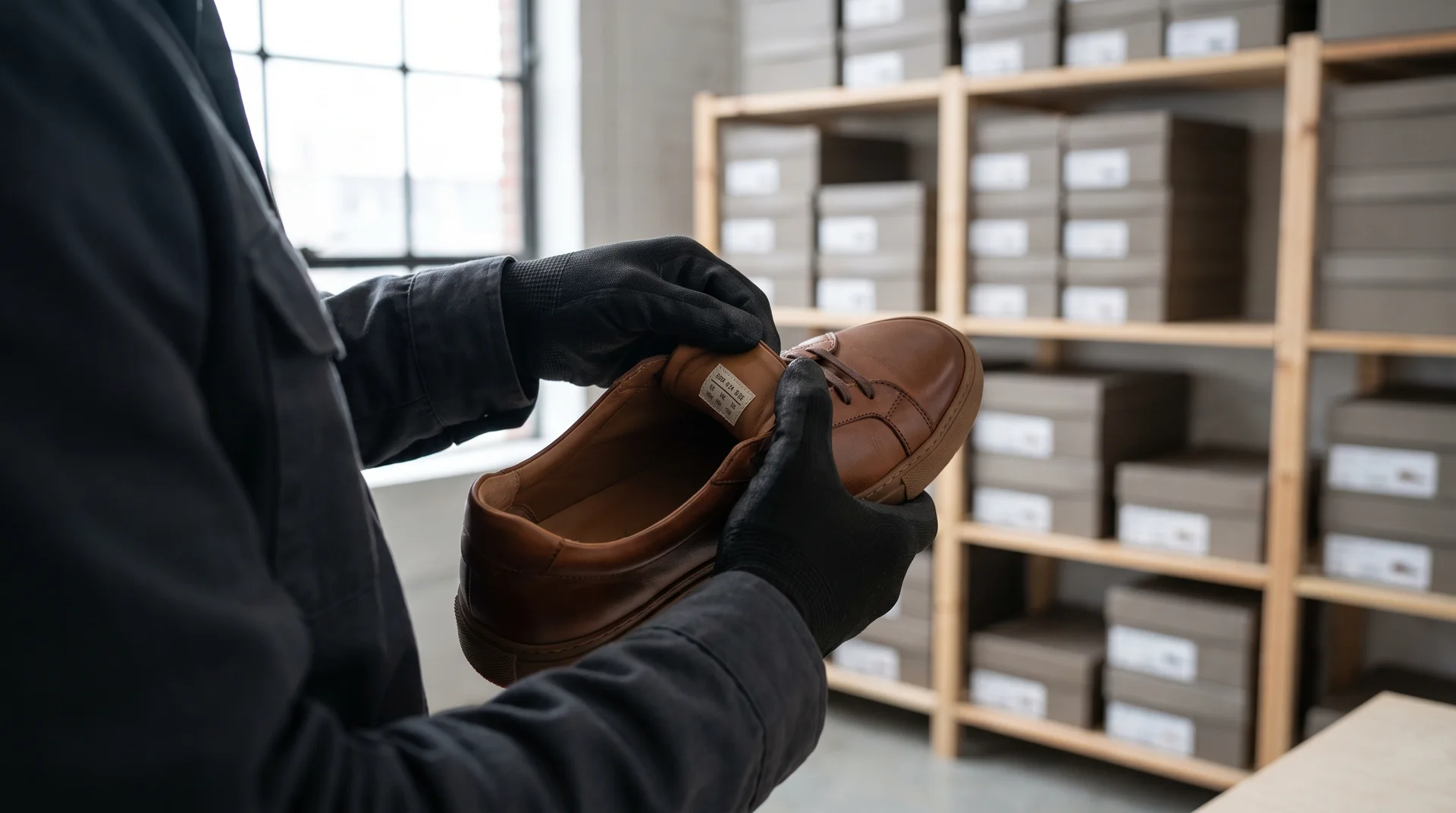
Genuine leather is breathable and stretches over time to fit the wearer’s foot shape. Informing customers of this can prevent returns when shoes feel slightly tight at first wear. Materials like suede and nubuck have similar flexibility. Conversely, patent leather or synthetic materials usually have little to no stretch. Therefore, recommending customers to order half or a full size larger for pointed-toe women’s ballet flats made from such materials is wise.
Seasonal Factors and Foot Health
When advising customers on sizing, you should also consider seasonal effects. Feet can swell mildly in hot weather during summer months. This should be taken into account for sandals or open shoes sold during this period. In winter, sizing for boots or shoes worn with thick socks may differ. Proactively suggesting, "If you plan to wear these boots with thick socks, consider ordering one size larger," can prevent returns.
Effect of Return Rates on Stock and Profitability
High return rates indicate not just customer dissatisfaction but also pose a direct threat to your business’s financial health and operational efficiency. Each return involves reverse logistics costs, time spent on product inspection and repackaging, and most importantly, the locking of salable inventory in stock. This issue is especially severe for assortments like footwear based on size runs.
Returned products often come back during peak seasonal periods and take time before being re-listed for sale. This delay slows down stock turnover and erodes profitability.
Damage to Assortment Balance from Incorrect Size Information
Profitability in footwear retail depends on proper assortment management, meaning balanced sales of different sizes in a model. When a customer orders size 37 but returns it due to poor fit, that size is removed from inventory and remains unavailable until its return. If this size is among the most popular, potential sales are lost. By the time the returned product goes back in stock, seasonal trends may have passed, or demand decreased. This leads to accumulation of unsellable single sizes and forces discount sales at the season's end.
Return Logistics and Impact on Stock Turnover
Stock turnover rate measures how efficiently a business uses its inventory. High return rates directly reduce this rate. The process of receiving a returned item, inspecting, cleaning, and making it ready for resale extends the period your capital is tied up in that product. This operational burden represents a significant cost, especially for small and medium-sized enterprises. Reducing returns through accurate sizing guidance not only saves shipping expenses but also accelerates cash flow.
Proactive Customer Guidance and Education
Leaving size selection solely to product descriptions may not suffice. Proactively guiding customers during their shopping experience builds trust and minimizes return likelihood. Educating customers on how to measure correctly and understand their foot type is key to cultivating loyal customers in the long term.
This approach positions your business not just as a seller but also as an advisor. Customers trust brands that help them find the right product.
Creating Size Charts and Measurement Guides
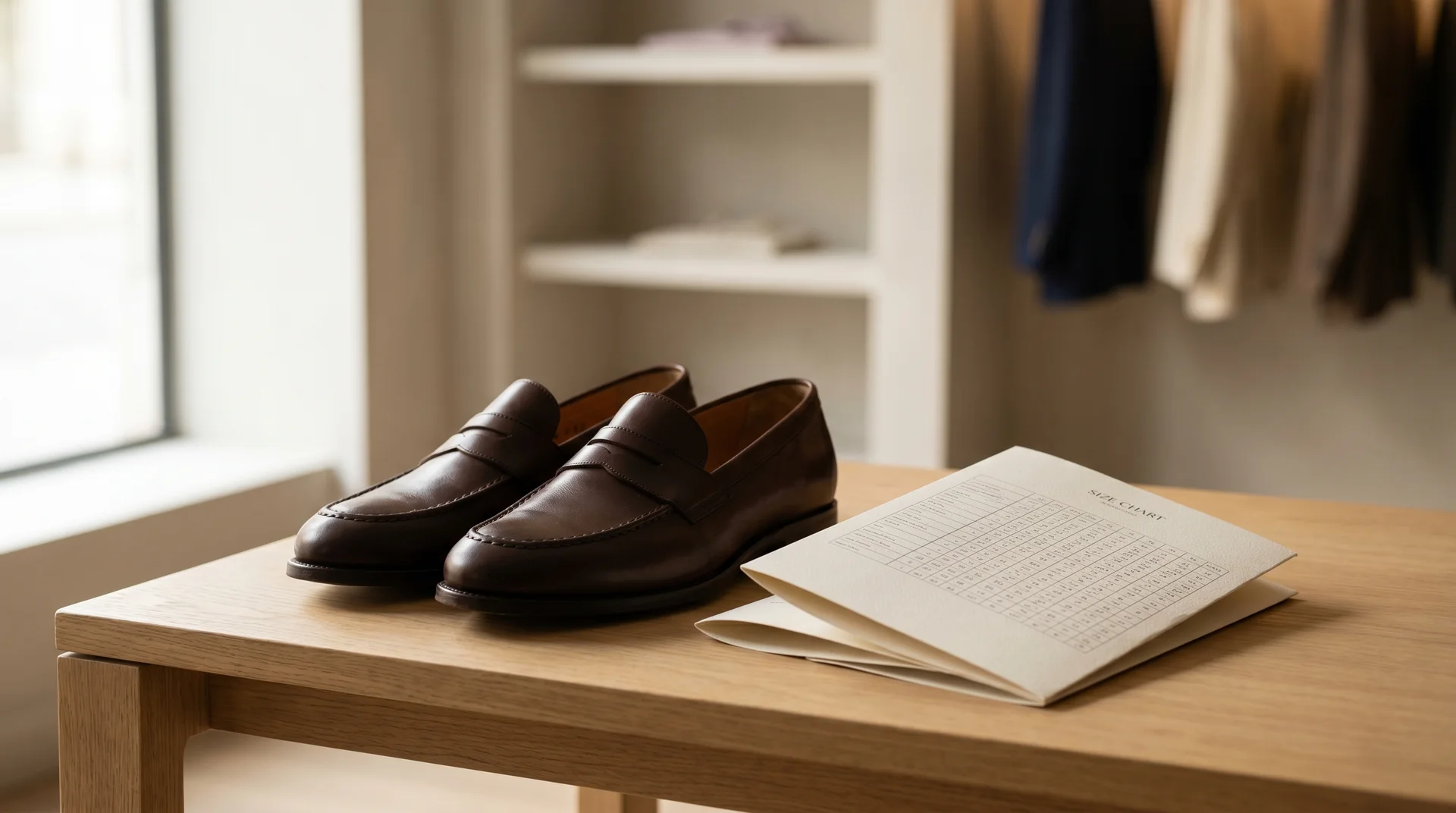
Publish simple guides on your website or social media channels showing customers how to measure their feet correctly. Advise using a tape measure or ruler to measure from the heel to the tip of the longest toe (in centimeters) and compare this measurement to your standard size charts. Tables explaining differences between brand-specific international standards (EU, US, UK) are also very useful. This is especially important if you sell to customers from different geographic regions.
The Role of Live Support and FAQ Sections
Offering a live support channel (chat or WhatsApp) to quickly answer customers’ sizing questions can convert hesitant visitors into buyers. Train your support team to ask pertinent questions such as the customer’s usual brand and size or whether their feet have a high instep. Additionally, a frequently asked questions (FAQ) section addressing popular inquiries like "How do your stiletto fits run?" or "Should I order my usual size for sports shoes?" helps customers self-educate. These resources also provide an opportunity to share knowledge gained from industry platforms like the Bulkoon blog.

Building a Trusted Brand with Accurate Information
In conclusion, the way to reduce customer returns lies not in technological solutions or complex logistics operations first, but in the fundamental element of accurate and transparent information. The detail-oriented communication you establish with your supplier during wholesale procurement forms the foundation of this process. Presenting this valuable information consistently across all channels-from product descriptions to visual materials, customer service, and size guides-earns your customers’ trust.
Remember, every prevented return not only saves costs but also results in gained customer satisfaction and increased brand loyalty. While exploring the right products among Bulkoon’s selection of over 10,000 models, prioritizing fit and sizing information can make your business more profitable and sustainable. This careful approach will be one of the key factors that set you apart from your competitors.