Why Do Loafer Shoes Sell Every Season?
Discover why loafer shoes consistently see demand in both women’s and men’s categories and why they are a safe investment for retailers. Strengthen your collection with tips on design, materials, and stock management.
Although shoe fashion is a world full of constantly changing trends, some models defy time. Loafer shoes are one of the most notable examples of this stability. Being indispensable in both men’s and women’s collections, why is this classic silhouette such a reliable commercial item for retailers? Its secret of success lies not only in its aesthetic appeal but also in the versatility, comfort, and potential to appeal to a broad customer base it offers. For a business owner purchasing wholesale, understanding the enduring popularity of loafers means making the right inventory decisions and maximizing profitability.
Timeless Design Codes and Consumer Perception of Loafers
The core of loafer shoes’ popularity is a universal design language that can adapt to every era. These shoes skillfully bridge the gap between formal and casual wear, offering consumers a wide range of use cases. This flexibility makes them a practical and desirable piece for every wardrobe.
The Perfect Balance of Form and Function
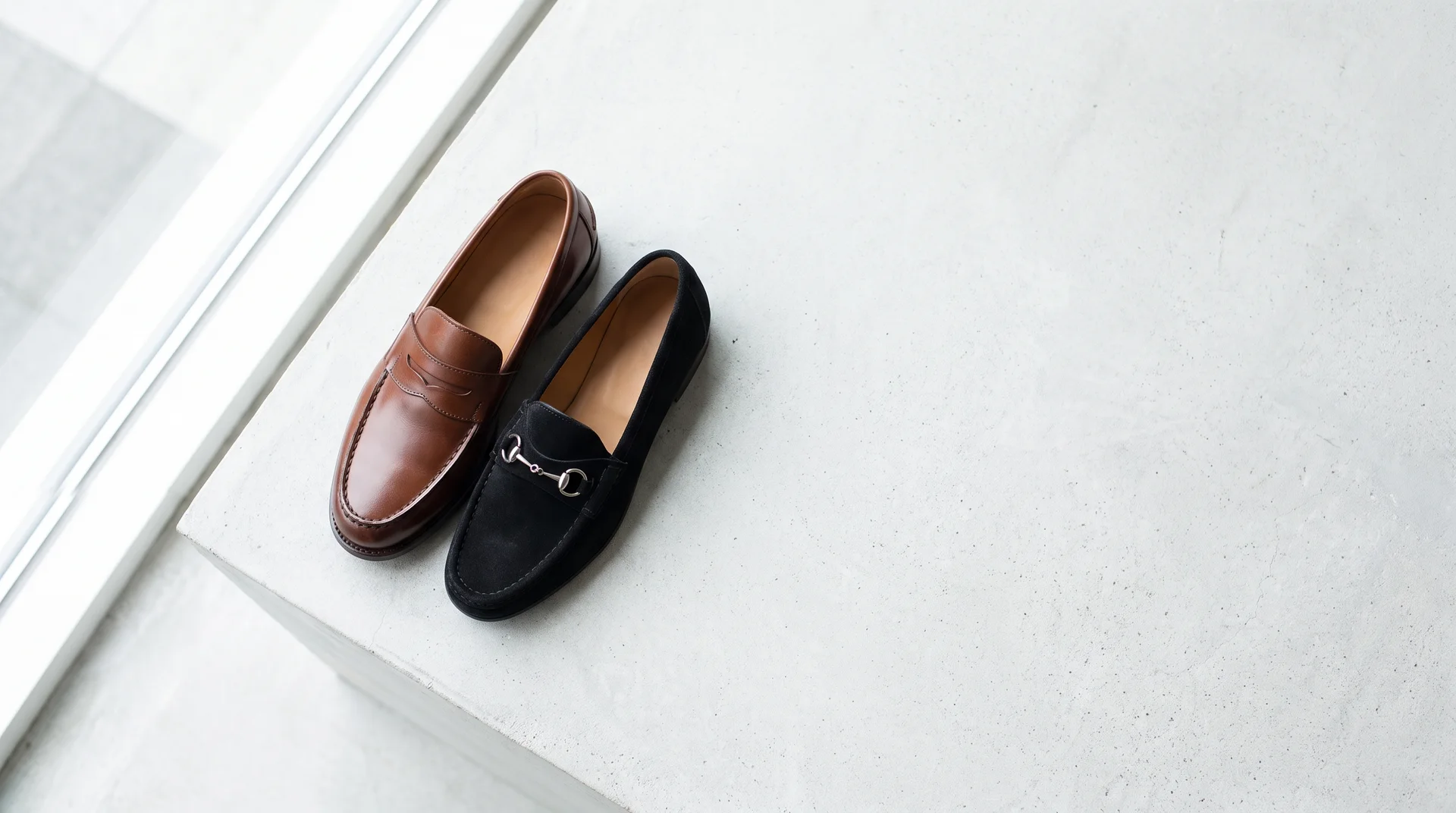
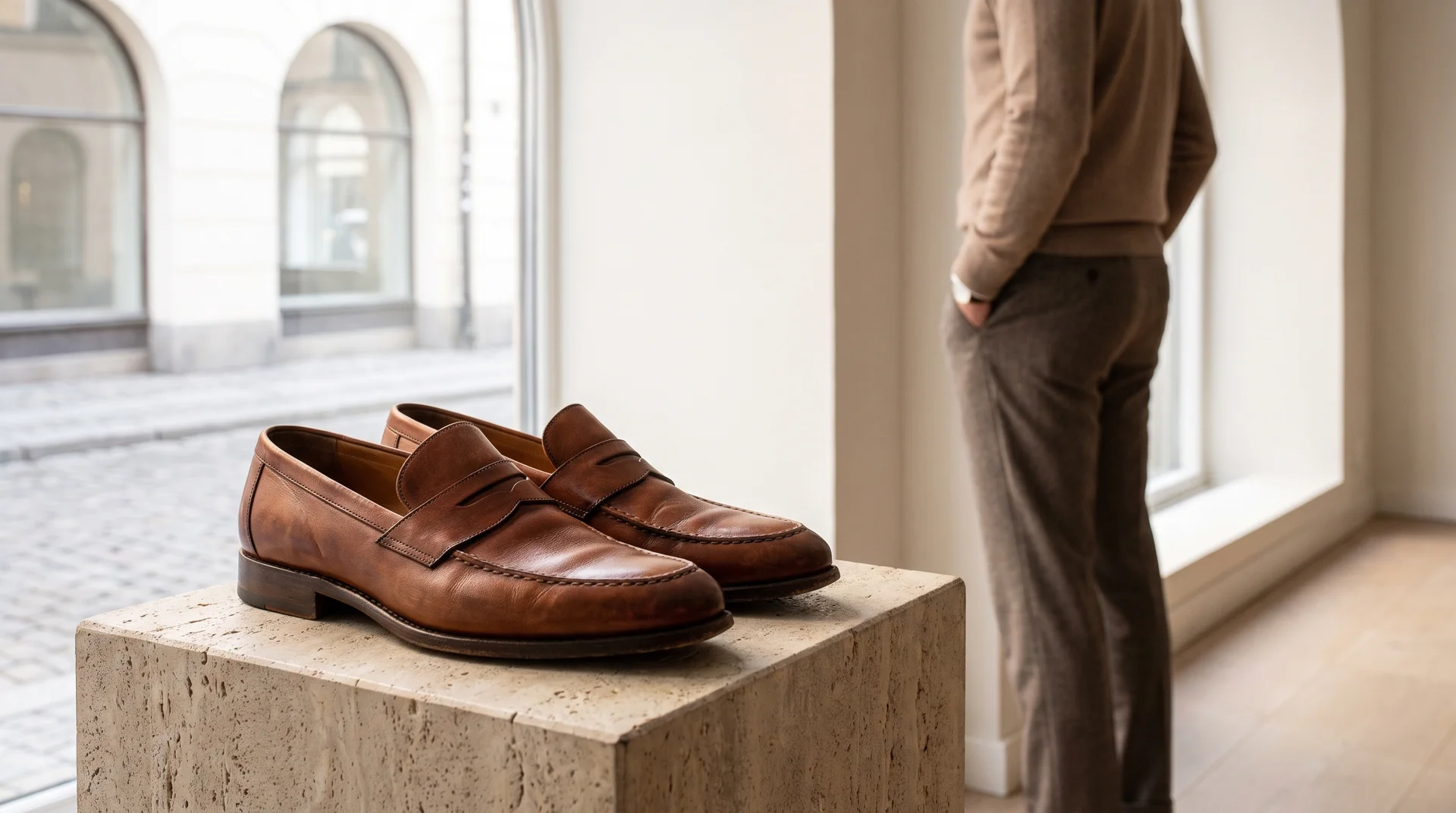
The most distinctive feature of loafers is their laceless, easy slip-on construction. This practicality perfectly suits the fast-paced lifestyle of the modern consumer. However, what sets loafers apart from ordinary shoes is combining this comfort with a stylish silhouette. Iconic details such as penny, tassel, or horsebit adornments give character to the model, making it wearable with both jeans and suits. This balance allows the consumer to meet multiple needs with a single shoe, simplifying the purchase decision.
Appeal That Defies Gender and Age Groups
Very few shoe models can appeal to as wide a demographic as loafers do. There is a suitable loafer style for everyone from young professionals to experienced executives, and from fashion-forward youth to those who prefer classic styles. Being a staple product for both women and men collections offers retailers the potential for dual sales through a single category. This widens the target audience and provides the opportunity to manage stock variety more efficiently.
The timeless appeal of loafers places them above trend cycles. This means a more predictable sales chart and a lower-risk inventory investment for retailers.
The Impact of Materials and Craftsmanship on Profitability
The value and sales potential of a loafer largely depend on the materials used and production quality. For wholesale buyers, understanding the variety of materials and craftsmanship standards offered by suppliers is crucial to setting the right price point and ensuring customer satisfaction.
Leather, Suede, and Alternative Materials
Classic loafers are usually made of genuine leather. Calf leather stands out for its durability and elegant appearance, while suede offers a softer, more casual aesthetic. Material choice also affects the shoe’s seasonality. For example, patent leather loafers are popular for special occasions and evening events, whereas suede models are synonymous with autumn months. The rise of alternative materials like vegan leather and textiles in recent years allows addressing different consumer segments and price expectations. Platforms like Bulkoon provide opportunities to see material varieties in specific categories such as women’s loafer models, giving buyers the chance to enrich their collections.
Sole Technologies and Last Standards
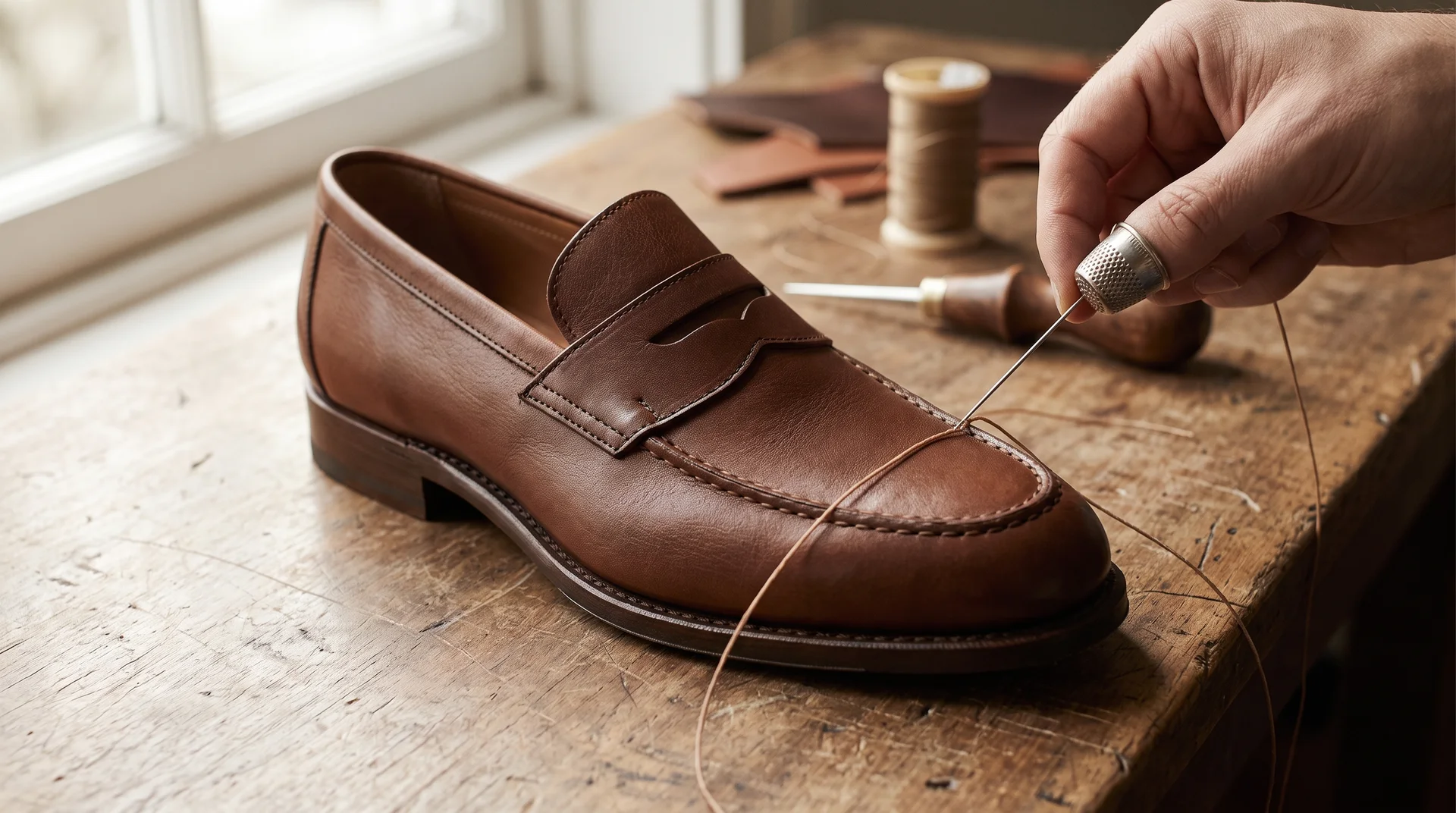
The comfort and durability of the shoe are directly related to the sole structure. Leather soles offer a classic and formal look, while rubber or TPU soles provide better grip and flexibility. Particularly popular among comfort seekers are loafers with dotted rubber soles known as "driving shoes." When buying wholesale, paying attention to the supplier’s last standards is also very important. Consistent lasts help customers find the right size easily and reduce return rates, increasing operational efficiency.
The quality of materials and craftsmanship determines not only a loafer’s appearance but also its long-term value. A quality product builds customer loyalty and strengthens your store’s reputation.
Advantages of Loafers in Stock Management and Seasonal Planning
One of the keys to profitability in retail is effective stock management. Loafer shoes naturally offer significant advantages that simplify this process. Their limited dependence on seasonal trends makes them a safer and more manageable stock item. This particularly reduces financial risk for new boutique owners.
Size Run Planning: How to Distribute Sizes Correctly?
Proper size run planning is vital for a classic model like loafers. In the women’s category, sizes 37, 38, and 39 typically see the highest demand. Therefore, emphasizing these sizes in a series increases sales potential. In men’s categories, sizes 41, 42, and 43 are central. A standard size run usually follows this distribution: one pair each of the smallest and largest sizes, and two pairs each of the popular mid sizes. Considering size run recommendations based on suppliers’ sales data when working with them can help you make a strong start. For broad categories like women’s casual shoes, the size distribution of loafers affects overall sales success.
High Stock Turnover and Four-Season Potential
One of the biggest advantages of loafers is their potential to be sold throughout all four seasons. They do not get tied to specific seasons like winter boots or summer sandals. They can be worn with canvas pants in spring, shorts in summer, wool socks in autumn, and even indoors during winter. This increases stock turnover. In other words, the capital you invested turns back into cash more quickly, reducing the risk of accumulating “dead stock” in your store. Products with steady demand year-round help regulate cash flow and maintain the financial health of the business.
With proper size run and seasonal planning, loafers can become one of the most profitable and stable product groups in your store. The flexibility this model offers simplifies inventory management and increases profitability.
The Role of Supplier Selection in Wholesale Loafer Purchasing
Finding the right product is as important as obtaining it from the right supplier. A reliable supplier directly affects your business by providing consistent product quality, timely delivery, and fair pricing. Supplier selection when purchasing loafers wholesale forms the foundation of long-term success.
Finding and Building Relationships with Trusted Manufacturers
There are many manufacturers and wholesalers in the market. Selecting the right partner requires reference checks, questioning production capacities, and examining quality standards. B2B platforms like Bulkoon simplify this process. Suppliers listed on the platform are approved suppliers and have passed a verification process, providing additional trust to buyers. This significantly reduces risk, especially for newcomers to the industry. Having access to a reliable supplier network allows you to find loafer models best suited to your store’s identity among over 10,000 options.
Pricing, MOQ, and Operational Efficiency
Focusing only on unit price when choosing a supplier can be misleading. Factors such as Minimum Order Quantity (MOQ), payment terms, and delivery periods also affect total cost. A supplier offering a low MOQ allows smaller boutiques or startups to try various models with less capital. Additionally, Bulkoon’s principle of working with ready stock only products ensures orders are processed quickly and eliminates the need to wait for uncertain production times. This operational efficiency lets you manage your stock dynamics more effectively and respond instantly to customer demands.
A strategic choice of supplier enables access to quality products at competitive prices, creating a market advantage. This is crucial for the profitability and sustainability of your business.
Marketing and In-Store Presentation Strategies
Providing the best loafer models is only one part of the equation. Presenting and marketing these products correctly to customers is equally important to guarantee sales success. Effective presentation and marketing increase customer interest in the product and encourage purchase decisions.
Boosting Sales with Styling Suggestions
Customers often find it difficult to imagine how to wear a shoe. Displaying loafers with different outfits in your store or e-commerce site inspires them. For example, showing a penny loafer paired with both an office ensemble (dress pants, shirt) and a weekend outfit (jeans, t-shirt) highlights the product’s versatility. This strategy creates the perception in customers’ minds that "I can use these shoes in many ways," increasing the product’s value. This type of content can also encourage cross-selling.
Highlighting Loafers on Digital Channels
Social media, email newsletters, and your website are powerful tools to promote your loafer collection. Sharing high-quality photos and videos helps customers see the details better. When buying wholesale, it can be useful to check if the supplier provides product videos; these materials are valuable content you can use across your marketing channels. Some products on Bulkoon include videos that help buyers evaluate models more thoroughly. Additionally, preparing blog posts or social media content that emphasize loafers’ comfort, style, and timelessness will increase your brand awareness and sales. For more strategies, you can follow our blog page.
Proper marketing and presentation show how even a classic product like loafers can be exciting and desirable. These efforts directly affect customer engagement and ultimately sales.
Conclusion: Loafers as the Cornerstone of Your Collection
Loafer shoes offer stable commercial value unaffected by fleeting fashion fads. Their versatile designs, broad appeal, and year-round demand make them a smart investment for every shoe retailer’s collection. When you manage all processes correctly-from material quality to appropriate size run planning, from reliable supplier selection to effective marketing-loafers can become one of your store’s most dependable profit sources. By exploring how Bulkoon’s digitalized and simplified wholesale process works, you too can take advantage of the opportunities this timeless classic offers.
Sources
Information in this article draws on the following sources.