What to Consider When Selling Women's High-Heeled Shoes?
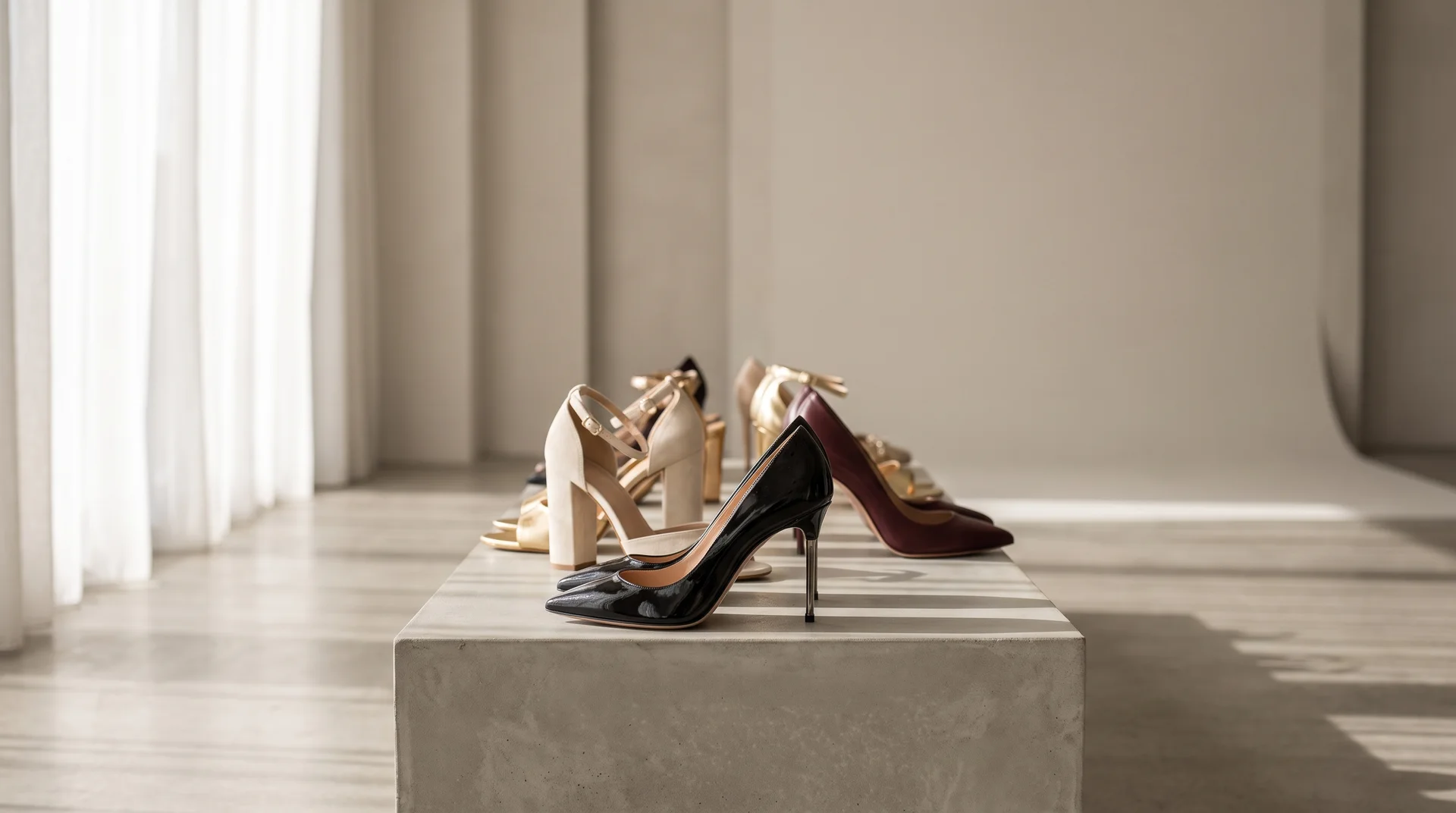
The women's high-heeled shoe category offers high profit potential but requires the right strategy. This guide helps wholesale boutique owners make informed decisions by focusing on market trends, material quality evaluation, size assortment, and stock management.
The women's high-heeled shoe category is one of the most dynamic and high-potential segments in the retail world. Winning the customer's heart with the right models is possible, while wrong stock decisions can lead to closing the season at a loss. Success depends not only on aesthetic taste but also on market analysis, quality knowledge, and strategic stock management. In wholesale purchases, making informed decisions directly affects your store's profitability and brand image. It is essential to choose products that not only decorate your display but also sell quickly.
Understanding Market Trends and Customer Expectations
Selling high-heeled shoes requires keeping up with fashion trends. However, following trends does not mean stocking every popular model. The key is to combine general trends with your target audience's expectations. Understanding who your customers are, where they live, and the purpose for which they buy these shoes is the first step in creating the right collection.
Popular Styles and Colors of the Season
Each season highlights specific heel types, toe shapes, and color palettes. For example, while thin heel stiletto models may be fashionable one season, the next season may favor more comfortable block or platform heels. As for colors, classic black, nude, and red remain staples, but seasonal pastel tones, metallic finishes, or vibrant colors can also be in demand. Before making wholesale purchases, following fashion publications, international runway trends, and social media influencers to catch signals for the upcoming season helps you stay a step ahead of the competition.
Lifestyle and Needs of the Target Audience
When assembling your collection, the fundamental question is: Who is my customer? Are you targeting office workers, those attending special events, or customers who prefer everyday elegance? The high-heeled shoe preferred by a lawyer or corporate executive differs from the model a university student might wear to a graduation ball. Determining heel height, material quality, comfort level, and price range according to your customer profile directly impacts sales success. For instance, if your target market includes people who stand all day, investing in orthopedically supported or wedge-heeled models makes sense.
Selecting the Right Product Quality and Materials
The value of a high-heeled shoe lies not only in its design but also in its quality. Customer satisfaction and brand loyalty are achieved by offering products that combine aesthetics with durability and comfort. In wholesale purchases, carefully examining materials and workmanship is essential for long-term success. Low-quality products can harm your business through returns and negative feedback.
Material Insights: Leather, Suede, and Synthetic Alternatives
The material used in shoe production affects both cost and perceived value. Genuine leather is valued for breathability, durability, and its ability to mold to the foot over time, making it a premium choice. Suede stands out with its elegant and soft texture but requires more careful maintenance. Synthetic materials offer a more affordable alternative with various colors and textures and appeal to vegan customers. Requesting material certificates and product content details from suppliers ensures that you can provide accurate information to your customers.
Workmanship and Comfort Features
No matter how stylish a shoe is, if it is not comfortable, it will remain unsold. When evaluating workmanship quality, pay attention to even stitching, no excess glue, and that the heel is firmly and evenly attached to the sole. The cushioning of the insole, arch support, and a last that does not compress the toes are key factors for comfort. Checking the shoe's weight balance and flexibility when handling it gives important clues about quality.
Stock and Assortment Management for Profitability
One of the most critical factors for profitability in the high-heeled shoe category is effective stock and assortment management. Every unsold pair is dead capital sitting in your warehouse. Therefore, when making purchasing decisions, focus not only on aesthetic preferences but also on demand data and sales velocity. The seasonal and trend-driven nature of this category makes stock management even more important.
Optimizing Size Assortment
In footwear retail, the size assortment or size run is crucial to success. In Turkey, women's shoe sizes generally concentrate around sizes 37 and 38. A standard size range typically includes sizes 36 to 40 and features higher quantities of the most demanded sizes (37-38). When purchasing wholesale, analyze whether the supplier's standard size run fits your customer base’s distribution. Focusing only on popular sizes may cause you to lose customers with smaller or larger feet, while over-investing in extreme sizes (35, 41) may increase your stock costs. Proper assortment planning prevents accumulation of leftover single sizes.
Seasonal Stock Turnover and Cash Flow

High-heeled shoes, especially evening and high-heeled sandals, are mostly seasonal products. Demand peaks during weddings, graduations, and holiday seasons and slows at other times. Thus, closely monitoring stock turnover is critical. End-of-season leftover outdated products often have to be sold at heavy discounts, reducing profit margins. To maintain healthy cash flow, purchasing the right quantity at the season's start and placing additional orders as sales data come in is the best strategy. Platforms like Bulkoon that offer only ready stock products provide a big advantage for such fast and flexible purchasing decisions.
Finding Reliable Suppliers and Managing Relationships
Sourcing the right products is as important as working with a reliable supplier who provides those products consistently and on time. A supplier is your business partner and directly impacts your success. A strong supplier relationship involves not only competitive prices but also flexibility, collaboration in product development, and operational efficiency.
Key Criteria for Supplier Selection
When choosing suppliers, look beyond price. Important criteria include:
Product Quality and Consistency: There should be no quality difference between samples and mass production.
Delivery Times and Reliability: Ensuring products are in your store on time at the start of the season is vital.
Minimum Order Quantity (MOQ): Suppliers offering low MOQ provide more flexibility, especially beneficial for small boutiques.
Communication and Support: Quick and clear responses to inquiries and a constructive contact for potential issues are necessary.
References and Market Reputation: Researching suppliers' past work and reputation within the industry is advantageous.
The Advantages of Digital Wholesale Platforms
Traditional wholesale purchasing methods can involve travel and time costs. Digital B2B platforms like Bulkoon fundamentally change this process. They provide access to collections from hundreds of manufacturers and brands through a single interface. Thanks to approved suppliers on Bulkoon, concerns about reliability are eliminated. The platform offers over 10,000 models, allowing you to easily compare and find the best products for your store. You can examine products through detailed photos and sometimes videos, and place orders with just a few clicks. This approach saves both time and additional expenses.
Pricing, Presentation, and Marketing Strategies
After sourcing and stocking the right product at the right price, the next step is to present and sell it effectively to customers. Pricing should reflect the product's value, and presentation should stimulate the customer's desire to buy. A successful marketing strategy is the final touch that converts these efforts into sales.
Competitive and Profitable Pricing
Using cost plus margin is a good starting point for pricing. However, it is essential to consider market conditions. What prices do competitors charge for similar products? Does your product’s material quality, brand, or design justify a higher price setting it apart? Customer perceived value is also important. Products priced too low may be viewed as poor quality, while overpriced items may deter buyers. Strategically planning seasonal discounts and promotions helps reduce stock and attract customers.
In-Store and Online Presentation Techniques
Presentation directly impacts sales potential. In physical stores, displaying high-heeled shoes under proper lighting, at eye level, and in an aesthetic layout is important. Mannequins or visuals illustrating how the shoes complement different outfits can be inspiring. For online sales, high-resolution, professionally shot photos from multiple angles are mandatory. Close-ups showing texture, color, and details, plus images showing how the shoes look on models, help customers decide. Product videos offered by some suppliers elevate this experience further.
Conclusion: Achieving Success with Informed Choices
Succeeding in the women's high-heeled shoe segment is an art that combines aesthetic intuition with analytical thinking. Understanding market dynamics and selecting quality products in the right size assortment for your target audience form its foundation. Collaborating with reliable suppliers and utilizing the efficiency of digital platforms reduce operational burdens and enable focus on strategic decisions. Remember, every wholesale purchase is an investment in your store’s future. By making conscious, data-driven choices, you can achieve sustainable success in this competitive yet rewarding category. Explore Bulkoon’s extensive wholesale women’s high-heeled shoe collection to take your business to the next level.
Sources
Information in this article draws on the following sources.