5 Critical Points to Consider When Buying Wholesale Footwear
Bulkoon Editorial TeamB2B Wholesale Commerce Content Team
The Bulkoon editorial team publishes practical guides grounded in wholesale footwear sourcing and digital B2B commerce.
· 10 min read
Success in wholesale footwear purchasing requires mastering operational details beyond just the right product selection. Manage critical factors such as material quality, supplier reliability, proper size distribution, logistics processes, and payment terms to increase your profitability.
Wholesale footwear purchasing is a strategic process that directly impacts the success of a retail business. While it is important to follow popular models and trends, profitability and operational efficiency are often hidden in details that go unnoticed. From material quality to size distribution, from supplier relationships to logistics costs, every step shapes your store's financial health and customer satisfaction. This guide will help new boutique owners and experienced buyers to make informed and profitable decisions by addressing the five most critical points in the wholesale purchasing process.
Product Quality and Material Information: Going Beyond the Label
In wholesale purchases, product photos and descriptions are just a starting point. The real value of the shoes lies in the quality of the materials used and the craftsmanship. A shoe that falls apart on your customer's feet can cause lasting damage to your brand's reputation. Therefore, it is critical to inquire about the material composition and production standards of the products offered by the supplier.
Quality assessment should not be limited to the upper material. Elements such as the flexibility of the sole, breathability of the lining, and durability of the stitches determine the product’s comfort and lifespan. Especially in performance-oriented categories such as Women’s Sports shoes, the technology and material choice used directly impact sales success. Visual tools like product videos on digital platforms allow you to better understand the texture and flexibility of materials. Product videos on Bulkoon provide significant advantages to buyers, enabling them to assess quality more effectively without physical touch.
Understanding the sole and upper materials that form the foundation of the shoe is the first step in selecting the right product. Options for the upper include genuine leather, synthetic leather, suede, or textile. Each material has its unique advantages and maintenance requirements. Sole materials are generally made from polyurethane (PU), thermoplastic (TPU), or rubber. For example, TPU soles exhibit high resistance to wear, while EVA soles offer lightness and cushioning. Requesting these technical details from your supplier will help you understand whether the product is suitable for its target customer base and purpose.
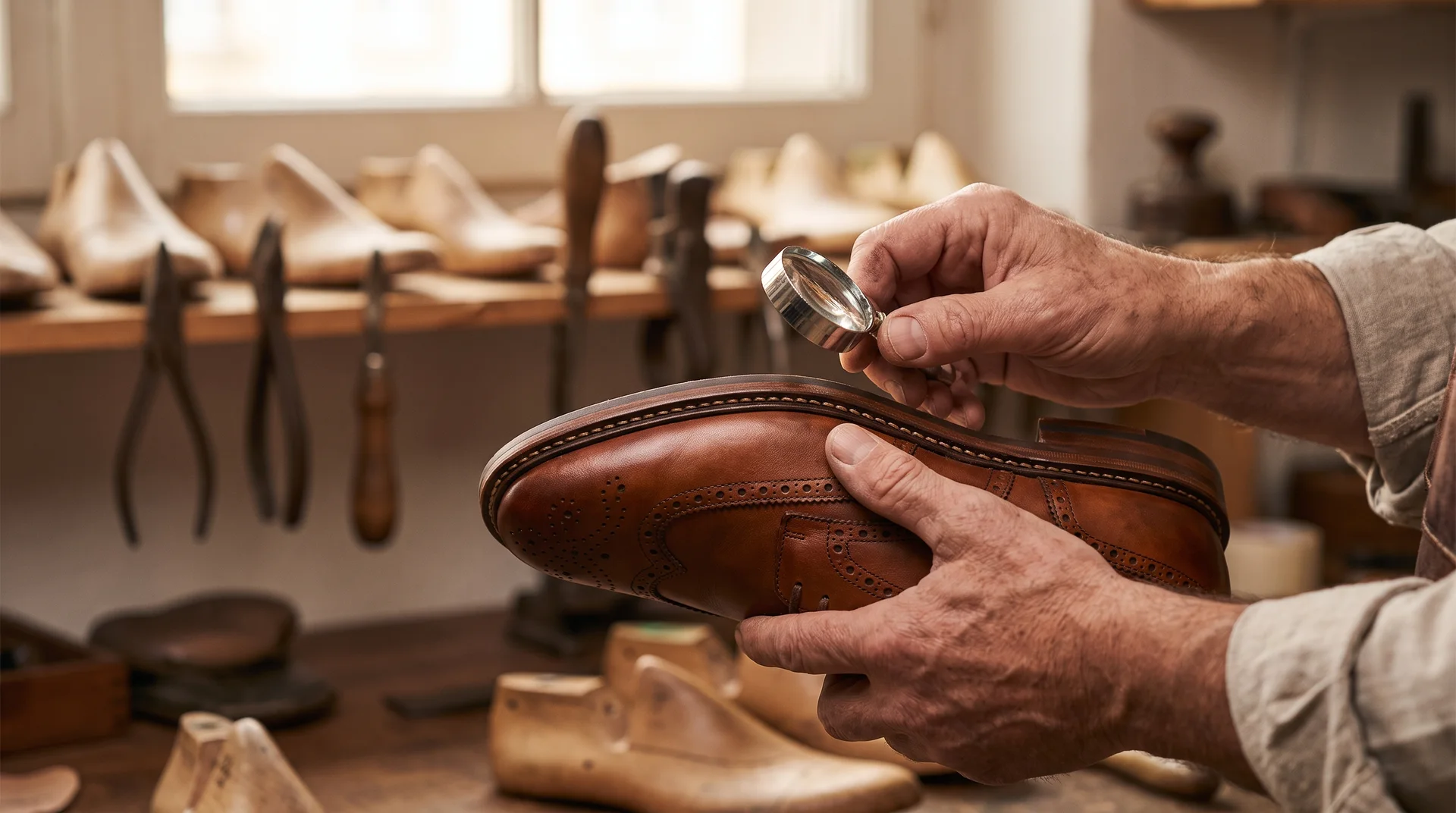
Workmanship and Durability Checks
First-class materials can lose their value due to poor workmanship. It is important to check the quality of workmanship by requesting samples or obtaining detailed information about the supplier's production standards before placing wholesale orders. Points to consider include:
Stitches: The stitches should be regular, tight, and symmetrical. Skipped or loose stitches may cause the shoe to lose its shape quickly.
Adhesion: There should be no adhesive residue at the points where the sole and upper meet, and the junction should be smooth.
Symmetry: Ensure that both shoes in the pair are symmetrical in terms of mold, cut, and stitching.
Accessories: Confirm that metal or plastic accessories like buckles, zippers, or eyelets are made from durable and rust-resistant materials.
Ensuring product quality from the beginning reduces return rates in the long run and increases customer loyalty. This is one of the cornerstones of profitability.
Supplier Reliability and Communication Standards
In wholesale trade, the supplier is not just a company from which you buy products, but also your business partner. The reliability of the supplier encompasses a wide range of aspects, from delivering your orders on time and accurately to demonstrating a solution-oriented approach in potential issues. Having a reliable supplier network simplifies inventory management and prevents unexpected stock issues.
At this point, the value offered by B2B platforms like Bulkoon stands out. The platform creates a security layer for buyers by putting all suppliers through a verification process. Bulkoon’s principle of working with "Approved Suppliers" eliminates the burden of researching the supplier's history each time, providing a trustworthy trading environment. This is a significant advantage, especially for boutique owners new to the industry. A reliable business partner can offer not only products but also market insights and trend forecasts.
Evaluating Supplier History and References
Bulkoon editorial image illustrating the article topic.
Before starting to work with a new supplier, it is wise to research the company’s history and reputation in the industry. How long has the supplier been in operation, what is their production capacity, and what references can you obtain from previous companies they worked with-all of these factors will guide your decision-making process. In digital marketplaces, reviews from other buyers and supplier ratings are also important reference sources. A reliable supplier does not hesitate to provide transparent information about their production processes and quality control standards.
Communication Channels and Ordering Processes
Effective communication is the foundation of a successful B2B relationship. The speed and clarity with which you can get answers to your pre-order questions provide significant insight into how potential collaboration may progress. Order tracking, delivery notifications, and availability for potential issues are fundamental features to look for in a supplier. Platforms like Bulkoon standardize this communication by digitizing the ordering process and providing instant notifications. For instance, notifying through WhatsApp when an order is shipped simplifies operational planning.
A strong supplier relationship opens the door not only to seamless transactions but also to future opportunities. This relationship directly impacts the growth potential of your business.
The Key to Profitability: Correct Assortment and Inventory Management
One of the most critical factors determining profitability in footwear retailing is the correct size distribution (assortment) and effective inventory management. Stocking even the most popular model with incorrect size ratios can result in unsold products by the end of the season, depleting your capital. Therefore, while making wholesale purchases, it is essential to make a strategic decision not only on the model itself but also on which sizes to purchase and in what quantities.
This process requires understanding the demographic makeup of your target audience and regional average shoe sizes. For instance, a store targeting a younger audience will have different size distributions compared to one catering to a more mature audience. Effective inventory management involves not only the correct purchases but also optimizing inventory turnover rates to maintain healthy cash flow. Bulkoon’s offering of only "Ready Stock" products allows buyers to manage inventory quickly according to demand without dealing with production wait times.
Size Distribution (Assortment) Strategies
In footwear wholesaling, "assortment" or "series" refers to a standard package that includes different sizes of a model. In women’s shoes, standard series often form with sizes ranging from 36-40, while men’s shoes range from 40-44. However, every business has a different customer profile. While extreme sizes like 36 or 40 in a standard assortment may sell slowly, medium sizes like 37-38 can run out quickly. This situation leads to the issue of “broken series” and increases stock costs. Successful buyers negotiate flexible assortment options or special series that include more of the best-selling sizes with their suppliers. For example, if you know that sizes 37 and 38 are in high demand for a Women’s Heeled Shoe model, you might consider ordering a larger series that includes those sizes.
Seasonal Demand and Inventory Turnover Rate
Inventory turnover rate is a critical metric showing how quickly your inventory sells and turns into cash. A high turnover rate means healthy cash flow and higher profitability. To optimize this rate, accurately forecasting seasonal demands is necessary. During the summer months, products like sandals and flip-flops gain prominence, while in winter, boots and ankle boots come to the forefront. Outdated products left unsold by the end of the season may need to be sold at significant discounts, eroding your profit margin. Therefore, you should plan your purchases according to seasonal dynamics and strike a balance between riskier trend products and essential products like Men's Casual shoes that have high demand.
Correct assortment and efficient inventory management are not just operational tasks; they form the backbone of your business's financial sustainability.
Understanding Logistics and Delivery Processes
Another essential factor in wholesale footwear purchasing, as important as product cost, is logistics and delivery processes. How quickly, at what cost, and how securely the products reach your store from the warehouse directly affects your operational efficiency and profitability. Delayed deliveries can lead to your shelves being empty during peak season, while high shipping costs may unexpectedly reduce your profit margin.
Bulkoon editorial image illustrating the article topic.
Therefore, it is necessary to understand logistical conditions clearly before agreeing with a supplier. Details such as delivery times, shipping company options, tracking capabilities, and especially packaging standards are vital for a seamless supply chain. Bulkoon’s "Fast and Free Shipping" advantage throughout Turkey simplifies this complex equation for buyers. This service eliminates hidden costs, makes pricing transparent, and reduces the burden of logistics planning on buyers.
Shipping Costs and Delivery Times
In wholesale purchasing, shipping costs can constitute a significant portion of the total cost. Some suppliers offer free shipping above a certain order amount, while others charge based on weight or volume. Knowing these costs upfront allows you to accurately calculate your net cost per product and set your selling price accordingly. Delivery time is equally critical. Shipping an order within 1-2 business days allows you to manage your stock dynamically and respond quickly to urgent needs.
Packaging Standards and Product Safety
It is essential to package shoes correctly so they do not get damaged during shipping. It is customary to expect each pair to be in its own box, protected against crushing, and for the cartons to be sturdy. Products that are damaged, crushed, or scratched due to inadequate packaging can become unsellable, leading to direct losses. Before starting to work with your supplier, it is important to ask about packaging standards and clarify the return or exchange policy for damaged products to prevent potential financial losses. A reliable supplier takes care to ensure the quality of packaging to allow their products to reach the customer flawlessly.
An effective logistical management ensures that products arrive at your store on time and intact, securing your operational flow.
Financial Conditions: Pricing and Return Policies
The final link in the wholesale purchasing process is clarifying financial conditions. No matter how excellent the product quality, supplier reliability, and logistics are, a non-transparent pricing structure or rigid return policies can sabotage the entire process. Especially for small and medium enterprises, managing cash flow correctly is vital, so financial details such as payment options and return conditions should be carefully examined.
You need to understand whether the price offered by a supplier includes any hidden costs. Asking upfront whether VAT, shipping, or additional service fees are included in the price helps avoid unexpected costs. Similarly, knowing how the return and exchange process works in the event of a manufacturing error or incorrect product shipment helps you manage your commercial risk. Having these conditions confirmed in writing provides a guarantee for both parties.
Transparent Pricing and Payment Options
Transparent pricing means that the unit price is presented clearly, including all additional costs. Reliable suppliers and platforms openly share this information so that buyers can easily calculate their costs. Payment options are another important factor. Additional discounts offered for upfront payments can increase profit margins, while installment payment options can ease cash flow. Bulkoon’s options for 3 and 6 installments at the cash price allow businesses to use their capital more efficiently. Such financial flexibilities can encourage buyers to make larger or more diverse purchases.
Reviewing Return and Exchange Conditions
Unwanted situations can occur in any commercial relationship. What matters is having clearly defined rules in place for these situations beforehand. Always inquire about the supplier’s return and exchange policy before making a wholesale purchase. What is the return period for defective, damaged, or wrongly shipped products? Who bears the return shipping cost? Is a refund or a product exchange offered? The answers to these questions are crucial for protecting your commercial rights. A clear and fair return policy is also a sign of the supplier's confidence in their own product quality and operational processes.
Clarifying financial conditions from the outset lays the foundation for a healthy and long-lasting business partnership.
Grow Your Business with Informed Purchasing Decisions
The wholesale footwear purchasing process is a combination of a series of strategic decisions. Success is possible not only by catching trends but also by establishing a solid structure on essential pillars such as quality, reliability, inventory management, logistics, and financial conditions. Carefully evaluating each critical point minimizes risks, maximizes profitability, and opens the doors to sustainable growth. Utilizing the right tools and platforms in this process gives you a competitive edge.
Digital B2B platforms like Bulkoon simplify this complex process by bringing together approved suppliers, transparent processes, and buyer-friendly financial conditions under one roof. By understanding how it works and benefiting from the opportunities it offers, you can save time and costs, focusing your energy on your customers and the growth of your store. Remember, every informed wholesale purchasing decision is an investment in the future of your business.
Single size shoes left unsold for months in your store do not have to be a profit-draining burden. Discover how to effectively manage these products with strategic steps like gradual discounts, creative marketing, and data-driven inventory management, and how to prevent future size imbalances.
Evaluating product quality in wholesale footwear purchasing requires much more than assessing appearance alone. Critical checkpoints such as stitching regularity, gluing craftsmanship, sole flexibility, inner lining, heel balance, and material consistency directly impact your profitability and customer satisfaction. This guide explains step-by-step how to professionally inspect your samples and orders.
Starting work with a new shoe supplier by placing a small initial order allows you to test product quality, sizing, packaging, and logistics performance without taking unnecessary risks.



 2 colors