7 Major Trends Shaping the Footwear Industry in 2026

The footwear industry is reshaping as it heads towards 2026 with changes driven by technology, sustainability, and evolving consumer expectations. For wholesale buyers and retailers, understanding these trends is key to building the right inventory and strategy. We explore seven fundamental dynamics transforming the sector-from sustainable materials to digital supply chains, hyper-personalization to comfort-focused innovations.
The footwear industry is a complex ecosystem that evolves continuously, influenced not only by fashion trends but also by technology, consumer awareness, and global supply chain dynamics. As 2026 approaches, wholesalers and retailers preparing for the future must go beyond merely predicting popular colors or silhouettes. Success depends on understanding core changes affecting the entire value chain from production to sales and proactively adapting to them. This transformation spans a wide range-from material science to digital commerce platforms-making informed and strategic sourcing decisions more critical than ever.
Sustainability and Circular Economy on the Rise
Consumers’ environmental and ethical concerns continue to play a decisive role in purchasing decisions. This pushes footwear brands and manufacturers to rethink their production processes. Sustainability is no longer a marketing slogan but an operational necessity. For wholesale buyers, this means new criteria for supplier selection and product portfolio development.
Circular economy principles are replacing the “take, make, dispose” model. Extending the lifecycle of footwear, improving repairability, and ensuring recyclability of materials at the end of use have become focal points for innovative brands. This approach boosts resource efficiency and enhances brand reputation among environmentally conscious consumers. Retailers who effectively communicate this story to customers gain a significant competitive advantage.
Recycled Materials Becoming the Norm
Fabrics made from recycled PET bottles, soles produced from waste rubber, and synthetic leathers derived from industrial by-products are moving from niche applications to mainstream manufacturing. These materials have reached performance and aesthetic levels competitive with original materials. Wholesale buyers can ensure transparency and verify the sustainability claims of their collections by requesting material certifications (e.g., Global Recycled Standard - GRS) from suppliers.
Culture of Repair and Reuse
The footwear of the future may feature modular designs with parts that can be easily detached and replaced. This encourages consumers to repair rather than discard their shoes. Some brands lead this trend by offering repair services for their products or providing repair kits. For wholesale buyers, this signals the supplier’s confidence in product quality and durability. Durability is no longer a cost factor but a value proposition.
Hyper-Personalization and On-Demand Production
The notion that one size fits all is fading from the footwear industry as well. Consumers demand products that reflect their unique style and needs. Technology enables meeting this demand at scale, shifting the production paradigm from "produce and sell" to "sell and produce." This approach reduces inventory risks while increasing customer satisfaction.
Data analytics and artificial intelligence allow brands to gain deeper insights into customer preferences. These insights form the basis for limited edition special collections or personalized design options. Retailers working with flexible suppliers who swiftly respond to these micro-trends can gain a competitive edge. Platforms like Bulkoon hosting various brands and a wide product range offer the perfect resource to fulfill such niche demands.
3D Printing and Customized Molds
3D printing technology is revolutionizing especially midsole and customized orthopedic insole production. Producing footwear that perfectly fits data obtained from customers’ foot scans is now possible. This technology accelerates prototype creation, shortening the time to market for new designs. Wholesale buyers should monitor innovative manufacturers adopting this technology.
Data-Driven Design Processes
Sales data, social media trends, and online search behaviors provide valuable insights to forecast popular colors, materials, and styles. Brands analyze these data to create more precise collections and minimize the risk of excess inventory. This approach enables a more agile and sustainable response to fast fashion cycles.
The Irresistible Dominance of Comfort and Functionality
The post-pandemic blend of home and work life permanently increased comfort expectations. Consumers now seek shoes that offer all-day comfort without sacrificing aesthetics. This demand has fed the "athleisure" trend, leading to integration of sports footwear technologies into everyday and even formal shoes.
Lightweight materials, flexible sole structures, breathable fabrics, and cushioning technologies have become standard features not only for performance sneakers but also for everyday women’s shoes and men's classic footwear. Functionality is elevating shoes beyond accessories to becoming tools for health and well-being.
"Athleisure" Evolution: Performance Meets Style

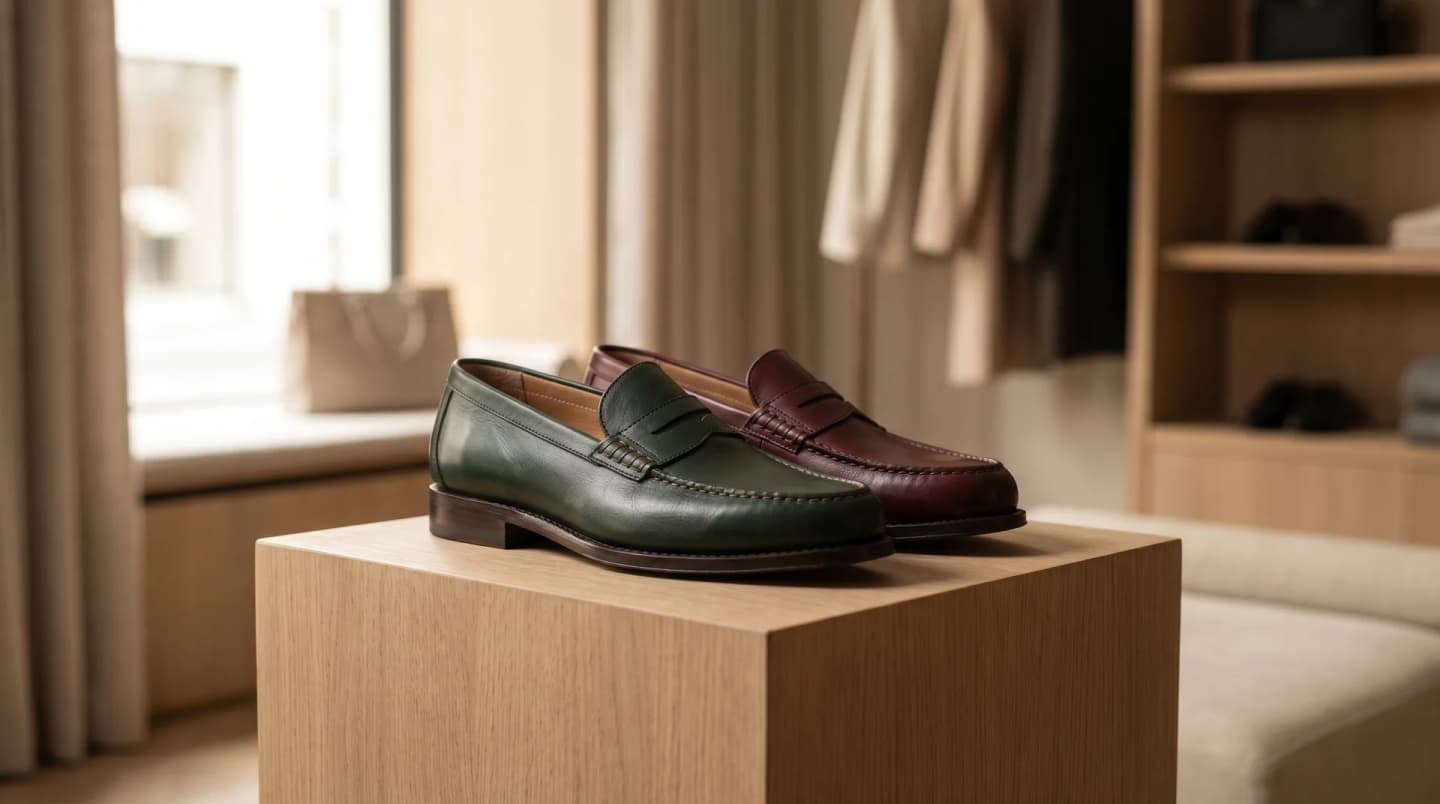
The rise of sneaker culture has placed comfort at the center of fashion. However, this trend is no longer limited to sports shoes. Classic loafers, ballet flats, and even heels are being redesigned with foam soles and flexible uppers inspired by sneakers. These hybrid designs offer an ideal solution for modern consumers seeking versatility.
Ergonomic Design and Health-Focused Innovations
Increasing awareness of foot health's impact on overall wellness drives demand for ergonomic designs. Shoes supporting foot arches, promoting correct posture, and reducing pressure points are gaining prominence. Wholesale buyers can reach a broader customer base by including such health-focused, comfortable models in their collections.
Digitizing the Wholesale Supply Chain
Traditional wholesale footwear trade relied heavily on physical fairs, long travels, and printed catalogs. However, digital transformation is fundamentally changing this process. B2B e-commerce platforms create a more efficient, transparent, and accessible marketplace for buyers and suppliers. These platforms eliminate geographical barriers, enabling even small boutiques to connect with manufacturers worldwide.
Shoe-focused B2B marketplaces like Bulkoon are at the center of this change. Buyers can browse thousands of models from one place, compare prices, and securely place orders. This significantly saves both time and operational costs such as travel. Digitization also enables smarter purchasing decisions through tools like data analytics and artificial intelligence.
The Role and Efficiency of B2B Marketplaces
Online marketplaces simplify supplier discovery. Bulkoon’s network of approved suppliers guarantees that buyers work with trusted and verified manufacturers. Features such as product videos, detailed photos, and transparent pricing replace physical inspection, accelerating decision-making. This efficiency helps retailers respond faster to changes in the market.
AI-Powered Inventory and Category Management
Artificial intelligence can help retailers select the most suitable products for their stores. Algorithms analyzing sales data and market trends can predict which models, colors, and size ranges will perform best. Features like Bulkoon’s AI-enhanced smart selection reflect this trend, helping buyers effortlessly find the best matches among more than 10,000 models.
Material Innovation and Smart Textiles
Some of the most exciting developments in the footwear sector are occurring in material science. The pursuit of sustainability and performance opens the way for innovative materials developed as alternatives to traditional leather and synthetics. This new generation of materials not only reduces environmental impact but also offers design and functionality possibilities previously unattainable.
These innovations provide footwear with superior attributes such as lightness, durability, waterproofing, and breathability. For wholesale buyers, this means products that deliver tangible benefits to customers and justify higher price points. The material story becomes a powerful marketing tool.
Bio-Based and Plant-Based Alternatives
Plant-based leathers obtained from mushroom mycelium, pineapple leaves (Piñatex), cactus, or apple waste provide sustainable alternatives to petroleum-based synthetics and traditional leather. Production of these materials generally requires less water and energy. As supply chains mature, their cost will decrease and their use will become more widespread.
Wearable Technology Integration
Shoes have the potential to become smart devices. Sensors integrated into soles that count steps, analyze running form, or provide GPS tracking can move from niche markets to the mainstream. Futuristic concepts like self-tying laces or materials that change color based on temperature are gradually becoming reality.
Demand for Transparency and Traceability
Consumers now want to know not only what they buy but also where, how, and by whom their products are made. This demand for transparency forces brands to make every stage of their supply chains more visible. Ethical production conditions, fair labor practices, and compliance with environmental standards have become critical for brand loyalty.
Wholesale buyers should request more information from their suppliers to meet these expectations. Traceability means tracking the journey of a product from raw material to end consumer. This facilitates risk management and increases the brand’s credibility. Transparency is no longer a luxury but a necessity.
Blockchain Applications in the Supply Chain
Blockchain technology can be used to create an immutable ledger throughout the supply chain, ensuring transparency. The origin of each raw material, production stages, and logistics movements can be recorded in this ledger. Consumers can access the complete story of their shoes by scanning a QR code. This is also an effective tool against counterfeiting.

Labeling and Certification Standards
Internationally recognized certifications (such as Fair Trade, B Corp, Leather Working Group) provide tangible proof of a brand’s commitment to ethical and environmental standards. Wholesale buyers who choose suppliers with these certifications deliver a trustworthy message to their customers. Including these certifications on product labels and marketing materials positively influences conscious consumers’ decisions.
Strategic Steps for the Future
The seven trends shaping the footwear industry on the way to 2026 present both challenges and great opportunities for retailers and wholesale buyers. Businesses that can keep pace with these changes by being flexible and forward-thinking can differentiate themselves in the market and achieve sustainable growth. Success is closely tied not only to selecting the right products but also to working with the right partners.
Following these trends means understanding where the market is headed and adjusting your business model accordingly. Embracing digital tools, investing in sustainability, and putting customer expectations at the center are cornerstone strategies to survive in a competitive future. Conscious resource use and strategic planning have become more valuable than ever.
Turning Trends into Opportunities
Each trend opens the door for a new product category, market segment, or business approach. For example, the sustainability trend offers the opportunity to build a collection composed of eco-friendly products. Digitalization provides access to suppliers you previously couldn’t reach with the conveniences offered by Bulkoon. The key is to view these changes not as threats but as engines of innovation and growth.
The Importance of Reliable Business Partners
In an environment where change happens so fast, working with trusted and transparent business partners is critical. The production capacity, quality standards, and ethical values of your suppliers reflect on your brand as well. Platforms like Bulkoon simplify this process by offering an ecosystem of verified suppliers, enabling buyers to source products aligned with future trends confidently.
Sources
Information in this article draws on the following sources.