
Shipping Agreements: How to Reduce Shoe Dimensional Weight and Calculate Freight

Shipping costs in wholesale footwear purchases directly impact profit margins. Learn how to control your logistics expenses by optimizing the dimensional weight of shoe boxes and accurately calculating freight.
Success in wholesale footwear trade is not limited to sourcing the right products at the right price. The cost of transporting products to your store or warehouse, that is, logistics expenses, is a critical factor that directly affects your profitability. Many new business owners think that shipping fees are determined only by the package's weight, but the situation is different for bulky products like shoes. For shipping companies, the space occupied in a truck or plane is at least as important as weight. This is where the concept of "dimensional weight" comes into play, and optimizing shoe box sizes becomes the key to avoiding unexpected freight charges.
What Is Dimensional Weight and Why Is It Important in Shoe Logistics?
Dimensional weight (also known as "dim weight") is a measurement unit that reflects the volumetric weight of cargo shipments. Shipping companies compare the actual weight in kilograms with the dimensional weight calculated from the volume and charge based on the higher value. Shoes are typically lightweight but bulky due to their boxes, so shipping costs almost always are calculated based on dimensional weight. Therefore, understanding and managing dimensional weight is the first step to keeping your logistics budget under control.
The Basics of Dimensional Weight Calculation
The standard formula for calculating dimensional weight for domestic shipments is quite simple: multiply the package's length, width, and height in centimeters, then divide by 3000. For example, a shoe box measuring 30 cm x 20 cm x 15 cm has a dimensional weight of (30 * 20 * 15) / 3000 = 3 dim weight units. If the box's actual weight is 1 kg, the shipping company will charge you based on 3 dim weight units. This simple math shows how just a few centimeters in box dimensions can create a huge cost difference in hundreds or thousands of pairs per order.
Weight vs. Volume: Which Takes Priority?
In the shipping industry, billing is always based on the higher of the two: actual weight or volumetric weight (dimensional weight). Wholesale footwear shipments perfectly illustrate this. Consider a carton full of women's sports shoes - the actual weight might be 15 kg, but the dimensional weight due to volume could reach 25-30. In this case, you pay based on 30 dim weight units. Knowing this rule gives you significant bargaining power when negotiating packaging options with suppliers or your own shipping agreements.
For products like shoes with high volumetric weight, dimensional weight is the main cost determinant. Therefore, buyers must pay as much attention to package size as to the product itself to ensure long-term profitability.
How to Optimize Dimensional Weight in Shoe Boxes?
The most effective way to reduce shipping costs is minimizing the dimensional weight value of each package shipped. This applies to individual shoe boxes as well as the larger shipment cartons containing them. Smart packaging strategies that eliminate unnecessary air gaps and use every square centimeter efficiently can yield significant savings. This process requires close cooperation with suppliers and product-specific approaches.
Communicating with Suppliers About Packaging
Start a proactive dialogue with your supplier about packaging options. Some manufacturers offer alternative, more compact box sizes for different markets or logistics requirements. Before placing an order, it is helpful to ask questions like: "Is there a smaller box option for this model?" or "Can the boxes be carton-packed more efficiently?" Sometimes suppliers customize packaging according to the buyer's requests, especially for large orders. Remember, their goal is also to ship products at the lowest possible cost.
Choosing Box Size According to Model Type
Not every shoe model requires the same box size. For example, a pair of women's flat sandals and a pair of men's sports shoes do not occupy the same space. Using a one-size-fits-all large box might seem operationally easier, but leads to serious dimensional weight waste, especially for smaller models like ballerinas, sandals, or slippers. Requesting the supplier to package each model in the smallest possible box appropriate to its dimensions can significantly reduce total shipment volume. This optimization directly lowers your shipping invoice.
Carton Optimization in Bulk Shipments
As important as optimizing individual shoe boxes is efficiently using the larger master cartons they fit into. Cartons should be organized with minimal empty space. The carton size should match the dimensions of the packed shoe boxes precisely. For example, if 8 pairs fit perfectly in a carton, it makes more sense to plan shipments in 8-pair cartons rather than using a 10-pair carton filled with filler material. This saves dimensional weight and reduces the risk of product damage during shipment.
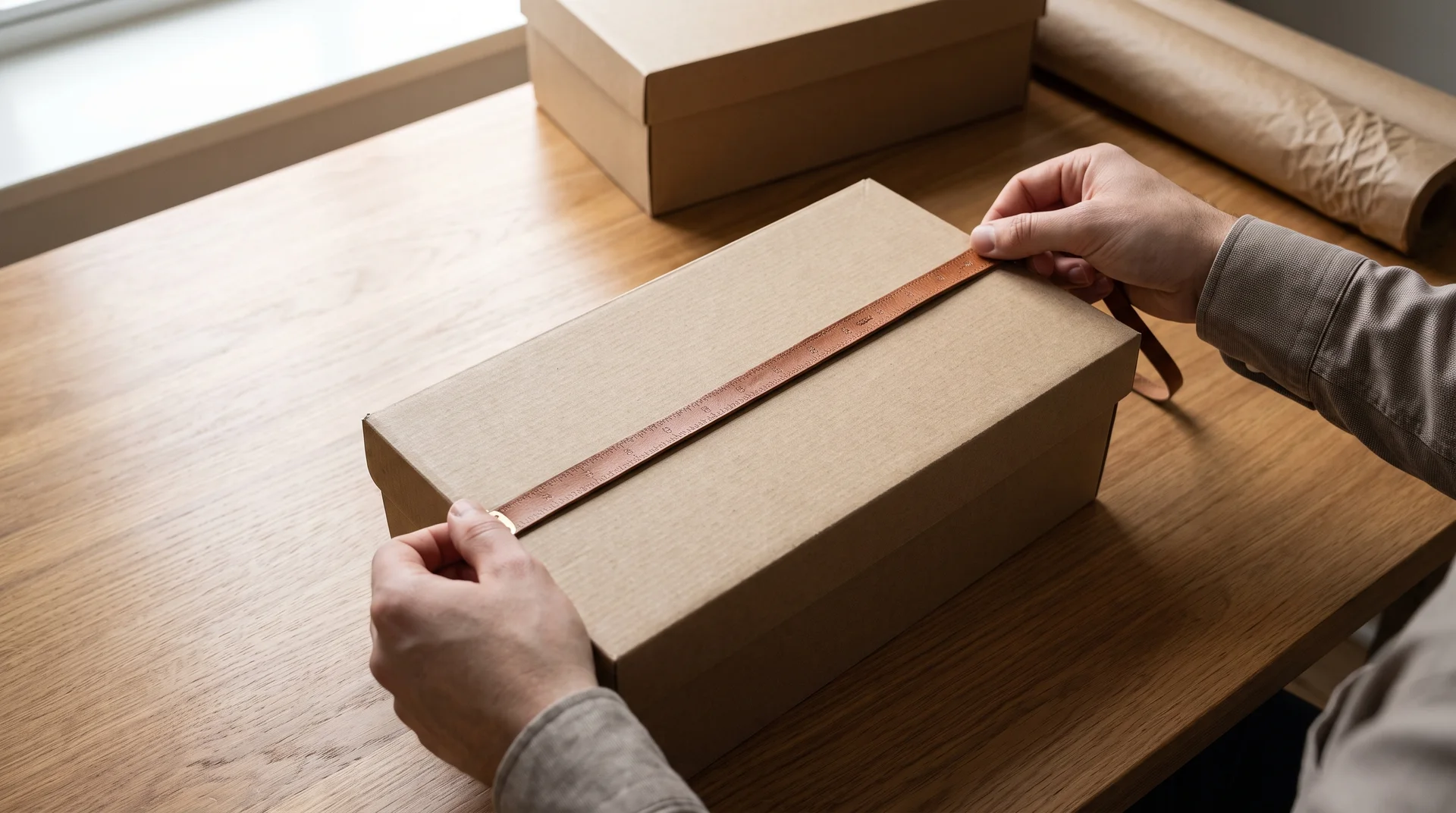
Dimensional weight optimization is the art of achieving big results by paying attention to small details. Supplier communication, model-specific packaging, and efficient carton packing have the potential to reduce your shipping costs by up to 20%.
Freight Charges and Key Points in Shipping Agreements
Freight is, in the simplest terms, the fee paid for transporting goods from one location to another. In wholesale trade, freight charges depend on many variables like dimensional weight, actual weight, distance, and additional services. For newly established businesses, making the right agreements with shipping companies is crucial to keep operational costs predictable and manageable. Even a small clause in an agreement can cause thousands of dollars in difference annually.
Factors Affecting Freight Charges
Knowing the main components that determine freight charges helps you analyze costs better. These factors usually include:
Volumetric Weight (Dimensional Weight): The main cost driver in footwear trade.
Distance: The distance between origin and destination directly influences cost.
Delivery Speed: Options like standard, express, or same-day delivery come with different pricing.
Additional Services: Pickup, insurance, cash on delivery, and other extras add to freight costs.
Fuel Surcharge: A dynamic cost component reflecting fluctuations in fuel prices, passed on by shipping companies.
What to Consider When Making Agreements with Shipping Companies
When making your own shipping agreements, instead of relying on standard tariffs, negotiate terms specific to your business model. If you regularly make wholesale purchases, you can request special discounts in exchange for committed shipment volumes. Discuss dim weight divisor (whether the divisor is higher than 3000), fixed price guarantees for specific routes, and discounts on additional services. Make sure all potential extra fees (such as out-of-delivery-area charges, return costs, etc.) are clearly stated in the contract.
The right shipping agreement not only lowers per-unit costs but also adds speed and reliability to your logistics processes. This is a strategic investment that increases customer satisfaction and overall business efficiency.
Freight and Customs Processes in International Shipments
Expanding wholesale footwear trade to international markets offers new opportunities but involves more complex logistics and cost structures. International freight differs from domestic cargo by including additional layers such as transportation mode, customs duties, and import/export procedures. Managing these processes correctly is critical for maintaining profitability and legal compliance. Platforms like Bulkoon facilitate this by allowing buyers to choose their own shipping company for overseas shipments, simplifying the process.
Differences Between Air, Land, and Sea Freight
There are three main transportation modes in international shipments, each with a different cost-speed balance.
Air Freight: The fastest but most expensive option, usually chosen for urgent or high-value products. Dimensional weight calculations are more sensitive and have a huge impact on costs.
Sea Freight: The slowest and most economical method, ideal for high-volume orders. Pricing is done on a container basis and substantially lowers unit transport costs.
Land Freight: Provides a balanced speed and cost option between neighboring or same-continental countries, mostly via trucks or lorries.
The choice depends on the size, urgency, and budget of your order.
Customs Clearance and Additional Costs
Freight fees are only part of the total cost of an international shipment. Your products must go through customs clearance at a country's border. This process can incur additional costs such as customs duties, value-added tax (VAT), customs brokerage fees, delivery order fees, and potential storage (demurrage) charges. Researching and budgeting for these costs beforehand prevents unexpected expenses. Properly prepared documents like commercial invoices and packing lists are mandatory for smooth customs processing.
International logistics requires careful planning and detailed cost analysis. Choosing the right transportation mode and calculating all customs costs upfront is essential to remain competitive in the global market.
How Digital Wholesale Platforms Simplify Logistics Processes
The travel, accommodation, and time costs brought by traditional wholesale trade are disappearing with the rise of digital platforms. Particularly complex and costly operations like logistics become more manageable thanks to the centralized solutions offered by these platforms. Footwear-focused B2B marketplaces like Bulkoon enable buyers not only to discover products but also to simplify shipment processes. This is a significant advantage especially for small and medium-sized enterprises.

Centralized Logistics and Partnered Shipping
Digital wholesale platforms leverage the combined shipping volumes of thousands of buyers to negotiate more advantageous agreements with shipping companies. These discounted rates are passed directly to buyers. For example, Bulkoon's free shipping service to all 81 provinces of Turkey completely frees buyers from the hassle of calculating dimensional weight and freight. This clarifies costs and simplifies budget planning. Buyers enjoy the convenience of receiving orders at their door without paying shipping fees.
Transparent Cost and Tracking Systems
Digital platforms provide transparency at every stage of the order. Buyers clearly see total costs during order creation and avoid surprise fees later on. They can also track the entire process in real time-from preparation to dispatch and delivery. Features like Bulkoon’s instant updates via WhatsApp give buyers complete operational control. This transparency and easy tracking improve stock planning and streamline workflows.
Digitization transforms logistics from a cost item into a strategic advantage in wholesale footwear trade. The centralized solutions offered by platforms allow buyers to save time and money and focus on their core retail business.
Practical Tips to Keep Shipping Costs Under Control
Increasing profitability in footwear trade is not just about raising sales prices or lowering purchase prices. Operational efficiency, especially managing logistics costs wisely, is a fundamental pillar for long-term success. Beyond dimensional weight optimization and freight agreements, you can further reduce shipping expenses by integrating simple strategies into your daily operations. This approach treats every shipment as a saving opportunity.
Order Consolidation Strategies
Instead of placing frequent small orders at different times, plan and create larger single orders. Combining orders - consolidation - offers several advantages. First, a single large shipment usually has a lower per-unit shipping cost than multiple smaller shipments combined. Second, it reduces operational workload: one tracking number, one invoice, and one delivery process. Platforms like Bulkoon, with over 10,000 model options, enable you to consolidate needs from different suppliers into one cart.
Cost Analysis and Reporting
Regularly review your logistics costs. Analyze your monthly shipping invoices in detail to identify which routes or product types are more expensive. Such data enables you to make more informed decisions in future orders. Perhaps the box for a specific model is disproportionately large compared to others, increasing shipping costs. Detecting such anomalies helps you find solutions either by negotiating with your supplier or by searching for alternative products. Remember, you cannot manage what you cannot measure. Treating your shipping costs as data points is the most effective way for continuous improvement.
In conclusion, shipping and freight management is an indispensable area of expertise for wholesale footwear buyers. Understanding dimensional weight, optimizing packaging, and simplifying logistics processes with digital tools will give you a competitive edge.
Sources
Information in this article draws on the following sources.