Slipper and Sandal Category: Stock Planning for Holiday Resorts

Selling slippers and sandals in holiday resorts can yield high profits with proper timing and product selection. Discover how to optimize your inventory and increase your turnover by analyzing seasonal demand peaks, visitor profiles, and beach fashion trends.
The success of a store in a holiday resort is not just about being in a great location. True success comes from having the right stock of slippers and sandals that can timely meet a tourist’s immediate needs or preferences. This category has high profit margin potential, but success depends entirely on forecasting, planning, and shipments with proper timing. An incorrect stock plan means leftover product piles at season end, while a correct strategy can boost your turnover to its peak.
Understanding the Dynamics of Holiday Resorts
The customer profile of a shoe store in a city center is fundamentally different from that of a store in a holiday resort. Customers in holiday resorts generally are more relaxed, prone to impulse shopping, and focused on immediate needs. Understanding these dynamics is the first and most important step in your stock planning. Knowing who your customer is and what and when they want it ensures you put the right products on your shelves.
Visitor Profile and Demand Variability
Who visits your store’s location? Young people, families with children, or couples seeking luxury and tranquility? Each group has different expectations. For example, in an area dominated by youth, vibrant-colored, trendy thong slippers and platform sandals stand out, while in locations favored by families, comfortable, durable models suitable for both adults and kids will be in demand. If you have historical season sales data, analyzing which segment attracted more interest is invaluable.
Micro Seasons and Event Calendar
The summer season is not a single block; it contains "micro seasons" that temporarily increase demand, such as holiday holidays, local festivals, or long weekends. These special periods bring increased visitor numbers and shopping tendencies. For example, during a holiday week, sales of women's heeled sandals or more elegant flat models suitable for evening wear can rise. Identifying these dates in advance and adjusting your stock for such short-term peaks ensures you do not miss sales opportunities.
Product Selection: Balancing Trends and Functionality
Slippers and sandals sold in holiday resorts must be both aesthetically attractive and functional. Customers look for products they can wear on the beach, poolside, or during dinner and that are comfortable throughout their vacation. This balance should be central to your product selection. Finding products that achieve this balance among Bulkoon’s 10,000+ model options enriches your collection.
Material Quality and Comfort Priority
Saltwater, chlorine, sand, and intense sunlight are tough conditions for shoe materials. Therefore, material quality in the products you choose is critically important. Water-resistant EVA or rubber-soled slippers are ideal for the beach, while women’s flat sandals designed for evening use should prefer genuine leather or high-quality synthetic materials. Sole comfort, foot health, and suitability for long walks are factors that directly affect purchase decisions.
Beach Fashion and Current Color Palettes
Each season, certain colors, patterns, and styles dominate beach fashion. Following these trends keeps your store current and attractive. You can include on-trend items such as straw details, metallic colors, minimalist strap sandals, or neon-toned slippers in your collection. However, while following trends, always keep classic and timeless models (such as black, white, and tan-colored sandals) in your stock. These staple products guarantee certain sales volumes at all times.
Profit-Focused Stock Management: Size Run and Turnover Rate
The key to profitability in seasonal products like slippers and sandals is proper stock management. Leftover items at season end tie up your capital until the next year and incur storage costs. Therefore, special attention is needed for size runs and stock turnover rate. The goal is to sell most of your stock before the season ends to maintain healthy cash flow.
Optimizing Size Runs
A standard shoe series (for example sizes 36-40) may not always fit the demographic profile of holiday resorts. It is important to observe average foot sizes of local and foreign tourists visiting your area. Perhaps sizes 38 and 39 sell faster while 36 or 40 remain on shelves. Analyzing sales data and focusing on the most demanded sizes when creating special series or requesting your supplier to do so reduces waste and increases profitability.
The Importance of Seasonal Stock Turnover
Stock turnover rate shows how many times your inventory is fully sold and replenished in a given period. A high turnover is targeted for seasonal products. Instead of placing a large order at season start and waiting, a more flexible strategy is smaller but frequent orders to keep stock fresh. Bulkoon’s advantage of working with only ready stock and rapidly preparing orders for operation is crucial here. When a popular model runs out mid-season, you can quickly place a new order to maintain sales continuity.
Supply and Logistics Timing
No matter how perfect your product collection is, it means nothing if the products are not in your store at the right time. Supply chain management and logistics planning in slippers and sandals category is as critical as product selection. A delayed shipment can cause you to miss the busiest season period, directly resulting in turnover loss.
Benefits of Working with the Right Supplier
A reliable supplier does not just provide products; they are your business partner. On-time delivery, consistent quality, clear communication, and standing behind the product reduce stress during the season. All suppliers on the Bulkoon platform are approved suppliers, minimizing this risk. Accessing multiple reliable manufacturers’ products through a single platform increases variety and simplifies supply processes.
Order and Shipment Schedule
Placing main season orders at least several months before the season allows sufficient time for production and logistics. Early spring is typically the period for summer season main orders. However, do not confine your calendar to this initial order. Reserve potential time slots for additional mid-season orders. Bulkoon’s fast and free shipping advantage reduces costs and accelerates delivery for such interim orders, adding flexibility to your planning.
Pricing and Marketing Strategies
After sourcing the right products at the right time, the next step is to deliver them to customers with the right pricing and presentation. Competition can be intense in holiday resorts, so your pricing and marketing strategies must differentiate you. Since customers often shop on impulse, in-store presentation and window displays have a direct impact on sales.
Value-Focused Pricing
Do not think of pricing only as cost plus profit margin. Consider the value offered by the product (comfort, style, material quality, brand). For example, a simple beach slipper and a leather sandal with handcrafted details should not follow the same pricing logic. Pricing based on perceived customer value helps optimize profit margins. Offering products across different price segments allows you to appeal to customers with various budgets.
Window and In-Store Presentation
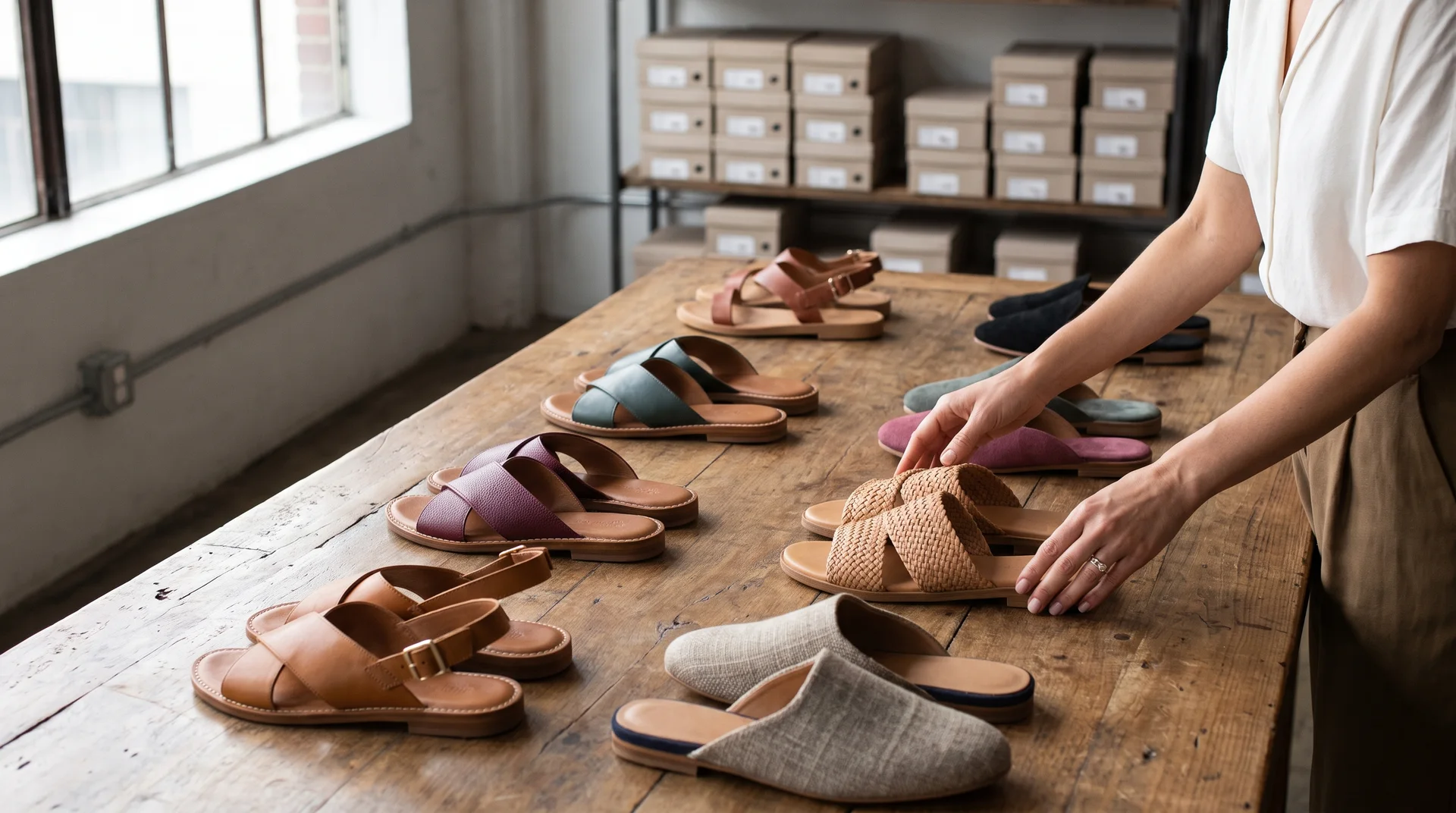
The storefront is your store’s invitation. A colorful and eye-catching window display reflecting holiday spirit attracts passing tourists. Inside, arrange products by categories (for example, beach slippers, evening sandals, men’s slippers) so customers can easily find what they need. Offering combination suggestions or displaying complementary items together (such as a beach bag paired with a matching sandal) can encourage cross-selling.
Final Steps for a Successful Season
Selling slippers and sandals in holiday resorts is a dynamic and demanding process. Success is an integration of accurate pre-season planning, flexible in-season management, and post-season analysis. Understanding customer profiles, combining trends with functionality, and effectively managing the supply chain will put you a step ahead in this competitive market. Remember, every season provides valuable data for preparing the next one.
To start building your collection, you can explore Bulkoon’s wide product range, review models from various suppliers, and confidently order the right products for your store. With a proactive approach, you can enjoy a profitable and successful summer season.