
Common Operational Issues in Footwear Stores
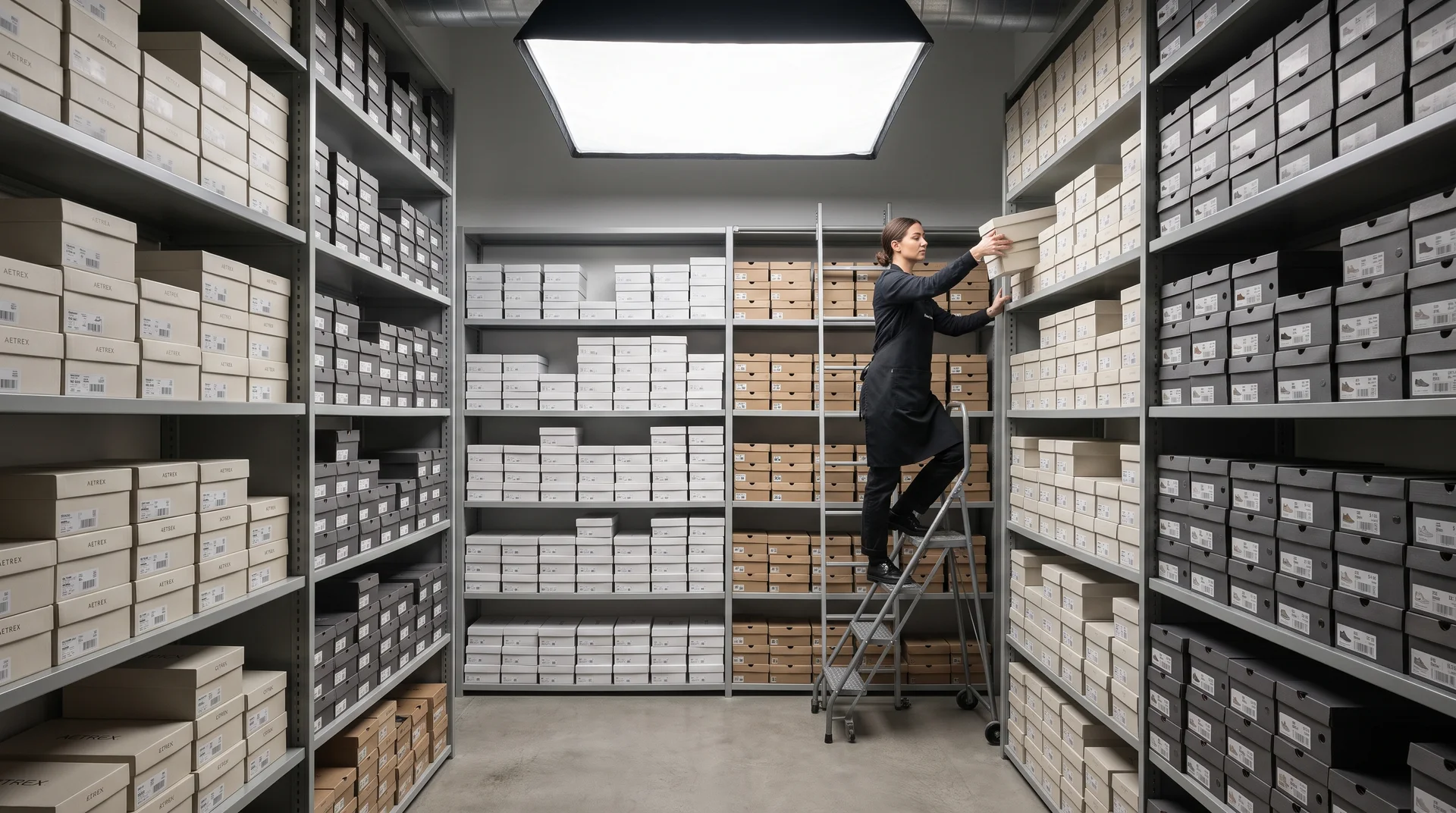
Success in footwear retail is achievable not only by choosing the right products but also by efficiently managing operational processes such as ordering, inventory, shipping, and sourcing. You can find the fundamental issues frequently encountered, from supplier reliability to incorrect assortments, shipping delays to return management, along with practical solutions in this article.
Opening a new shoe store comes with immense excitement and potential. However, even if the storefronts are filled with the most popular models, the true engine of success is operational efficiency. Many business owners find themselves struggling with daily operational issues in a short time: products that do not arrive from the supplier, unsold single sizes piling up in the warehouse, delayed shipments, and challenging return processes. This situation is usually not due to a lack of passion but rather the absence of solid operational strategies. This article will examine these basic issues that shoe stores most frequently encounter and provide actionable solutions for each.
Supply Chain Management: Reliability and Communication Issues
Every retail operation's foundation is built on a solid supply chain. In a sector like footwear, where competition and trends change rapidly, relationships established with suppliers directly affect the fate of the business. An unreliable or poorly communicating supply network can render the best sales strategy ineffective. Therefore, preventing problems before they arise requires a proactive supplier management approach.
Supplier Selection and Evaluation Criteria
With countless manufacturers and wholesalers in the market, finding the right partner is a critical step. Choices made solely based on price often lead to larger costs, including quality inconsistencies, production errors, and delivery delays. A reliable supplier should not only supply products on time and of consistent quality but also act as an extension of your business. It is important to consider concrete data such as production capacity, material quality, quality control processes, and financial stability when conducting evaluations. Platforms like Bulkoon save buyers from this hassle by ensuring they work only with approved suppliers. This means each supplier meets specific standards and is a reliable partner.
Order Tracking and Communication Breakdowns
Questions like "Has my order shipped?" and "When will it arrive?" are the clearest indicators of inefficient supplier communication. An order process that operates through constant phone traffic or unanswered emails results in wasted time and makes inventory planning impossible. Communication breakdowns lead to various issues, from misunderstood order details to delays in deadlines. Modern wholesale trade is built on transparency and a clear flow of information. To overcome these challenges, establishing central communication channels, agreeing on clear deadlines for each order, and tracking the process through digital platforms are the most effective methods. Instant notifications and transparent tracking systems eliminate uncertainty and give you control.
In summary, a strong supply chain is not just about finding low-cost products but about building partnerships founded on trust, transparency, and open communication. This foundation prevents a significant portion of operational issues right from the start.
You might also like


The Impact of Inventory Management on Profitability: Assortment and Seasonal Balance
In footwear retail, profitability is directly linked to inventory management skills. Every pair of shoes in your warehouse is a cost until it matches the right customer at the right time. Particularly, factors unique to the footwear industry, such as assortment (size series) distribution and seasonal stock turnover rates, deeply affect cash flow and profit margins. Mistakes in this area force stores to make significant discounts at the end of the season or sell leftover products at a loss.
The Cost of Incorrect Assortment and Size Distribution
In wholesale footwear purchasing, "assortment" refers to a pre-packaged series of sizes for a certain color option of a model. For instance, a standard women's shoe assortment typically includes sizes 36 to 40. The problem is that this standard distribution does not fit every store's customer profile. If the average shoe size of your customer base differs from the standard, you will continually accumulate unsold single sizes (for example, size 36 or 40 only). These "lonely pairs" are dead stock that takes up space on your shelf and is tough to convert into cash. To solve this problem, you should analyze your past sales data to derive your store's size sales curve. With this information, working with suppliers that offer flexible assortment options or allow for single purchases from ready stock provides a strategic advantage.

Seasonal Stock Turnover Rate and Cash Flow
Stock turnover rate is a critical performance metric indicating how many times your stocks have sold and been replenished over a specific period. In footwear, this rate is significantly influenced by seasonal dynamics. Selling winter boots in the spring or summer sandals in the fall is nearly impossible. Large and imprecise stock purchases made at the beginning of the season can tie up your capital in these products for months, choking your cash flow. An effective strategy is to make smaller and frequent purchases instead of spending your entire budget at the start of the season. Models available only as ready stock on platforms like Bulkoon allow this flexibility. Thus, you can quickly procure new products according to seasonal trends and customer demands, boosting your stock turnover rate and utilizing your capital more efficiently.
In short, smart inventory management is the art of having the right product at the right time and the correct size on the shelf. Establishing this balance is key to maximizing profitability and reducing operational burdens.
Disruptions in Ordering and Logistics Processes
You’ve negotiated with your supplier, chosen the right products, and placed your order. But the operational chain does not end here. Proper preparation, packaging, and timely arrival of the order at your store is a process as critical as supplier selection. The smallest disruption in the logistics phase can negatively impact customer satisfaction and your sales potential. Incorrect or delayed deliveries are among the biggest obstacles to operational efficiency.
Handling Incorrect Orders and Missing Product Management
Differences between the items you ordered and those that arrive is a common and frustrating issue. Receiving the wrong model, a different color, an incorrect size, or an entirely different product can disrupt all your plans. Especially when expecting a specific model for a campaign or a special day, receiving a faulty item directly translates to a sales loss. To minimize such issues, it is essential to digitize the ordering process. Working via platforms that include product codes, clear visuals, and written confirmations reduces human error. Additionally, establishing a delivery receipt procedure by checking off products that arrive with the delivery note allows you to immediately identify and report any errors to the supplier.
Shipping Delays and Damaged Deliveries
Shipping, the final link in the logistics process, is the step that crowns or shadows the entire operation's success. A delay in shipping means that new season products won't hit the shelves on time. Damaged products or boxes during delivery translates directly to financial loss. To manage these risks, you should inquire about the reliability of the shipping company your supplier works with and their packaging standards. The transparency of the process is equally important. Bulkoon offers fast and free shipping service to all 81 provinces in Turkey while eliminating uncertainty through instant location tracking and WhatsApp notifications at every stage of the order. This allows buyers to clearly track the delivery process and plan their operations accordingly.
In conclusion, the smooth operation of the entire logistics process from order placement to product placement on the shelf is an essential element for profitability and customer satisfaction.
Return Management: Balancing Customer Satisfaction and Operational Burden
Returns, an unavoidable reality of the retail sector, can turn into serious financial and operational burdens if not managed correctly. The return rates can be higher for products like footwear that require 'experience'. Successful return management requires finding a delicate balance between maintaining customer satisfaction and controlling operational costs. The goal is not to eliminate returns entirely, but to reduce them by understanding their causes and making the process as efficient as possible.
Fundamental Reasons for Customer Returns
The first step in reducing returns is to analyze their causes accurately. In footwear, returns usually fall under a few main headings: size mismatch (fit differences), comfort level not meeting expectations, the product looking different than in the photos, or perceived quality issues. Proactive steps can be taken to eliminate these causes. For example, indicating whether the fit is narrow or wide in product descriptions guides the customer in selecting the right size. Providing high-resolution photos taken from different angles and even videos of the products bridges the gap between a customer’s expectations and the actual product. This enables the customer to make a more informed purchase decision, thereby reducing the likelihood of returns.

How to Design an Efficient Return Process?
When returns are inevitable, the process needs to be simple and transparent for both the customer and the business. From the customer's side, having a clear and easily understandable return policy and the simplicity of the steps to initiate a return builds trust. In the background, an efficient operation should be structured. The returned product should be quickly inspected, evaluated for damage, re-added to stock if it is in resalable condition, and the customer's refund or exchange request should be promptly met. Delays in this process lead to customer dissatisfaction. Moreover, knowing from the outset the return policy of the supplier you source from in cases of manufacturing defects will protect you from potential losses.
Effective return management can transform the issue into an opportunity to build customer loyalty instead of viewing it as a cost item. Process efficiency also preserves your operational profitability.
Lack of Digitalization and Data Utilization
In today's competitive retail environment, businesses that do not leverage technology and data are finding it increasingly difficult to survive. Many shoe stores still attempt to operate using traditional methods, such as taking orders over the phone, relying on paper catalogs, and manually tracking inventory. These methods are not only slow and inefficient but also deprive the business of valuable data and the strategic advantages that this data offers.
Inadequacies of Manual Processes
Managing operations manually leaves a door open to human errors. A miscommunication of a product code in a phone order, a simple counting error in a hand-held stock list, or a forgotten email can trigger a chain reaction leading to serious problems. These processes become unmanageable as the business grows and cause staff to spend a significant portion of their time on low-value, repetitive tasks. Digital wholesale purchasing platforms eliminate this inefficiency by allowing the entire process from ordering to payment, shipping tracking, and invoicing to be managed from a single interface. This not only saves time but also minimizes operational errors.
Making Decisions by Analyzing Sales Data
One of the most valuable assets your business possesses is its sales data. Which women's athletic shoe model is selling the most? Which men's athletic shoe brand do your customers prefer? Which sizes are running out faster? Answers to these questions are a treasure that will guide you in making purchase decisions for the next season. Data analysis replaces intuition-based decision-making, allowing for more accurate inventory planning. Tools such as Bulkoon’s AI-supported smart selection and detailed filtering make it easier to find the most suitable products for your customer base from thousands of models based on this data. A data-driven approach reduces the risk of deadstock and increases profit margins.
Embracing digital tools and using data as a decision support mechanism is the most reliable way to achieve operational excellence in modern retail.
Conclusion: A Proactive Approach to Operational Excellence
The operational issues encountered in footwear retail are challenges inherent to the industry but not predestined outcomes. Overcoming each problem, from supply chain disruptions to inventory management mistakes, logistics challenges to inefficient return processes, can be achieved by establishing proactive systems and strategies rather than merely reacting to issues as they arise. The key to success is to view each link in the operation as a whole and to embrace a culture of continuous improvement. Working with the right suppliers, managing stocks with data, creating transparency in logistics, and leveraging technology makes your business more resilient, agile, and profitable. Next-generation B2B platforms like Bulkoon are designed to alleviate many of these operational burdens, allowing buyers to focus on their primary business of serving their customers. By examining how it works, you can discover thousands of models, purchase from reliable suppliers, and easily manage your orders. Remember, perfect storefronts gain meaning only with a smoothly operating back-end process.