
Wholesale Purchasing Guide for Those Who Want to Sell Sneakers

We cover the wholesale purchasing process from A to Z for those new to sneaker sales. This guide includes all critical steps from selecting the right models and analyzing the target audience to finding reliable suppliers and managing profitable inventory.
The sneaker market offers an attractive area for retailers with its dynamism and constantly renewing trends. However, a successful entry into this competitive category requires more than just following popular models. The key to success lies in strategic and informed wholesale purchasing decisions. Procuring the right products at the right price, creating a collection that aligns with the target audience, and efficiently managing inventory form the foundation of profitability. This guide addresses the critical steps and essential tips in the wholesale purchasing process for businesses wanting to start sneaker sales.
Market and Target Audience Analysis: Who Will You Sell To?
The first and most important step before starting wholesale sneaker purchases is to clarify who you will sell to. Instead of attempting to appeal to a broad audience, focusing on a specific niche or customer segment makes your marketing efforts more effective and strengthens your brand identity. Market analysis helps you understand what your competitors offer, the price ranges they operate within, and which customer groups they target.
This analysis allows you to identify gaps in the market. Perhaps no business in your region focuses on vegan sneakers made from sustainable materials, or there is a lack of stores offering specialized models for a particular sport (e.g., skateboarding or basketball). Such niches enable you to build a more loyal customer base.
The Importance of Defining a Niche
Several factors should be considered when defining your niche. These include demographic characteristics (age, gender, income level), lifestyle (athletes, fashion enthusiasts, students), and aesthetic preferences (minimalist, retro, futuristic designs). For example, if your target audience is university students, you might lean towards more affordable and trend-focused models. If your target is a more mature and higher-income group, premium materials and classic men's sports shoes models may be more appropriate.
Creating Customer Personas
Create one or more customer personas to concretize your target audience. This is a semi-fictional representation of your ideal customer. Give your persona a name, define their age, profession, interests, and shopping habits. For example, a persona like "Aylin, a 25-year-old graphic designer who values sustainability, loves minimalist designs, and usually shops online" gives you clear guidance on which types of sneakers to stock. These personas will guide you through every phase from purchasing decisions to marketing messages.
Accurate market and audience analysis helps determine which sneaker models you should invest in, avoiding unnecessary inventory costs. This strategic foundation is a critical investment for the long-term success of your business.
Criteria for Selecting the Right Sneaker Models
After defining your target audience, the next step is to select sneaker models that meet their expectations and needs. This selection process should be based not only on aesthetic preferences but also on quality, functionality, and commercial potential. Filtering with the right criteria on wholesale platforms offering a wide range of products directly impacts the success of your collection.
When choosing models, aim to create a selection that reflects the identity of your store or e-commerce site. A coherent collection that tells a story is more attractive and professional in customers’ eyes than a heap of randomly chosen popular models.
Balance Between Trends and Classics
A successful sneaker collection consists of a balanced mix of models that capture current trends and timeless classics. Seasonal colors, bold designs, and popular silhouettes offer high short-term sales potential, while classic women's sports shoes models like white leather or black canvas are always in demand and reduce stock risk. Allocating about 60-70% of your collection to classic and basic models, and the remaining 30-40% to trend-focused, bolder pieces can be a good starting point.
Material Quality and Craftsmanship Details
One of the most important factors determining a sneaker's price and durability is the material quality. It is essential to understand the characteristics of different materials such as leather, suede, canvas, synthetic fabrics, and technical textiles. When purchasing wholesale, carefully read product descriptions and request detailed information about materials from suppliers if possible. Craftsmanship details such as seam neatness, adhesive quality, sole flexibility, and the comfort of the inner lining directly affect customer satisfaction and product lifespan. A quality product reduces return rates and builds brand loyalty.
Model selection is not just an art but also a science. Informed choices combining market data, quality standards, and your brand identity will form the cornerstones of your commercial success.
How to Find Reliable Wholesale Suppliers?
Working with reliable suppliers who can consistently provide the right products at fair conditions is as critical as selecting the right products. Disruptions in the supply chain, poor-quality products, or inconsistent pricing can negatively impact your business’s reputation and profitability. Therefore, dedicating time and care to the supplier selection process is a long-term investment.
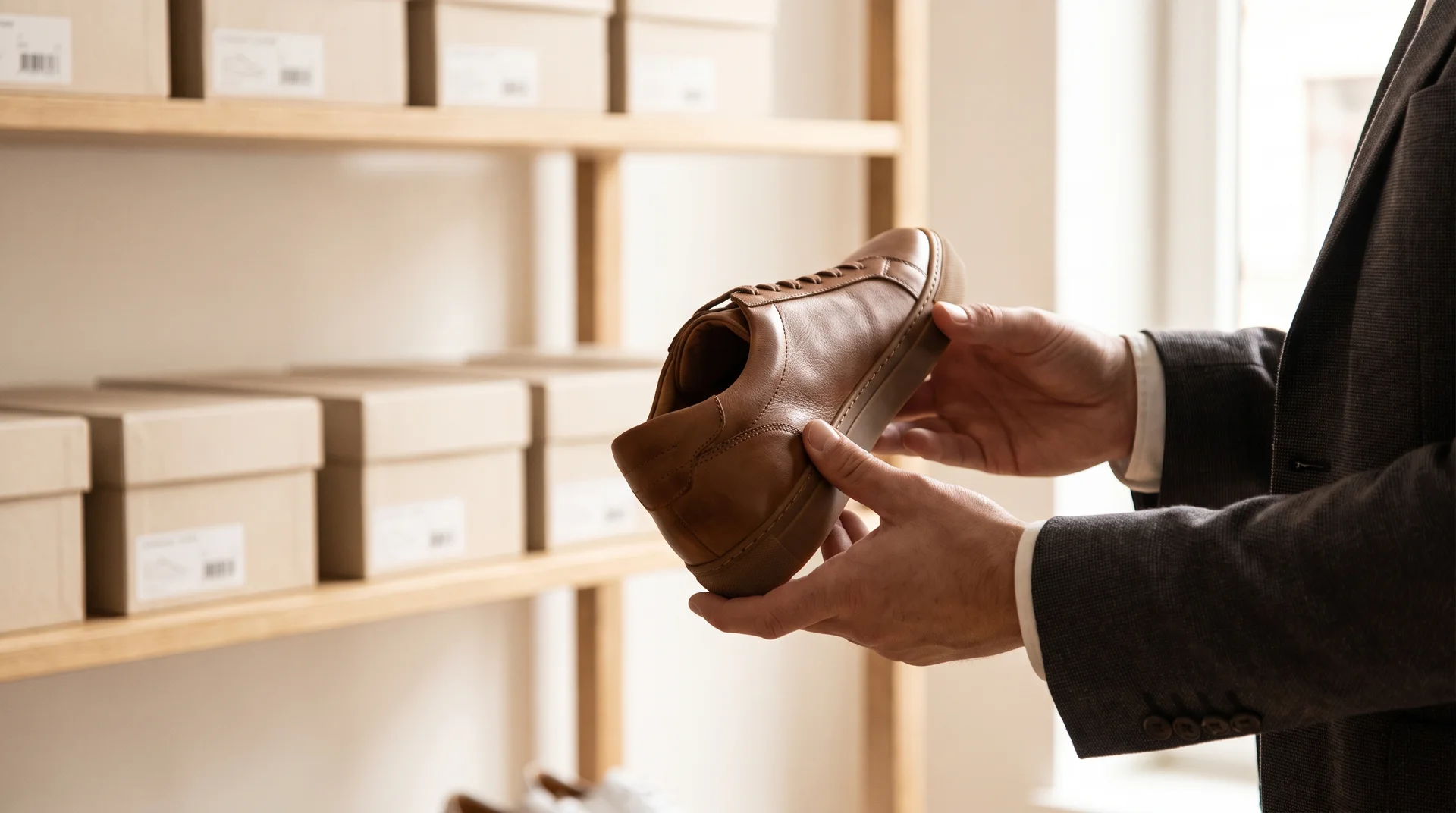
Traditional wholesale methods often involve attending fairs, meeting producers individually, and prolonged negotiation processes. However, digitalization provides new opportunities that make this process more efficient and transparent. Especially B2B wholesale platforms that focus on footwear offer great convenience by gathering hundreds of manufacturers and models under one roof.
Key Factors When Choosing a Supplier
There are several fundamental criteria to consider when evaluating a supplier. Product quality and consistency come first. Requesting references or sample products from the supplier’s previous work is a good practice. Additionally, you should clearly understand commercial terms such as minimum order quantity (MOQ), payment conditions, delivery times, and return policies. Ease of communication and solution-oriented approaches to problems are also indicators of how reliable a supplier is.
Advantages of Digital Wholesale Platforms
Footwear-focused B2B platforms like Bulkoon significantly simplify the supplier-finding process. These platforms establish a trust mechanism for buyers. For example, all suppliers on Bulkoon go through a verification process to ensure they meet certain standards, eliminating the risk of fraud and ensuring you work only with reliable manufacturers. Moreover, they offer the possibility to compare over 10,000 model options through a single interface, reducing the time and cost spent on market research and model selection. They provide market exploration without travel expenses like flights or hotels.
Building a reliable supplier network is vital for your business's operational efficiency and sustainability. The transparency and security offered by digital platforms make this process more accessible than ever.
Inventory and Size Run Planning: The Math of Sneaker Trading
The secret to profitability in the sneaker category is not only finding the right models but also stocking them in the right quantities and size distribution. Every unsold pair of shoes is a cost that erodes your profit. Therefore, inventory and size run planning should rely on data and strategy rather than guesses. This section focuses on two of the most technical yet crucial issues in shoe retailing.
Effective inventory management optimizes your cash flow, reduces storage costs, and minimizes negative experiences such as customers not finding the sizes they want. Especially for a new business, tying up capital in the right stock items is vital.
Size Distribution (Assortment) Management
In shoe wholesale, "assortment" refers to a series of different sizes available for a model. A standard assortment usually includes two pairs of the most selling sizes (e.g., 37-38 for women, 41-42 for men) and one pair of less commonly sold extreme sizes. However, size demand varies by model and target audience. For example, smaller sizes may sell faster for a model targeted at a young audience, while larger sizes might be more demanded for classic men's models. Initially, it makes sense to follow the supplier’s standard assortment recommendations. But by analyzing your sales data (POS system or e-commerce platform reports), you should gradually create your own "golden assortment." Track which sizes sell quickly and which remain on shelves, then tailor your next order accordingly. This is the most effective way to minimize dead stock risk.
Seasonal Stock Turnover and Profitability
Stock turnover rate measures how many times your inventory is completely sold and replenished within a specific period. A high stock turnover rate indicates efficient use of capital and that your products are in demand. In a fashion-sensitive category like sneakers, rapid stock movement is essential. Out-of-season products left at the end of a season can only be sold with heavy discounts, significantly lowering your profit margin. When placing wholesale orders, consider the estimated sales velocity of each model. Platforms like Bulkoon list only ready stock products, ensuring your orders are processed quickly and your risk of missing the season is reduced. This allows you to respond faster to demand and maintain a high stock turnover rate.
Successful inventory and size run planning is the cornerstone of sneaker trading. Closely following sales data and adjusting your purchasing decisions accordingly directly affect your business’s financial health.
Pricing and Logistics Processes
After finding the right products and agreeing with a reliable supplier, the process continues with pricing and operational steps. Accurately evaluating wholesale prices and managing the logistics from ordering to delivery efficiently are essential to maintain profit margins and ensure customer satisfaction. Issues at this stage can overshadow your entire purchasing strategy.

Pricing is not just adding profit on top of cost. Market conditions, competitor prices, perceived product value, and your target audience’s purchasing power must also be included in the calculation. Logistics is a critical operation that guarantees the product reaches you on time and undamaged.
Evaluating Wholesale Prices
When comparing wholesale prices, do not focus solely on unit cost. Payment terms offered by the supplier are important too. For example, extra discounts for upfront payment or installment options for credit cards can help you manage your cash flow better. Bulkoon offers buyers flexible payment options such as 3 and 6 installments at cash price, facilitating financial planning. Also, clarify what is included in the price. Shipping fees, taxes, and other additional costs can significantly impact your total cost. Obtaining offers from different suppliers for similar quality products provides a general idea of the market.
Order and Delivery Operations
The simpler and more transparent the ordering process is, the more efficient your operations become. Digital wholesale platforms enable you to create, track, and manage your orders online. The most critical stage after placing an order is delivery. You must receive clear information about when products will be shipped and their estimated arrival time. Suppliers or platforms offering fast and free shipping within Turkey provide cost advantages. For example, orders placed through Bulkoon are typically dispatched within 1-2 business days and shipped to all 81 provinces of Turkey with free shipping. This makes your stock planning more predictable and allows you to respond quickly to urgent product needs. For more information, you can visit our blog page.
Effective pricing and a smooth logistics process complete the last link of wholesale purchasing. Managing these steps carefully leads you to operational excellence and enhances your competitive power in the market.
Conclusion: The Path to Success in Sneaker Sales
Selling sneakers is a dynamic and exciting commercial venture. However, sustainable success in this field is possible not only by following trends but also by consciously managing every step of the wholesale purchasing process. From accurately analyzing your target audience to working with reliable suppliers, from efficient stock planning to smoothly operating processes, each stage is part of a whole.
With a strategic approach, you can choose the right products for your business, avoid unnecessary expenses, and offer your customers the value they seek. Remember, behind every successful retail operation are smart wholesale purchasing decisions. Digital platforms like Bulkoon are designed to make this process easier, safer, and more efficient for you. By discovering how it works, you can explore thousands of models and take the best step for your business today.
Sources
Information in this article draws on the following sources.