How to Build Customer Loyalty in Footwear Sales?
Achieving sustainable success in footwear retail requires going beyond one-time sales to create a loyal customer base. Discover key strategies and practical steps to build customer loyalty, from quality product sourcing to after-sales services, personalized experiences, and digital communication.
In footwear retail, a customer’s first purchase from your store is only the beginning of success. The real goal is to ensure that the customer chooses you again for the second, third, and many more purchases. In this fiercely competitive sector, sustainable profitability and brand strength are built on a loyal customer base rather than temporary campaigns. Customer loyalty is not earned by just a discount or promotion; it is the result of a holistic experience starting from product quality and extending to after-sales support. This process begins the moment you select the right products and continues at every touchpoint you have with the customer.
The Foundation of Customer Experience: Quality Products and Accurate Information
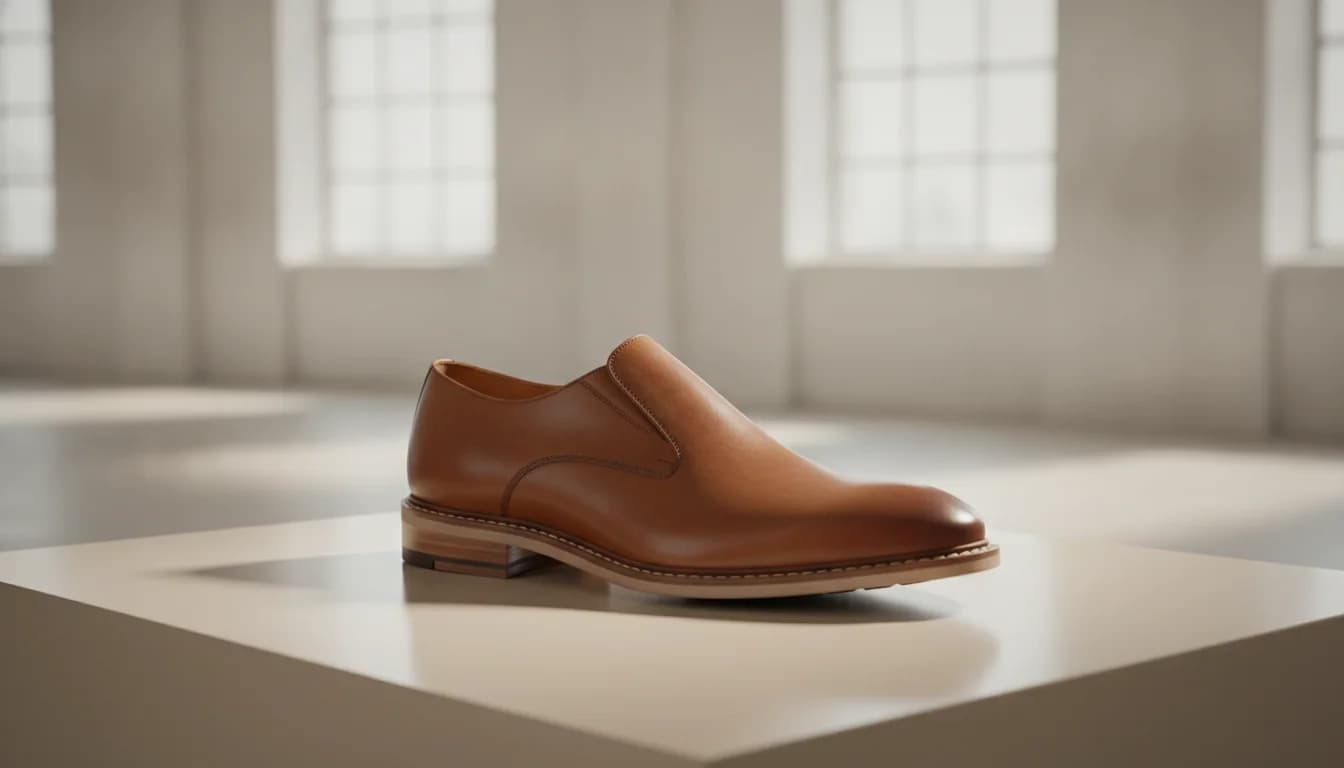
The path to customer loyalty does not start at your store’s door or your website’s homepage but from the moment you choose your supplier. The quality, comfort, and durability of the products you offer form the foundation of customers’ trust in your brand. A poor product experience can invalidate even the best marketing strategies. Therefore, the first step in building loyalty is to offer products that meet and exceed customer expectations.
The Supply Chain’s Impact on Loyalty
The materials used in the production of the shoes you offer your customers, workmanship quality, and design details directly affect their satisfaction. Working with suppliers who produce consistent, reliable quality reduces return rates and increases positive customer reviews. Collaborating with approved suppliers available on platforms like Bulkoon simplifies this process. Procuring from a verified network allows you to stand behind every pair of shoes you sell. Remember, customer loyalty is built on trust, and the first link in that trust is the product you receive from your supplier.
Transparent Product Information and Expectation Management
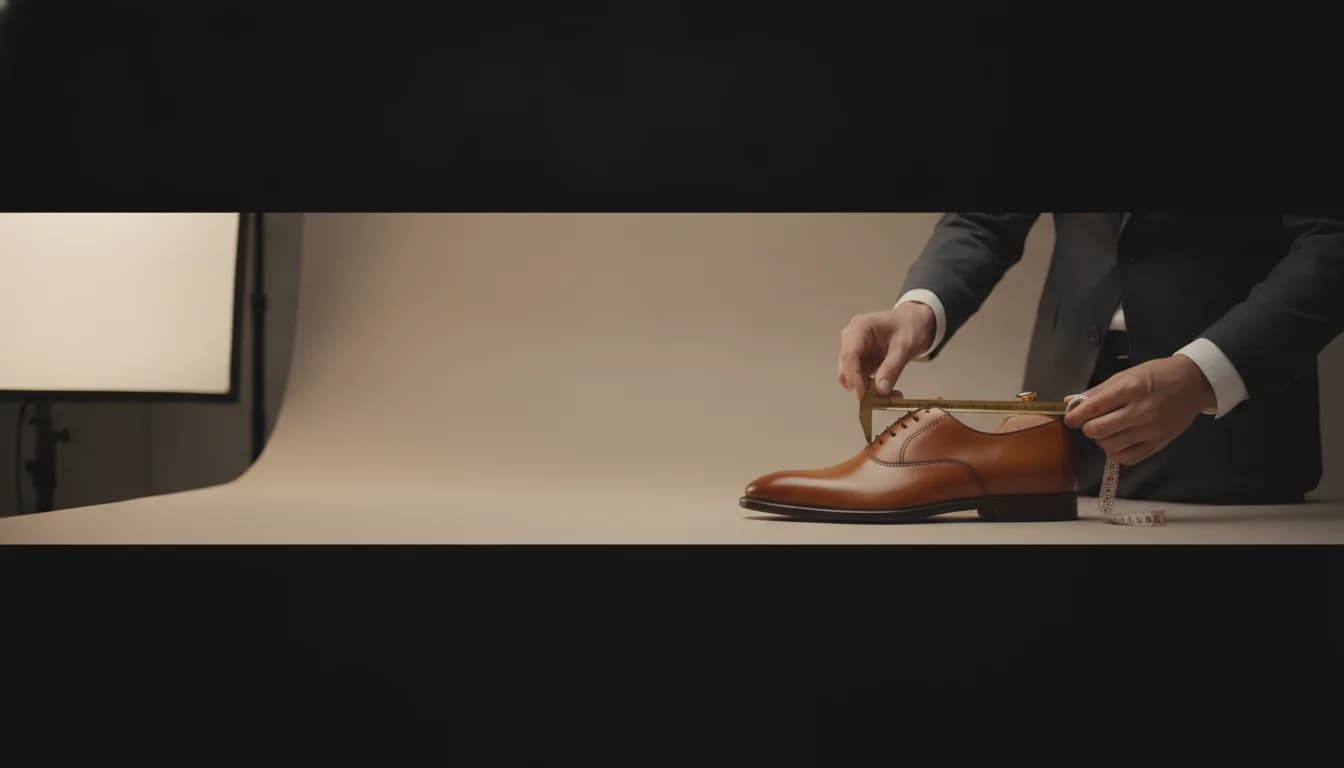
Providing customers with honest and complete information about the product is one of the most critical steps in building trust. Clearly sharing details like shoe material (genuine leather, synthetic leather, textile, etc.), fit (narrow, wide, standard), heel height, and care instructions ensures customers make informed decisions. This transparency prevents potential disappointments and manages customer expectations correctly. If you sell online, high-resolution photos and product videos help customers better understand the product. This not only facilitates the sale but also helps reduce return rates and increases operational efficiency.
The Role of After-Sales Services: Building Trust
Your relationship with a customer does not end after the sales transaction; rather, it enters a new phase. After-sales support and services are among the most important factors shaping a customer’s overall perception of your brand. A smooth after-sales experience can turn a one-time buyer into a loyal advocate for your brand. This stage is an opportunity to show customers that you are selling not just a product but also assurance and support.
Easy and Clear Return/Exchange Policies
No customer wants to deal with a complicated and difficult process when they have an issue with a purchased product. Your return and exchange policy must be simple, fair, and customer-oriented. Clearly state the process on your website or in-store. An approach that offers solutions instead of obstacles strengthens customers’ trust in your brand. Remember, the chance to turn a negative experience into a positive one often arises during a return or exchange request. Managing this moment correctly can help you win a long-term customer relationship.
Proactive Communication and Support Channels
Instead of waiting for customers to contact you, proactively communicating with them makes them feel valued. Sending a simple email or SMS a few days after purchase to ask about their satisfaction, provide care tips, or see if they need assistance helps build a strong connection. Additionally, offering multiple accessible communication channels (phone, email, WhatsApp, social media) and promptly responding to inquiries strengthens your professional image and enhances customer satisfaction.
Personalization and Value Creation Strategies
Today’s consumers prefer brands that make them feel special and understand their needs. Offering personalized experiences instead of generic marketing messages is one of the most effective ways to increase customer loyalty. Analyzing customer data correctly to provide special offers and content strengthens your bond and turns customers from ordinary buyers into parts of your brand.
Meaningful Use of Customer Data
Your customers’ past purchase data is a valuable treasure. You can analyze which styles they prefer (for example, women’s sports shoes or women’s heels?), their shoe sizes, and shopping frequency. Using this information, you can offer personalized product recommendations in your next newsletter or inform them first when a new collection from their favorite brand arrives. These personal touches make customers feel understood and valued by your brand.

Exclusive Discounts and Early Access Opportunities
Rewarding your loyal customers reinforces their behavior. Sending a small discount coupon on birthdays, providing early access before seasonal sales, or organizing special campaigns exclusively for loyal customers makes them feel valued. These strategies not only encourage repeat purchases but also generate positive word-of-mouth marketing among customers. Feeling privileged is one of the strongest triggers of loyalty.
Loyalty Programs and Community Building
Elevating customer relationships to the next level is possible with structured loyalty programs and building a brand community. Such programs offer customers tangible incentives to shop again, while community efforts create an emotional bond and a sense of belonging around the brand. When combined, these two elements make customer loyalty more durable and resilient.
Designing Point and Tiered Systems
An effective loyalty program should be understandable and achievable. Systems where customers earn points with every purchase and later redeem those points for discounts or special products are very popular. Alternatively, programs that move customers who reach a certain spending level into silver, gold, platinum tiers offering increasing benefits (free shipping, special discounts, etc.) can also be created. The key is that program rules are simple and customers feel their effort is rewarded.
Evaluating Customer Feedback
Don’t just sell products to your customers; show that you value their opinions. Regularly send feedback surveys after purchases and encourage them to comment on your products and services. View the criticism you receive as gifts and use them to improve your business processes. When you resolve a customer’s complaint or make a change based on their suggestion, your chance of gaining that customer for life increases. This approach transforms customers from passive buyers into active partners contributing to your brand’s development.
Building Connections Using Digital Channels Effectively
Digital presence plays a critical role in building customer loyalty alongside physical retail. Social media, email, and other digital platforms are powerful tools to maintain continuous and meaningful dialogue with your customers. Using these channels not only for sales announcements but also as platforms for relationship and community building is a fundamental requirement of modern retail.
The Power of Social Media and Email Marketing
Position your social media accounts as more than just product catalogs. Share styling tips on how shoes can be paired with different outfits, provide practical shoe care advice, or offer interesting insights into your production process. Organize contests encouraging customers to share their own photos. In email marketing, use the personalization strategies we discussed earlier to send content tailored to each customer’s interests. This approach positions your brand not just as a seller but also as a style advisor and trusted resource.
Integrating Online and Physical Store Experiences
Ensuring a seamless transition between online and offline channels for your customers-offering an omnichannel experience-increases loyalty. For example, allowing customers to see the real-time stock availability of a men’s sports shoe model they like on your website, enabling them to buy online and pick up in-store or order a size unavailable in-store online makes the shopping experience very convenient. This integrated approach guarantees a consistent and positive experience at every customer touchpoint with your brand.
Investing in Loyalty for Sustainable Success
Building customer loyalty in footwear sales is not a short-term project but a long-term strategy. This process starts with the quality of your supply chain, continues with transparency at the point of sale, and is reinforced with after-sales services. Personalization, rewarding, and continuous communication through digital channels create a strong customer relationship structure built on these foundations. Keeping this ultimate goal in mind when making wholesale purchases also shapes the quality and variety of products you select for your store. The wide product range and digital wholesale purchasing conveniences offered by Bulkoon help retailers confidently take the first and most important step of this strategy. Remember, every loyal customer is your business’s most valuable asset and strongest marketing tool.