How Gen Z's Footwear Preferences Are Changing Store Shelves

Gen Z buys not just a product but a story, values, and a digital identity. Social media trends, sustainability expectations, and a pursuit of comfort are rewriting the rules for wholesale footwear buyers and store owners. Understanding this new generation’s expectations is the first step to preparing store shelves for the future.
The new generation known as Gen Z is emerging not just as a new demographic in retail but as a cultural shaping force. Their purchasing decisions differ distinctly from previous generations, compelling store owners and wholesale buyers in the footwear sector to develop new strategies. For them, a shoe is not merely apparel; it is an extension of personal expression, values, and digital identity. Businesses that fail to analyze this generation’s expectations properly will inevitably fall behind in competition. To make your store shelves appeal to this dynamic and influential consumer group, it’s essential to take a closer look at their world.
The Aesthetic Sense Shaped by the Digital World
Gen Z is a generation born into the internet and social media. This shapes their aesthetic perceptions, how they follow trends, and ultimately what they buy. For brands and retailers, understanding this digital ecosystem is key to sourcing the right products. Rapidly evolving trends disrupt traditional seasonal planning, requiring buyers to be much more agile and proactive.
Social Media Trends and "Viral" Products
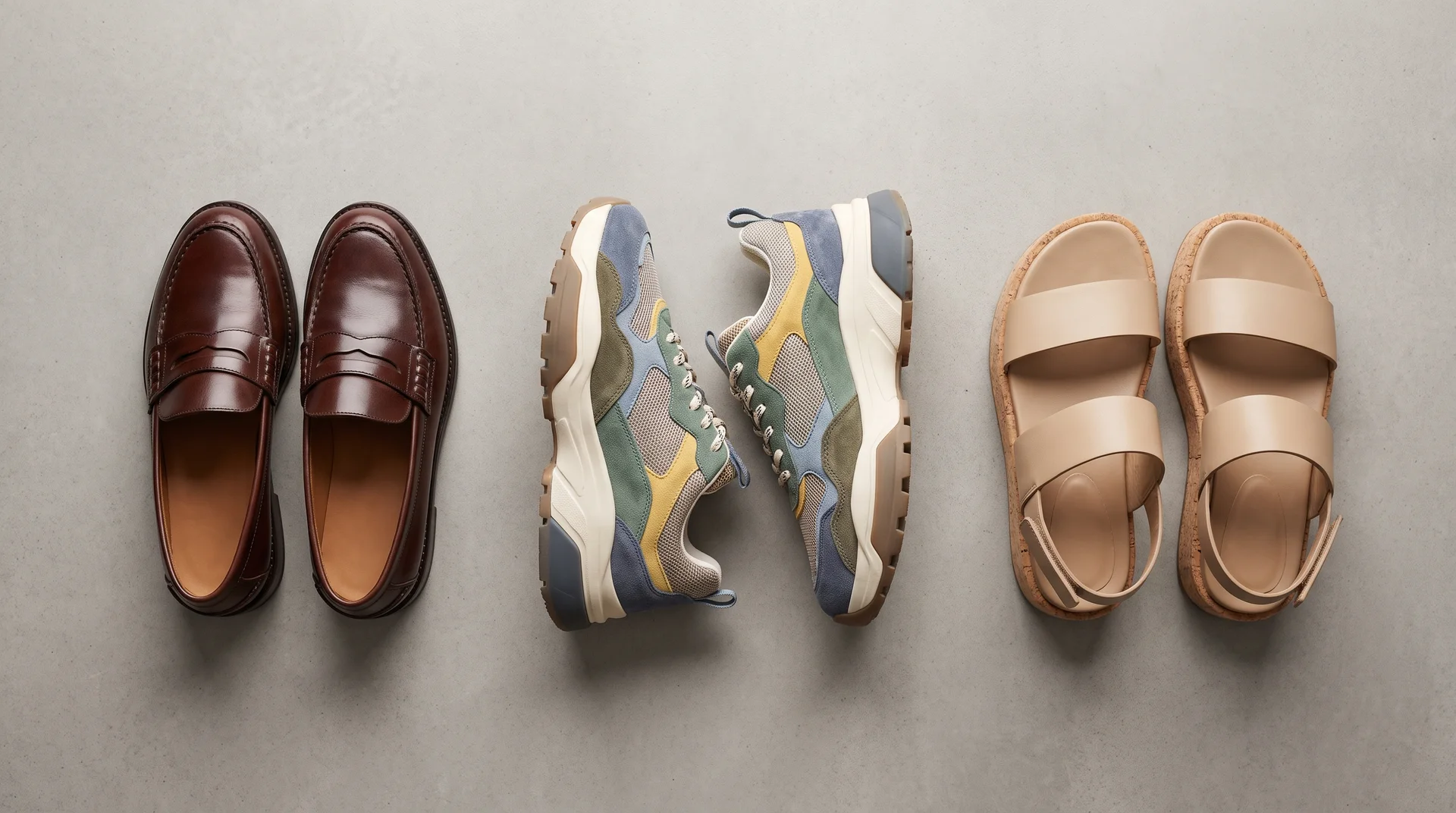
Platforms like TikTok and Instagram have become venues where a shoe model can turn into a global phenomenon within weeks. Short videos centered around specific aesthetics (such as "cottagecore" or "Y2K") can create massive demand for particular sneakers, loafers, or sandals almost overnight. These "viral" products are difficult to predict but offer high profit margins when caught in time. Wholesale buyers can transform their stores into trend hubs by closely tracking these waves and responding quickly. At this point, digital wholesale platforms like Bulkoon make it easier to quickly find the sought-after product among thousands of models.
Influencer Marketing and the Trust Factor
Gen Z places greater importance on recommendations from content creators they trust and follow-known as influencers-rather than flashy advertising campaigns. A shoe sincerely recommended or worn by an influencer instantly becomes a desire object for thousands of potential customers. Therefore, buyers gain a strategic advantage by not only stocking major brands but also including more niche and unique designs favored by these digital opinion leaders. When selecting suppliers, prioritizing brands that align with this new marketing dynamic is crucial.
The Rise of Comfort and Functionality
For Gen Z, style does not mean sacrificing comfort. On the contrary, designs that combine these two concepts rank high on their priority list. This expectation, further reinforced in the post-pandemic era, directly influences the core models of footwear collections. Versatile shoes that allow easy transitions between various activities throughout the day have become indispensable on store shelves.
The Endurance of the "Athleisure" Culture
The "athleisure" trend, where sportswear integrates into daily life, is not a passing fancy but a lifestyle for Gen Z. Sneakers are now accepted as a style element not only for gyms but also for offices and social events. This reality demands that stores invest more than ever in the Women's Sports and Men's Sports footwear categories. High-quality materials combined with designs that are both aesthetic and ergonomic represent the most effective way to earn this generation’s loyalty.
The Popularity of Unisex Designs
Rejecting traditional gender roles, Gen Z perpetuates this approach in fashion as well. Many young consumers choose their preferred models regardless of "women's" or "men's" sections. This tendency pushes brands and manufacturers to design more unisex models. Particularly in the sneaker, loafer, and boot categories, gender-neutral designs are gaining popularity. For wholesale buyers, this trend offers an opportunity to focus on products appealing to a broader audience while simplifying stock management.
Value-Oriented Purchasing: Sustainability and Ethical Production
Gen Z strongly values the story behind a product and the stance of the brand. Environmental and social responsibility mean much more than marketing slogans to them. They scrutinize every aspect-from the manufacturing process to the materials used-and prefer brands aligned with their values. This conscious approach requires wholesale buyers to reconsider their supplier selection criteria.
Material Choice and Environmental Impact
Shoes made from recycled plastics, vegan leather, or produced using technologies that reduce water consumption catch Gen Z's attention. Sustainable materials and environmentally friendly production processes have moved beyond a niche market to become mainstream expectations. When buying wholesale, inquiring suppliers about their certifications and policies on these matters enhances your store’s reputation among this aware clientele. Including this information in product descriptions has become a sales-impacting factor.
Brand Transparency and Storytelling
This generation wants to know not only what they buy but also from whom. Brands that are transparent about production conditions, treat their workers fairly, and contribute to society win the loyalty of Gen Z. A brand's founding story, mission, and values can be as important as the product itself. Store owners can forge deeper connections by sharing such stories of the brands included in their collections with customers, thus selling not just a product but a philosophy.
The Blend of Nostalgia and Individuality: Retro and Personalization
Although native to the digital age, Gen Z has a strong interest in the aesthetics of the past. Particularly, fashion trends from the 1990s and early 2000s (Y2K) strongly influence current trends. However, this is not simple replication but reinterpretation of iconic past styles through today’s individual expression. This brings the need to create collections that feel both familiar and fresh in footwear assortments.
The Return of '90s and 2000s Fashion
Chunky sneakers with thick soles, platform sandals, rugged boots, and retro running shoes rank among Gen Z’s favorites. These nostalgic pieces combined with modern apparel create unique and eye-catching styles. Wholesale buyers should make room in their collections for such models to catch this retro wave. For example, a thick-soled version of a classic Women’s Loafer can stand out as both nostalgic and modern.
Shoes as a Means of Self-Expression
For this generation, clothing is a way to showcase identity and creativity. Instead of standard and boring designs, shoes featuring bold colors, unusual shapes, and striking details are preferred. Footwear can shift from being a mere outfit complement to the main focal point. Therefore, store collections must offer variety addressing different tastes and modes of self-expression. The more than 10,000 model options offered by Bulkoon provide buyers a wide range to ensure that diversity.
Impact on Wholesale Purchasing Strategies
Gen Z’s dynamic and unpredictable preferences challenge traditional wholesale buying and stock management approaches. Keeping pace with rapidly changing trends, planning the right assortments, and optimizing stock turnover rates are vital for retailers’ profitability. Success in this new market requires adopting more flexible and data-driven strategies.
Assortment Planning and Size Distribution
A product that goes viral on social media may appeal to a niche audience. Therefore, instead of ordering hundreds of items from a single model, it may be wiser to purchase fewer batches covering a broader style range. This strategy allows testing various micro-trends and quickly reordering based on customer demand. Moreover, the popularity of unisex models may call for rethinking traditional size distribution series (such as EU 36-40 or 40-44). Collaborating with suppliers offering wider size ranges can be advantageous.
Season and Stock Turnover Speed
The lifespan of trends shaped by Gen Z is much shorter than traditional fashion calendars. A shoe model can peak within weeks and just as quickly fall out of favor. This makes a high stock turnover rate mandatory. Instead of items lingering on shelves for months, the focus should be on models that sell fast and can be replaced swiftly. Bulkoon’s offering of only ready stock products and fast shipping enables retailers to seize momentary opportunities in this fast-paced market.
Building Tomorrow’s Shelves Today
Gen Z’s footwear preferences herald a lasting transformation in the retail sector. Understanding this generation, speaking their language, and providing products that meet their expectations lay the foundation for successful future stores. This process requires continuous learning, adaptation, and collaboration with the right partners. By effectively utilizing digital tools and platforms, capturing the opportunities of this dynamic market is possible.
Data Analysis and Trend Monitoring
Buying decisions based on gut feelings are no longer sufficient. Analyzing interactions on social media platforms, search trends, and sales data provides critical insights into the next popular model. Store owners and buyers can make more accurate stock decisions by regularly following this data. Bulkoon’s AI-powered smart selection and advanced filtering features support this data-driven approach, making it easier to find the right products.
The Importance of a Flexible Supply Chain
To respond quickly to changing demands, having a flexible and reliable supply network is critical. Instead of relying on a single supplier, working with multiple manufacturers specializing in different styles diversifies risk and increases variety. Platforms that gather hundreds of approved suppliers under one roof offer buyers the chance to achieve maximum diversity with minimal effort, helping them build dynamic collections that satisfy Gen Z’s expectations.