
The Era of Fast Delivery Has Begun in Wholesale Footwear Trade

Retailers no longer want to commit to large stocks months before the season starts. More frequent, smaller, and faster ordering models are radically transforming wholesale footwear trade. Discover the role of fast delivery and digital platforms in this new era.
In wholesale footwear trade, the traditional system dominated by large seasonal orders and long wait times is giving way to speed and flexibility. Retailers now prefer an agile supply model that allows them to respond immediately to customer demands instead of tying up their capital in stock for months. This shift is not just a logistical update, but a strategic move that fundamentally transforms how buyers and suppliers conduct business. Fast delivery has become more than a luxury-it is now a key to staying competitive.
Transition from the Traditional Wholesale Model to Fast Trade
The long-standing model in the footwear sector was based on retailers placing large volume orders with manufacturers several months before the season started. While this approach provided predictability for suppliers’ production planning, it posed significant risks for retailers facing rapidly changing consumer trends. Today, the market’s rules are being rewritten.
Risks of Large Seasonal Orders
The biggest disadvantage of the traditional model is the retailer tying up capital in a single large order. If the seasonal trend forecast proves inaccurate, stores end up stocked with unsold products. This situation not only erodes profit margins but also increases storage costs and removes investment flexibility for the next season. Heavy discounting to clear remaining inventory can damage brand image and further reduce profitability.
The Rise of the "Just-in-Time" Approach
In contrast, the newer model, also called "just-in-time" supply, allows retailers to order the exact quantity they need precisely when they need it. Smaller, more frequent orders reduce inventory costs and improve cash flow. Thanks to this approach, a boutique owner can quickly replenish only the sold-out sizes of a popular women's sports shoe model instead of reordering the entire size run. This flexibility helps retailers stay in tune with the market and use resources more efficiently.
Concerns tied to capital lockup and inventory risks in traditional wholesale trade are being replaced by the more flexible and efficient "just-in-time" model. This new approach provides retailers with quick adaptation to market dynamics and improved operational efficiency.
Strategic Advantages of Fast Delivery for Retailers
Fast delivery is much more than operational convenience; it is a strategic tool creating tangible competitive advantages for retailers. When implemented effectively, it directly impacts both the financial health and market position of a business. This model truly makes a difference, especially in the dynamic and trend-focused footwear sector.
Optimizing Cash Flow and Profitability
One of the most valuable resources for retailers is cash flow. Instead of placing large prepaid orders, purchasing in smaller and more frequent batches allows capital to be used more efficiently. For example, a store owner might refresh stock with orders of 15,000 TL every two weeks rather than one large 100,000 TL seasonal order. This ensures cash remains available for urgent needs, marketing efforts, or sudden opportunities. Additionally, minimizing unsold inventory risk increases net profitability.
The Power to Respond Immediately to Customer Demands
Today’s consumers are impatient and want to find the products they seek instantly. If a model or size is out of stock, customers can quickly turn to competitors. Fast delivery removes this issue. When bestsellers’ stock runs low, rapid reorder prevents lost sales. Platforms like Bulkoon, offering extensive catalogs of various brands and over 10,000 models, enable retailers to meet sudden trends or niche demands immediately. This agility directly boosts customer loyalty and satisfaction.
Fast delivery grants retailers financial flexibility and the ability to respond instantly to changing market demands, resulting in more resilient, profitable, and customer-oriented businesses.
New Rules in Supply Chain and Inventory Management
Moving to a fast delivery model requires retailers to rethink inventory management and product selection strategies. The focus shifts from storing large quantities to placing the right product on the shelf at the right time. This is especially crucial in footwear, where size and color variety are key.
Flexibility in Size Runs and Assortment Distribution
Traditionally, wholesalers sold models as full assortments-complete size runs and color variants sold together. However, each size sells at a different pace. The fast trade model offers buyers much more flexibility on assortments. For instance, sizes 42 and 43 of a men’s sports shoe model may quickly sell out while sizes 40 or 45 remain on the shelf. Digital platforms allow buyers to restock only best-selling sizes, reducing dead stock risk and directing capital toward the most popular products.
Increasing Season and Stock Turnover Rates
Stock turnover rate is a critical performance metric showing how many times a business sells and refreshes its inventory within a specific period. High turnover indicates efficient capital use and that products are not lingering on shelves. Fast delivery naturally increases turnover through smaller, more frequent orders. Bulkoon’s offering of only ready stock products ensures fast order processing and keeps retailer stock fresh continuously. This leads to fewer products in seasonal discount sales and higher average profit margins.
Success in next-generation wholesale depends on flexibility in assortment planning and maximizing turnover. These strategies protect capital, improve profitability, and enhance business resilience against market dynamics.
How Digital Platforms Make This Transformation Possible
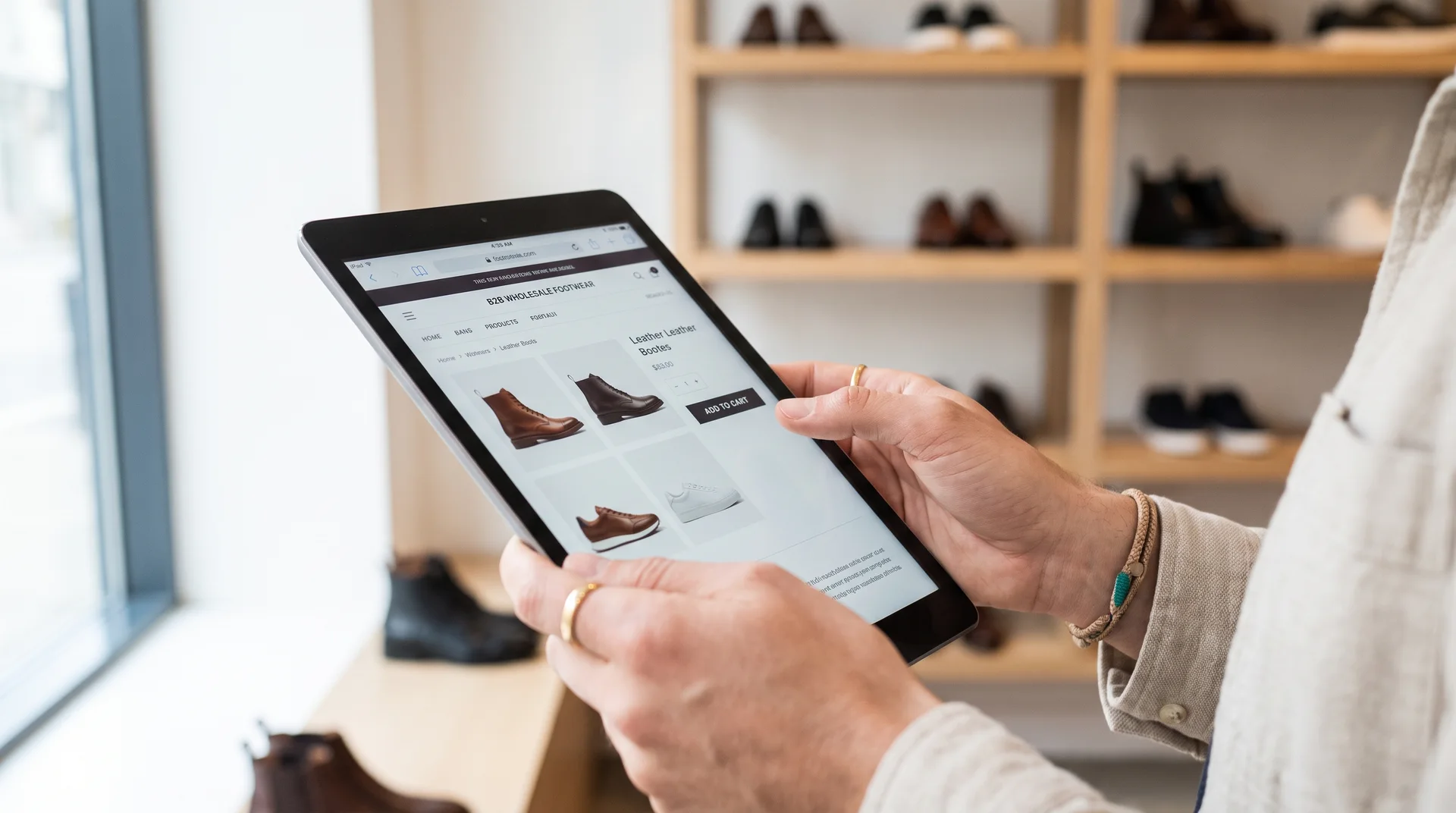
Retailers’ expectations for fast delivery can only be met through technology and digitalization. Wholesale B2B platforms are central to this transformation by accelerating information flow between buyers and suppliers, simplifying order processes, and providing transparency. These platforms eliminate inefficiencies caused by traditional phone and email communication.
Transparent Inventory and Real-Time Order Tracking
One of the biggest advantages of digital marketplaces is real-time visibility of stock information. Buyers can instantly see available sizes and colors for their preferred models and tailor their orders accordingly. Platforms like Bulkoon provide fast and free shipping throughout all 81 provinces of Turkey and offer real-time tracking from shipment dispatch to delivery. This transparency destroys uncertainty and enables retailers to accurately inform their own customers.
Data-Driven Decisions and Supplier Selection
Digital platforms offer buyers not only products but also data and analytics tools. Information about best-selling items, newly added models, or popular categories helps buyers make informed decisions. Additionally, all suppliers on such platforms meet certain quality standards. Bulkoon’s exclusive collaboration with approved suppliers allows buyers to select products confidently from a broad supplier network. This saves time and reduces commercial risks. You can learn more about how this process works on the How It Works page.
Digital wholesale platforms create the foundation of the fast delivery economy through transparency, speed, and reliability. These tools help retailers procure smarter, faster, and more efficiently, enhancing their competitiveness.
Supplier and Buyer Responsibilities in the Fast Delivery Process
Success in the fast delivery model depends not only on technology but also on all supply chain stakeholders fulfilling their roles. Both suppliers and buyers must adapt to this new business model and adopt a proactive approach. This requires mutual trust and efficient cooperation.
Expectations from Suppliers: Reliability and Communication
Suppliers are the backbone of this system. Key expectations include:
Accurate Stock Information: Digital platform stock levels must precisely match physical reality to prevent order cancellations and delays.
Fast Shipping: Products must be dispatched within the promised timeframe, typically 1-2 business days after order confirmation.
Quality Packaging: Careful packaging prevents damage during transport, reduces return rates, and increases buyer satisfaction.
Clear Communication: Proactively informing buyers of any delays or issues maintains trust.
Buyer’s Role: Planning and Proactive Approach
Buyers must take an active role rather than just placing orders and waiting. They should align their operations with rapid supply cycles. Responsibilities include closely monitoring sales data, regularly checking stock levels of popular items, and reordering before items run out. Additionally, to track seasonal products like new women’s flat sandals or trends, regularly visiting blogs and category pages helps avoid missed opportunities.
A successful fast delivery ecosystem is created by combining reliable supplier operations and careful buyer planning. When both parties fulfill their roles, the system becomes more efficient and profitable for everyone.
The Future of Footwear Wholesale: Speed and Efficiency
The ongoing transformation in wholesale footwear trade makes clear that the future of the sector relies on speed, data, and efficiency. Success no longer depends on predicting what will sell six months from now but on understanding what sells today and reacting instantly. In this new era, retailers reduce inventory risks while suppliers enjoy more stable and predictable demand.

Opportunities Presented by Digitalization
Digital B2B platforms act as the engine for this new ecosystem. They provide buyers with access to thousands of models from a single point, transparent pricing, and secure trade options, while enabling suppliers to reach a broader audience. These platforms break down geographic barriers and democratize trade.
The Path to Gaining Competitive Advantage
In conclusion, businesses adopting fast delivery and digital tools will gain a competitive edge. Retailers managing inventory more efficiently, enhancing cash flow, and responding instantly to customer demands will increase profitability and market share. The future of footwear wholesale lies not in products idling in warehouses but in fast-moving, value-generating supply chains.
The era of fast delivery has established a new standard that enhances efficiency and profitability in wholesale footwear trade. Businesses adopting this change will gain stronger and more competitive positions in today’s dynamic market conditions.
Sources
Information in this article draws on the following sources.