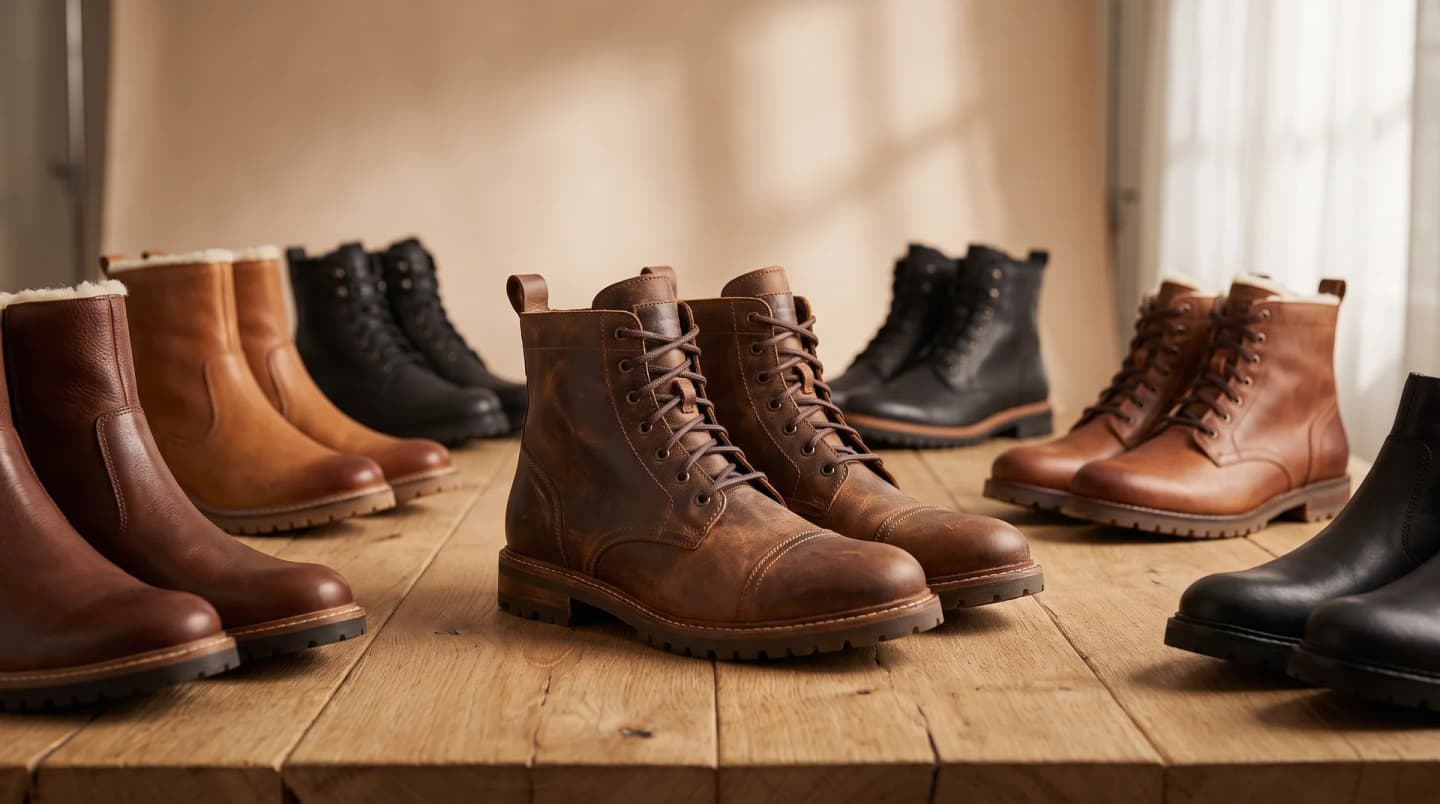
Why Do Wholesale Shoe Prices Change?

Explore the dynamics behind wholesale shoe prices. Learn how factors such as raw material costs, exchange rates, labor expenses, and seasonal demand shape the price tag, and how you can interpret these variables for informed purchasing decisions.
When purchasing wholesale shoes, you may have wondered why the price of the same model changes in a short period. Encountering a product that you purchased at a lower unit cost in the previous season with a different price in the new season is a result of the natural dynamics of the industry. These price fluctuations are not arbitrary; rather, they stem from a combination of many economic, operational, and strategic factors in global and local markets. Understanding these variables allows you to plan more prudently as a buyer, manage your budget correctly, and increase your profitability. Analyzing this complex structure behind the price tag is the first step in a conscious and strategic procurement process.
Foundation of Production Costs: Raw Materials and Labor
The most fundamental factor determining the wholesale price of a shoe is the cost of the materials used in production and the labor that brings these materials together. These two main expense items constitute a significant portion of the final price and depend on various variables within themselves. Suppliers must directly pass these costs on to buyers, making it essential to track changes in this area.
Price Fluctuations in Shoe Raw Materials
The range of raw materials used in shoe production is quite broad: genuine leather, synthetic leather (PU, PVC), textile products, rubber, thermoplastic, and EVA sole materials are just a part of this range. The prices of these materials continuously change based on global supply and demand, commodity prices like oil, and agricultural production conditions (for leather). For example, a rise in oil prices directly increases the cost of synthetic materials and chemicals. Similarly, a sudden increase in global demand for a particular type of textile may affect the production costs of Women's Sports shoe models using that material. International trade data illustrates how the footwear industry relies on a global supply chain.
The Role of Labor and Energy Costs
Another critical cost item as significant as raw materials is labor. Shoe production, especially in stages like sewing, molding, and assembly, is still a labor-intensive process. Changes in minimum wage, social security premiums, and fringe benefits directly affect total production costs. Especially in models like detailed Women's High Heels that require handwork, the share of labor costs increases further. Additionally, increases in energy costs such as electricity and natural gas, which are part of the factory operating expenses, are also added to production costs and thus reflected in the wholesale prices.
You might also like


Reflection of Macroeconomic Indicators on Price Tags
Beyond production costs, the overall trend in the national and world economy plays a decisive role in wholesale shoe prices. Macroeconomic indicators, particularly exchange rates and inflation, are critical for the footwear sector, which depends on imported inputs and operates in a competitive market. These factors directly shape a supplier's pricing strategy.
Exchange Rate and Imported Input Costs
The Turkish footwear sector, despite having high production capacity, is dependent on imports for certain raw materials like special chemicals, high-tech fabrics, metal accessories, and specific polymers. Since the cost of these inputs is determined in foreign currencies, changes in the value of the Turkish Lira against foreign currencies instantly affect production costs. An increase in the exchange rate raises the cost of each imported material in TL terms. Producers are forced to reflect this cost increase in wholesale prices to maintain their profit margins. Therefore, exchange rate fluctuations lead to uncertainty in wholesale prices and the need for frequent updates.
Inflation and General Price Levels
A high inflation environment affects all expense items of a business. Costs excluding raw materials and labor-such as rent, logistics, marketing, packaging, and administrative expenses-tend to rise continuously. Producers and wholesalers must reflect these general price increases in their product prices to ensure the sustainability of their businesses. Data such as the Industrial Production Index published by the Turkish Statistical Institute (TÜİK) can provide insights into overall economic activity and cost pressures. Inflationary pressures make it inevitable to readjust prices at certain intervals, requiring buyers to be more meticulous in budgeting.

Seasonal Demand and Stock Management's Effect on Prices
Shoes are products heavily tied to fashion and seasons. Therefore, seasonal demand cycles and suppliers' strategies to meet this demand significantly impact pricing. Stock management and timely actions are the keys to profitability for both buyers and sellers. These dynamics explain the difference between prices at the beginning and end of the season.
Transition Between Seasons and Pricing of Trends
While demand for sandals and flip-flops increases during the summer months, boot and shoe models become prominent in winter. Manufacturers typically present their new season collections at higher unit prices a few months before the season starts. This initial pricing reflects the trend value, novelty of the product, and expected demand for that season. As the end of the season approaches, discounts and campaigns begin to liquefy leftover stock and make room for new season products. Areas such as Flash Discount showcases on Bulkoon are vital tools for buyers to seize these end-of-season opportunities. Understanding this cycle helps buyers make strategic decisions about when to invest and when to complete stock at more affordable prices.
The Importance of Assortment and Stock Turnover Rate
In wholesale shoemaking, 'assortment' or 'series' refers to a standard package that includes different sizes of a model. Manufacturers plan production and sales based on these series. However, while certain sizes (e.g., 37-38 for women and 41-42 for men) sell faster in retail sales, others may remain unsold on shelves. When a supplier has 'broken series'-assortments missing specific sizes-special discounts may be applied to liquidate such products. In products with a high stock turnover rate, such as popular Men's Sports models that sell quickly, prices tend to remain more stable. This is because demand for these products is continuous, and the pressure to consume stock is lower. For buyers, the integrity of the assortment and stock turnover rate are crucial factors that determine not just the price of a product, but also its potential profitability.
Share of Supply Chain and Logistics Costs
The journey of a shoe from the factory to the buyer's warehouse involves a series of costs reflected in the price tag. Supply chain efficiency and logistics expenses are critical components that directly affect wholesale prices, especially considering rising fuel prices and increasingly complex distribution networks. Although these costs are often overlooked, they can constitute an important part of total costs.
Logistics Processes from Production to Warehouse
The transportation of raw materials to the factory, dispatch of produced products to central warehouses, and finally distribution to wholesale buyers all entail logistics costs. Increases in fuel prices directly raise shipping costs. Additionally, expenses such as storage, handling, and insurance are included in this process. Large-scale suppliers with an efficient logistics network can manage these costs better, providing a competitive advantage in unit price. Buyers should also evaluate the logistics capacity and delivery processes when selecting a supplier. Platforms like Bulkoon can lighten this cost burden for buyers by offering advantages like free shipping to all 81 provinces of Turkey.
Packaging and Packing Costs
The box for each pair of shoes, the protective materials inside the boxes, and the costs of the master carton that holds these boxes together add other elements to the unit price. The quality of the packaging used also affects the price depending on the brand's positioning. For instance, a box made of thicker cardboard, specially printed and branded, is more expensive than a standard box. Sustainable or recycled materials used for packaging can also increase costs. While these expenses may seem small, they can have a significant impact on total costs in bulk orders of thousands of pairs.
Supplier Strategies and Market Competition
Alongside cost items, a supplier's business strategy, brand value, and competitive environment in the market shape pricing as well. Two shoes produced with similar quality and cost may have entirely different wholesale prices due to these strategic differences. Understanding the market position and business model of a supplier allows buyers to interpret the value behind the price better.

Brand Positioning and Perception of Quality
Products from a brand that has been in the market for many years and is recognized for its quality and designs are generally priced higher than new or unbranded products. This price difference stems not only from the physical characteristics of the product but also from the trust, customer loyalty, and perception of quality that the brand creates. Suppliers invest in marketing, R&D, and design activities to maintain and enhance brand value, reflecting the cost of these investments in their prices. When buyers pay for a brand, they are also purchasing the consistency that brand offers and the potential of market demand.
Minimum Order Quantity (MOQ) and Economies of Scale
Suppliers generally set a 'Minimum Order Quantity' (MOQ) to ensure production efficiency. Orders above a certain quantity allow the manufacturer to benefit from mass production advantages and reduce fixed costs per unit (mold, machine setup, etc.). Consequently, buyers placing large orders can often receive more favorable unit prices. Digital platforms like Bulkoon facilitate access to manufacturers that offer more flexible order conditions or set MOQs suitable for smaller businesses by connecting buyers of different scales with Approved Suppliers. This allows buyers to experiment with various products without incurring high stock costs.
Understanding Price Changes for Informed Purchases
Changes in wholesale shoe prices have a multi-layered structure that cannot be tied to a single cause. A wide network of factors-ranging from global movements in raw material markets to local labor costs, seasonal demand to the supplier's branding strategy-determines the final price tag. Understanding these dynamics transforms a buyer from a passive price taker to a strategic partner who can read the market. Knowing the reasons behind price fluctuations helps you budget more accurately, invest in the right product at the right time, and ultimately enhance your store's profitability. Platforms like Bulkoon enable you to navigate this complex market with confidence through their diverse model offerings and transparent supplier network. By exploring how the platform works in more detail, you can enhance your procurement process. Follow our blog page for more tips and industry analysis.
Sources
Information in this article draws on the following sources.