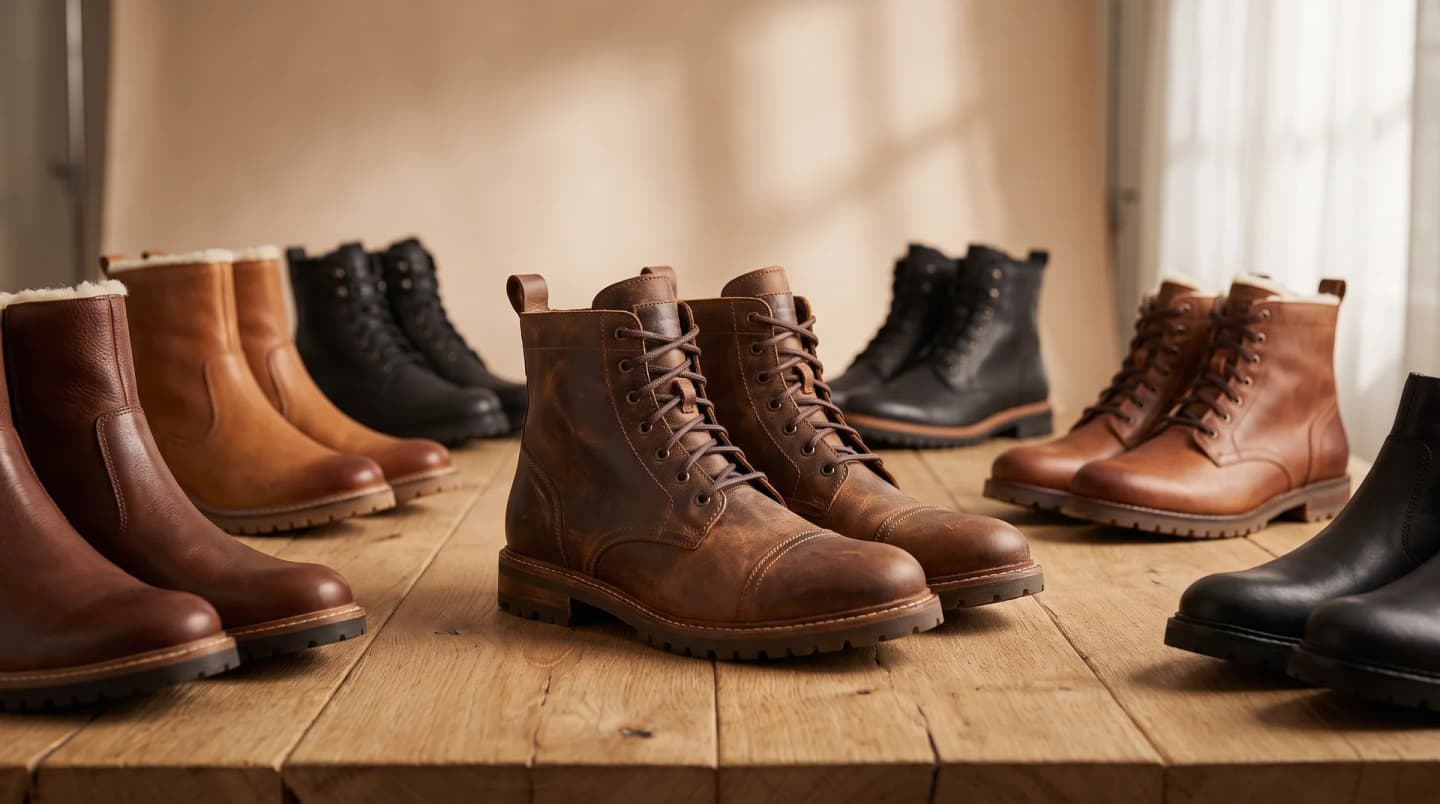
Most Profitable Product Groups for Shoe Stores

Choosing the right product groups is critical for increasing the profitability of your shoe store. Discover the most profitable shoe categories and strategies, from high-margin classics to volume-focused trends, niche markets to stock management.
Understanding Product Groups for Shoe Store Profitability
The success of a shoe store is not limited to having a beautiful display or a good location. At the heart of profitability lies the ability to source and manage the right product groups at the right time. Determining which models will generate higher turnover, which ones will be margin champions, and which will linger in stock and erode your capital are fundamental questions every store owner and wholesale buyer must address. This process requires more than just following trends; it also requires understanding market dynamics, cost structures, and operational efficiency.
You might also like


High-Profit Margin Classic Categories
Some shoe categories are less affected by the rapid changes in fashion and consistently offer high-profit margins. These products are often sold at a higher price point due to craftsmanship, material quality, and brand perception. Because customers view these shoes as an investment, their price elasticity is lower. This leaves retailers with a healthier profit margin.
Success in these classic segments is dependent on quality and presentation. A supplier's material knowledge, mold standards, and consistency in production directly affect the product's value on the shelf. Therefore, working with reliable manufacturers proven in craftsmanship is key to long-term profitability.
Women's Heels and Stilettos
Women's heels, indispensable for special occasions, business life, and invitations, are among the highest perceived value product groups. Especially stilettos made from quality leather or suede with good design are locomotive products that boost profits for boutiques and stores. While demand in this category remains at a certain level throughout the year, it peaks during wedding and graduation seasons. With the right designs and color options, this category is always in demand.
Men's Classic and Leather Shoes
Classic leather shoes in men's attire are a timeless status symbol. Models such as Oxfords, Derbies, or Loafers are essential needs for office workers and those attending special events. Although these shoes made from durable materials like genuine leather have higher production costs, their retail prices more than compensate for this cost. Customer loyalty in this segment is high, and stores offering quality models can gain regular customers.
Volume and Turnover-Focused Trend Products
Another metric as important as high-profit margin is turnover and stock turnover rate. Trend-focused products are often more affordable but contribute significantly to the overall turnover of the store due to high sales volumes. Success in these categories requires closely following current fashion, swift supply processes, and precise timing. Seasonal popular colors, materials, and silhouettes directly determine these products' sales potential.
To remain competitive in this dynamic market, rapid access to a wide range of models is critical. Digital wholesale platforms like Bulkoon offer buyers the ability to manage this diversity from a single point with over 10,000 model options. This allows stores to respond instantly to market demands and keep their stock fresh.
This Season's Favorite: Sneakers and Sports Shoes
Sneakers have become an integral part of everyday wear, with both men's and women's sports shoe categories among the highest sales volume groups. The availability of thousands of models catering to different styles and budgets makes this category attractive to all types of stores. Especially popular among teenagers and young adults, a continuous demand cycle is created. Although profit margins may be lower compared to classic products, high sales volumes compensate for this.
Summer Essentials: Sandals and Slippers
Sandals and slippers are seasonal heroes that explode especially in spring and summer. Low production costs and generally affordable retail prices make these products ideal for high-volume sales. Subcategories like flat sandals, heeled models, and beach slippers meet various customer expectations. Effective stock planning is vital in this category to manage the risk of unsold inventory at the end of the season.
Stock and Assortment Management Directly Affecting Profitability
Selecting the right products is only part of the equation. The decision on which sizes and how many units to stock is an operational decision that directly determines your profitability. Incorrect assortment planning can cause even the most popular model to remain on the shelf, while slow-moving stocks can lock up your cash flow. Therefore, every wholesale buyer must master these two concepts.

In shoe retail, profit is not just the difference between the buying and selling prices. It is also related to how efficiently capital is used. Every pair of shoes lying in stock is basically an investment with decreasing profit potential. Hence, efficient stock management is one of the fundamental ways to maximize profitability.
How to Determine the Right Size Distribution (Assortment)?
In wholesale footwear, 'assortment' refers to a series of a model consisting of different sizes. A standard women's assortment usually includes sizes 36-40, while men's assortment ranges from sizes 40-44. However, each region and customer demographic has a different shoe size profile. For example, demand for sizes 39-40 may be higher in one region, while 36-37 may sell better elsewhere. Analyzing your sales data to determine your own 'golden assortment' ratio minimizes the risk of dead stock. Some suppliers may offer the flexibility to create custom assortments tailored to needs instead of standard series purchases. This can be a significant advantage for small boutiques.
Stock Turnover Rate and Seasonal Planning
Stock turnover rate is a performance metric showing how many times your stocks have sold out and been replenished within a certain period. A high stock turnover rate indicates that your capital is being used efficiently and that your products are in demand. To increase this rate, buying from platforms like Bulkoon that offer only ready stock ensures your orders arrive quickly at your store, eliminating wait times. For seasonal products (like boots and sandals), making the right amount of purchases before the season starts and avoiding leftover stock at the end of the season prevents the necessity for discount sales and profit loss.
Niche Markets and Opportunity Products for Special Days
Beyond general trends and classics, niche categories focusing on specific customer groups or needs can also offer significant profit opportunities. These markets usually suffer from less competition, and customer loyalty is higher when the right products are offered. Investing in these areas strengthens your store's identity and differentiates it from general shoe retailers.
Niche products often require more targeted marketing efforts. By analyzing the demographic profile of your store's location, surrounding schools, workplaces, or event venues, you can decide which niche category is most suitable for you. This data-driven approach is a smart way to increase profit potential.
Children's and Baby Footwear
As children's feet grow rapidly, the baby and kids' footwear category creates continuous and recurring demand. Parents are sensitive about choosing quality and the right footwear for their children's foot health, creating a buyer demographic focused on quality rather than price. Subsegments such as light-up sneakers, school shoes, and first-step patik can be a stable source of turnover throughout the year.
Formal and Custom-designed Models
Formal shoes designed for weddings, engagements, graduations, and special events carry a high-profit margin potential. Although these products are not purchased frequently, they leave significant profit on each sale. Models made from jeweled, shiny, satin, or special materials can provide high returns, especially in locations with bridal and formal wear shops or boutiques focused on this area. Since aesthetics are paramount in this category, product photos and videos play a critical role in the sales process.
Supplier Selection and the Impact of Pricing on Profitability
After deciding which product groups to sell, determining where and under what conditions to source these products is the final step that shapes your profitability. A reliable supplier not only offers a good price but also makes your business easier with quality standards, delivery speed, and communication strength. Access to the right supplier network gives you a competitive edge.
Pricing strategy is also just as important as supplier selection. The product's cost, the store's overall expenses, targeted profit margin, and market price perception should all be evaluated together. The unit cost advantage gained through wholesale buying allows flexibility in retail pricing, optimizing profitability.

Advantages of Working with Reliable Suppliers
There are countless manufacturers and wholesalers in the market, but not all provide the same quality of service. A supplier that offers consistency in product quality, timely delivery, and hassle-free return/exchange processes increases your operational efficiency. The Bulkoon platform assures buyers of working only with approved suppliers, as all suppliers go through a verification process. This reduces the risk of surprises and enables buyers to trade with confidence.
Establishing the Price-Quality Balance in Wholesale Purchasing
The lowest price may not always be the most profitable option. A low-quality product can lead to increased return rates, customer complaints, and damage to brand reputation. This can create a greater cost in the long term. When making wholesale purchases, it is essential to carefully examine the material quality, craftsmanship, mold, and durability of the product. Products that establish the right price-quality balance provide customer satisfaction while leaving a healthy profit margin.
Final Steps to Increase Your Store's Profit Potential
Identifying the right product groups and managing them efficiently forms the foundation of profitability in shoe retailing. From classics to trends, niche markets to stock management, all these elements are part of a whole. A successful store constantly revisits this dynamic balance and adapts its strategies according to market needs.
Continuous learning and analysis are integral parts of this process. Tracking which products sell faster, which sizes remain unsold, and what customers are requesting will make your next purchasing decision more accurate. This data-driven approach elevates your business beyond instinctual decisions to achieve sustainable profitability.
Leveraging Digital Wholesale Platforms
Traditional wholesale purchasing methods can create time and travel costs. Digital B2B platforms like Bulkoon simplify this process by aggregating thousands of models from hundreds of suppliers on a single screen. Thanks to detailed filtering options, product videos, and transparent pricing, you can explore, compare, and order the most suitable products for your store from the comfort of your location. This not only provides cost advantages but also makes it easier to keep a pulse on the market.
Analyzing Customer Feedback
Your store's most valuable data resource is your customers. Insights on which models they ask for, which colors they prefer, or which products receive complaints provide invaluable clues for your future stock. Regularly gathering feedback from your sales personnel and analyzing your sales data with these observations helps create a product portfolio more aligned with customer demands. Remember, the most profitable product is the one that meets the customer's search.
Sources
Information in this article draws on the following sources.