"Scent Marketing" for Footwear Stores: Enhancing In-Store Experience

Leverage the power of scent marketing to elevate customer experience in your footwear store. Discover the psychological effects of leather, fresh, or custom scents on brand identity and sales.
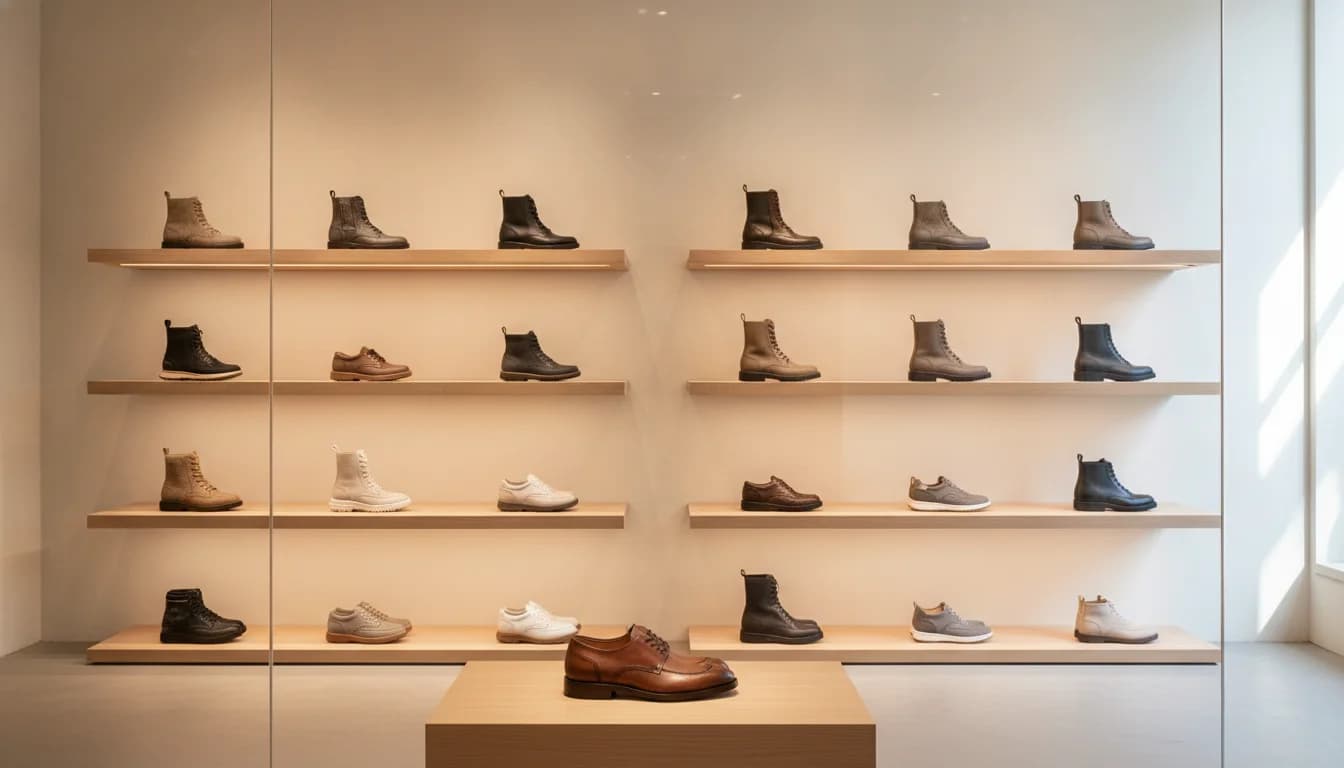
Think of the unique scent of a new car or a beloved bookstore. These scents are not just chemical components but powerful memory triggers and carriers of emotion. In today’s increasingly competitive physical retail environment, offering customers an unforgettable experience is more important than ever. This is where a frequently overlooked yet highly effective tool comes into play: scent marketing. For footwear retail, this holds particular potential-whether it’s the rich aroma of genuine leather or a signature perfume reflecting the spirit of a collection-to completely transform the store atmosphere. From the moment a customer steps into the store, it is possible to appeal to their subconscious, strengthening brand perception and positively influencing purchasing behavior.
Psychological Foundations of Scent Marketing
Scent marketing is much more than an aesthetic touch; it is rooted in human psychology and biology. Unlike our other senses, the sense of smell has a direct connection to the brain’s centers responsible for memory and emotions. This feature makes scent a powerful communication tool for brands.
Scent, Memory, and Emotional Connection
Our olfactory sense is directly related to the brain’s primitive limbic system, which includes the amygdala (emotions) and hippocampus (memory). When a scent is perceived, signals reach these centers directly, bypassing rational thought filters. Therefore, scents can trigger emotional responses and memories much faster and more intensely than visual or auditory stimuli. Much like the scent of a cookie that evokes a childhood memory, a pleasant signature scent in a store creates positive associations, forming an emotional bond between customers and the brand.
The Role of Scent in Store Atmosphere
The store atmosphere is a combination of multiple elements such as lighting, music, décor, and layout. Scent is one of the invisible but most effective layers of this atmosphere. A carefully chosen scent can enhance the perceived value of the store. For example, a light cedarwood or leather scent reinforces perceptions of luxury and quality, while fresh citrus scents convey energy and freshness. This encourages customers to stay longer, examine products more attentively, and overall enjoy a better shopping experience. Scent silently whispers the brand’s identity and promise to customers without words.
How to Choose a Signature Scent for Footwear Stores?
Choosing the right scent is a critical step in shaping your store’s identity. This decision goes beyond simply finding a pleasant fragrance; it must be fully aligned with your brand story, target audience, and the products you sell. This strategic choice directly shapes customer perception.
Scents Aligned with Brand Identity
The first step is to define your brand identity. Does your store project a luxury and classic style, or does it appeal to a young and dynamic audience? For a store selling classic and timeless men’s footwear, warm and woody notes like leather, tobacco, and cedarwood create a sense of trust and quality. Conversely, a modern and trend-focused sports shoe boutique might emphasize its young, energetic identity with cleaner, fresher scents such as musk, green tea, or light citrus notes. Scent should act as a quiet ambassador of your brand, communicating what you promise to customers.
Integration with Product Range and Material Texture
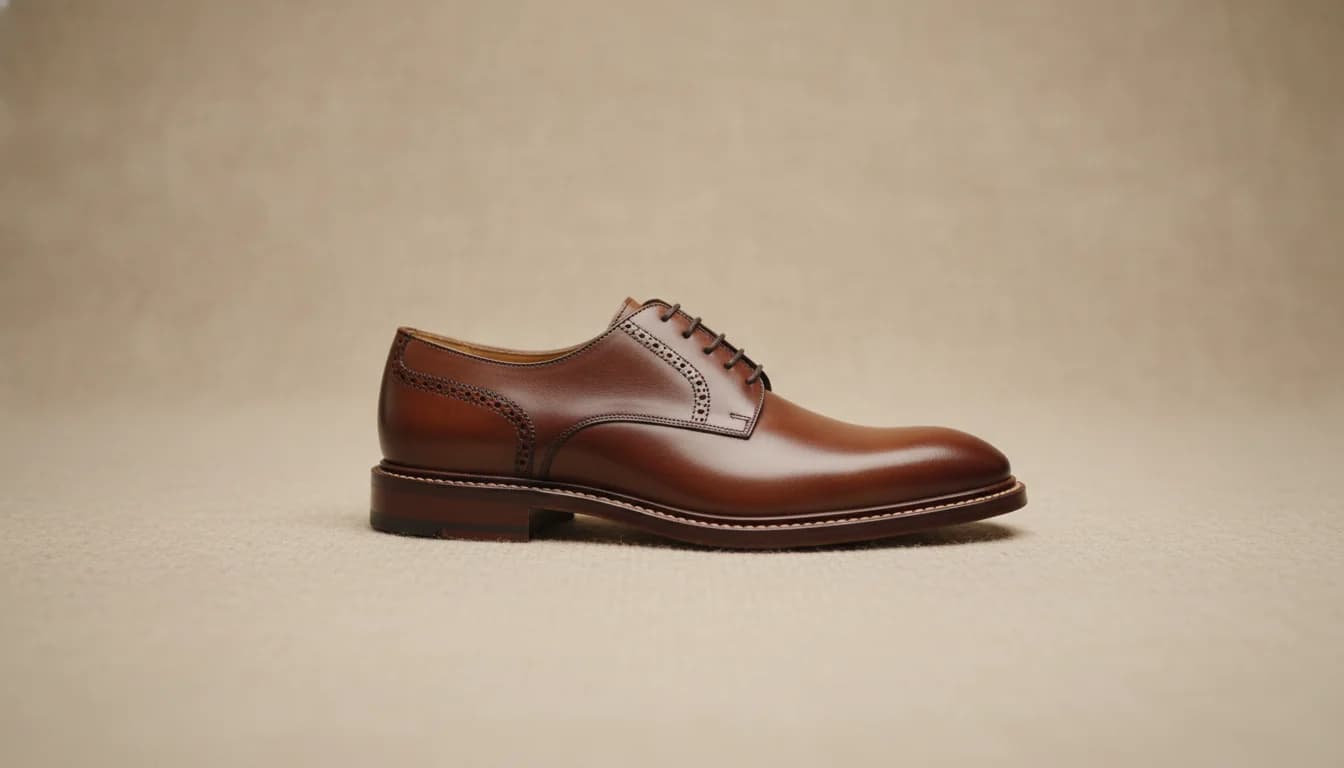
Your product range is one of the most important inspirations for your scent choice. If you primarily sell high-quality leather products, it makes sense to select a scent that supports or complements the natural leather aroma rather than overpowering it. For example, a light blend containing vanilla or amber can enhance the warmth of leather. For your summer collection of women’s sandals and canvas shoes, fresh and light scents like ocean breeze, fig, or white flowers reflect the seasonal spirit of the products. Making purchases from the over 10,000 model options offered by Bulkoon can guide you in defining your store’s scent identity.
Scent Marketing Application Methods and Technologies
Once you have chosen your signature scent, the next step is to disseminate it effectively and consistently throughout the store. Technology offers different solutions suitable for businesses of all sizes, from small boutiques to large store chains. Choosing the right method depends on your budget and your store’s physical characteristics.
Professional Scent Diffusers and HVAC Systems
For medium and large-scale stores, the most professional solution is scent diffusers integrated with existing heating, ventilation, and air conditioning (HVAC) systems. These systems disperse scent particles at the micron level, ensuring a homogeneous and lasting scent presence in every corner. The scent intensity can be precisely adjusted, and with timers, the system can run automatically during business hours. Although the initial cost is higher, this method is the most efficient in terms of consistency and coverage in the long run.

More Accessible Solutions: Reed Diffusers and Sprays
For smaller boutiques or businesses aiming to scent specific areas, more accessible and flexible solutions are available. High-quality essential oil reed diffusers can be placed strategically near the checkout or in fitting rooms, offering a localized scent experience. Also, room sprays made from natural and lasting ingredients that can be used periodically throughout the day provide a quick and effective solution. The important factor is that these products do not leave a cheap or synthetic impression. The goal is to create an elegant background scent.
Scent Intensity and Managing Customer Perception
Success in scent marketing depends not only on choosing the right scent but also on delivering it at the correct intensity. A scent too faint may go unnoticed, while an overpowering one might annoy customers and drive them away. Finding the right balance is the most delicate aspect of the strategy.
The "Less is More" Principle
The golden rule of scent marketing is that the scent should be discovered rather than imposed. When customers enter the store, they should not be hit by a wall of fragrance. Instead, the scent should be part of the atmosphere, perceived at a subconscious level. Excessive scent intensity can be an issue for customers with allergies and may cause "scent fatigue," making the scent unnoticeable after a while. The ideal intensity is one where the customer remembers the positive feeling and faint scent even after leaving the store.
Consistency and Seasonal Adjustments
Maintaining consistency with your signature scent is critical for brand recall. Customers should associate that scent with your store. However, this does not mean you cannot make small adjustments. For instance, while preserving the core notes of your main signature scent, you can add subtle seasonal touches. Incorporating warmer base notes like cinnamon or vanilla in winter and emphasizing fresher top notes like citrus in summer keeps the store atmosphere dynamic without drifting away from your brand identity.
Evaluating Return on Investment (ROI)
As with any marketing investment, measuring the effectiveness of scent marketing is important. Although these metrics are not always as clear-cut as direct sales figures, it is possible to observe the indirect effects on customer behavior and brand perception. This helps you understand the value of your investment.
Changes in Sales and Customer Dwell Time
One of the most tangible effects of scent marketing is the amount of time customers spend in the store. In an inviting atmosphere, people browse more leisurely and comfortably. For example, a hypothetical scenario: a footwear store observes that customers spend an average of 10 minutes inside. After introducing a leather and sandalwood scent aligned with brand identity, this duration might increase to 12-13 minutes. Increased time spent in-store generally correlates positively with a higher average basket size and conversion rates. Tracking this change is an important data point in measuring the effectiveness of your investment.
Brand Recall and Customer Loyalty
The long-term return of scent marketing builds on brand loyalty and recall. A unique and pleasant scent differentiates your brand from competitors and secures a lasting place in customers’ minds. Customers remember not only your shoes but also the special feeling they experienced in your store. This emotional connection increases the likelihood of repeat visits and encourages positive word-of-mouth. Although difficult to quantify, this is an invaluable brand asset. You can strengthen the trust created by quality products sourced from approved suppliers on Bulkoon by reinforcing your store atmosphere to build lasting customer relationships.
Conclusion: Scent is Your Store’s Unforgettable Signature
In an era where physical retail competes with the digital world, enriching in-store experience is no longer a luxury but a necessity. Scent marketing is a powerful, scientifically grounded strategy that deepens this experience and builds emotional connections. A carefully chosen and balanced scent not only transforms your store atmosphere but also strengthens brand perception, encourages customers to stay longer, and most importantly, helps your brand leave a lasting imprint in memory. This invisible detail can become one of the most concrete reasons for your customers to return repeatedly. To digitalize your wholesale purchasing process and find the right products for your store, start by discovering how Bulkoon works.