You might also like

 6 colors
More Color Options
 3 colors
More Color Options

 3 colors
More Color Options
 3 colors
More Color Options
 5 colors
More Color Options
 3 colors
More Color Options
 3 colors
More Color Options

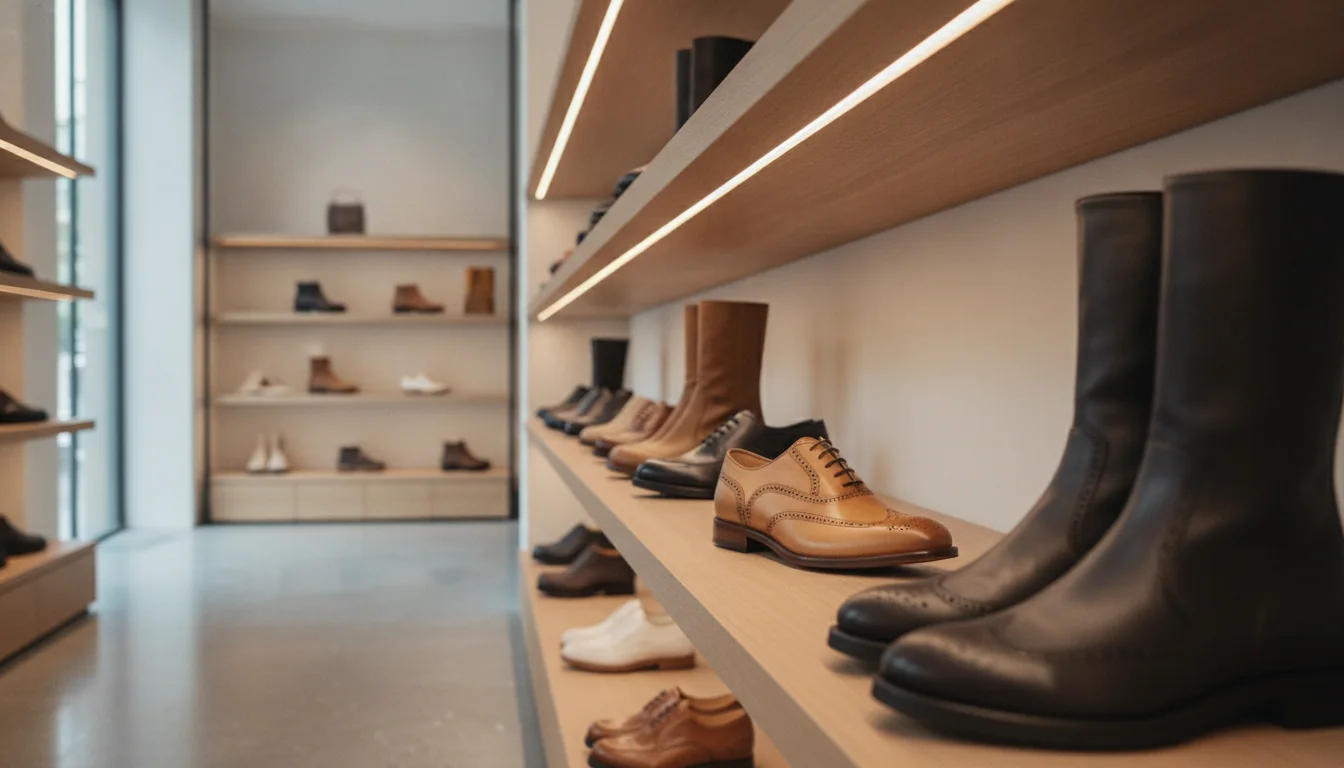
Competing by cutting prices in shoe retailing erodes profit margins. Growth strategies through product selection, assortment management, stock turnover, and strong value propositions beyond price competition.
While price reductions may seem like the quickest way to grab attention in retail, they are among the most dangerous traps that erode profitability over the long term. Continuously pricing below competitors in the footwear industry clouds the perception of your store's design, quality, and service offering. This cycle, which causes customers to only shop during promotions, ultimately leads to zero gross margins. Sustainable growth for retail and boutique businesses comes not from constant discounting but from building an indispensable value proposition in the customer's eyes.
Even during periods of high consumer price sensitivity, making price the sole competitive factor endangers your store's future. While sales volume may increase temporarily through discounts, this often fails to cover fixed operating costs.
Constantly offering low prices raises doubts about your product quality and brand image. When customers associate "cheap shoes" with low-quality materials, it becomes nearly impossible to sell premium or higher-margin products.
A race to the bottom on prices dangerously lowers the gross profit margin per product. Even if cash flow is maintained, operational expenses, staff costs, and potential return processes may push the business into net losses.
Marketing and in-store investments halt as gross margins shrink
Dependence shifts to discount-chasing customers instead of quality-oriented clientele
Payment delays occur in orders placed to suppliers
Customers seeking only the lowest price carry no brand loyalty. When a competitor offers a product for 10 TL less, these customers switch immediately. True growth is achieved through loyal customers who value your store's overall experience.
In summary: While price competition may temporarily increase turnover, it destroys profit margins and diminishes brand value. Focusing on value-driven marketing is essential for sustainable growth.
6 colorsMore Color Options
3 colorsMore Color Options
3 colorsMore Color Options
3 colorsMore Color Options
5 colorsMore Color Options
3 colorsMore Color Options
3 colorsMore Color Options
Instead of trying to sell standard models that everyone offers at a lower price, focusing on the unique needs of a specific target group makes your store stand out. A focused product selection removes you from price comparison websites and marketplace battles.
For example, rather than presenting a general catalog in the women's footwear category, you can prepare ergonomic and stylish collections for professionals who spend the entire day standing. Making comfort-focused curated selections in women's loafer or women's stiletto product groups positions you as an expert in a specific niche.
Classifying your customers by age, lifestyle, and usage purpose is the first step to creating the right collections. Focusing on a specific segment also makes your marketing messages more effective.
Reaching working women with stylish daily shoes featuring orthopedic soles
Focusing on waterproof and highly durable men's sports models for urban use
Offering capsule collections suitable for special occasions and events
When choosing products, look beyond cost to value-added details such as genuine leather material, stitching quality, or insole technology. Customers do not compare the comfort they feel when wearing the product against price.
For example, between two boutiques in the same area, if one sells ordinary ballet flats with low margins and the other offers breathable insole ballet flats with expert staff recommendations, the latter may gain more customer loyalty despite prices being 30% higher.
In summary: Offering niche categories and specialized collections allows your store to break free from price-focused competition and sell with higher margins.
One of the most critical factors determining profitability in footwear retail operations is assortment management. Poorly planned size distribution leads to running out of top-selling sizes by season-end and creates leftover broken size stock that reduces margin.
Without correct size allocation, you may need to discount sizes like 36 or 40 left on shelves, directly impairing profitability and creating pressure to lower prices.

In the Turkish market, women's shoe best-sellers are typically sizes 37 and 38, while men's shoes favor sizes 41 and 42. Standard or flexible assortment packages matching these ratios should be preferred during procurement.
Maintain deep stock levels of middle sizes (37-38 or 41-42)
Adjust the ratio of extreme sizes (35-36 or 44-45) according to the region and customer profile
Make seasonal demand forecasts to prevent unnecessary stock costs
Failing to replenish sizes that run out mid-season results in customer loss. Working with platforms that offer flexibility in wholesale procurement makes it easier to quickly complete missing sizes.
Thanks to 100+ approved suppliers and over 10,000 models on the Bulkoon platform, retailers can manage stock needs flexibly. The ready stock guarantee reduces operational risk by allowing retailers to replenish only depleted models.
In summary: Successful assortment management and proper size distribution prevent seasonal stock breaks and eliminate the need for discounting, protecting profitability.
Stock turnover rate is a key metric showing how efficiently your capital is working. A low turnover rate means your money is locked in warehouse boxes, forcing retailers into loss-making sales to maintain cash flow.
Placing products on shelves at the right time at season start and performing dynamic stock tracking mid-season help you achieve maximum sales at high prices.
To sell products at full price at season start, it is necessary to catch trends early. Rather than making radical discounts to clear limited stock near season end, cross-selling and bundle campaigns can be applied.
Reach the first purchasing customer group with early season launches
Identify slow-moving products and highlight them with display or visual arrangements
Place staggered orders during season transitions to maintain cash balance
Purchasing the entire seasonal stock at once locks up capital. Spreading the procurement process over time eases cash flow.
Financial facilities offered during purchases also strengthen capital control. For example, Bulkoon's option to pay in 3 or 6 installments at cash prices allows stores to keep their stock updated without disturbing cash balance. Fast and free shipping to all 81 provinces of Turkey ensures orders are dispatched within 1-2 business days, increasing shelf turnover rate.
In summary: High stock turnover rates and flexible procurement processes support store growth without discount pressure by protecting cash flow.
One of the strongest legs of non-price competition is operational quality. The pre- and post-purchase experience you provide to customers transcends product price.
Especially for shoes, where fit and comfort vary from person to person, proper guidance reduces return rates and builds trust.
Returns are the biggest cost item in both e-commerce and physical retail. Providing fit information, size recommendations (true to size or one size up/down), and detailed product descriptions helps customers find the right product on the first order.
Include exact fit or size adjustment information on product detail pages
Offer model suggestions suitable for foot shapes (wide, narrow)
Train in-store sales staff on product fits
Keeping the customer informed post-sale and responding quickly to issues increase loyalty. Sharing order status via WhatsApp or SMS dispels customer doubts.
To learn more and explore digital wholesale trade processes, you can visit our Marketing Strategies blog category and guides. Also, see the procurement steps on the How It Works page.
In summary: Proper guidance, low return rates, and uninterrupted communication increase customer satisfaction and eliminate the need for price-based competition.
Growing through constant price reductions is an illusion. Long-term success is possible by transforming your store into a value center. The right product, proper assortment planning, and high service quality are the keys to this journey.
The successful shoe retailers of the future will not be those cheaper than competitors but those who know their customers best, manage stock most efficiently, and create a difference with the experience they offer. By strengthening your supply chain with digital tools and focusing on value-oriented strategies, you can grow profitably.

Shift your marketing language from "the cheapest" to "the most comfortable, stylish, and reliable." Stand behind the quality you offer your customers.
Use digital platforms to diversify your supply network and keep stock costs under control. Work with the right suppliers to always keep your store fresh and attractive.
In summary: Lasting growth in retail is achieved not through cheap pricing but by strong supply structure, efficient stock management, and unique customer experience.
Information in this article draws on the following sources.
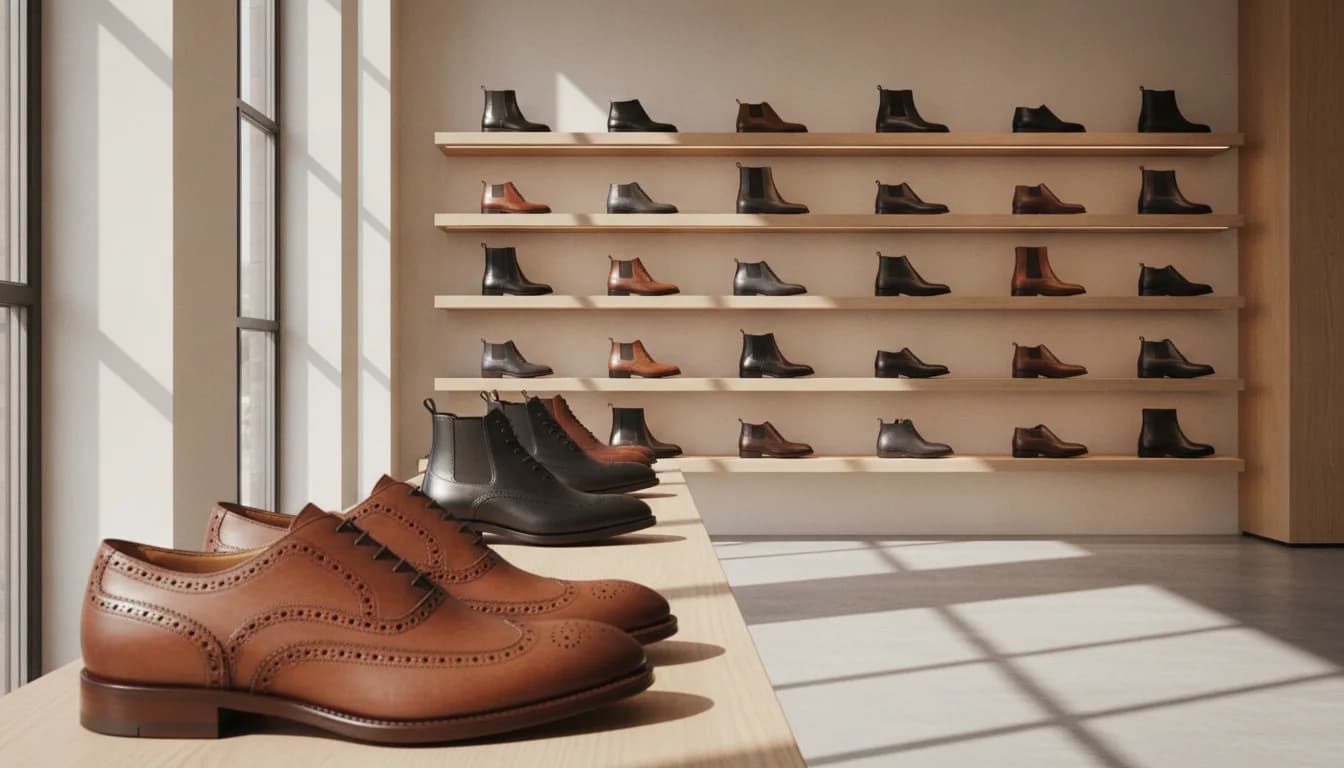
In footwear retail, customer trust is built not only through brand name but also by accurate size information, balanced assortment planning, transparent return policies, and realistic promises.

Discovering niche customer groups, managing assortments, and employing low-risk wholesale purchasing strategies to avoid intense price competition in the retail footwear trade.
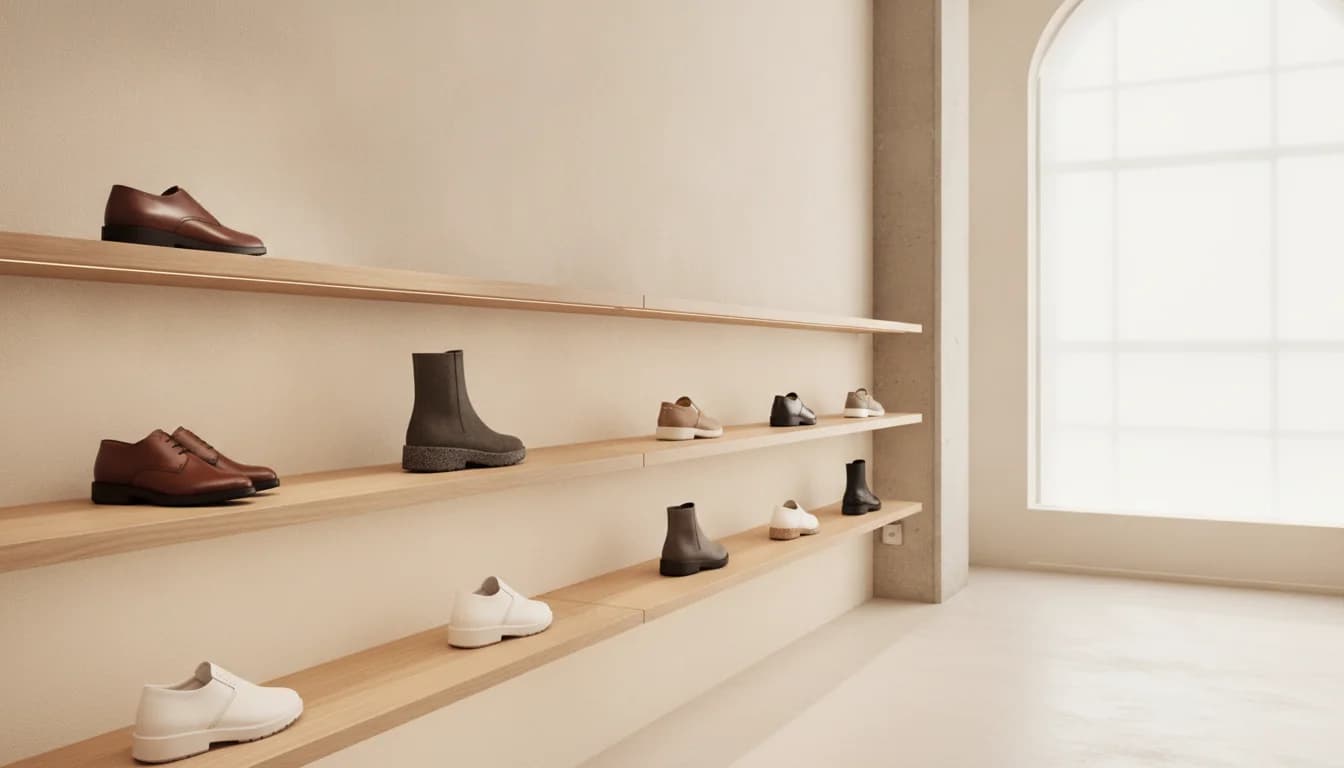
Discover the essential digital marketing, assorted size management, and local collaboration steps for a newly opened shoe store to gain its first 100 customers.