You might also like

 5 colors
More Color Options
 2 colors
More Color Options
 8 colors
More Color Options

 3 colors
More Color Options
 6 colors
More Color Options
 7 colors
More Color Options
 3 colors
More Color Options

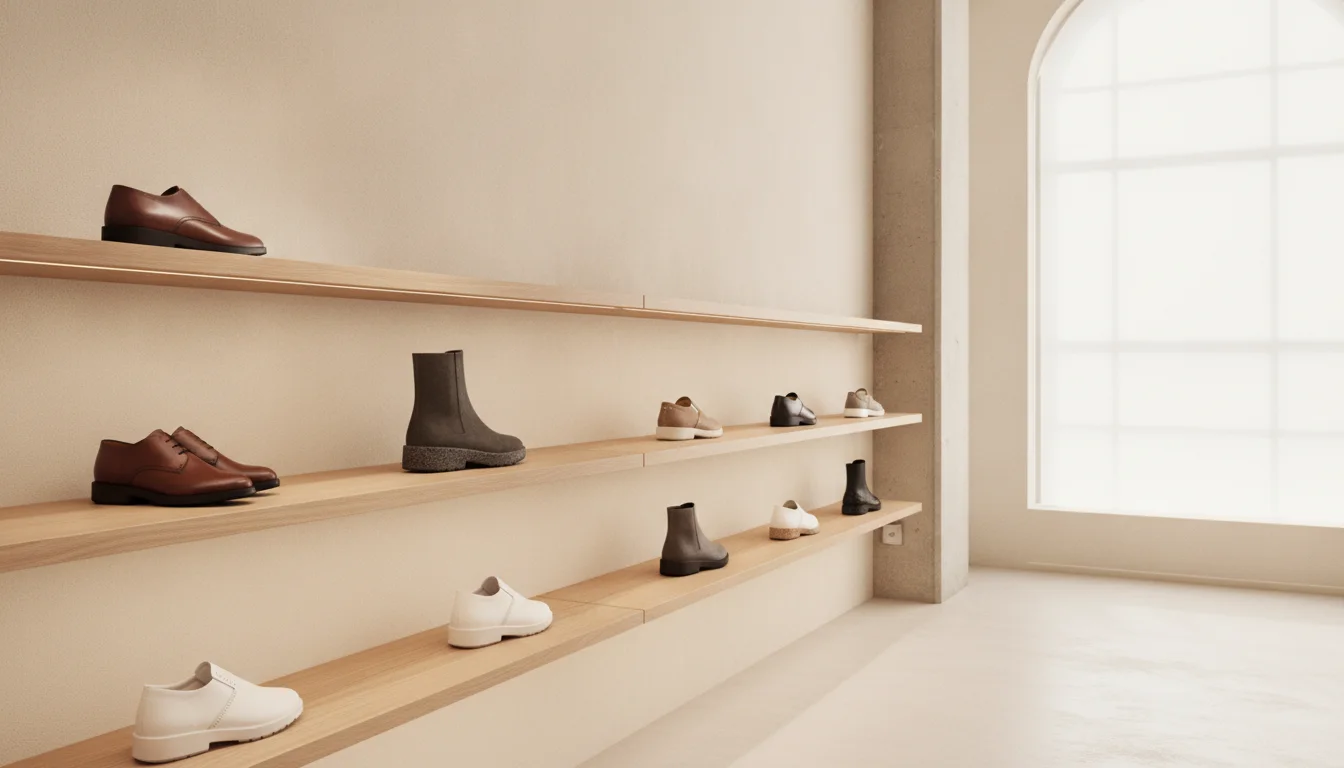
Discover the essential digital marketing, assorted size management, and local collaboration steps for a newly opened shoe store to gain its first 100 customers.
The first 100 customers targeted when opening a new shoe store represent a critical test phase that determines the commercial lifespan of the business. This initial group, entering the store or placing the first order through digital channels, not only generates revenue but also reflects the market response to the displayed collection, pricing policy, and product lasts. Achieving sustainable success in footwear retail is not about quick sales through uncontrolled discounts but about building a trust-based community. A well-structured opening marketing strategy positions the store strongly both on location and across digital channels from day one.
A shoe store operating physically or in a hybrid model needs to complete its digital footprint before opening doors. To stand out in potential customers’ "nearest shoe store" searches in the area, the Google Business Profile must be fully set up. Store interior images, opening hours, full address, and contact channels should be clearly stated on the profile. Activating map listings before opening reinforces trust among customers residing on the store’s street or neighborhood.
Social media serves as a dynamic showcase to exhibit fabrics, leather quality, and lasts details of products. Behind-the-scenes videos, shelf arrangements, and new season shoe shoots shared at least two weeks prior to opening stir curiosity among target customers. Detailed shots of trend-focused women's stilettos and everyday wearable shoes encourage potential buyers to anticipate the opening day. High-quality images and transparent product descriptions form the initial trust ring in digital commerce.
In summary: Fully establishing the digital map and social media presence before opening helps you find a ready customer base when the physical store starts operating. Visibility in local searches ensures qualified foot traffic from day one.
5 colorsMore Color Options
2 colorsMore Color Options
8 colorsMore Color Options
3 colorsMore Color Options
6 colorsMore Color Options
7 colorsMore Color Options
3 colorsMore Color Options
A common mistake during openings is applying deep discounts up to 50%, which damage the brand’s profit margin and product perception. Instead, value-focused campaigns that protect price perception should be preferred. For example, free shipping on the first purchase, discount coupons valid for the next purchase, or package deals supported with shoe care products are far more effective for customer acquisition. Offering added value rather than heavy discounts to customers visiting the store strengthens the perception of a quality brand in their eyes.
Collecting WhatsApp contact permissions from the initial visitors by offering exclusive limited-time opening deals creates a long-term sales channel. Customers can be informed directly about new weekly arrivals or special stock opportunities. Additionally, organizing joint cross-promotions with nearby hairdressers, beauty salons, or clothing boutiques increases local visibility. For instance, a gift voucher valid at your store might be provided for customers shopping at a fashion boutique.
In summary: Instead of profit-eroding excessive discounts, develop gift packages that add value and direct communication channels. Local collaborations and WhatsApp announcement lists accelerate the process of reaching the first 100 customers.
Achieving the first sale is as important as obtaining confirming feedback afterward. Customers who receive the product or buy in-store should be contacted via a short message to measure satisfaction levels. Positive reviews on Google Maps or social media accounts by customers directly influence the decision-making process of potential buyers unfamiliar with the brand. Any minor issues should be resolved quickly to ensure customer satisfaction.
Data from the first 100 customers is the most valuable source for shaping the store’s future purchasing strategy. The most requested size ranges, comments on last comfort, and reactions to price levels must be recorded systematically. Information about which models sell quickly or which sizes remain unsold minimizes the risk of stocking errors in future wholesale purchases.

In summary: Transparent customer reviews and feedback on product lasts gathered from initial buyers serve as a vital guide to prevent future product selection and pricing mistakes.
The most fundamental factor determining profitability in footwear trade is correct assortment structuring. Standard wholesale packages with predetermined size distributions (e.g., EU 36-40 for women, EU 40-44 for men) may not exactly match the demographic structure of every region. Analyzing the first 100 customers’ purchase data might reveal, for example, that sizes 37 and 38 of women’s ballet flats sell very quickly while extreme sizes remain on shelves. The store manager should adjust the depth of assortment in subsequent orders based on this regional data.
Stock turnover rate is the clearest indicator of how efficiently a store uses its capital. Shoes lingering on shelves for long periods lock the store’s cash flow and create financial risk. After the first 100 sales, turnover durations should be analyzed; slow-selling categories ought to be quickly moved through window changes or cross-selling techniques. To maintain rich product variety, missing sizes in women’s and men’s sports collections must be replenished promptly.
In summary: Fixed assortment structures that don’t adapt to customer demand increase stock costs. Supplementing sizes and models based on sales data improves stock turnover speed and capital efficiency.
One of the biggest challenges for a new store is sourcing the right product at the right time and cost. Digital platforms like Bulkoon enable stores to access products directly without intermediary costs by working with more than 100 verified manufacturers and suppliers. Offering over 10,000 model options and only guaranteed ready stock, the platform allows store owners to replenish their assortments without waiting weeks in production queues.
Traditional wholesale shopping involves traveling, accommodation, and product searching which cause significant time and cost loss. Reviewing product videos on the platform and using artificial intelligence-supported filters to identify models suitable for the target audience provides operational ease. Moreover, free shipping across all 81 provinces of Turkey and dispatch of orders within 1-2 business days completely eliminate the risk of running out of stock. Businesses interested in learning about the supply process can easily follow the steps by visiting the How It Works page.
In summary: Using a reliable and fast digital wholesale purchasing infrastructure zeros travel expenses while enabling the store to place missing stock on shelves within days.
Gaining the first 100 customers is not an end but the first phase of the store’s scaling journey. The local visibility obtained, digital reviews, and real size consumption data establish the foundation for future seasons. Stores focusing on customer satisfaction, promptly replenishing missing stock, and persistently continuing marketing activities quickly gain a loyal customer base.
Securing a competitive advantage in the retail market requires closely following marketing trends and wholesale purchasing opportunities. Continuously refreshed window displays and the right price-quality balance encourage repeat purchases by the first customers. For more store marketing strategies and industry guides, you can follow our marketing blog category contents.
In summary: When data-driven stock management, uninterrupted digital communication, and the right supply channels come together, momentum gained from the first 100 customers turns into lasting commercial success.
Information in this article draws on the following sources.
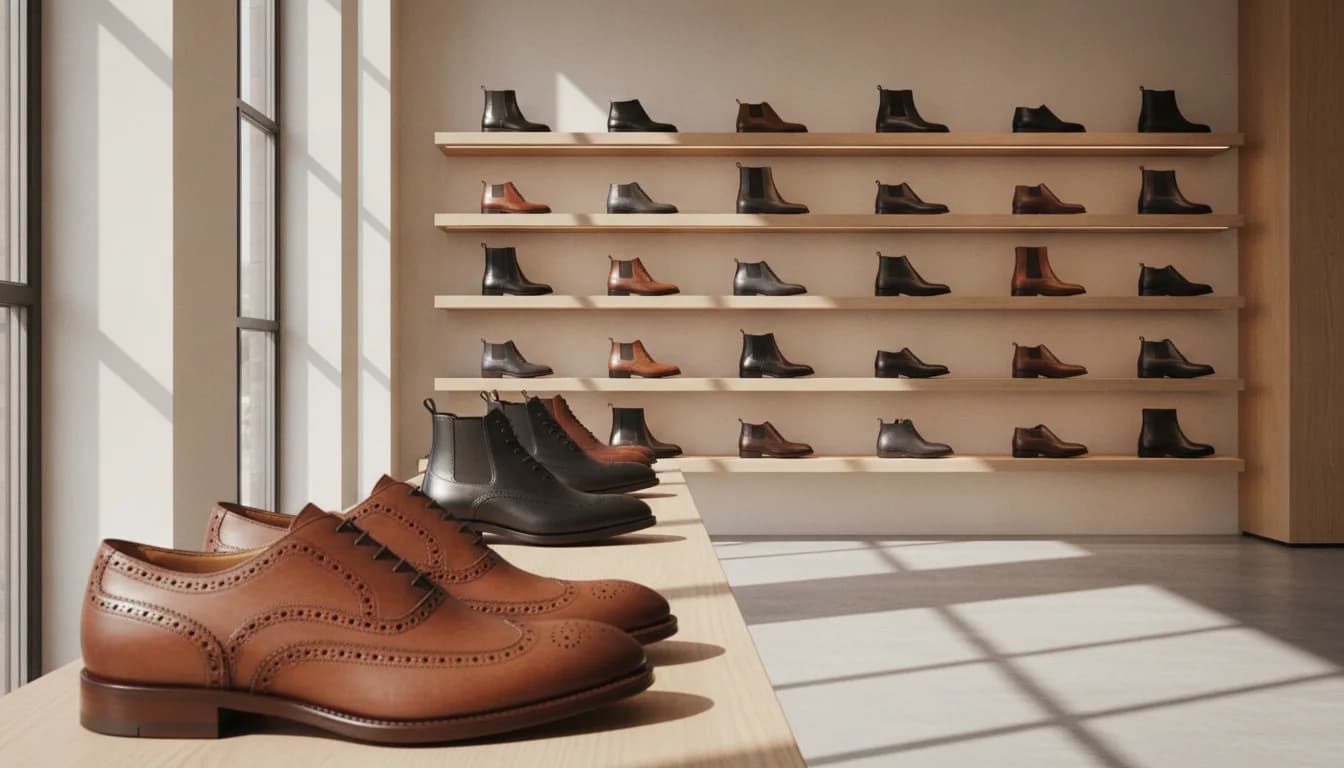
In footwear retail, customer trust is built not only through brand name but also by accurate size information, balanced assortment planning, transparent return policies, and realistic promises.
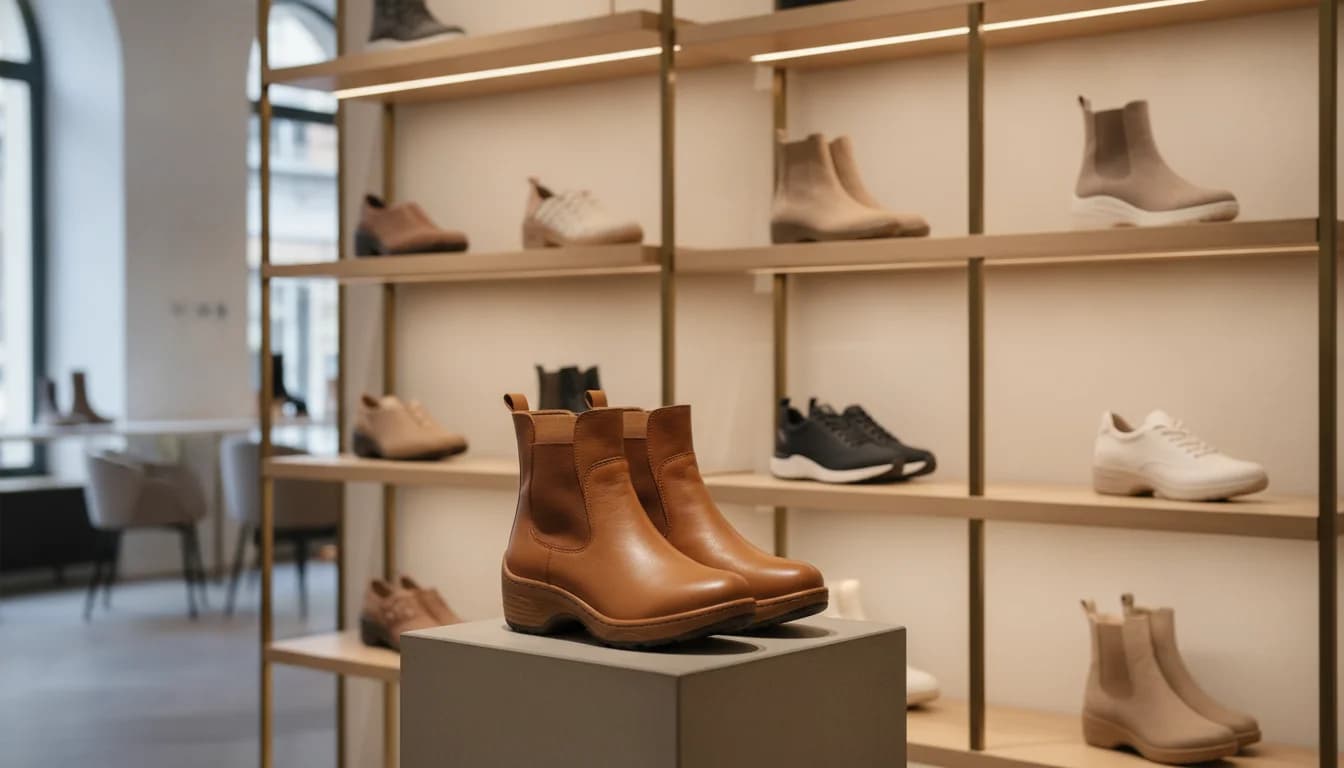
Discovering niche customer groups, managing assortments, and employing low-risk wholesale purchasing strategies to avoid intense price competition in the retail footwear trade.
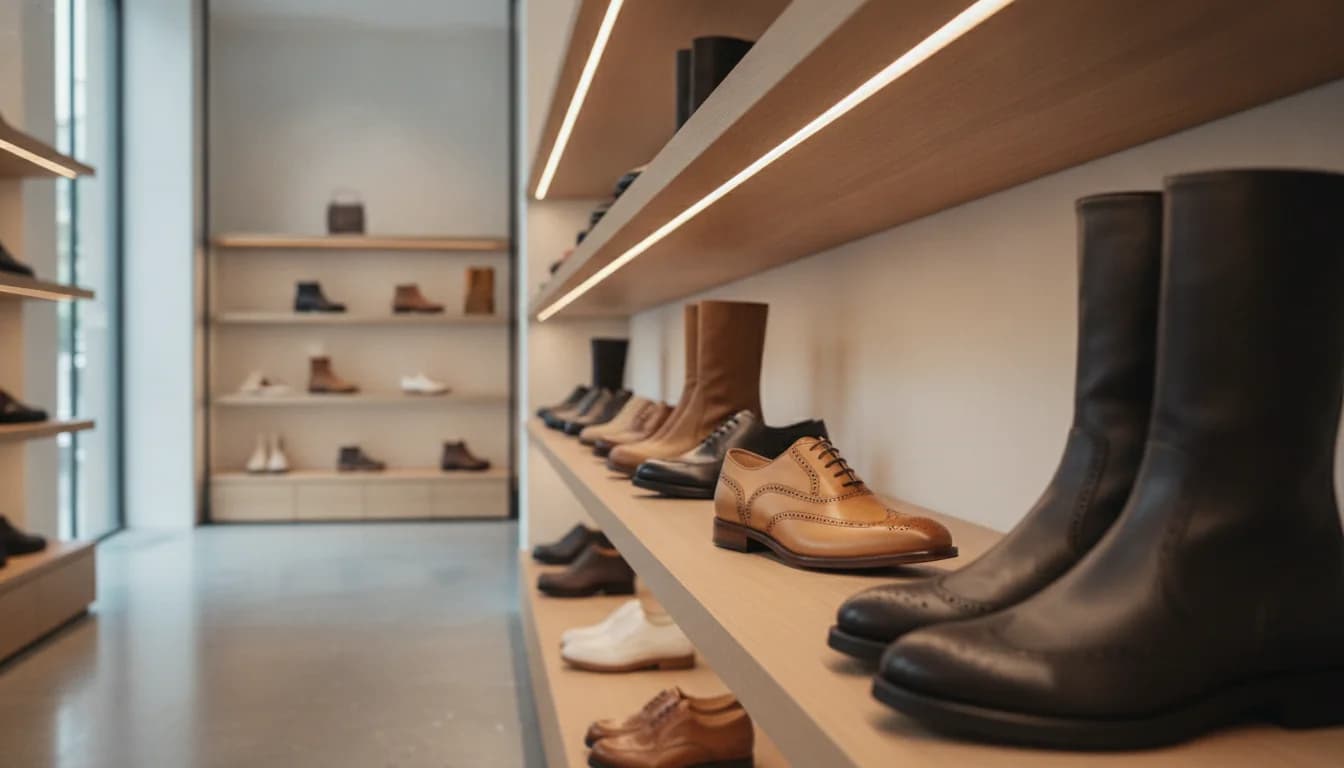
Competing by cutting prices in shoe retailing erodes profit margins. Growth strategies through product selection, assortment management, stock turnover, and strong value propositions beyond price competition.