You might also like


 3 colors
More Color Options
 8 colors
More Color Options
 3 colors
More Color Options
 3 colors
More Color Options


Discovering niche customer groups, managing assortments, and employing low-risk wholesale purchasing strategies to avoid intense price competition in the retail footwear trade.
Most stores in the traditional retail market focus on common size ranges and popular trend models. However, when everyone targets the same customer base, margins shrink and profitability becomes unsustainable. Identifying niche customer groups with less competition brings both higher profit margins and a loyal clientele to your store. Discovering segments overlooked by the market, from large size women's footwear to age groups seeking orthopedic comfort, through proper research methods and showcasing them in your shop window is the key to commercial success.
Finding unmet demand points in the market does not require huge budgets for complex market research. Digital footprints left by customers and question patterns in physical stores are the most valuable data sources. Search queries on Google, product reviews for out-of-stock items on e-commerce sites, and user complaints on social media directly indicate unresolved needs.
By analyzing details missed by competitors, you can open a new lane for your store. Particularly, consumers who struggle to find shoes in a certain size range tend to develop long-term loyalty to businesses that offer the products they seek.
Keyword phrases frequently searched by consumers on search engines but with few results indicate niche opportunities. For example, searches for size 41-43 stylish ballet flats or size 38-39 men's classic shoes draw attention to a clear supply gap. Comments under footwear brand posts on social media like "why aren’t bigger sizes available?" or "is the fit wide?" are direct voices from the market.
Regularly recording customer requests turned away due to lack of stock in your physical store is a critical step. A weekly demand ledger clarifies which segments have gaps. Examining nearby competitors’ shelf arrangements you will often notice that they cannot go beyond standard series setups and fail to meet special needs.
Identifying underrepresented customer segments in the market offers an opportunity to price without competition and strengthen your store's brand perception. Businesses that continuously analyze digital and physical data go beyond competition to create a profitable sales territory.
3 colorsMore Color Options
8 colorsMore Color Options
3 colorsMore Color Options
3 colorsMore Color Options
Instead of standard product lines offered by every retailer, creating collections focused on special needs increases sales conversion. It is essential to make the right product selections for frequently neglected but high-potential purchasing groups in the market.
You can increase variety in your store by drawing from general categories. For instance, you can target these groups by selecting extended size range Women's collections or specially last-fitted Men's models.
Finding shoes size 41 and above in women’s or size 39 and below in men’s is a serious problem for consumers. Since this customer group does not find what they want in standard series, their price sensitivity is lower. Large size high-heeled models or small size daily shoes offered with the right last and stylish design achieve rapid sales turnover.
For healthcare workers, teachers, or service sector employees who stand all day, sole support and flexibility are priorities. Similarly, consumers in older age groups prefer products that are easy to wear with soft leather uppers. Daily-use Women’s Casual lines and Junior Boys Casual designs appealing to the young-adult transition have high demand in this area.
Product categories catering to special needs strengthen the customer's bond with your store and directly activate word-of-mouth recommendation mechanisms. These high-margin segments are the foundational pillars that increase your business’s overall profitability.
The biggest mistake when targeting niche markets is accepting standard factory assortment packages as they are. When purchasing wholesale, designing an assortment structure suitable for the size distribution of your intended special group is vital.
Traditional size series emphasize mid sizes (for example, 37-38 for women, 41-42 for men), while in niche segments this distribution shifts towards extreme sizes. Therefore, you should plan size depth accurately at the supply stage.

If you are creating a women's collection focused on large sizes, packages emphasizing sizes 36 and 37 in the series create dead stock in your store. Instead, you should negotiate with your supplier for special cartons weighted with sizes 39-42 or prefer platforms that offer flexible stock.
You should analyze which sizes sell faster by reviewing your niche customer group's past sales data. Demand is generally concentrated in upper sizes for wide last models or orthopedic series. Customizing size breakdowns within a series according to this demand shortens stock clearance times.
Customized assortments and size distributions minimize dead stock ratios. Success in niche segments depends less on product design and more on the skill to match correct size depth with the right customer.
One of the biggest advantages of niche product groups is that many are less affected by seasonality. However, this does not mean season planning and stock turnover monitoring can be neglected.
Seasonless models reduce stock risk, while correctly timed purchases during seasonal peak periods accelerate the store's cash flow. You need to manage season transitions correctly and keep stock turnover speed at an optimum level for niche products. For detailed marketing approaches on this topic, you can explore our Marketing Blog articles.
Professional comfort shoes, black-soled work shoes, or orthopedic models in basic colors are sold regularly throughout the year. Although the stock turnover for these seasonless products may not be as high suddenly as fashion items, they provide a steady profit margin without discount risk.
It makes sense to display special models for niche groups during school return periods, holidays, or vacation seasons. However, when bringing a new model into the store, it is important to avoid the risk of high-volume stock. Verifying demand through test purchases is the safest way to prevent stock accumulation.
Constantly monitoring stock turnover protects the retailer's working capital. Balancing between seasonless niche products and seasonal trial products ensures healthy cash flow for the store.
The greatest risk when stepping into a previously unexperienced customer group is being left with unsold stock. Minimizing this risk in retail involves using flexible wholesale purchasing mechanisms.
Instead of high minimum order quantities (MOQ), working with suppliers who offer low-quantity orders and operate with ready stock eases your operations. You can review wholesale steps on our How It Works page to simplify your order processes.
When entering a new niche category, first order small quantities to measure shelf performance. When customer interest is confirmed, completing stock ensures operational security. Only having ready stock on the site allows orders to be quickly prepared for operation and delivered to your store, preventing delays.
Working with the right supplier guarantees both product quality and supply continuity. You can quickly filter the most suitable niche models for your store by using artificial intelligence-supported smart selection infrastructure during product choice. Also, to protect your commercial cash flow, using systems offering 3 and 6 installment options at cash price lighten your financial burden. You can benefit from free shipping across 81 provinces within Turkey, and for international deliveries, you can choose your preferred shipping company [1].
Flexible and risk-divided supply approaches enable you to invest confidently in new customer segments. Low-quantity test orders and strong financial facilities solidify your store’s growth steps.
Focusing on niche segments with less competition rather than the main lanes where everyone races reduces competitive pressure. Large sizes, comfort-seeking age groups, or special professional needs offer retailers a high-margin and loyal customer base.

A consumer who cannot find the product they need elsewhere chooses your business without price comparison. This loyalty allows your store to gain new customers through word-of-mouth marketing.
Success is not about taking large stock risks; it starts with small, data-analyzed steps. You can gradually strengthen your store’s product range by testing niche segments with ready stock strength, flexible assortments, and smart filtering systems [2].
When you identify overlooked needs of the market and respond with proper timing and assortment structure, your retail store transforms into a profitable point that stands out in the sector.
Information in this article draws on the following sources.
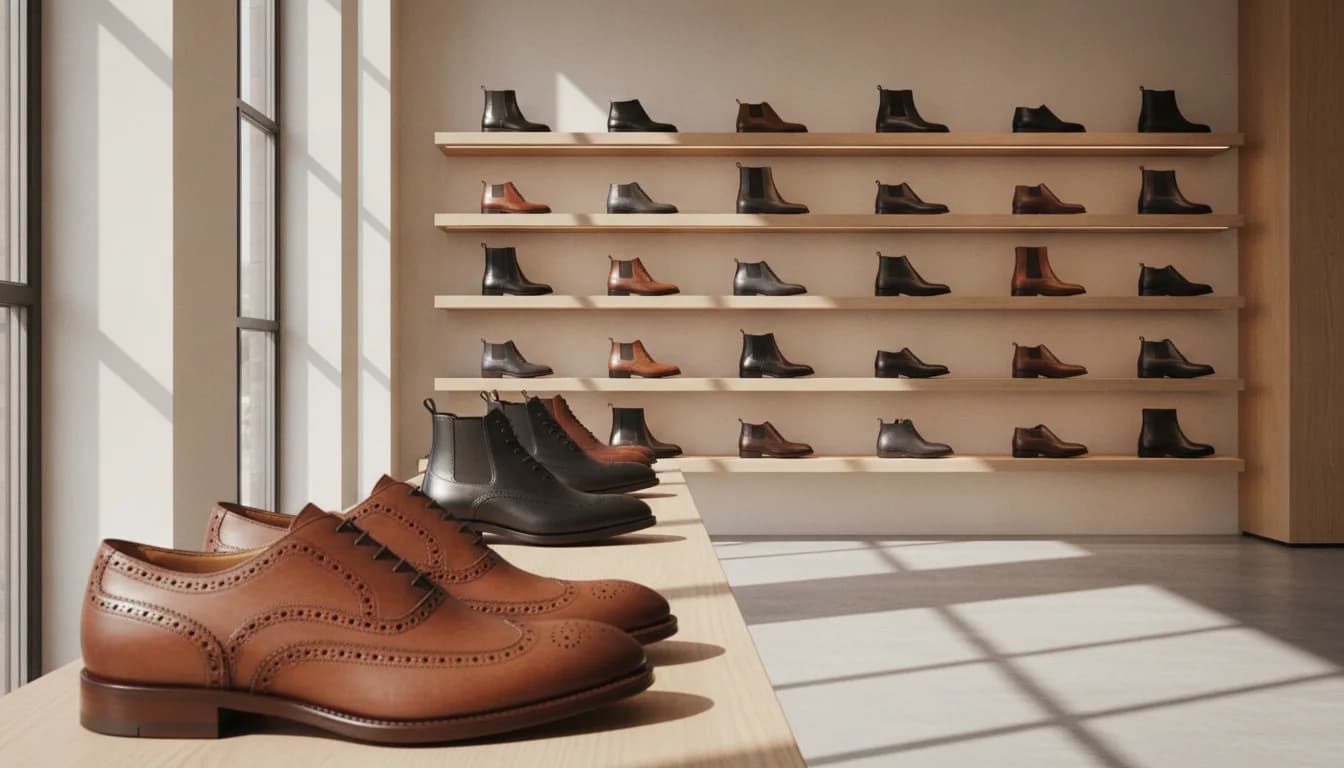
In footwear retail, customer trust is built not only through brand name but also by accurate size information, balanced assortment planning, transparent return policies, and realistic promises.

Discover the essential digital marketing, assorted size management, and local collaboration steps for a newly opened shoe store to gain its first 100 customers.
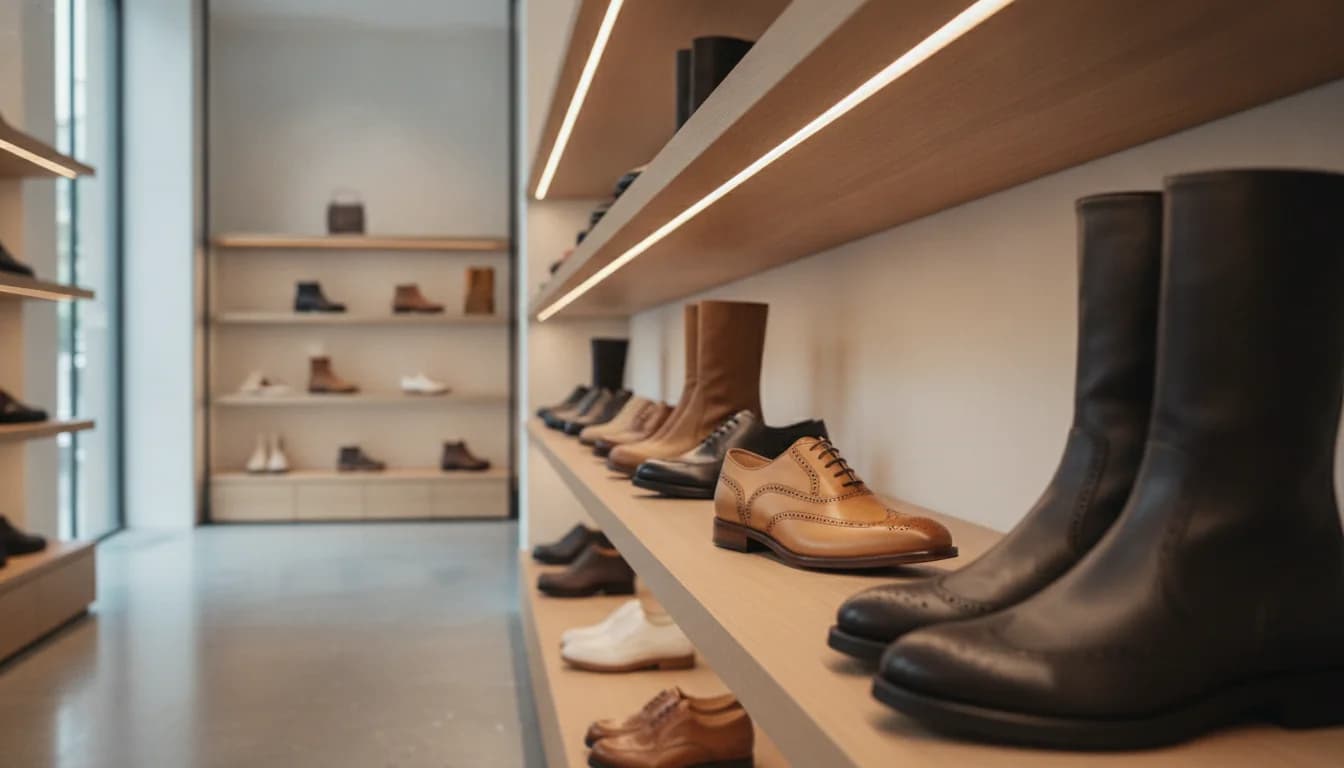
Competing by cutting prices in shoe retailing erodes profit margins. Growth strategies through product selection, assortment management, stock turnover, and strong value propositions beyond price competition.


