You might also like

 3 colors
More Color Options
 3 colors
More Color Options
 5 colors
More Color Options
 4 colors
More Color Options

 8 colors
More Color Options
 8 colors
More Color Options
 5 colors
More Color Options


Focusing solely on unit price in wholesale footwear purchasing can reduce long-term profitability. Discover critical criteria such as quality consistency, stock accuracy, and assortment structure.
In wholesale footwear purchases, the unit pair price is among the first parameters buyers consider. However, sustainable profitability for retail stores and e-commerce businesses cannot be achieved by simply finding the cheapest product. A carton of shoes bought at a low price but experiencing sole detachment, delayed delivery, or wrong size distribution directly erodes profit margins. In footwear retailing, the true cost is measured by shelf life and customer dissatisfaction. Alongside transparency in supply chain processes according to trade standards, the supplier's production discipline plays a vital role [1]. This guide details the critical evaluation criteria and practical inspection steps you should consider before shaking hands with a manufacturer or wholesaler.
One of the biggest risks in wholesale trade is the quality difference between the sample product and the mass production delivered in cartons. A model that looks appealing at first inspection can become a serious source of customer loss for your retail store if, during mass production, a different leather batch or a weak adhesive is used.
When evaluating product quality, the focus should be not only on appearance but also on technical details that determine long-lasting use. Particularly, upper stitching frequency, sole flexibility, and breathability of the lining material directly affect the product’s return rate.
The line where the upper and sole meet is the clearest indicator of manufacturing quality. Excess adhesive traces, missing stitching steps, or incompatible sole molds indicate the product will deform quickly. In quality manufacturing, the sole imprint should conform to foot anatomy and chemical odors should be minimal.
The supplier may provide very meticulous handmade samples during the initial contact stage. However, it must be verified whether the same sensitivity is maintained in factory or workshop scale mass production. Differences in color tone (lot variance) and weight deviations frequently occur in mass production. To prevent this, quality standards should be clarified in writing before ordering.
Checking thickness consistency in natural or synthetic leather uppers
Testing sole flexibility and impact-absorbing inner pad quality
Examining stitch thread strength and corner joint points
In summary: Sample inspection alone is insufficient; ensure that material and workmanship standards are maintained in each carton during mass production.
3 colorsMore Color Options
3 colorsMore Color Options
5 colorsMore Color Options
4 colorsMore Color Options
8 colorsMore Color Options
8 colorsMore Color Options
5 colorsMore Color Options
Running out of stock mid-sales season in your store or digital channel directly means revenue loss. No matter how attractive the price is, the cost of orders not delivered on time to your business is much higher. Globally, logistics integration is a fundamental pillar of operational success in footwear trade [2].
The supplier’s stock management capability must be questioned during selection. Working with products physically available in stock, rather than those produced after order placement, eliminates delivery risk.
Although many wholesalers showcase thousands of models in their catalogs, they often maintain only a limited number of products in stock. Processes that enter production after orders, combined with weekends and holidays, may delay delivery for weeks. Incorrect stock declaration prevents the retailer from fulfilling commitments to customers.
The speed of order packaging and shipping determines operational flow. Bulkoon’s platform operates on a ready-stock-only principle, preventing buyers from encountering surprise stock shortages. Thanks to fast shipping to all 81 provinces in Turkey, retailers can adhere to planned sales calendars.
Clearly learning the service level agreement (SLA) duration from order confirmation to shipment
Transparency of cargo and logistics tracking infrastructure
Supplier’s capacity to maintain shipment volume during peak season
In summary: The supplier’s real stock status and shipping speed are the most important guarantees that prevent customer loss during sales periods.
The most critical operational point in wholesale footwear purchasing is the assortment, meaning the size distribution inside the carton. The most common mistake retailers make is focusing only on total pair numbers in the batch and unit price. However, a single unsold middle or extreme size can wipe out all profits from that batch.
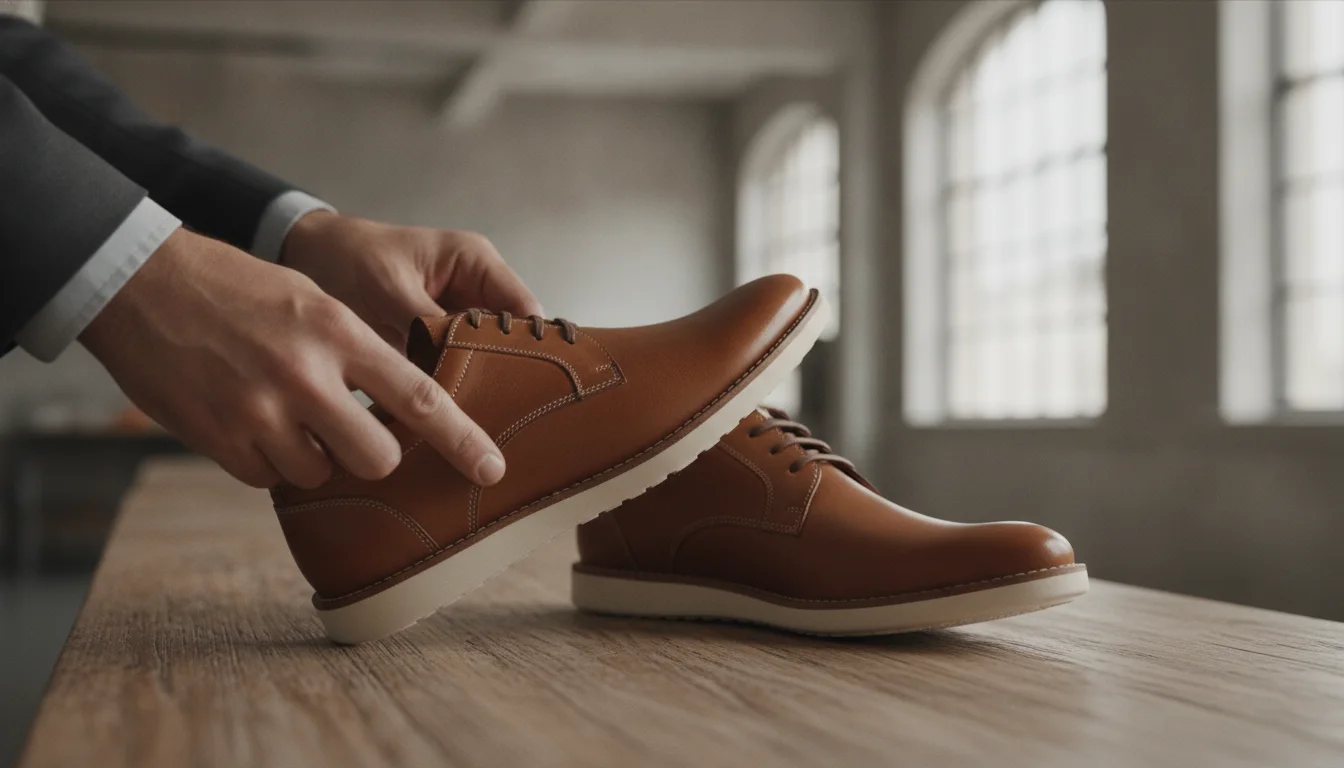
A properly designed assortment structure should align with your store’s target audience and regional foot size distribution. For example, in the women's footwear category, sizes 37 and 38 have high turnover, while in men's sports shoes models, sizes 41-43 form the main sales volume.
If the standard carton distribution offered by the supplier (for example, 8-piece series like 1-2-2-2-1) does not match the consumer profile in your target region, you will consistently have broken sizes in stock. It should be questioned whether the supplier offers flexible assortment options or the ability to quickly replenish best-selling sizes.
Products entering quickly at the start of the season should have high stock turnover. Assortments remaining at hand during the transition from summer to autumn increase warehouse costs and lock cash flow. To keep stock turnover high, flexibility to place small but frequent orders from the supplier should be requested.
Compatibility of size distribution inside cartons with the consumption habits of the target market
Supplier’s speed in replenishment (re-order) processes for broken sizes
Balanced order planning to prevent end-of-season stock accumulation
In summary: Cheap purchases without assortment balance result in losses due to unsold broken sizes at the end of the season.
In inter-business trade, the supplier’s attitude when problems arise shows their quality more than a flawless process. Problems like sole separation, missing singles, or wrong color shipments frequently occur in the footwear sector.
The important factor is the supplier’s approach to these faulty products and the openness of their communication channels. Working with a company that has weak communication and delays return processes wastes time and money.
How defective products detected upon order receipt will be replaced should be clarified by contract or platform rules. Suppliers who do not accept responsibility or delay the process for months disrupt the retailer’s cash balance.
If a best-selling model runs out mid-season, the supplier’s capacity to reproduce the same quality and color should be investigated. Manufacturers lacking sufficient raw material stock or batch capacity cause sales interruptions.
Existence of direct communication channels reachable in case of failures
Fast exchange and return procedures for faulty or missing products
Adherence to lead times for additional in-season orders
In summary: Suppliers who communicate flexibly and solution-orientedly help you get through operational crises with minimal damage.
Applying a systematic test process before making a large contract with a new manufacturer or wholesaler minimizes risk. Instead of placing high-volume orders initially, you should take controlled steps to analyze performance.
For this purpose, designing a small-scale trial order allows you to test all supplier promises in the field, from packaging care to shipping speed.
As an example scenario, a newly opened boutique business could create a small test order of two cartons each from different categories instead of purchasing 50 cartons from a new manufacturer at once. This hypothetical test lets you observe the company’s box quality, internal size label accuracy, and packaging robustness.
All pairs in the received trial order can be inspected to establish a supplier scorecard system. The duration between the order date and delivery date, defect rate in received products, and responsiveness of communication channels are recorded on this scorecard.
Scoring carton packaging robustness and labeling accuracy
Comparing promised shipping times with actual durations
Determining the matching rate of received products to sample quality
In summary: Recording supplier performance through small trial orders protects your financial risk in large-volume purchases.

Becoming dependent on a single manufacturer or making choices based only on price makes your business inflexible. To increase product variety in your retail store and spread risks, leveraging approved supplier networks is a strategic advantage.
Platforms offering over 100 approved suppliers and more than 10,000 model options eliminate traditional wholesaler travel expenses and time loss. Being able to compare models from different manufacturers on a single screen makes it easier to establish the best price-quality balance for your store.
Combining categories where different manufacturers excel enriches your store’s collection. While obtaining the best women’s stiletto models from one manufacturer, you can source daily casual shoe groups from another. This variety expands your customer portfolio.
When purchasing through Bulkoon, you can efficiently manage your budget with installment options at cash prices and a transparent platform infrastructure. Working with reliable and verified manufacturers reduces the risk of faulty products and speeds up your operations. To discover practical steps in the purchasing process, check our How It Works page, and to improve retail strategies, explore other content in our Blog Tips category.
Gaining product and audience flexibility through multi-supplier structure
Making secure and transparent purchases via verified B2B platforms
Evaluating not only price advantages but also operational ease and installment opportunities
In summary: Sustainable retail success is built on consistent quality, reliable logistics, and multi-supplier flexibility rather than just low price.
Information in this article draws on the following sources.

Starting work with a new shoe supplier by placing a small initial order allows you to test product quality, sizing, packaging, and logistics performance without taking unnecessary risks.

Explore the critical role of packaging quality in footwear retail on customer satisfaction, return costs, and brand image. Economic and protective packaging solutions for boutiques.

Explore the physical product defects, sizing and material mismatches behind high return rates in footwear retail, and operational solutions to reduce returns.