What Is Wholesale Footwear? How to Find the Best Wholesale Footwear?
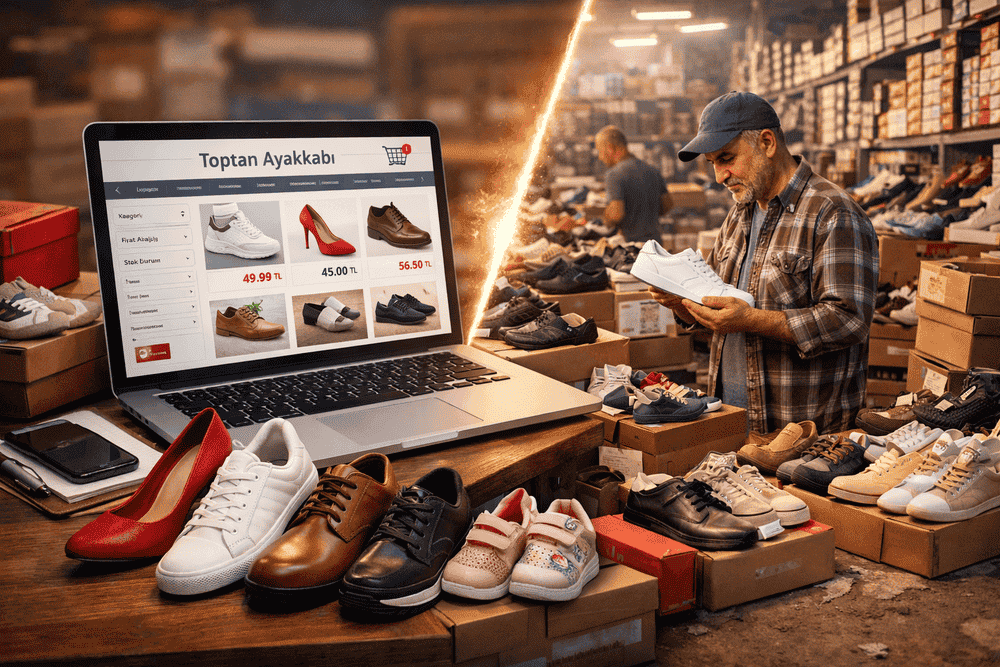
Wholesale footwear procurement is the foundation of retail success. Finding the best product involves not only low price but also selecting the right quality, reliable suppliers, and models aligned with market trends. This guide covers strategic steps for informed purchasing and efficiency advantages offered by digital platforms.
Wholesale footwear procurement is the most fundamental commercial activity shaping the profitability and brand identity of a retail business. This process means much more than simply sourcing large quantities of products to reduce unit cost. Securing the right product, at the right time, from the right supplier defines the value and promise you offer to your customers beyond just stocking your shelves. The journey to find the "best" wholesale footwear starts not by seeking the lowest price tag but by discovering a strategic partnership and product that will create the highest value for your business.
The Strategic Importance of Wholesale Footwear Procurement
Wholesale purchasing is not merely a buying transaction; it is a strategic investment that directly impacts the financial health and market position of the business. Maximizing the return on this investment depends on the ability to balance price, quality, and demand delicately. A successful purchasing strategy goes beyond short-term cost advantages to build long-term brand value and customer loyalty.
Value Analysis Beyond Price
The lowest unit price does not always mean the most profitable deal. Real profitability is an equation consisting of purchase price, operational costs, sales velocity, and potential selling price. A product bought very cheaply but remaining unsold turns into a costly inventory occupying warehouse space. When conducting value analysis, factors such as product quality, the brand's market perception, the supplier's payment terms, and return policies must also be considered. For example, a supplier offering additional discounts for upfront payments might be more valuable for a business with strong cash flow.
Critical Role in the Supply Chain
Wholesale purchasing decisions affect the entire supply chain. Selecting the wrong supplier or faulty stock planning can lead to a series of operational problems such as delayed deliveries, quality issues, and customer complaints. A reliable supplier ensures that deliveries are timely and complete, keeping your inventory at optimal levels. This prevents lost sales during peak seasons and protects you from unnecessary stock costs. A healthy supply chain enables your business to react faster and more flexibly to market changes.
Key Points in Selecting a Reliable Supplier
Finding the right partner - the supplier - is the most critical step in wholesale footwear trading. A reliable supplier is not only a product provider but a strategic partner contributing to the growth of your business. Acting hastily and focusing solely on price during this selection process can cause difficult-to-repair costs in the long run.
Production Capacity and Quality Consistency
It is vital that a supplier maintains the quality offered in the initial sample throughout mass production. The supplier's production capacity indicates how much product they can produce consistently at the same standard monthly or seasonally. This capacity must be known in advance, especially for large orders or fast reorder cycles. Platforms like Bulkoon minimize this risk by connecting buyers directly with approved suppliers, reliable footwear manufacturers, and verified wholesalers. These approved suppliers meet specific production and service standards, providing assurance to buyers about quality consistency.
Communication and Commercial Transparency
A good business relationship is based on clear and regular communication. A supplier who transparently shares order status, possible delays, stock information, or product details allows you to plan your operations more effectively. Defining commercial conditions such as payment terms, minimum order quantities (MOQ), return and exchange policies clearly from the beginning prevents future disputes. A trustworthy partner takes a solution-focused approach when problems arise and does not leave you stranded.
Methods to Assess Product Quality
Shoes rapidly reveal quality shortcomings. To ensure customer satisfaction and keep return rates low, accurately evaluating product quality is essential. This evaluation goes beyond the shoe's appearance and involves understanding technical details such as materials, workmanship, and durability.
Material Knowledge and Workmanship Details
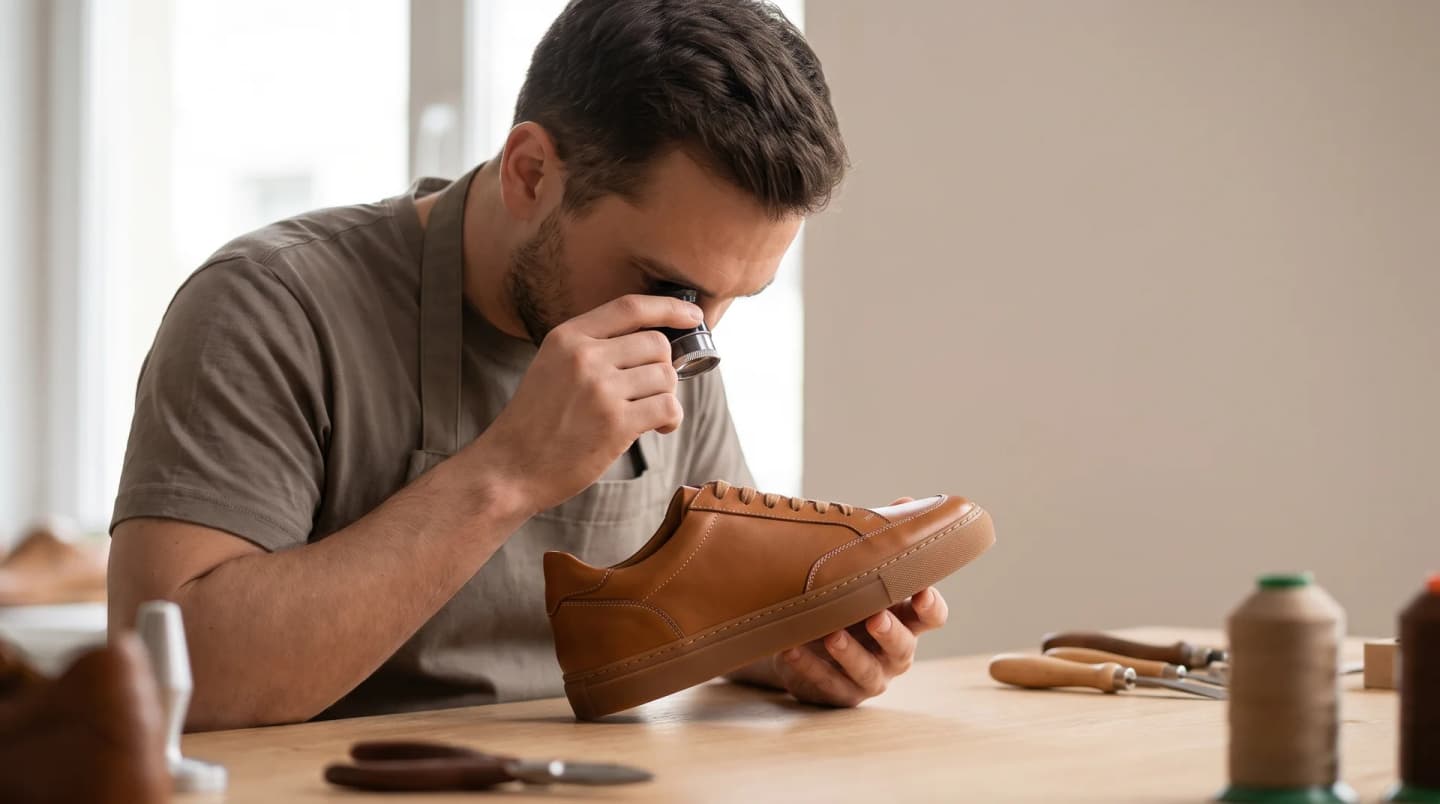
The fundamental factor determining a shoe's lifespan and comfort is the material used. Request clear information from the supplier about the quality of leather, textile, or synthetic materials used in the upper (vamp), lining, and insole. Workmanship details such as stitch density and neatness, whether there is glue overflow in bonding areas, sole flexibility, and the fit of the last to foot anatomy provide important clues about product quality. These details are especially critical in comfort-focused categories like Men's Daily footwear.
Comparison Between Sample and Mass Production
There should be no difference between the sample requested from the supplier and the mass-produced products delivered to you. In some cases, manufacturers reduce costs by using lower-quality materials or workmanship during mass production. To manage this risk, select random samples from your first order or a new model and compare them carefully against the initial sample. Consistency in color tone, material texture, stitch quality, and last measurements will give you a clear idea of the supplier's reliability.
Strategic Product Selection and Market Alignment
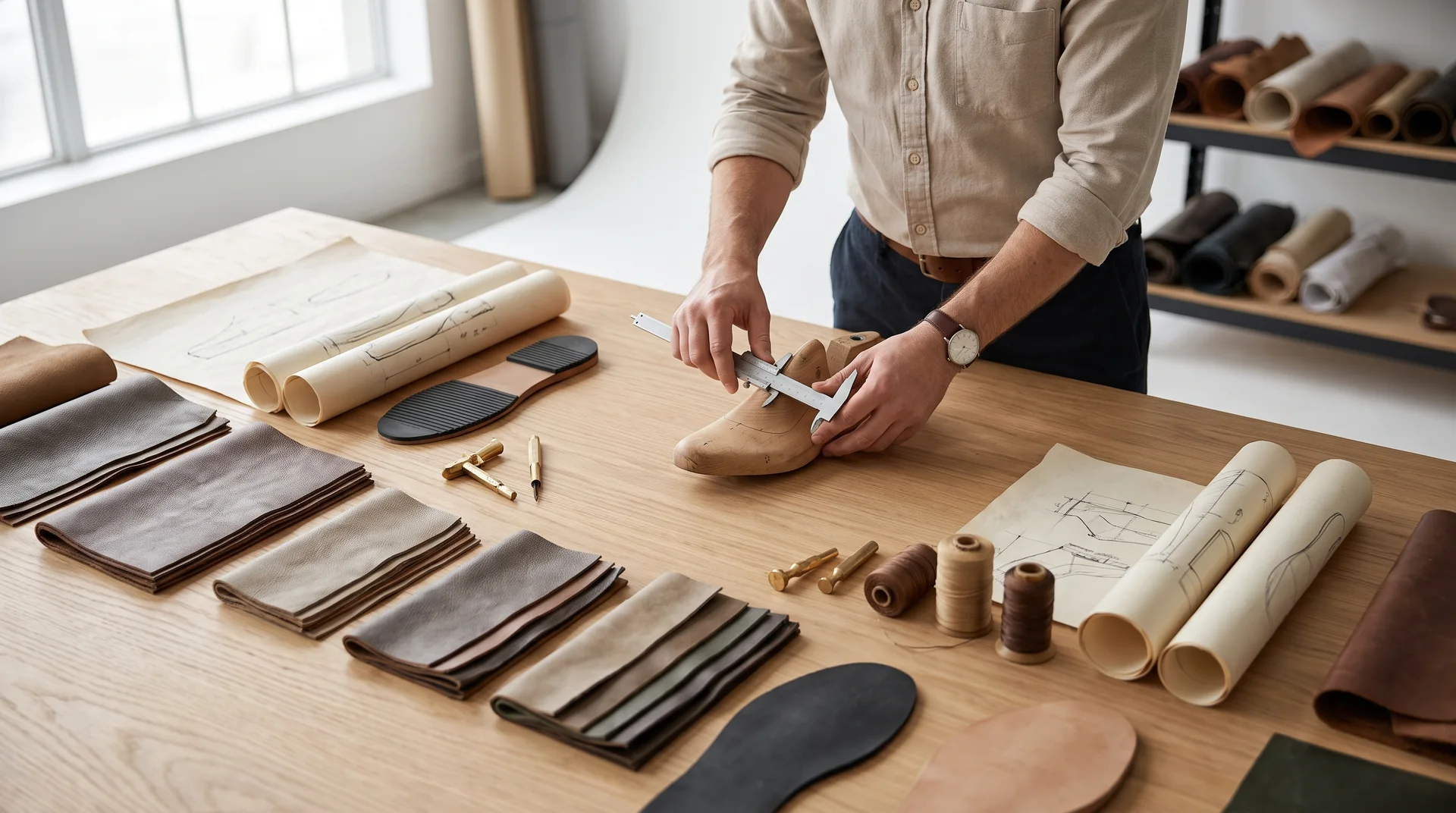
Even if you find the highest quality and best-priced shoe, you cannot sell it if it does not meet your target audience's demands and market trends. Successful product selection requires reading market dynamics accurately and planning stock management accordingly. This creates your store’s identity and distinguishes you from competitors.
Target Audience and Category Analysis
Knowing who you sell to is the first step in deciding what to sell. If you cater to a young and dynamic audience, it makes sense to prioritize Women's Sport and sneaker models. If your clientele is more classic and mature, investing in quality Men's leather shoes or stylish Women's Heel Shoes might be more appropriate. Bulkoon's extensive catalog offering more than 10,000 models makes it easy to find rich options tailored to different audiences. You can quickly discover products that best suit your customer base by filtering according to categories.
Seasonal Trends and Stock Turnover Rate
Shoe fashion changes rapidly, especially in the Women's category. Staying updated on seasonal colors, popular lasts, and materials prevents excess stock accumulation. Stock turnover rate is a critical performance metric showing how fast a product sells. While placing bolder orders for fast-selling trend items, cautious stock planning for products at risk of becoming outdated or more niche is important. Correct assortment, meaning size distribution planning, directly affects stock turnover. Giving more weight to the best-selling sizes (commonly 37-38 in women, 41-42 in men) reduces wastage rates.
Efficiency in Wholesale Purchasing via Digital Platforms
Traditional wholesale footwear sourcing processes required significant time, travel, and research costs. However, digitalization has fundamentally changed this process, making it more efficient, transparent, and profitable for buyers. Online B2B platforms remove geographic boundaries and make finding the best product easier.
Challenges of Traditional Methods
In the past, working with footwear wholesalers meant traveling to production hubs such as Gedikpaşa or Aykosan in Istanbul, visiting showrooms one by one, and negotiating separately with each supplier. While this method allowed physical inspection of the product, it had significant drawbacks like limited access to suppliers, difficulty in price comparison, and high travel expenses. Additionally, knowing suppliers’ real-time stock status was nearly impossible.
Advantages of Online Wholesale Platforms
Footwear-focused online wholesale platforms like Bulkoon eliminate these challenges. From a single screen, you can access thousands of models from hundreds of reliable manufacturers. Thanks to these platforms, you can have the market at your fingertips without extra costs like flights and hotels. You can find products within seconds using detailed filter options, transparently compare prices, and place orders with just a few clicks. Bulkoon lists only ready stock products, guaranteeing that what you see is what you can actually buy, and enabling rapid order preparation. This efficiency allows you to focus on your core business, namely sales and customer relations. You can review the process in detail on the How It Works page.
Conclusion: Informed Purchasing for Sustainable Success
Finding the best wholesale footwear is not a one-time quest but a continuous process requiring strategy and market insight. Success lies not in finding the cheapest product but in selecting the product and supplier offering the most suitable value for your business goals, brand identity, and customer expectations. Buyers who evaluate factors such as quality, reliability, market alignment, and efficiency together gain a competitive edge, achieving sustainable profitability and growth.