Why Do Boutiques Now Order Less but More Frequently?

The retail world is shifting from large seasonal orders to smaller, more frequent purchases. This strategy is driven by critical factors such as reducing stock risk, protecting cash flow, and instantly responding to constantly changing customer expectations. Discover the new norm of modern boutique management and changes in wholesale buying habits.
In the past, wholesale purchasing for boutique owners typically meant large and comprehensive orders placed at the beginning of a season. The model of stocking an entire season's inventory at once offered a certain predictability but also brought significant financial risks and loss of flexibility. In today's fast-paced retail environment, this approach has given way to a more dynamic strategy: sourcing smaller quantities more frequently. This model allows boutiques to maintain their financial health while keeping a closer pulse on the market. So, what are the main reasons behind this change, and how can shoe boutiques adapt to this new system?
The Changing Dynamics of Fast Fashion and Its Impact on Boutiques
Fast fashion has become a force that deeply affects not only large chains but also boutique-scale businesses. Consumer styles and expectations are changing faster than ever, driven by digital channels. This situation forces boutiques to reconsider their traditional stocking methods.
Acceleration of Trend Cycles
Social media platforms have created an environment where a shoe model can become popular and fade within weeks. A women's sport shoe model that was most popular just a few months ago may lose its appeal quickly as a new trend emerges. A boutique that places large, one-time orders cannot keep up with these rapidly changing trends. Off-season stock remaining not only incurs storage costs but directly impacts profitability. Ordering less but more frequently enables boutiques to catch these short-lived trends and quickly move on to the next popular trend.
Customer Expectations: Constant Demand for Innovation
Modern consumers expect to see new products every time they visit a store. Keeping the window and shelves fresh and up-to-date is one of the most important ways to build customer loyalty. If a boutique displays the same models for months, it loses attractiveness for customers. Bringing in new products in small batches frequently creates a “discovery feeling” for visitors each time. This encourages customers to visit more often and helps the store project a dynamic image. A constantly refreshed collection is a powerful marketing tool that differentiates the boutique from its competitors.
Financial Risk Reduction Strategy: Protecting Cash Flow
Cash flow is vital for every business. Inventory is an asset on paper but as long as it is not sold, it cannot be converted to cash and instead generates costs. The less but more frequent ordering strategy plays a key role in maintaining this financial balance.
Reducing Stock Costs and Capital Commitment
Large-scale wholesale orders require a significant initial capital. This capital is tied up in products that may take months to sell and constrains the cash available for other operational needs (rent, salaries, marketing). On the other hand, placing smaller and manageable orders allows for more efficient use of capital. Boutique owners can direct their cash to different models or marketing activities. This flexibility is a critical advantage especially for newly established or growing businesses. Platforms like Bulkoon support this capital efficiency by facilitating orders in small batches from different suppliers.
Avoiding Pressure from Discount and Loss Sales
At the end of the season, leftover products usually have to be sold at large discounts or even at a loss. This significantly eats into the profit margins earned during the season. For example, a women's stiletto model purchased in a large batch that fails to attract expected interest can become a burden instead of a profitable investment. The less but more frequent ordering strategy minimizes this risk. Models with good sales performance are rapidly reordered, while slow-selling stock is allowed to run out. Thus, end-of-season discount campaigns become less of a necessity and profitability becomes more predictable.
Stock Management and Profitability Balance in the Footwear Sector
Shoe retail carries unique challenges, particularly due to size (serial) management. As important as finding the right model is stocking the correct size distribution of that model for profitability. The less but more frequent buying model offers important advantages in establishing this balance.
The Importance of Correct Assortment and Size Distribution
Stocking the full series of a shoe model (for example sizes 36 to 40) is not always the most efficient method. Some models have faster sales in smaller sizes, while others have demand concentrated in larger sizes. Placing a large order with incorrect size distribution causes popular sizes to sell out quickly and others to remain on shelves. Ordering in small batches allows boutiques to test the sales speed and size demand of different models. For example, by analyzing sales data of a model in the first batch, the next order can more accurately focus on the sizes needed. This reduces the risk of "dead stock" and ensures capital is directed to the right products.
Optimizing Season and Stock Turnover Speed
Stock turnover rate is a critical performance metric indicating how quickly a business sells its inventory and converts it to cash. A high stock turnover rate signals healthy operations and strong cash flow. The traditional large purchase model slows stock turnover because products may wait in storage for months. Ordering less but more often has the opposite effect. Rapidly selling products are continually refreshed, keeping inventories fresh and turnover high. This agility helps boutiques instantly adapt to market conditions and seasonal changes. For example, rapidly increasing summer sandal stock during an unexpected heatwave becomes feasible.
The Role and Benefits of Digital Wholesale Platforms
The rise of digital B2B wholesale platforms plays a major role in boutiques adopting the less but more frequent purchasing model. These platforms simplify supply processes and lower costs, making small-scale buying attractive and efficient.
Flexibility and Speed in Supply Processes
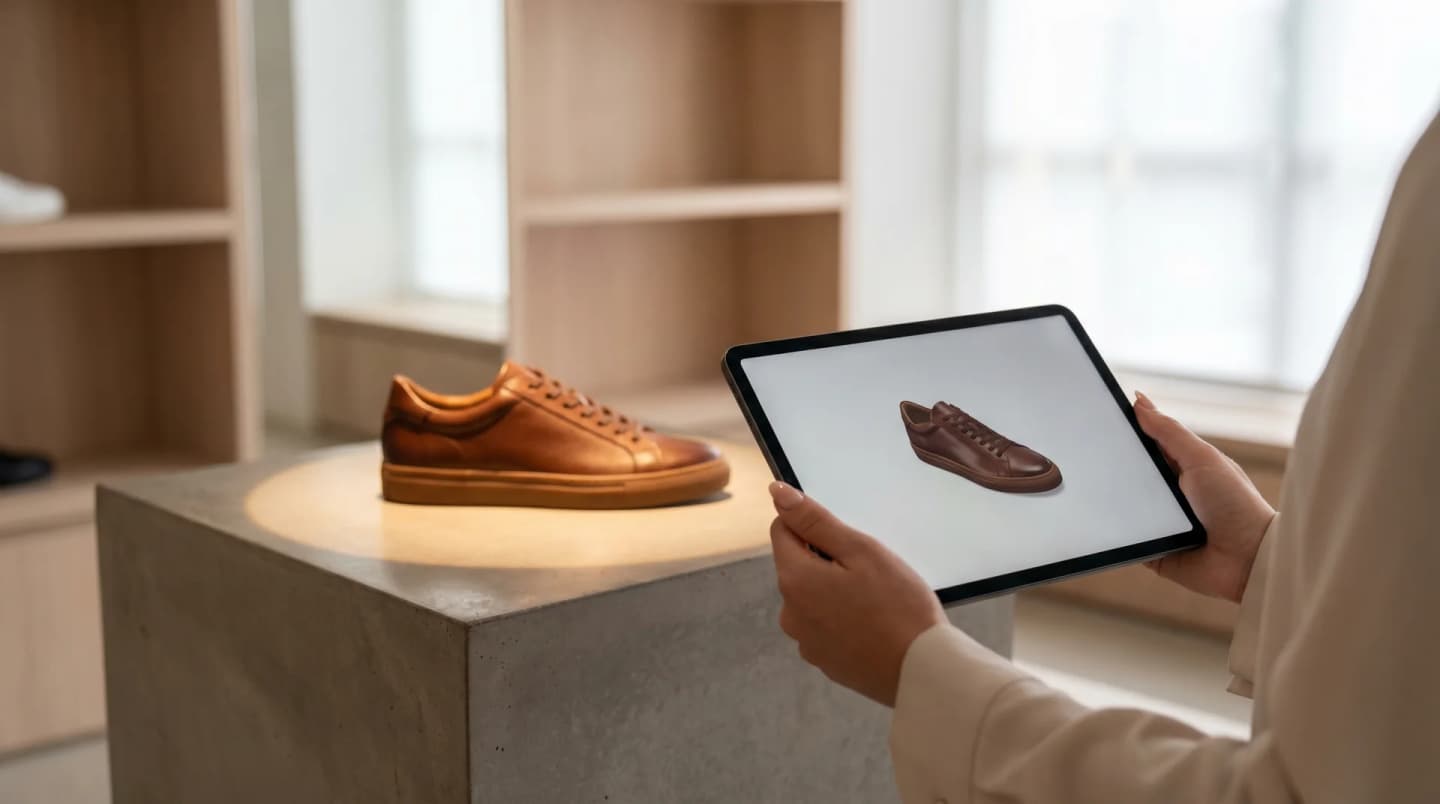
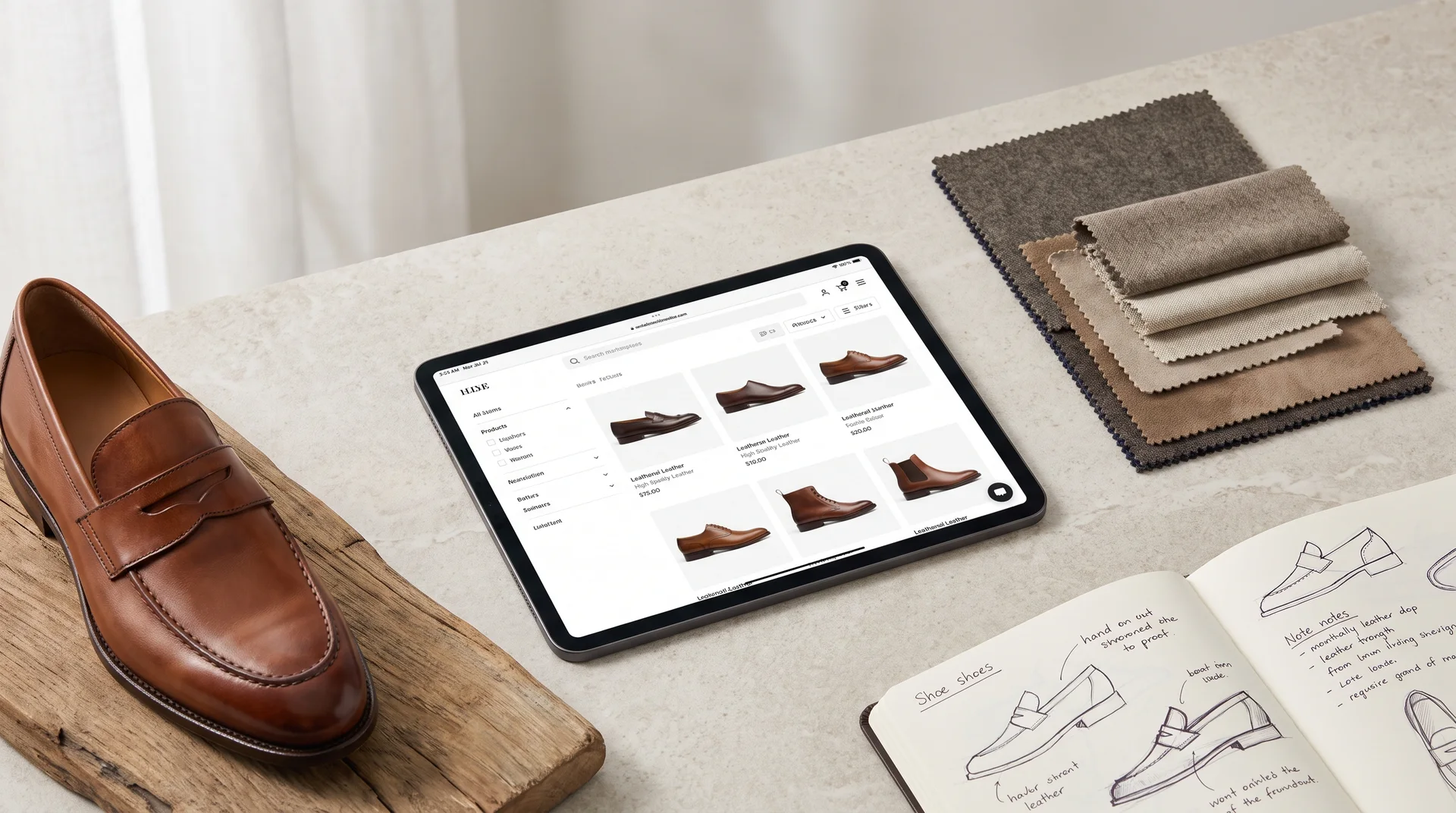
Wholesale buying used to require physically visiting manufacturers or wholesalers, lengthy negotiations, and waiting weeks for deliveries. Digital platforms like Bulkoon have completely transformed this process. Now boutique owners can access thousands of models from hundreds of suppliers from a single screen. Bulkoon's policy of listing only ready stock products and shipping orders within 1-2 business days makes fast purchasing according to instant needs possible. This way, a boutique can put a popular men's daily shoe model from Monday in the window by the weekend.
Data-Driven Decisions and Model Variety
Digital platforms offer buyers a wide product range, allowing market research. With more than 10,000 model options on Bulkoon, boutiques find niche products best suited to their customer base easily. Additionally, data such as popular products and new arrivals on the platform serve as important guides to follow trends. Boutique owners can test a model's potential by ordering a small batch before taking a large financial risk. The fact that all suppliers are approved and trustworthy provides a secure trading environment and protects buyers from risks of working with unknown suppliers.
Dynamic Window Management to Improve Customer Experience
The less but more frequent ordering strategy not only provides operational and financial benefits but also positively impacts the customer experience directly. A constantly renewed store becomes a more attractive and exciting shopping destination for customers.
Creating a Fear of Missing Out (FOMO)
Limited and constantly changing products create a sense of urgency among customers. Knowing that a favorite shoe may not be there on their next visit reduces the tendency to postpone purchase decisions. This psychological effect is known as Fear of Missing Out (FOMO). This approach increases immediate sales and fosters customers’ habit of following the store’s new arrivals. It is very effective in building a loyal customer base.
Keeping Store Atmosphere Lively
A static window that remains unchanged for months creates a boring image. On the other hand, boutiques that receive new products constantly have a lively and dynamic atmosphere. Store staff can present new models each time, making sales talks more engaging. This sense of novelty applies to both physical stores and online boutiques. A constantly updated collection also provides rich content for social media sharing, increasing the store’s digital visibility.
Conclusion: Agile Supply for Sustainable Growth
The shift from large seasonal purchases to smaller, more frequent acquisitions by boutiques is not a temporary trend but a strategic adaptation required by modern retail. This approach reduces financial risks, improves cash flow, optimizes stock management, and most importantly, responds instantly to customer expectations, providing a competitive advantage. Establishing an agile supply chain is indispensable for surviving today's volatile market conditions and achieving sustainable growth. Digital wholesale platforms like Bulkoon stand out as strong partners for boutiques wanting to embrace this new generation sourcing model. The flexibility and diversity offered by the platform help boutiques make smarter, faster, and more profitable decisions. To see how you can implement this modern purchasing strategy, you can check out Bulkoon’s how it works page.