Why Don’t Customers Shop Again at Your Store?

The cost of acquiring a new customer is significantly higher than retaining an existing one. So why doesn’t a customer who you have worked hard to attract return to your store? The answer often lies in shortcomings related to product quality, store experience, post-sale communication, and loyalty strategies. We examine the fundamental steps for building customer loyalty in footwear retail and common mistakes.
Acquiring a new customer is far more costly and laborious than retaining an existing one. In a competitive sector like footwear retail, converting a first-time visitor into a loyal buyer is vital for the sustainability of your business. However, more often than not, customers who are won through great effort do not return. Behind this situation lie fundamental factors that are often overlooked but directly affect the customer experience. From product quality to in-store communication, post-sale support to personalized campaigns, every detail determines whether the customer will choose you again.
The Role of First Contact and Store Experience
The first interaction a customer has with a store lays the foundation for all future shopping decisions. A negative first impression significantly reduces the likelihood that the customer will return, no matter how high the quality of the products offered. Therefore, providing a consistent and positive experience across both physical and digital channels is a critical starting point.
The Importance of Physical and Digital Showcases
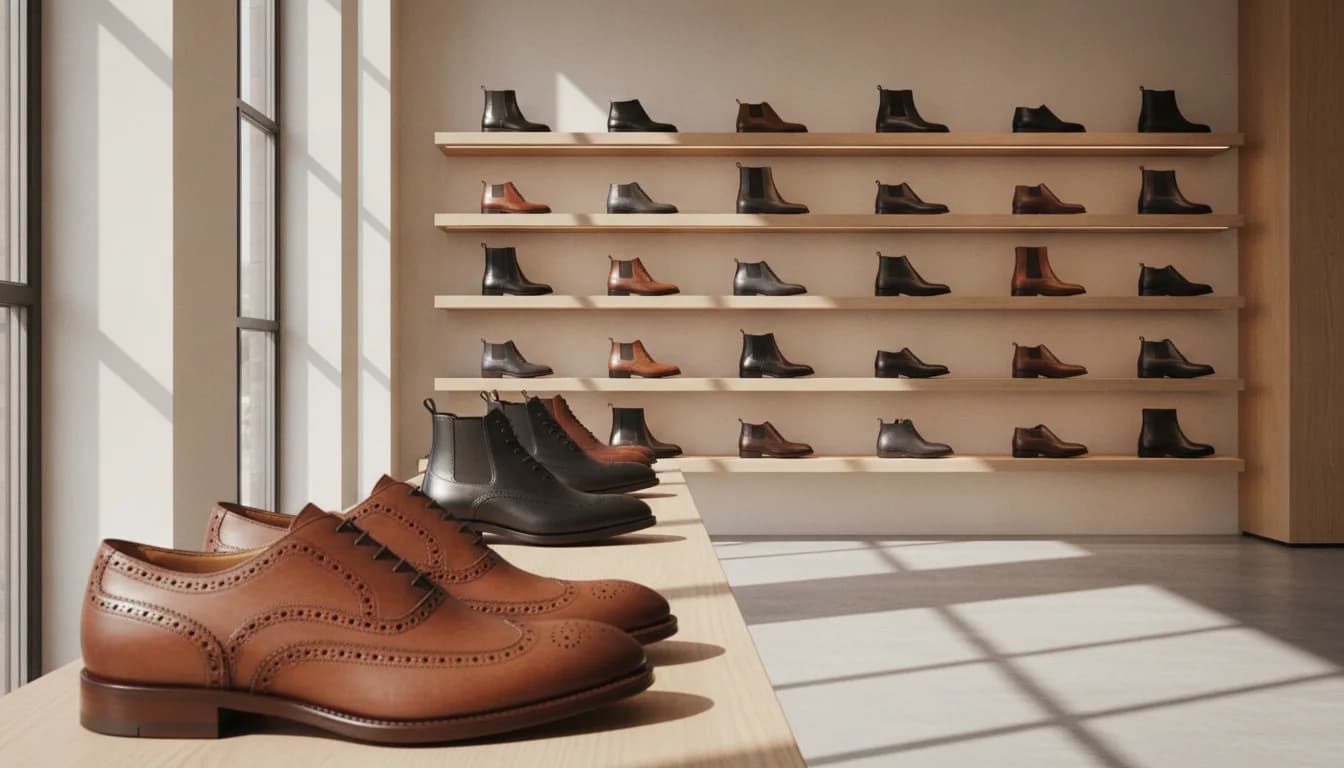
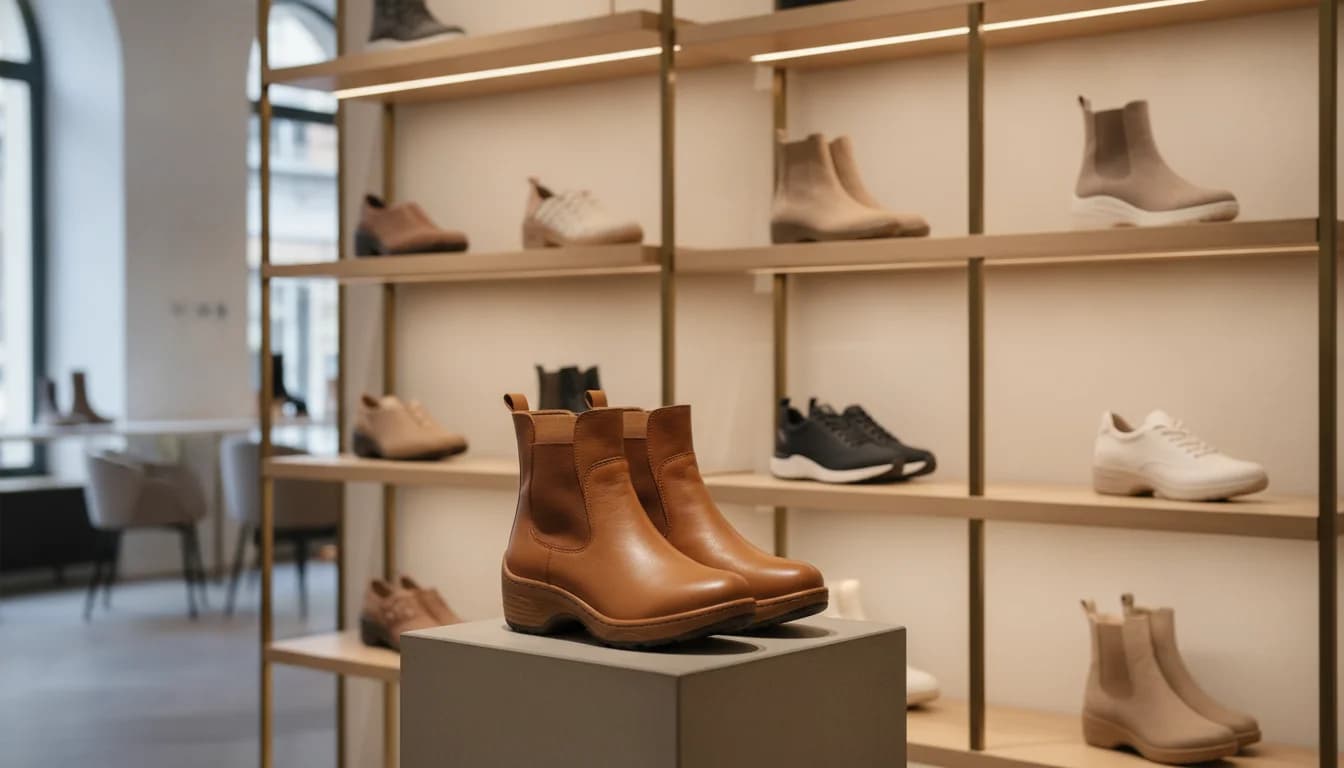
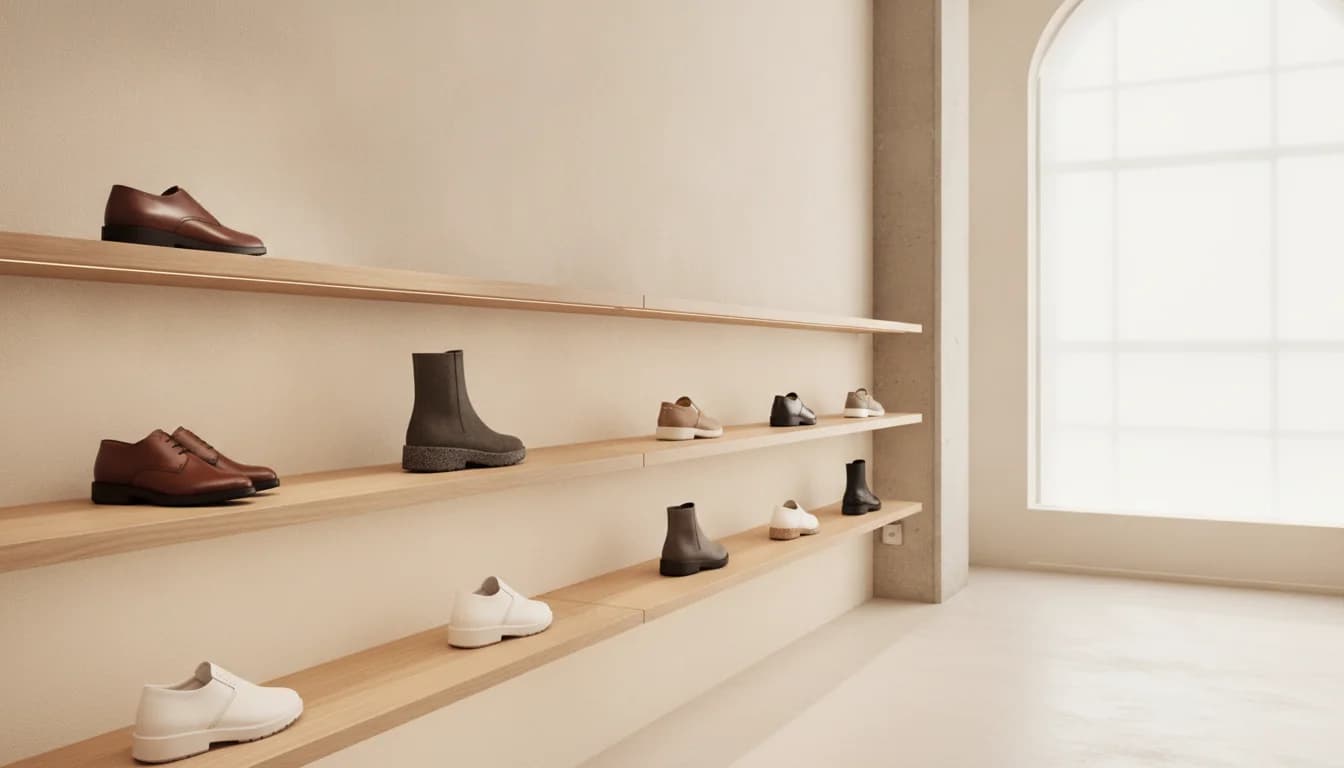
Your store’s display window is the first place where a customer decides whether to enter or not. A cluttered window filled with old season products or a dimly lit display repels potential buyers. The same rule applies to your e-commerce site or social media profile. Unprofessional product photos, a slow-loading website, or a complicated interface render your digital showcase ineffective. Customers should be able to find the product they are looking for easily, feel that the store is clean and organized, and enjoy the overall atmosphere. This first impression sends a strong message about your brand’s professionalism.
Staff Communication and Product Knowledge
When a customer steps into the store, the attitude of the staff greeting them is the most important part of the experience. An indifferent, tired, or poorly informed sales advisor can discourage even the most enthusiastic customer. Staff are not just salespeople; they are brand ambassadors. They should ask questions to understand the customer’s needs, provide accurate information about the materials, fit, and uses of products, and demonstrate sincere helpfulness. Especially for products like shoes that require trying on, a proactive approach in finding the right size or suggesting alternative models directly increases customer satisfaction.
The positive atmosphere created at the point of first contact and professional service helps the customer form a positive association with your brand. This experience lays the foundation for the decision to shop again.
Mismatch Between Product Quality and Price Perception
The fundamental building block of customer loyalty is that the product fulfills its promise. When a customer feels they did not receive value for the money paid, their trust in the brand diminishes and the likelihood of returning drops to nearly zero. Therefore, balancing product quality and pricing strategy is critical for repeat sales.
Products That Fail to Meet Expectations
A shoe looking great in the display or in photos is not enough. If a customer buys the product and soon after experiences issues like seams coming apart, fading color, or sole separation, the disappointment is directly linked to your store. Such negative experiences result not only in losing that customer but also potential customers through negative word-of-mouth. To minimize this risk, it is essential to work with reliable suppliers from the outset. Approved suppliers on platforms like Bulkoon meet specific quality standards. This ensures that the products you sell maintain a consistent quality level, reducing the risk of customer dissatisfaction.
Inconsistencies in Pricing Strategy
Price is perceived as a reflection of quality. Setting a price disproportionately higher than the product’s quality creates a feeling of "not worth it" among customers. Conversely, an excessively low price relative to quality may raise doubts about defects or poor durability. Your pricing must align with market conditions, your target audience’s purchasing power, and most importantly, the real value of the product. Customers need to be convinced that the price they pay is fair and that they receive a quality product in return. Transparent and consistent pricing policy is an important step in building customer trust.
In conclusion, offering quality products at balanced prices is a non-negotiable condition for customer loyalty. Prioritizing quality from the very start of your supply chain, including wholesale purchasing, is the key to long-term success.
Lack of Post-Sale Communication
The customer relationship does not end the moment payment is made; in fact, the process of building loyalty begins at this very point. Many businesses sever the connection with the customer after the sale, missing a great opportunity. An effective post-sale communication strategy makes the customer feel valued and strengthens their bond with your brand.
Thank You and Feedback Requests
A simple thank-you email or SMS sent shortly after the purchase demonstrates the interest shown. This message is not only a courtesy but also an opportunity to request feedback about the experience. Questions like “Were you satisfied with your shopping?” or “Did our product meet your expectations?” show that you value the customer’s voice. Collected feedback provides priceless data to improve your service quality and product range.
Challenges in Return and Exchange Processes
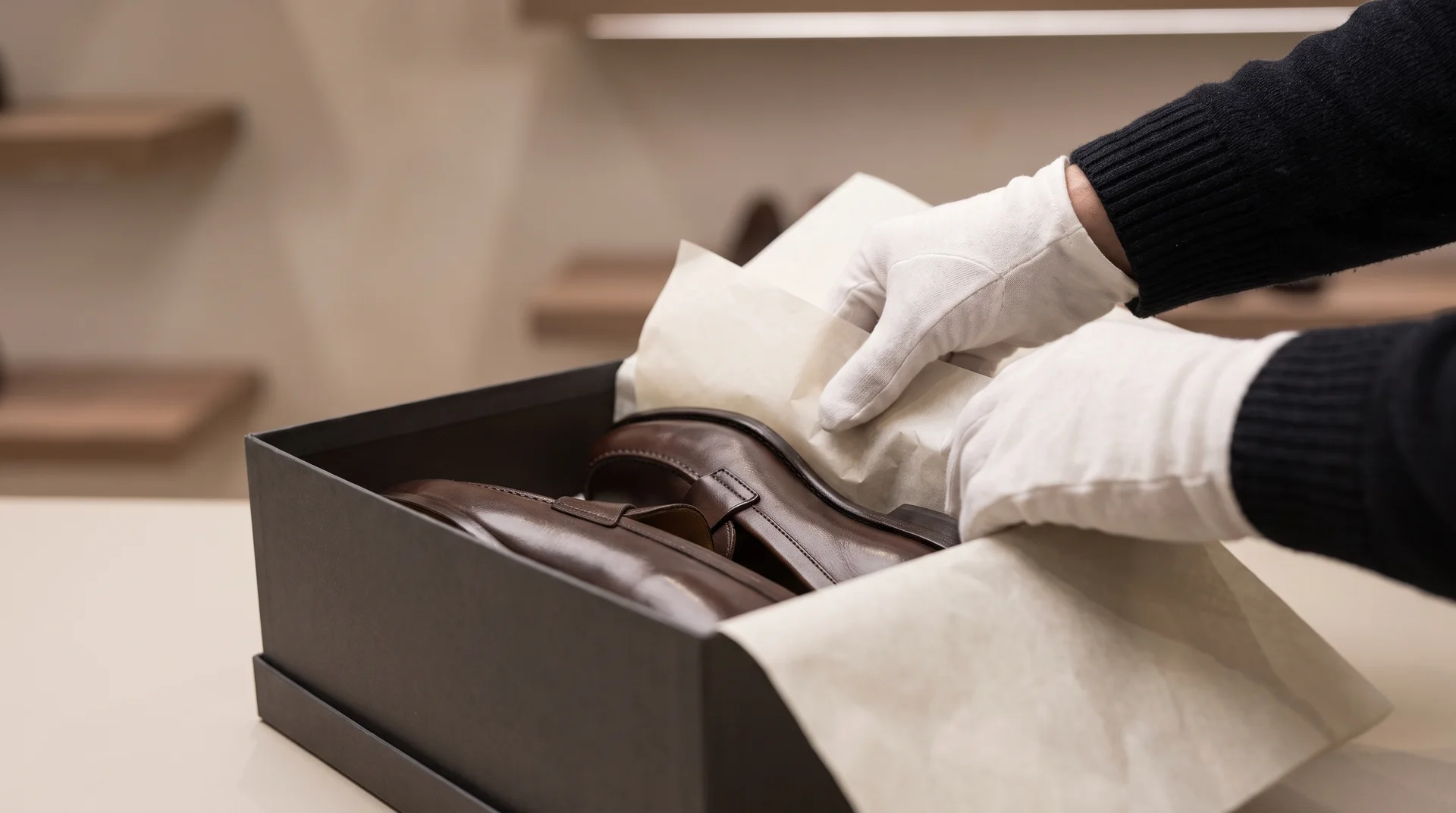
No customer wants to have to return or exchange a product they purchased. However, when faced with this situation, how easy and smooth the process is can completely change their view of your brand. Complex return policies, unreachable customer services, or slow refund processes are sufficient reasons for a customer to avoid doing business with you again. Conversely, a transparent, fast, and customer-focused return-exchange policy can turn a negative situation into a positive brand experience. A customer whose problem is resolved can become even more loyal to your brand.
Proper communication after the sale has the potential to transform a customer from a one-time buyer into a loyal brand supporter.
Lack of Personalization and Loyalty Programs
Today’s consumer tends to prefer brands that make them feel special and valued. General marketing campaigns that send the same message to everyone have lost their effectiveness. An approach that does not know the customer or respect their shopping history and preferences is one of the biggest obstacles to loyalty formation.
Communication Language Addressed to Everyone
Sending customers frequent emails or messages about products that do not fall within their interests eventually leads them to ignore your brand communications. For example, sending campaigns for men’s sports shoes to a customer who regularly purchases women’s stilettos is ineffective. Using customer data (past purchases, viewed products, birthdays, etc.) to offer personalized deals increases engagement and sales. Headlines such as “Selected for you” or “New arrivals similar to products you liked” are more likely to capture the customer’s attention.
Not Rewarding Returning Customers
Loyalty is a two-way relationship. You need to reciprocate the customer’s loyalty with special attention and advantages. Simple point-collection systems, special discount days, early access to new season products, or birthday discounts make customers feel special. Loyalty programs not only encourage repeat purchases but also help customers form an emotional connection with your brand. Customers who feel rewarded become more resistant to attractive offers from competitors.
Seeing your customers as individuals rather than data points and making them feel unique is the most effective way to retain them.
Insufficient Stock and Model Variety
Customers come to your store with a specific expectation: finding a product they want or like. When this expectation is not met, they become disappointed and turn to other alternatives for their next need. Your product range and stock availability are decisive factors in whether customers return.
Unavailability of Desired Size or Model
One of the most common negative experiences in retail is a customer not finding their size for a shoe model they like in stock. Customers might be understanding if this happens once or twice, but if it becomes habitual, the perception “I can’t find my size in this store anyway” sets in. Proper size assortment planning and stock management are therefore critical. When making wholesale purchases, you must allocate sufficient stock for the most demanded sizes by considering your target audience’s foot size distribution. With broad categories like women’s sports shoes on Bulkoon, you can view real-time stock from different suppliers, making this planning more efficient.
Collections That Fail to Capture Trends and Seasonality
Footwear fashion is dynamic and continually changing. If your store window and shelves are filled with outdated products for months, customers lose hope of finding anything new. Regularly refreshing your collection and presenting seasonal trend colors and models excites customers with a new discovery at each visit. When making wholesale purchases, it is important to follow new trends in popular categories like men’s sports shoes. Platforms like Bulkoon, offering more than 10,000 models and continuously adding new products, help keep your store’s collection current and appealing.
A wide, up-to-date, and well-managed product range offers your customers a guarantee to find what they are looking for and gives them a strong reason to come back.
Turning Customer Loyalty into a Sustainable Strategy
There is no single reason why customers do not shop again at a store; rather, it is usually the accumulation of many small negative experiences interconnected. A poor initial greeting, a product that fails expectations, a difficult return process, or consistently irrelevant campaigns steer customers to your competitors. Building lasting customer relationships requires delivering a consistent and positive experience at every touchpoint.
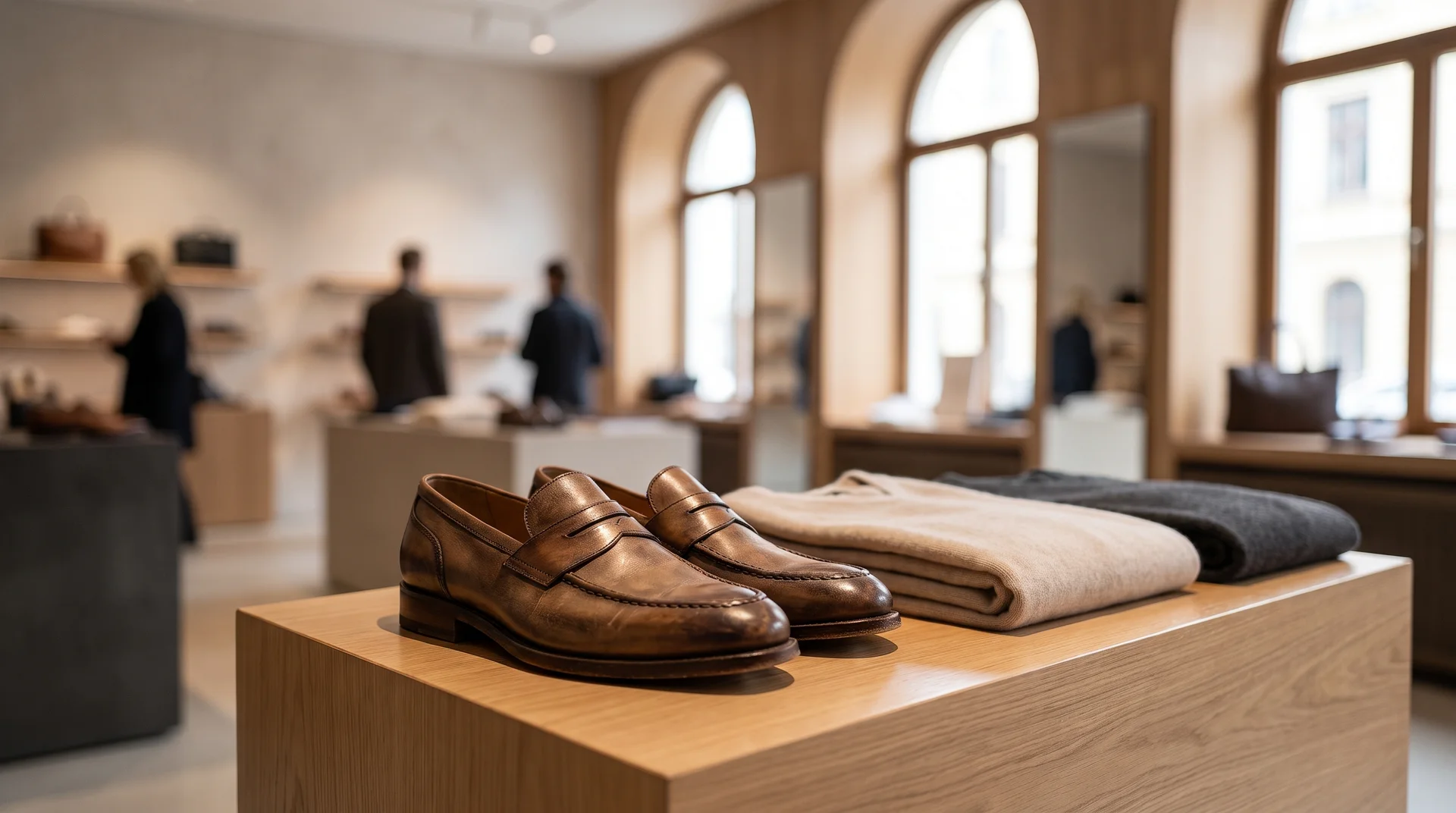
This process starts with sourcing the right products. Quality products obtained from reliable sources form the basis of customer satisfaction. Then comes presenting these products with knowledgeable and sincere service, strengthening the bond with personalized communication, and rewarding loyalty. By facilitating your wholesale purchasing processes through digital platforms like Bulkoon, you can focus your energy and time on providing a better experience to your customers. Remember, every satisfied customer is not only a repeat sale but also your brand’s most valuable ambassador.